

Current location: HOME > BLOGS > Industry Trends >
Solar Cable Buying Guide: Types, Uses, and Best Options in 2026
time:2026-01-30 10:43:55 author:haoshizai Click:137
As global solar installation continues to expand, selecting the right solar cable has become one of the most critical decisions for any photovoltaic project. Whether you're an EPC contractor, system integrator, distributor, or procurement manager handling large-volume orders, understanding the types, applications, and updated selection criteria of solar cable in 2026 is essential for ensuring efficiency, safety, and long-term system reliability.
1. What Is a Solar Cable?
A solar cable is a dedicated electrical cable designed for photovoltaic (PV) power systems. It connects solar modules, combiner boxes, inverters, and energy-storage units, transmitting either DC or AC power depending on the system design.
Compared to general-purpose electrical cables, solar cables must provide:
·Long-term outdoor resistance to UV, humidity, and ozone
·High-temperature stability and current-load capability
·Strong mechanical abrasion resistance
·Fire, oil, and corrosion resistance
·Specialized insulation materials such as XLPE or XLPO
Because of these requirements, the solar cable is not a simple accessory—it is a core component that directly affects system performance and safety.
2. Types of Solar Cables in 2026
2.1 PV Wire (Photovoltaic Wire)
Commonly used in North America and outdoor DC systems.
Features:
·Single-core copper conductor
·XLPO or XLPE insulation
·Double insulation structure
·Suitable for dry, wet, and direct-burial environments
·UL 4703 compliant
Best use:
Module-to-module and module-to-combiner DC connections.
2.2 PV Cable (Solar DC Cable)
The international standard solar cable, widely used across Europe, Asia, and Australia.
Features:
·Flexible copper conductor
·Dual-layer insulation
·UV, ozone, and weather resistance
·Temperature rating up to 120°C
·Compliant with EN 50618, TÜV 2 PfG 1169, or IEC 62930
Best use:
Main DC wiring in global PV systems.
2.3 Solar AC Cable
Used on the AC output side of inverters.
Features:
·Multi-core structure
·PVC, XLPE, or rubber insulation
·High mechanical strength
Best use:
Inverter-to-distribution cabinet AC connections.
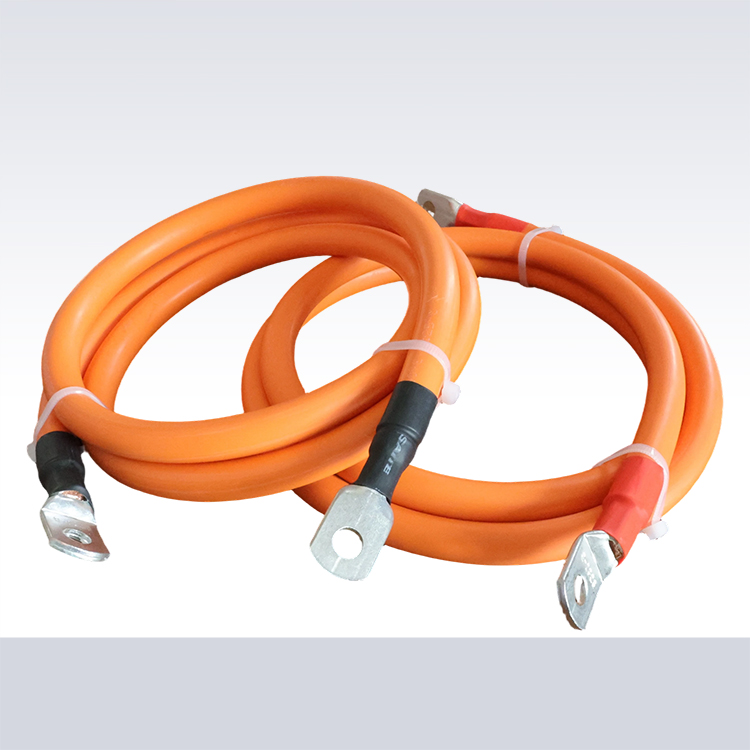
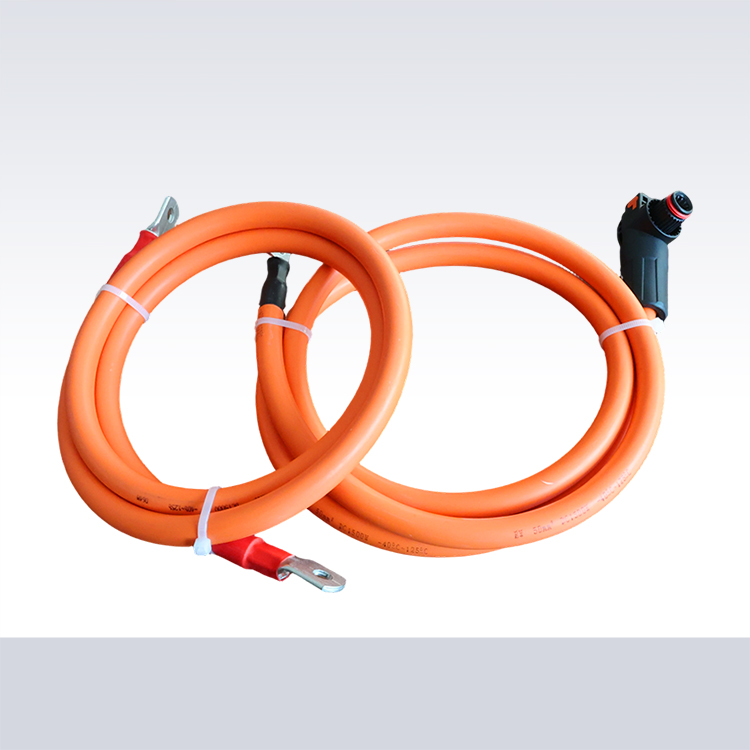
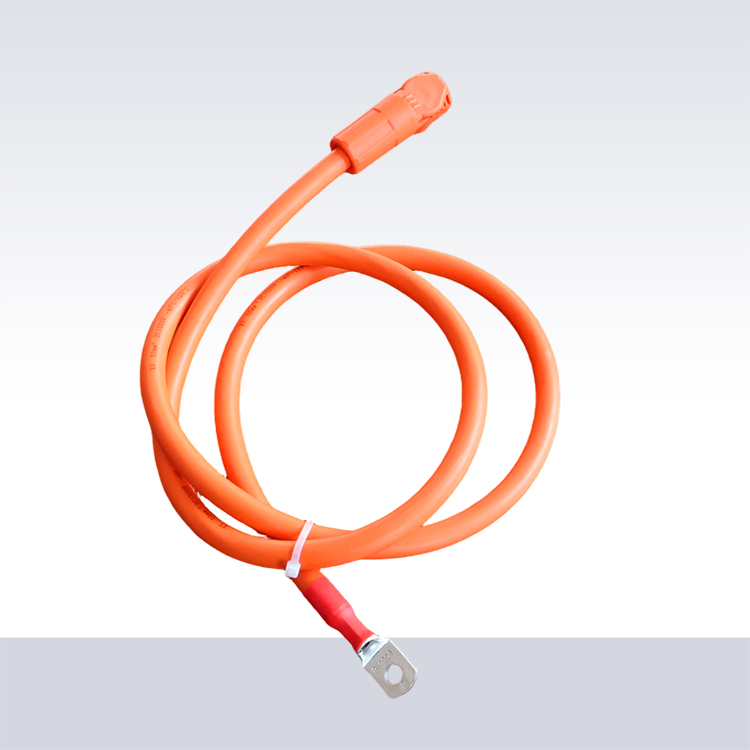
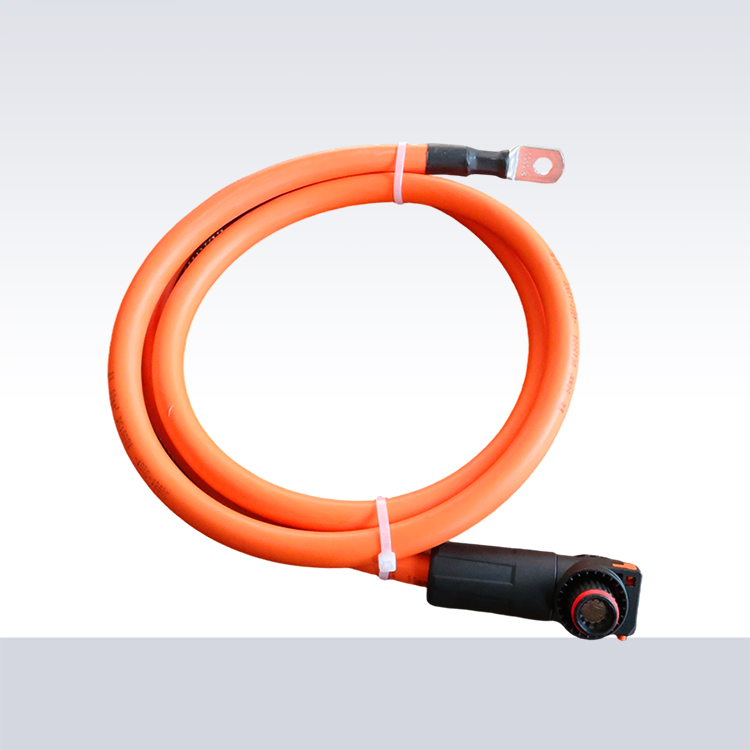
2.4 Solar Battery Cable (ESS Cable)
Essential for modern storage & hybrid systems.
Features:
·Stable high-frequency discharge
·Highly flexible structure
·Large cross-sections (25–95 mm²)
Best use:
Battery energy storage systems (BESS), off-grid systems, hybrid PV setups.
3. Key Specifications When Buying Solar Cable
3.1 Conductor Material
·Tinned copper: Enhanced corrosion resistance
·Bare copper: Higher conductivity
For outdoor projects, tinned copper remains the preferred choice in 2026.
3.2 Insulation & Sheath Materials
Common materials:
·XLPE (Cross-Linked Polyethylene)
·XLPO (Cross-Linked Polyolefin)
Both offer:
·High-temperature performance
·Halogen-free, flame-retardant structure
·Superior mechanical strength
3.3 Voltage Rating
Typical solar cable ratings:
·600/1000V DC
·1500V DC (dominant in modern utility-scale systems)
Most 2026 solar plants operate at 1500V to reduce transmission losses.
3.4 Temperature Range
High-quality solar cables can handle:
·–40°C to +120°C continuous operation
·Up to 140°C short-term peaks
This ensures stability in deserts, coastal regions, and cold climates.
4. Common Applications of Solar Cable
Solar cables are used throughout the entire photovoltaic system:
·Module-to-module interconnections
·DC transmission to combiner boxes
·DC input to inverters
·AC output wiring
·Battery/ESS cabling
·Earthing and grounding pathways
Every connection point depends on safe and durable solar cable performance.
5. Best Solar Cable Options in 2026
When selecting the best solar cable for your project, prioritize:
·International Certifications
·UL 4703
·EN 50618
·TÜV 2 PfG 1169
·IEC 62930
·25-Year Service Life
Modern solar cables are engineered to match PV module lifespan.
·High Flexibility
Improves installation efficiency and cable routing.
·UV / Ozone / Salt-Mist Resistance
Critical for coastal and desert installations.
·Reliable Manufacturer Capability
Choose suppliers with:
·Large-scale production capacity
·Complete in-house testing equipment
·Third-party reports (UL, TUV, CE, RoHS)
·Long-term export experience
·OEM/ODM support
A professional solar cable manufacturer ensures stable quality and consistent availability, especially for bulk engineering orders.
6. How to Choose the Right Solar Cable Supplier
Before confirming your purchase, evaluate whether the supplier can meet:
·Large-volume production capability
·Complete certification documentation
·90% high-purity copper conductors
·Sample testing availability
·Export experience to the US/EU
·Customization options (color, packaging, lengths)
A capable solar cable supplier ensures smooth project delivery and long-term system reliability.
Conclusion
As solar systems continue scaling worldwide, choosing the right solar cable has become a foundational step in achieving high-efficiency, safety, and long-service photovoltaic operations. From PV wire to AC cable and battery cable, the 2026 solar cable market emphasizes improved materials, enhanced durability, and stricter global standards.
Whether you're sourcing for rooftop installations or large utility-scale plants, always choose cables from a professional solar cable manufacturer with stable production capacity. This ensures safer wiring, longer system lifespan, and better economic performance.
References
Chen, S., Huang, Y., & Yang, W. (2018). Electrical performance and reliability analysis of photovoltaic cables under long-term outdoor environments. Solar Energy, 170, 227–236.