

Current location: HOME > BLOGS > Industry Trends >
PV Wire vs PV Cable: What’s the Difference and Which One Should You Use?
time:2026-01-30 10:44:37 author:haoshizai Click:137
Why PV Wire Matters in Modern Solar Systems
Choosing the right electrical wiring is one of the most important decisions in any solar project. Whether you design residential rooftop arrays or utility-scale power plants, the wiring method directly impacts efficiency, safety, and long-term reliability. Among all wiring materials used today, PV wire and PV cable remain the two most widely applied options.
Because many installers still confuse these two wiring types, this guide explains their differences, advantages, and ideal applications from a technical and manufacturer-level production perspective. By the end, you will know exactly which one to choose for your next solar installation.
We begin with the foundation: What exactly is PV wire?
What Is PV Wire?
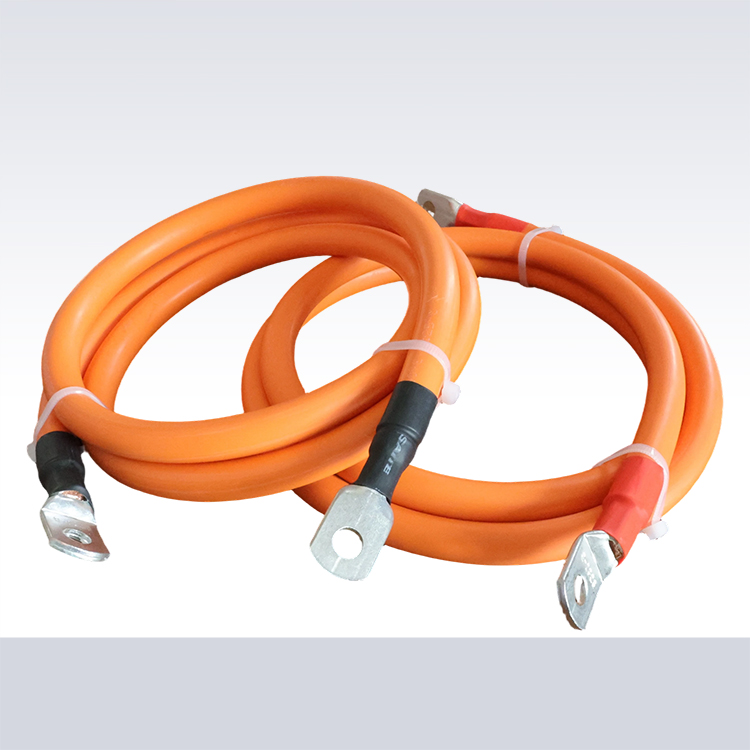
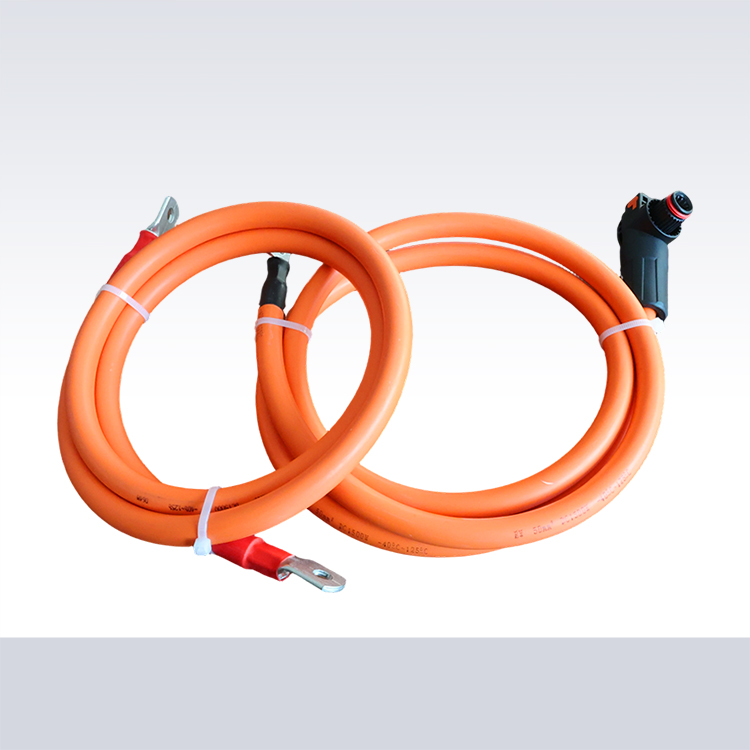
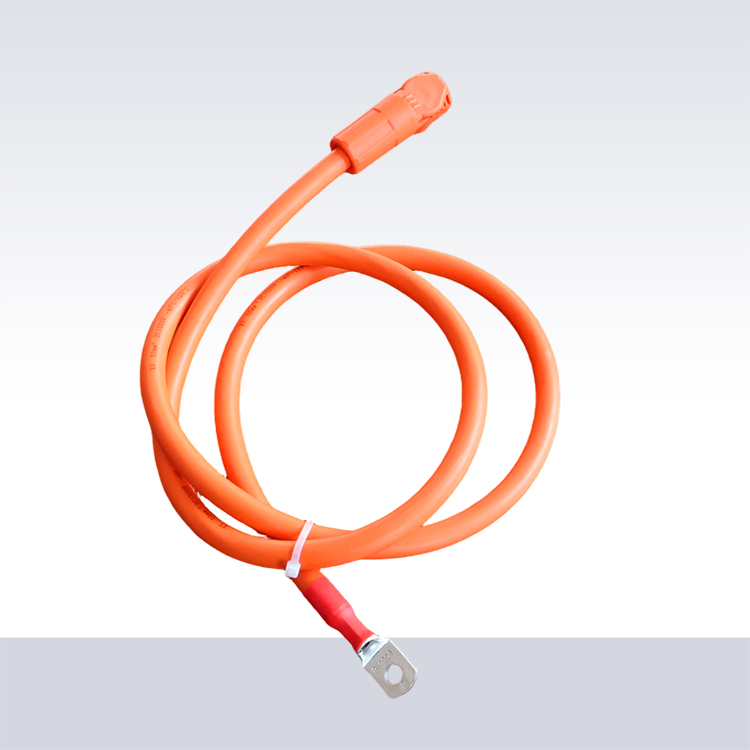
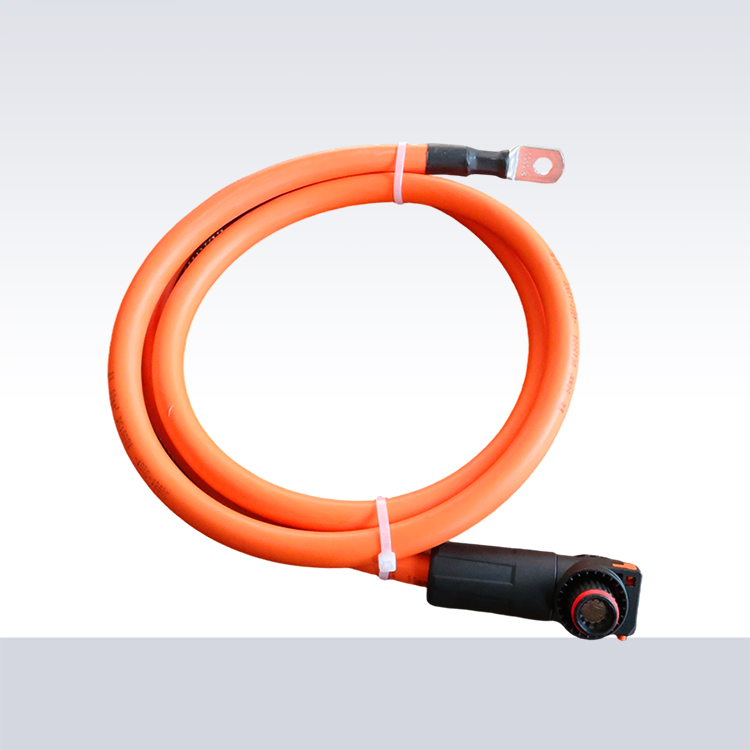
PV wire (photovoltaic wire) is a single-conductor electrical wire designed specifically for solar power systems. It is commonly used for exposed outdoor DC wiring, including module interconnection, string wiring, and direct contact with metal racking.
Key Characteristics of PV Wire
·XLPE or XLPO cross-linked insulation
·Thicker insulation for enhanced outdoor durability
·UV, ozone, flame, and moisture resistance
·Temperature range: –40°C to +120°C
·Typically used in un-grounded and grounded PV systems
·Conductors often include tinned copper for corrosion resistance
Modern manufacturers optimize PV wire for long-term exposure—25 years or more—making it ideal for harsh outdoor conditions.
What Is PV Cable?
PV cable refers to a multi-conductor cable assembly made for solar wiring scenarios where additional layers of protection are required. It typically includes:
·A tinned copper conductor
·An inner XLPE insulation layer
·An external jacket providing abrasion and weather resistance
Compared with PV wire, PV cable offers more structure and mechanical protection, making it suitable for routing through conduit, combiner boxes, or long DC runs.
Main Features of PV Cable
·Multi-layer insulation and jacket
·High abrasion resistance
·Suitable for 600/1000V and 1500V DC systems
Used for complex wiring routes or enclosed environments
Key Differences Between PV Wire and PV Cable
Understanding the difference helps installers avoid confusion and ensures full compliance with modern solar standards.
1. Conductor Configuration
·PV Wire: Single conductor
·PV Cable: Single or multi-conductor (depending on design)
This makes PV wire ideal for outdoor module-to-module connections, while PV cable is often a better choice when running multiple conductors together.
2. Insulation and Jacket Structure
PV wire has one heavy-duty insulation layer.
PV cable has insulation plus an outer jacket, offering an additional layer of protection.
Implication for Installers
PV wire is more flexible, while PV cable provides higher mechanical durability. Both are essential depending on project needs.
3. Standards and Certifications
PV wire and PV cable follow different global standards:
PV Wire Standards
·UL 4703 (North America)
·CSA C22.2
·Designed for un-grounded systems
PV Cable Standards
·EN 50618 (Europe)
·IEC 62930 (International)
·TÜV certification for many global projects
Installers working internationally may find PV cable more broadly compatible with multi-region project requirements.
4. Voltage Ratings
Both PV wire and PV cable are typically rated for:
·600/1000V DC
·1500V DC (common for utility-scale systems)
However, PV cable is often preferred when high-voltage system stability and extra protection are required.
When to Use PV Wire
Installers often choose PV wire for:
·Module-to-module connections
·Exposed outdoor environments
·Areas requiring flexible routing
·Racking-mounted wiring
PV wire is ideal when simplicity, flexibility, and UV resistance are the top priorities. Many solar farms use PV wire for open-field string wiring due to its reliability.
When to Use PV Cable
Use PV cable when:
·Multiple conductors are needed in one cable
·Wiring runs through conduit or trench
·Additional mechanical protection is required
·Working in high-wear industrial environments
PV cable is especially useful in commercial and utility-scale installations where long distances and complex routing demand stronger outer protection.
How Installers Can Choose the Right Option
Follow these guidelines for optimal decision-making:
1. Evaluate the System’s Physical Environment
Harsh outdoor exposure → PV wire
High-wear or enclosed routing → PV cable
2. Consider Code Compliance for Your Region
UL-focused regions → PV wire
IEC / EN regions → PV cable
3. Match Voltage and Current Requirements
1500V systems may favor PV cable, depending on design parameters.
4. Source from Verified Manufacturer Production
Choose wiring produced with high-quality insulation compounds, strict extrusion controls, and stable bulk supply capacity—especially for large installations.
Installation Tips for PV Wire and PV Cable
Regardless of which option you choose:
·Maintain polarity consistency
·Avoid tight bending that exceeds cable radius
·Use UV-resistant cable ties
·Prevent cable contact with sharp metal edges
·Use MC4-compatible connectors
·Keep wiring well-ventilated in hot areas
Good installation practice is just as important as selecting the right wiring type.
Conclusion: PV Wire vs PV Cable—Which Should You Use?
For outdoor module-level wiring, PV wire remains the most widely used solution thanks to its durability, flexibility, and long-term resistance to UV and weather.
For conduit runs, multi-conductor layouts, or high-wear environments, PV cable offers better structural protection and broader global compliance.
When sourced from a reliable manufacturer with real production capacity and consistent bulk supply, both PV wire and PV cable can deliver decades of reliable performance. Ultimately, choosing the correct wiring type ensures electrical safety, efficiency, and long-lasting solar system operation.
In every project—small rooftops or utility-scale power farms—PV wire is a core component that installers must understand to build safe and efficient solar systems.
References
Bureau, G., Michon, U., Guillermin, N., Richard, F., & Dubarry, M. (2018). Study of photovoltaic DC cable degradation under accelerated aging conditions. Solar Energy Materials and Solar Cells, 185, 99–106.