

Current location: HOME > BLOGS > Industry Trends >
Solar Panel Cable Installation: Best Practices for Reliability and Safety
time:2026-01-30 10:43:00 author:haoshizai Click:62
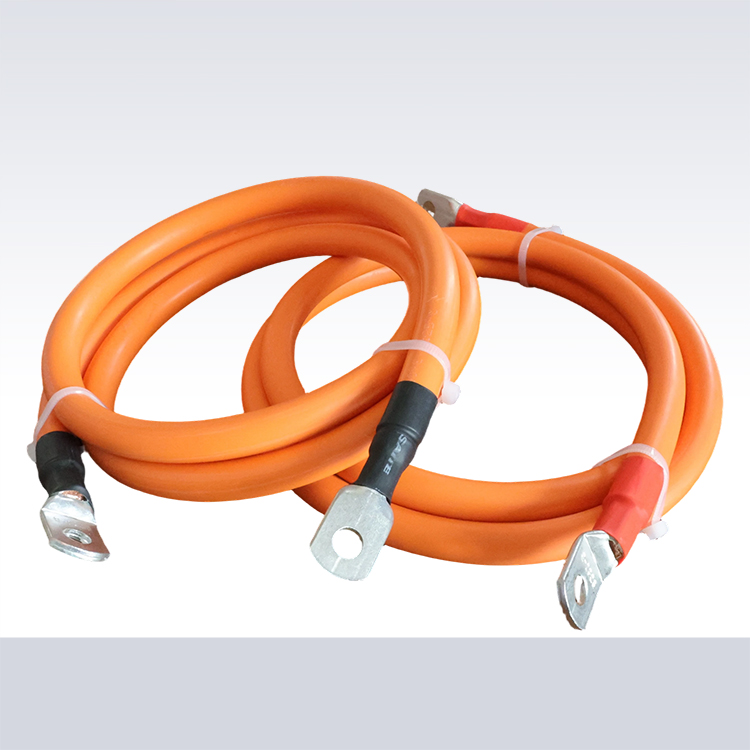
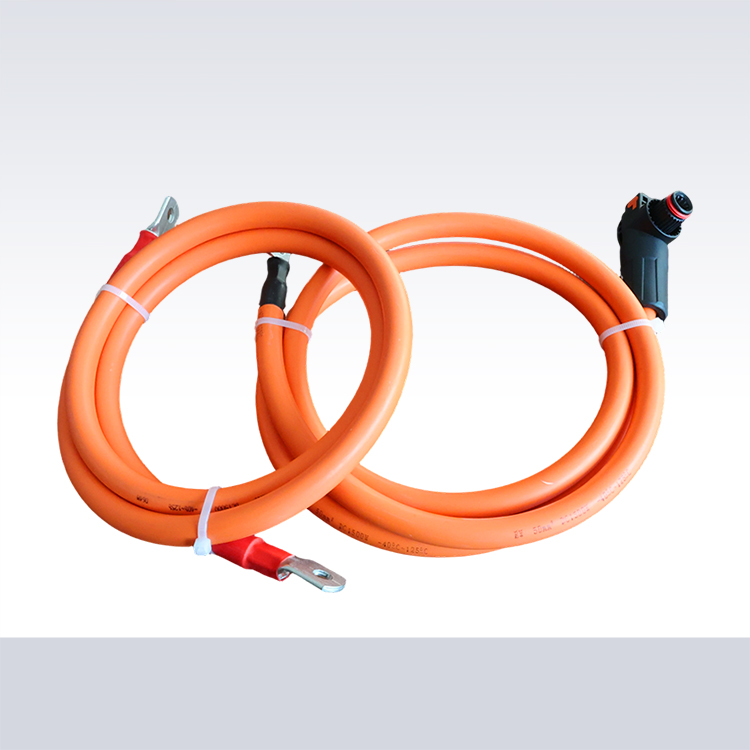
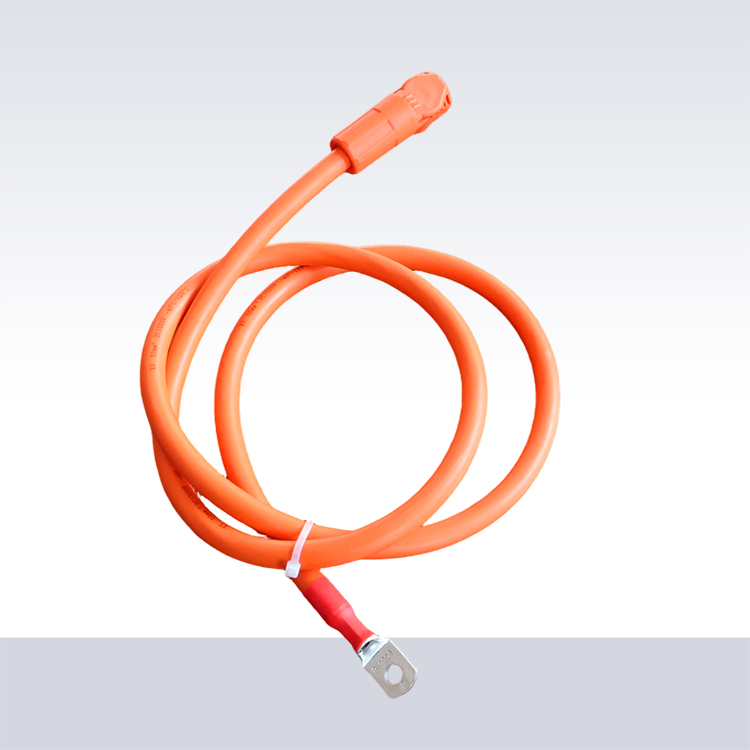
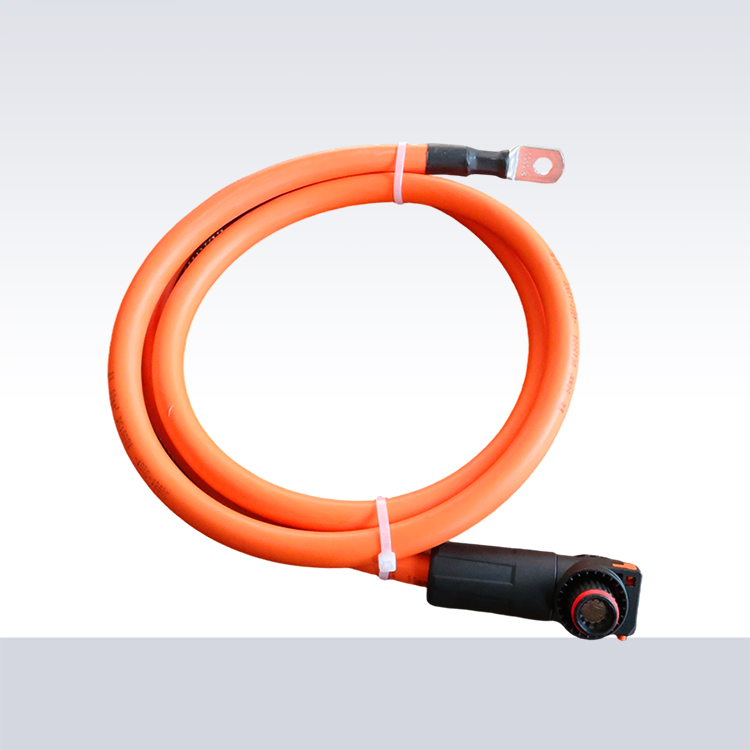
Solar panel cable installation may appear straightforward at first glance, yet the smallest wiring decision can influence system reliability for decades. For project developers, EPC teams, and solar installers, choosing and installing the right Solar panel cable is as important as selecting the panels or inverters themselves. When sourced from a trustworthy Solar panel cable Manufacturer with proven Production strength, the entire PV array becomes far more resilient, particularly in harsh outdoor environments where UV, humidity, and thermal fluctuations constantly test cable durability.
Below is a practical and technically grounded guide to help ensure your Solar panel cable installation supports clean energy output year after year.
1. Understanding the Role of Solar Panel Cables in System Safety
Every solar array quietly depends on the performance of its wiring. Solar panel cables serve as the system’s electrical pathways, carrying DC power from the modules to the combiner box or inverter. Their insulation, conductor purity, flexibility, and UV resistance directly affect:
·Current-carrying stability
·Heat dissipation
·Long-term safety under fluctuating temperatures
·Protection from arc faults and short circuits
A high-quality Solar panel cable designed specifically for photovoltaic circuits differs sharply from generic electrical wiring, which may degrade prematurely outdoors. This is why many system failures can be traced back to cable selection errors rather than panel or inverter performance.
2. Choosing the Right Solar Panel Cable Type
Selecting the correct cable type lays the foundation for a safe and reliable installation. The following are the most commonly used options:
PV Cable (PV1-F or equivalent)
·Electron-beam crosslinked insulation
·Excellent UV and ozone resistance
·Rated for high temperatures and long outdoor exposure
·Suitable for module interconnections and string wiring
DC Solar Panel Cable for long runs
·Lower resistance for reduced line losses
·Thick insulation for higher voltage applications
·Enhanced moisture protection underground or in conduits
Flexible Solar panel cable for complex layouts
·Ideal for tight spaces or trackers
·Reduces mechanical stress on connectors and junction boxes
When sourcing, prioritize suppliers who demonstrate real Production scale and strict quality control, ensuring consistent insulation thickness, conductor purity, and certified ratings.
3. Cable Sizing: Avoiding Overheating and Efficiency Losses
Undersized cables are among the most common installation mistakes. They increase resistance, raise operating temperatures, and invite premature aging. Oversizing, meanwhile, adds unnecessary cost.
To determine the ideal conductor size, consider:
·Maximum short-circuit current (Isc)
·System voltage
·Cable length
·Permissible voltage drop (typically 1–3 percent)
·Local code requirements
With solar arrays expanding in capacity, longer string lengths and higher voltages demand precise sizing calculations based on actual field conditions.
4. Best Practices for Routing and Securing Solar Panel Cables
Cable management shapes both the aesthetic and safety profile of a solar array. A neatly routed wiring system allows for cleaner airflow, faster inspections, and reduced mechanical strain.
Keep cables off the roof surface
Heat accumulation from the roofing material can degrade insulation. Fasten cables beneath the panel frame using UV-resistant clips.
Avoid sharp bends and abrasion points
Tight corners weaken conductor structure over time, while friction points can slowly cut through insulation.
Use proper cable trays for commercial systems
On flat roofs, cable trays prevent exposure to pooled water and allow easier maintenance access.
Group DC and AC circuits separately
This reduces electromagnetic interference and meets most electrical codes.
Cable routing showcases craftsmanship, and the reliability it brings lasts long after installation day.
5. Grounding and Bonding: Critical Safety Layers
Grounding is another non-negotiable element of Solar panel cable installation. Correct grounding dissipates fault currents safely and prevents electric shock, fire hazards, and equipment damage.
Key grounding practices include:
·Bonding metallic frames and racking structures
·Grounding inverter enclosures and combiner boxes
·Using appropriate grounding lugs and copper conductors
·Ensuring corrosion-resistant connections
Most electrical faults in PV installations become dangerous only when grounding is incorrect or inconsistent.
6. Connector Compatibility and Crimp Quality
The relationship between connectors and cables determines whether your system will operate smoothly or suffer from intermittent power loss. Poor connector crimps remain one of the leading causes of arc faults in PV systems.
Best practices:
·Use only manufacturer-approved connectors
·Match connector models to Solar panel cable specifications
·Ensure crimps are performed with calibrated professional tools
·Inspect for loose pins or improper seating
Every connection point represents a potential failure point. Proper crimping and connector selection transform these vulnerabilities into strong links.
7. Routine Inspection and Long-Term Maintenance
Even the best Solar panel cable installation benefits from periodic inspection. Recommended maintenance includes:
Checking for discoloration or cracked insulation
·Confirming that cable ties remain intact and UV resistant
·Ensuring connectors remain watertight
·Verifying grounding continuity
·Inspecting for rodent damage, especially in rural sites
A well-built PV system should provide decades of service, but only if its wiring network stays healthy.
Conclusion: Reliability Begins with the Right Cable and the Right Installation
Whether you're building residential rooftops or utility-scale fields, Solar panel cable installation lies at the heart of long-term system reliability. When you choose Solar panel cable from a dependable Manufacturer with real Production capabilities, you reduce the risks of voltage drops, overheating, insulation failure, and costly downtime. Proper sizing, routing, grounding, and maintenance complete the formula for a safe, efficient, and stable solar installation.
References
Chen, S., Huang, Y., & Yang, W. (2018). Electrical performance and reliability analysis of photovoltaic cables under long-term outdoor environments. Solar Energy, 170, 227–236.