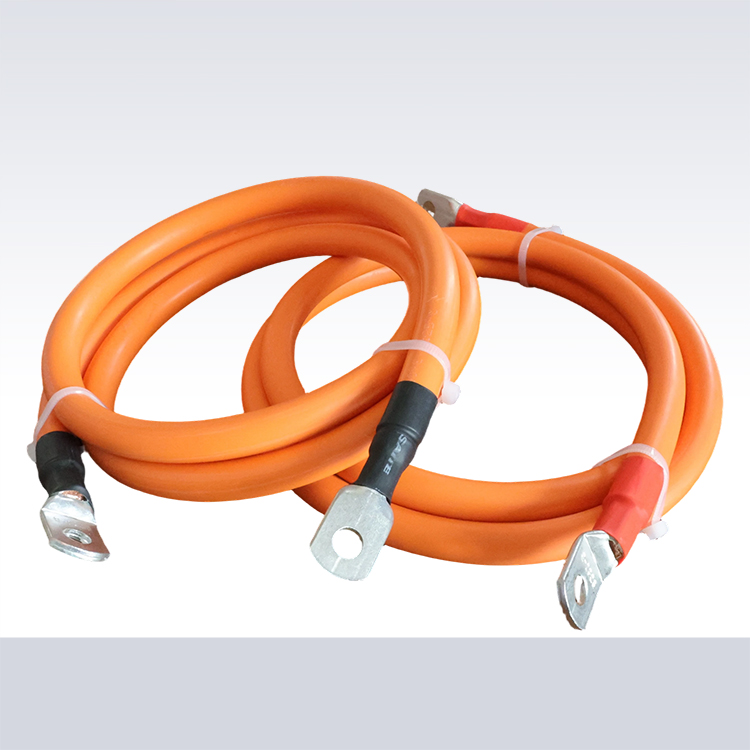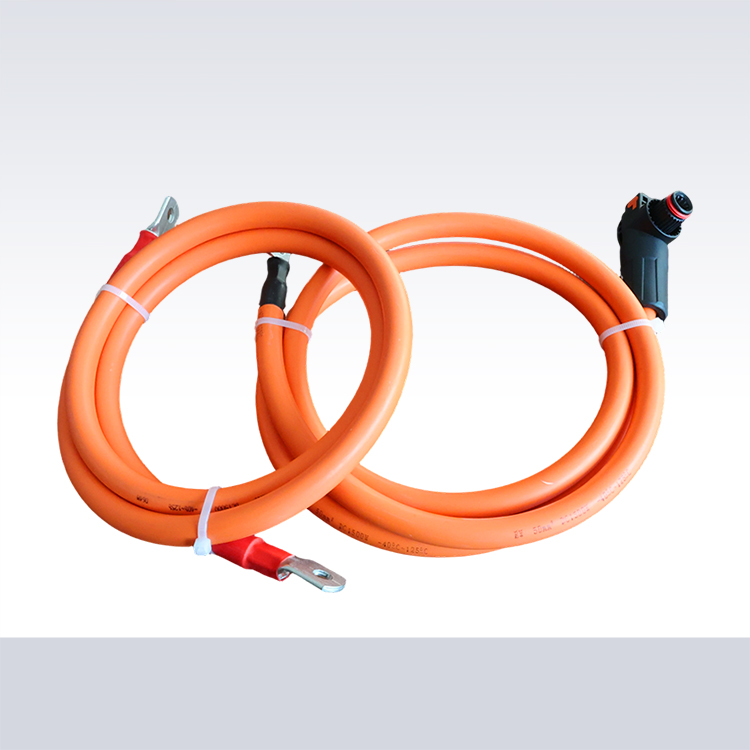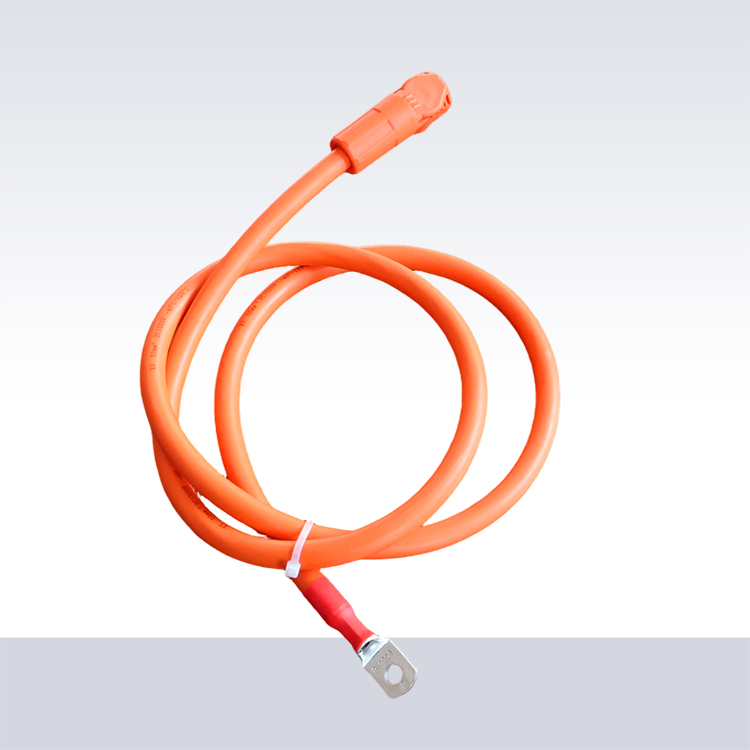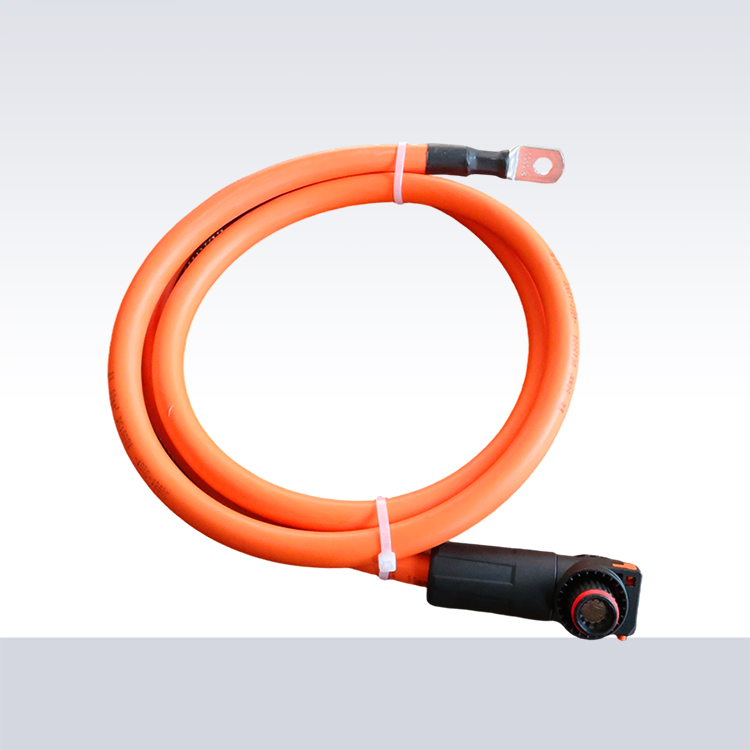


Current location: HOME > BLOGS > Industry Trends >
What Is PV Cable? A Complete Guide for Solar Installers in 2026
time:2026-01-30 10:45:19 author:haoshizai Click:119
Choosing the right PV cable is one of the most important decisions for any solar installer. Whether you work with residential rooftops, C&I plants, or utility-scale solar farms, using reliable PV cable directly affects system efficiency, safety, and long-term durability. As a PV cable manufacturer-level production overview, this guide explains everything you need to know in 2026—specifications, materials, standards, sizing, and installation best practices.
What Is PV Cable?
A PV cable (photovoltaic cable) is a specially designed electrical cable used to connect photovoltaic modules and transfer DC power within solar power systems. Unlike general-purpose electrical wires, PV cables are engineered to withstand harsh outdoor environments for more than 25 years.
Modern PV cable features:
·High UV resistance
·Excellent flame retardancy
·Temperature resistance from –40°C to +120°C
·Anti-abrasion and anti-aging performance
·Double insulation for long-term outdoor exposure
These characteristics make PV cable the backbone of reliable solar installations.
Why PV Cable Matters in Solar Systems
Solar arrays operate in extreme conditions—heat, cold, wind, humidity, and continuous UV radiation. Using improper wiring dramatically increases system risks. High-quality PV cable ensures:
1. Safe & Efficient DC Power Transmission
DC power has stricter requirements on insulation and conductivity. Certified PV cables prevent current leakage, overheating, and efficiency loss.
2. Long-Term Durability for 25+ Years
PV cable insulation compounds are built for decades of outdoor service life, maintaining mechanical and electrical stability.
3. Compliance With Global Standards
Meeting recognized PV cable standards is critical to project acceptance and long-term system safety.
Common PV Cable Standards in 2026
Solar installers should be familiar with the major certifications that ensure cable quality:
● EN 50618 (Europe)
Defines H1Z2Z2-K PV cable structure, cross-sections, insulation materials, and electrical ratings.
● IEC 62930 (International)
Updated global standard for photovoltaic cable, focusing on environmental durability and long-term reliability.
● UL 4703 (North America)
Specifies PV wire requirements for US markets, including flame tests and thermal stability.
● TÜV Certification
Often required for utility-scale projects as additional proof of safety and quality.
Any PV cable you select in 2026 should ideally comply with at least one of these standards.
PV Cable Structure Explained
A typical solar PV cable consists of three main layers:
1. Conductor
·Typically tinned copper
·Enhances corrosion resistance
·Maintains low electrical resistance
2. Insulation Layer
·Cross-linked polyethylene (XLPE or XLPO)
·Provides high dielectric strength and thermal resistance
3. Outer Jacket
·UV-resistant and weather-resistant XLPE
·Protects against abrasion, chemicals, and mechanical damage
This triple system ensures stable performance in demanding solar environments.
Typical PV Cable Sizes and Applications
Different cable sizes support different system needs.
Common PV Cable Sizes
·4mm² – residential rooftops, module connection
·6mm² – medium DC runs
·10mm² – commercial systems
·16mm² and above – long-distance DC collection and combiner box connections
Voltage Ratings
·600/1000V DC
·1500V DC (standard for modern utility-scale solar plants)
The move toward 1500V PV systems in 2026 means installers must choose compatible PV cable to avoid compliance issues.
How to Choose the Right PV Cable (2026 Checklist)
For installers, choosing quality PV cable is as important as selecting modules or inverters. Follow this checklist:
1. Confirm Certification
Ensure your PV cable is certified under IEC 62930, EN 50618, or UL 4703.
2. Check Conductor Material
Tinned copper is preferred for long-term outdoor exposure.
3. Choose Correct Cable Size
Match current, voltage, and distance to reduce power loss.
4. Inspect Insulation Quality
Look for XLPE/XLPO materials with high temperature ratings.
5. Ensure Flexibility for Installation
Cables should tolerate bending and routing through tight photovoltaic layouts.
6. Verify Temperature & UV Resistance
Essential for roofs and ground-mounted plants.
Installation Tips for PV Cable
● Avoid Tight Bending
Exceeding the bending radius may damage insulation.
● Keep Cable Away from Sharp Edges
Protect cable routes with conduits or cable ties.
● Use Proper PV Cable Connectors
Weather-resistant MC4-type connectors ensure secure DC links.
● Maintain Consistent Polarity
Label cables and follow system diagrams carefully.
● Plan for Drainage & Ventilation
Avoid long cable sections submerged in water or trapped in enclosed hot spaces.
Trends in PV Cable for 2026
As solar systems scale up, PV cable technology also evolves:
·Higher-voltage tolerance (1500V systems standardization)
·Halogen-free and environmentally friendly materials
·Improved insulation for desert and tropical climates
·Faster mass-production lines from PV cable manufacturer facilities
This ensures solar installers have access to safer, more efficient wiring solutions.
Conclusion: PV Cable Is the Foundation of Every Solar Project
In 2026, using the right PV cable is essential for system performance, safety, and compliance. Installers should always prioritize certified, durable, and well-engineered photovoltaic wiring. As this guide shows—from structure to standards to installation—understanding PV cable fundamentals is the key to building reliable solar systems.
Whether you're planning residential rooftops or large renewable energy plants, choosing PV cable from a trusted source with real manufacturer-level production capacity and bulk supply capability ensures long-term success for every solar project.
References
Bureau, G., Michon, U., Guillermin, N., Richard, F., & Dubarry, M. (2018). Study of photovoltaic DC cable degradation under accelerated aging conditions.Solar Energy Materials and Solar Cells, 185, 99–106.