

Current location: HOME > BLOGS > Frequently Asked Questions >
What Is a New Energy Vehicle Wiring Harness and Why It Matters
time:2026-05-08 07:51:49 author:haoshizai Click:128
As the global automotive sector undergoes a rapid transition toward electrification, new energy vehicles (NEVs)—encompassing electric vehicles (EVs), plug-in hybrid electric vehicles (PHEVs), and fuel-cell vehicles (FCVs)—are gradually becoming the mainstream choice for consumers and manufacturers alike. While the performance, safety, and intelligence of these vehicles often take the spotlight, there is a crucial yet frequently overlooked component that underpins their operation: the new energy vehicle wiring harness. But what exactly is this component, and why does it hold such significance in the functioning of NEVs?
What Is a New Energy Vehicle Wiring Harness?
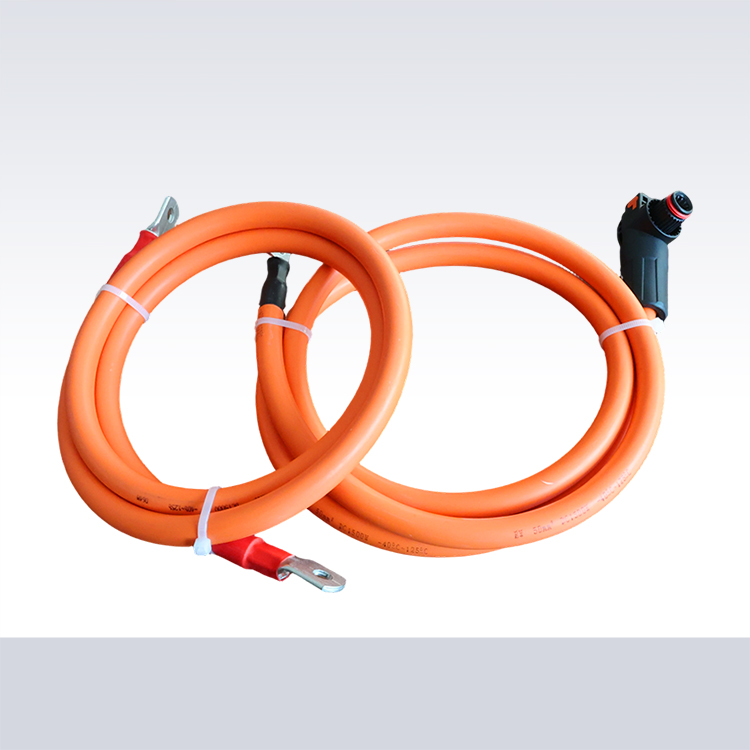
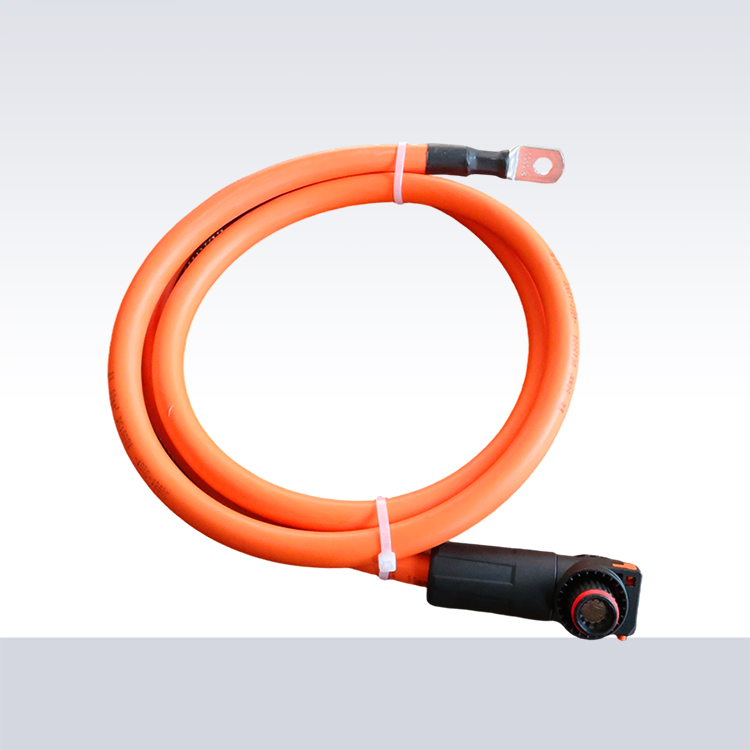
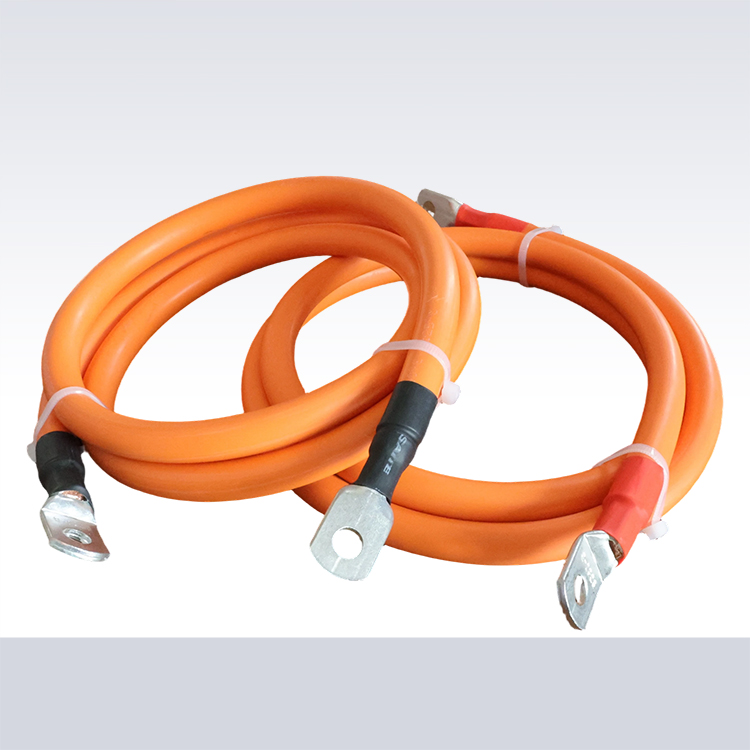
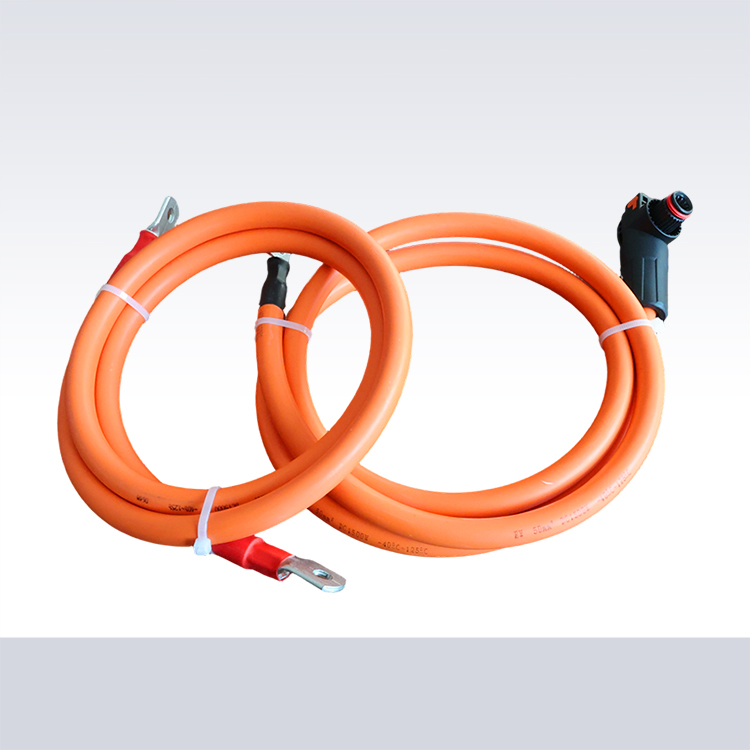
A wiring harness for new energy vehicles refers to an organized assembly of electrical cables, connectors, terminals, and protective components, specifically designed to transmit electrical power and signals across the entire NEV. Unlike traditional gasoline-powered vehicles, NEVs depend heavily on electrical systems to power their core functions—from the battery and motor to advanced control units. This reliance means that the wiring harnesses in NEVs are far more intricate, sensitive, and vital to the overall performance and safety of the vehicle compared to those in conventional cars. Put simply, the NEV wiring harness serves as the “nervous system” of the electric vehicle, linking and regulating every key component to ensure seamless coordination.
Key Components of a NEV Wiring Harness
A standard NEV wiring harness comprises several essential parts, each playing a unique role in its operation:
High-voltage cables: Responsible for transmitting power between the battery, motor, and inverter—core components of the NEV’s powertrain.
Low-voltage signal wires: Facilitate communication between sensors, electronic control units (ECUs), and various communication systems within the vehicle.
Connectors and terminals: Ensure secure, stable connections between different parts of the wiring harness, preventing signal or power loss.
Protective sleeves and conduits: Provide insulation, heat resistance, and protection against wear and tear, ensuring the harness’s durability in harsh vehicle environments.
Fuses and relays: Act as safety mechanisms to protect circuits from overcurrent, short circuits, and other electrical faults.
Every component must be precision-engineered to withstand high electrical loads while upholding strict safety and stability standards.
How Does It Differ from Traditional Vehicle Wiring?
Compared to the wiring systems used in conventional gasoline-powered vehicles, NEV wiring harnesses have several distinct characteristics that set them apart:
1. Higher Voltage Requirements
NEVs typically operate on electrical systems ranging from 300V to 800V, a significant jump from the much lower voltage systems found in traditional vehicles.
2. Greater Complexity
NEV wiring harnesses integrate a wider range of electronic systems, including battery management systems (BMS), advanced driver assistance systems (ADAS), and infotainment systems, making their design and layout far more complex.
3. Stricter Safety Standards
Due to the high-voltage nature of NEV systems, the requirements for insulation, shielding, and fire resistance are far more rigorous than those for traditional vehicle wiring, minimizing the risk of electrical hazards.
4. Lightweight Design Prioritization
To enhance the driving range of NEVs, manufacturers focus on developing lightweight wiring harnesses without compromising their durability and performance—every gram saved contributes to improved energy efficiency.
Why NEV Wiring Harnesses Are Indispensable
1. Guarantees Vehicle Safety
A well-designed wiring harness prevents short circuits, overheating, and electrical malfunctions—all of which are critical risks in high-voltage EV systems. It acts as a first line of defense against potential safety hazards.
2. Supports Optimal Vehicle Performance
Stable and efficient electrical transmission ensures that the motor, battery, and onboard electronic devices operate smoothly, directly influencing the vehicle’s acceleration, power output, and overall performance.
3. Enables Smart Vehicle Features
Modern NEVs rely on their wiring harnesses to support a range of smart technologies, including:
Autonomous driving capabilities
Intelligent dashboards and human-machine interfaces (HMIs)
Internet connectivity and cloud services
Real-time battery monitoring systems
4. Affects Driving Range
Efficient wiring reduces energy loss during power transmission, which directly translates to a longer driving range—one of the key concerns for NEV consumers.
5. Boosts Manufacturing Efficiency
Standardized wiring harness designs help automakers streamline their production processes, reduce assembly time, and lower manufacturing costs, supporting the large-scale production of NEVs.
Materials Used in NEV Wiring Harnesses
To meet the strict standards of the automotive industry, manufacturers use specialized materials for NEV wiring harnesses, including:
Copper or aluminum conductors: Selected for their high electrical conductivity, ensuring efficient power and signal transmission.
Cross-linked polyethylene (XLPE) insulation: Offers excellent heat resistance and insulation properties, suitable for high-voltage environments.
Flame-retardant materials: Comply with safety regulations, reducing the risk of fire in the event of electrical faults.
Shielding layers: Minimize electromagnetic interference (EMI), preventing disruptions to sensitive electronic systems.
These materials ensure that the wiring harness can withstand extreme driving conditions—such as high temperatures, vibrations, and moisture—for the lifetime of the vehicle.
Applications of NEV Wiring Harnesses
NEV wiring harnesses are integral to nearly every core system of the vehicle, including:
Battery pack connections (linking individual battery cells and modules)
Electric drive motors (transmitting power from the battery to the motor)
Power distribution systems (regulating power flow to various vehicle components)
Charging systems (enabling AC/DC charging and power conversion)
Vehicle control units (ECUs, BMS, and ADAS controllers)
Lighting and infotainment systems
Without a reliable wiring harness, none of these critical systems can function properly, rendering the NEV inoperable.
Future Trends in NEV Wiring Harness Technology
As EV technology continues to evolve, wiring harness systems are also advancing to meet new demands, with key trends including:
High-voltage integration: The shift toward 800V+ electrical systems, which enable faster charging and improved energy efficiency.
Lightweight aluminum wiring: Replacing traditional copper wiring in some applications to further reduce vehicle weight.
Modular and plug-and-play designs: Simplifying assembly, maintenance, and upgrades, while reducing production costs.
Smart diagnostics and sensors: Integrating sensors into the wiring harness to monitor performance, detect faults, and enable predictive maintenance.
Increased manufacturing automation: Using robotic systems to assemble wiring harnesses, improving precision and efficiency.
These innovations are aimed at making NEVs safer, lighter, more efficient, and more cost-effective for both manufacturers and consumers.
Conclusion
The new energy vehicle wiring harness is far more than a simple collection of wires—it is the backbone of modern electric vehicles. It ensures the safety of high-voltage systems, enables the smart features that define modern NEVs, and directly impacts the vehicle’s performance, efficiency, and driving range. As NEVs continue to gain traction worldwide, the development of advanced, reliable wiring harness systems will become increasingly important, driving innovation in automotive electrical engineering and supporting the global transition to sustainable transportation.
References
GB/T 7714: A Systematic Review of Automotive Wiring Harness Innovations[C]. SAE Brasil 2023 Congress
MLA: System Dynamics Modeling and Multicriteria Analysis Methods for Selecting Scenarios in a Harness Assembling Plan
APA: The Five Transformations and Future Opportunities of the Automotive Wiring Harness Industry in the Electric Vehicle Era