

Current location: HOME > BLOGS > Frequently Asked Questions >
New Energy Vehicle Wiring Harness Design: Key Components Explained
time:2026-05-11 07:54:21 author:haoshizai Click:191
As new energy vehicles (NEVs) keep advancing, their electrical architecture is becoming more sophisticated and intricate. At the core of this electrical system is the new energy vehicle wiring harness—a key structure tasked with power distribution, signal transmission, and system integration. Grasping its design principles and the components that enable its operation helps clarify why it is so indispensable to the performance, safety, and intelligence of modern electric vehicles.

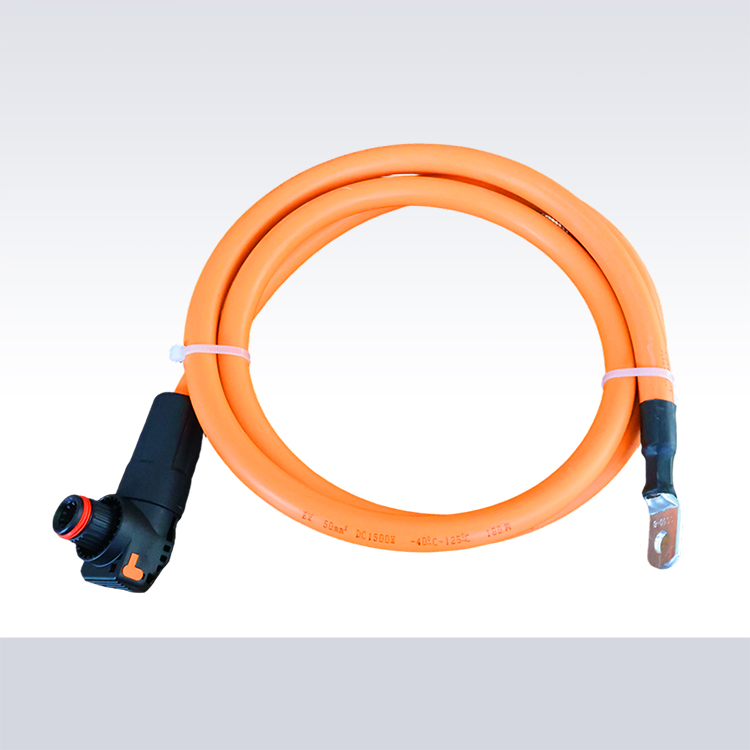
What Is New Energy Vehicle Wiring Harness Design?
The design of a NEV wiring harness refers to the engineering process of planning, organizing, and integrating electrical wires, connectors, and protection systems within an electric vehicle. Different from traditional automotive wiring, the design of NEV wiring harnesses must cope with several unique challenges:
High-voltage power systems (transferring electricity from the battery to the motor)
Complex electronic control networks
Stringent safety and insulation standards
Lightweight and space-efficient layouts
A well-designed wiring harness guarantees efficient communication and operation of every electrical component in the vehicle.
Key Components of a NEV Wiring Harness
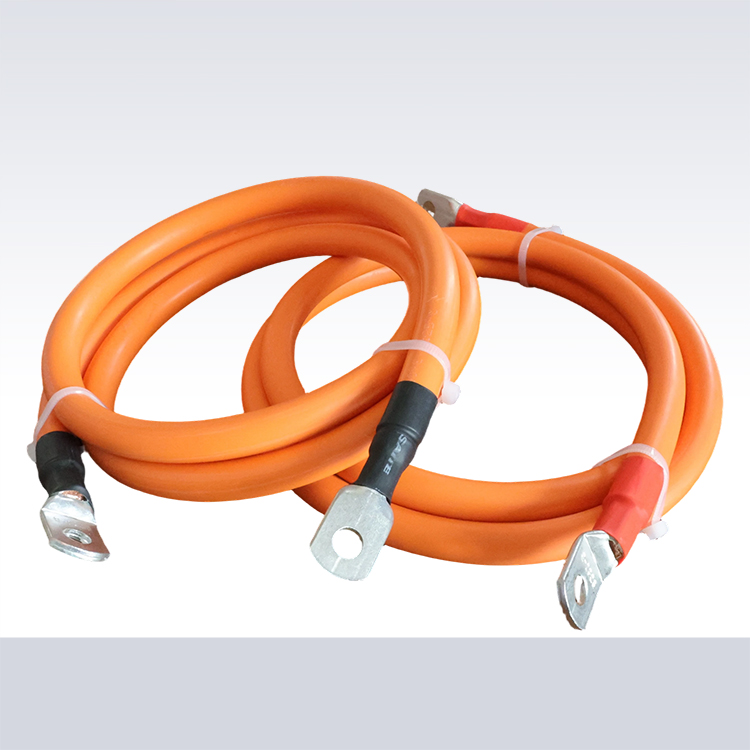
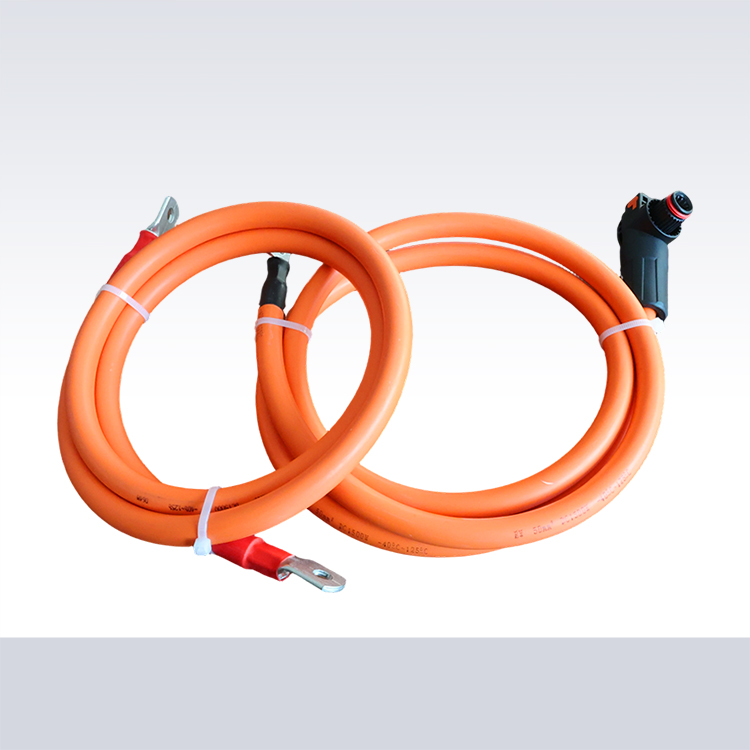
1. High-Voltage Power Cables
High-voltage power cables are responsible for delivering electricity from the battery pack to key vehicle systems, such as:
Electric drive motors
Inverters
Charging units
These cables are engineered with thick insulation, heat-resistant materials, and robust shielding to ensure safety under high-voltage operating conditions.
2. Low-Voltage Signal Wires
While high-voltage cables handle power transmission, low-voltage signal wires are responsible for carrying communication signals between various systems, including:
Battery management systems (BMS)
Sensors and controllers
Dashboard and infotainment units
These wires ensure the accurate transmission of data required for the intelligent operation of the vehicle.
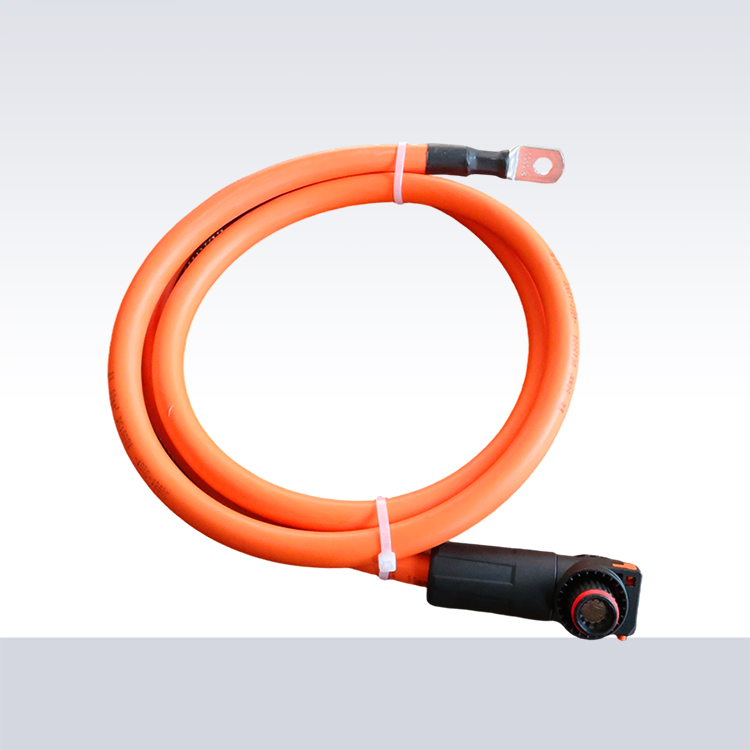
3. Connectors and Terminals
Connectors play a vital role in joining different parts of the wiring system. In NEVs, they must meet the following requirements:
Maintain stable electrical contact
Resist vibration and corrosion
Comply with high-voltage safety standards
A proper connector design is essential to avoid signal loss and system malfunctions.
4. Protective Sleeves and Conduits
Protective materials are used to shield the wiring from various external factors, including:
Heat and fluctuations in engine temperature
Mechanical wear and abrasion
Moisture, dust, and chemicals
Common protective materials include flame-retardant tubing, corrugated pipes, and braided sleeves.
5. Grounding System
The grounding system ensures electrical safety by providing a controlled path for excess current. Its key functions include:
Preventing electrical shocks
Reducing electromagnetic interference (EMI)
Stabilizing system voltage
A robust grounding design is particularly critical for high-voltage NEVs.
6. Fuses and Relay Units
Fuses and relays serve as protective control devices in the wiring harness system:
Fuses protect circuits from overloads or short circuits
Relays control high-current circuits using low-current signals
These components are indispensable for ensuring the safety and reliability of the vehicle.
Design Considerations for NEV Wiring Harnesses
1. High Voltage Safety
Designers must ensure adequate insulation distance, effective shielding, and reliable fault protection to avoid electrical hazards.
2. Thermal Management
Electric vehicles generate considerable heat, especially around the battery and motor. Wiring harnesses must be able to withstand high temperatures without any loss of performance.
3. Lightweight Structure
Reducing vehicle weight is crucial for extending driving range. Engineers often adopt aluminum conductors and optimized routing layouts to achieve this goal.
4. Electromagnetic Compatibility (EMC)
Proper shielding and grounding help reduce interference between electronic systems, ensuring stable communication and operation.
5. Space Optimization
Modern EVs have limited space, requiring compact design layouts. Efficient wiring routing not only saves space but also simplifies assembly and maintenance.
How Wiring Harness Design Impacts NEV Performance
A well-engineered wiring harness directly influences various aspects of NEV performance:
Driving safety: Preventing electrical faults and system failures
Energy efficiency: Reducing power loss during transmission
System reliability: Ensuring stable communication between modules
Driving range: Minimizing electrical resistance to improve battery utilization
Smart functionality: Enabling advanced driver assistance systems (ADAS), connectivity, and automation
In short, a better wiring harness design translates to better overall vehicle performance.
Future Trends in NEV Wiring Harness Design
The NEV wiring harness industry is moving toward more advanced solutions, including:
Integrated modular harness systems
High-voltage 800V architectures
Lightweight aluminum and hybrid cables
Smart diagnostic wiring systems
Automated harness assembly technologies
These innovations are aimed at enhancing safety, improving efficiency, and accelerating manufacturing speed.
Conclusion
The design of new energy vehicle wiring harnesses is a critical foundation of modern electric vehicle engineering. Every component—from high-voltage cables and connectors to protection systems—plays a vital role in ensuring the safety, performance, and intelligent functionality of NEVs. As NEVs continue to evolve, wiring harness design will become even more important in shaping the future of electric mobility.
References
GB/T 7714: A Systematic Review of Automotive Wiring Harness Innovations[C]. SAE Brasil 2023 Congress
MLA:The Five Transformations and Future Opportunities of the Automotive Wiring Harness Industry in the Electric Vehicle Era[J]
APA:Review of Current Status and Future Directions for Collaborative and Semi-Automated Automotive Wire Harnesses Assembly