

Current location: HOME > BLOGS > Frequently Asked Questions >
Anti-Aging Photovoltaic Cable: Enhancing Durability in Solar Power Systems
time:2026-05-05 07:39:17 author:haoshizai Click:154
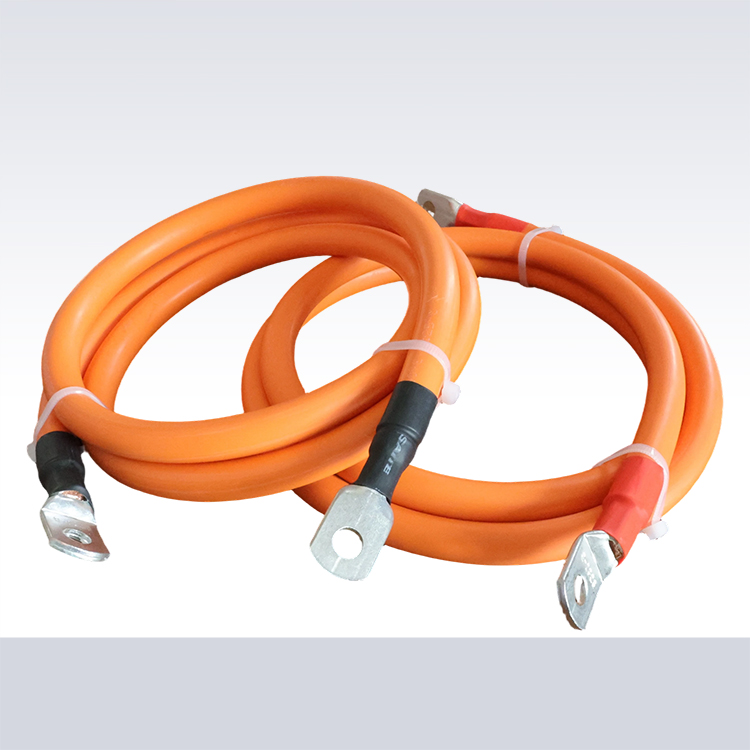
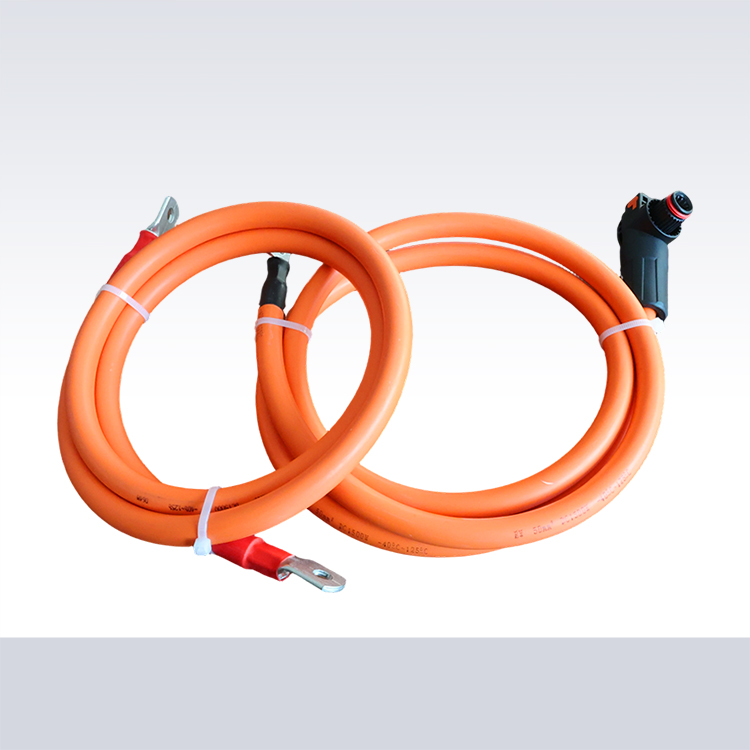
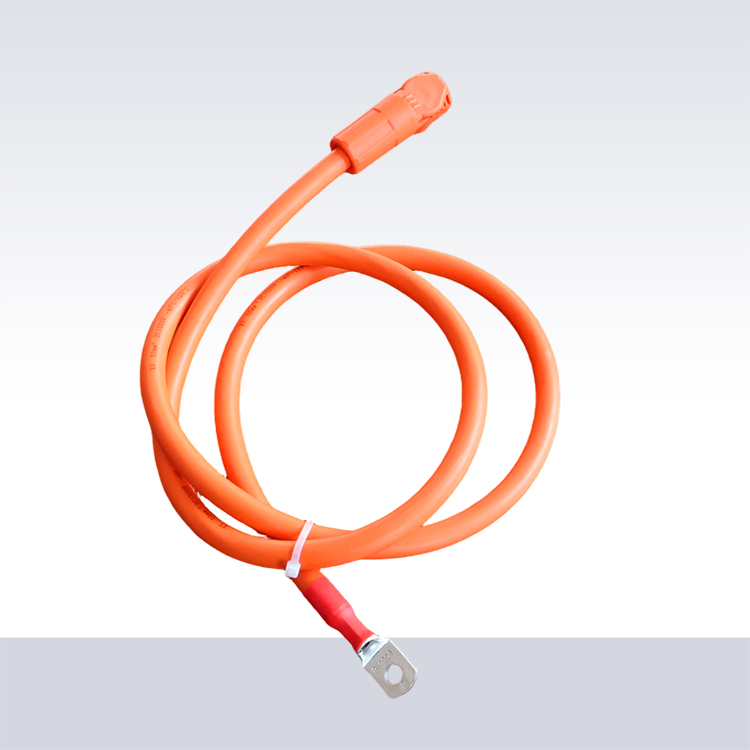
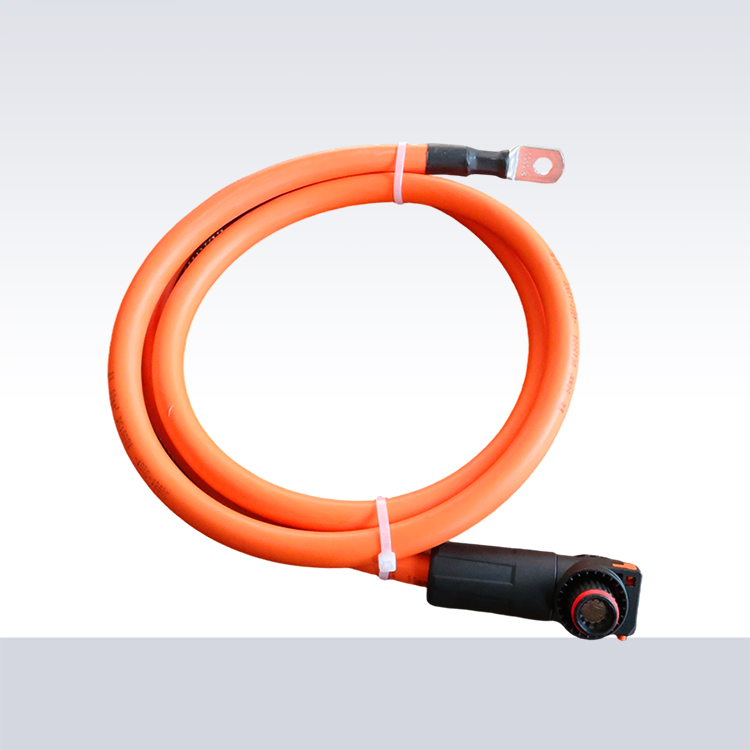
As the global demand for renewable energy keeps rising, solar power systems are being installed in increasingly diverse and harsh environments. While solar panels and inverters often take center stage, the significance of high-quality cables—particularly anti-aging photovoltaic cables—should not be neglected. These specialized cables are engineered to withstand long-term environmental stress, ensuring the stability, safety, and performance of the system for decades.
What Is an Anti-Aging Photovoltaic Cable?
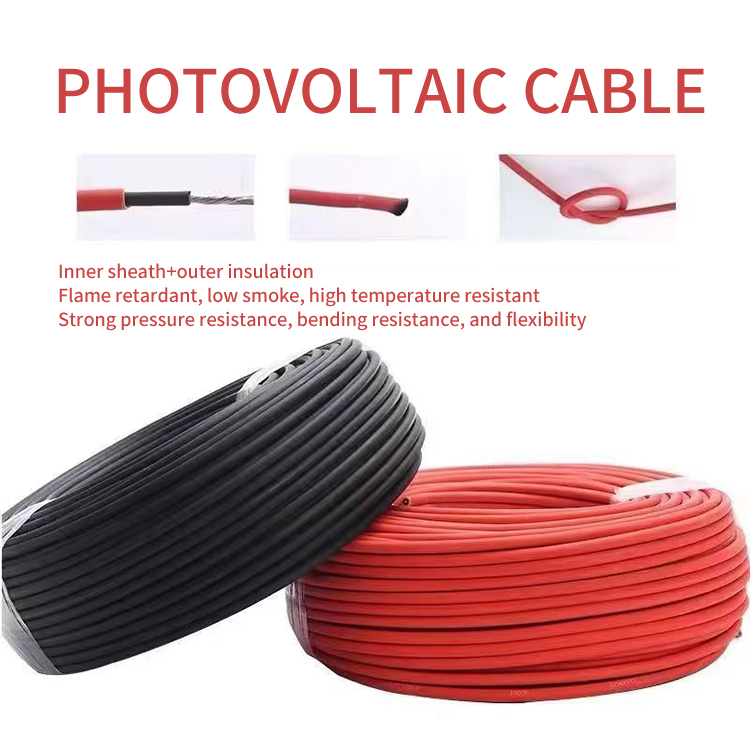
An anti-aging photovoltaic cable is a special type of solar cable designed specifically to resist degradation caused by environmental factors like ultraviolet (UV) radiation, heat, moisture, and mechanical wear. Unlike regular cables, these cables are produced using advanced insulation and sheath materials that slow down the aging process, maintaining electrical integrity and flexibility over time. These cables are widely applied in photovoltaic systems to connect solar modules, inverters, and other key components, especially in outdoor installations where exposure conditions are severe.
Why Anti-Aging Performance Matters
Solar power systems are generally expected to operate efficiently for 25 years or longer. During this period, cables are constantly exposed to sunlight, temperature changes, and environmental pollutants. Ordinary cables may crack, harden, or lose insulation performance over time, resulting in:
Increased energy loss
Higher maintenance expenses
Safety hazards such as short circuits or fires
Anti-aging photovoltaic cables are designed to minimize these risks by maintaining stable performance throughout their service life.
Key Features of Anti-Aging Photovoltaic Cables
1. UV Resistance
One of the most crucial features is strong resistance to UV radiation. Long-term sun exposure can break down the materials of ordinary cables, but anti-aging cables adopt UV-stabilized compounds to prevent degradation and extend their service life.
2. High Temperature Resistance
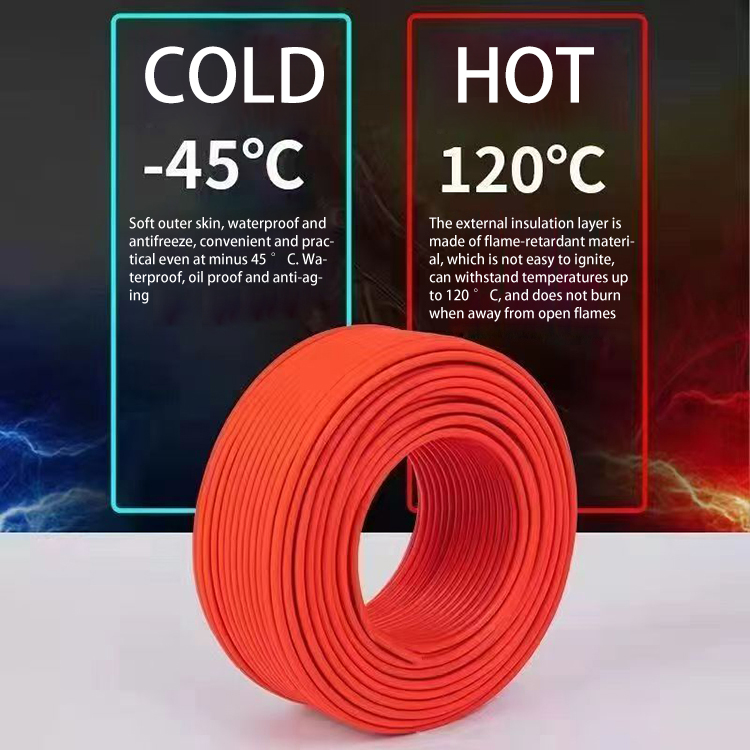
Solar installations often encounter high operating temperatures, especially in desert or rooftop environments. Anti-aging cables are usually rated for a wide temperature range (for example, -40°C to +90°C or higher), ensuring reliable performance under extreme conditions.
3. Excellent Insulation Materials
Advanced insulation materials such as cross-linked polyethylene (XLPE) or electron-beam cross-linked compounds offer outstanding thermal stability, electrical insulation, and resistance to environmental stress cracking.
4. Moisture and Chemical Resistance
These cables are designed to resist water intrusion, humidity, and chemical exposure, making them suitable for coastal, industrial, and agricultural environments.
5. Mechanical Strength and Flexibility
Anti-aging photovoltaic cables remain flexible even after years of use, reducing the risk of cracking during installation or operation. Their robust structure also provides resistance to abrasion and mechanical impact.
Applications in Solar Power Systems
Anti-aging photovoltaic cables are used in various parts of solar installations, including:
Connecting solar panels in string configurations
Linking panels to inverters
Ground-mounted and rooftop solar systems
Utility-scale solar farms
They are particularly valuable in installations exposed to intense sunlight, sandstorms, salt spray, or industrial pollutants.
How to Choose the Right Anti-Aging Photovoltaic Cable
When selecting an anti-aging solar cable, take the following factors into consideration:
Certification: Ensure compliance with standards such as TÜV, UL, or IEC
Voltage Rating: Match the cable’s rating with the system’s requirements
Cable Size: Select the appropriate cross-section to reduce voltage drop
Environmental Suitability: Choose cables designed for specific conditions (e.g., high UV exposure, coastal areas)
Material Quality: Opt for proven insulation and sheath materials
Cooperating with reputable manufacturers can also help guarantee product reliability and consistency.
Benefits of Using Anti-Aging Photovoltaic Cables
Investing in anti-aging cables brings several long-term advantages:
Extended system service life
Reduced maintenance and replacement costs
Improved safety and reliability
Enhanced overall system efficiency
Despite a potentially higher upfront cost, these benefits make them a cost-effective solution.
Common Mistakes to Avoid
To maximize performance, avoid the following common mistakes:
Using standard cables in outdoor solar applications
Ignoring environmental conditions during selection
Choosing low-cost, uncertified products
Improper installation leading to mechanical stress
Proper planning and installation are just as important as cable quality.
Conclusion
Anti-aging photovoltaic cables play a vital role in ensuring the durability and efficiency of solar power systems. By resisting environmental degradation and maintaining stable electrical performance, they help protect your investment and ensure consistent energy generation over the long term. As solar technology continues to develop, choosing high-performance components like anti-aging cables is essential for building reliable and future-proof energy systems.
References
GB/T 7714:Analysis of Photovoltaic Cable Degradation and Fire Precursor Signals for Optimizing Integrated Power Grids. Energies
MLA: Compliance of Photovoltaic Cables with International Standards (TÜV, IEC 62930, UL 4703). Journal of Electrical Engineering & Technology
APA:Influence of Insulation Materials on PV Cable Lifespan and Energy Transmission Efficiency. Solar Energy Materials and Solar Cells