

Current location: HOME > BLOGS > Frequently Asked Questions >
Custom EV Wiring Assembly Design, Manufacturing & Quality Standards
time:2026-03-21 01:31:18 author:haoshizai Click:174
In the rapidly growing electric vehicle (EV) sector, standard wiring components often cannot satisfy the specialized requirements of modern vehicle platforms. Differences in voltage systems, installation space, performance targets, and safety regulations mean that off-the-shelf wiring harnesses rarely provide the optimal solution.
As a result, custom EV wiring assemblies have become increasingly important for OEM manufacturers, EV startups, and commercial vehicle producers. Unlike conventional harnesses, custom assemblies are engineered according to precise specifications—including voltage architecture, routing layout, environmental resistance, and regulatory standards.
Our custom EV wiring solutions are developed to address these critical challenges by combining advanced engineering, controlled manufacturing processes, and strict quality management. This ensures that every assembly delivers high reliability, optimal performance, and long-term durability.
This article outlines the essential aspects of custom EV wiring assembly development, including design principles, manufacturing processes, and quality verification standards that define a dependable and high-performance product.
1. Engineering Design of Custom EV Wiring Assemblies
A reliable EV wiring assembly begins with professional engineering design. Experienced design teams collaborate closely with customers to transform vehicle requirements into optimized wiring solutions.
From initial consultation to final validation, our engineering specialists work with clients to ensure that every custom wiring assembly precisely matches the specifications of the vehicle platform.
Voltage and Current Compatibility
Electric vehicles operate with both low-voltage systems (12V/24V) and high-voltage architectures (400V–800V or higher). Proper conductor sizing, insulation thickness, and current capacity must be carefully calculated during the design phase to prevent overheating and energy loss.
Our custom wiring assemblies are engineered with optimized conductor materials and cross-sections, ensuring efficient power transmission while improving overall energy efficiency and driving range.
Space Utilization and Routing Optimization
Vehicle platforms often provide limited installation space. Engineers design wiring routes according to the vehicle chassis layout to avoid sharp edges, moving components, and high-temperature zones.
Using advanced 3D design and routing simulation, our engineers create compact harness layouts that minimize installation complexity while reducing overall vehicle weight.
Electromagnetic Compatibility (EMC)
Electric drive systems generate significant electromagnetic interference (EMI), which can affect signal transmission and electronic components.
To address this challenge, custom wiring assemblies incorporate shielding technologies such as braided shielding layers, aluminum foil barriers, and twisted-pair structures to ensure stable electrical signals and compliance with automotive EMC standards.
Connector and Terminal Selection
Choosing the right connectors is critical for reliability. Factors such as voltage rating, sealing requirements, temperature resistance, and mechanical durability must be considered.
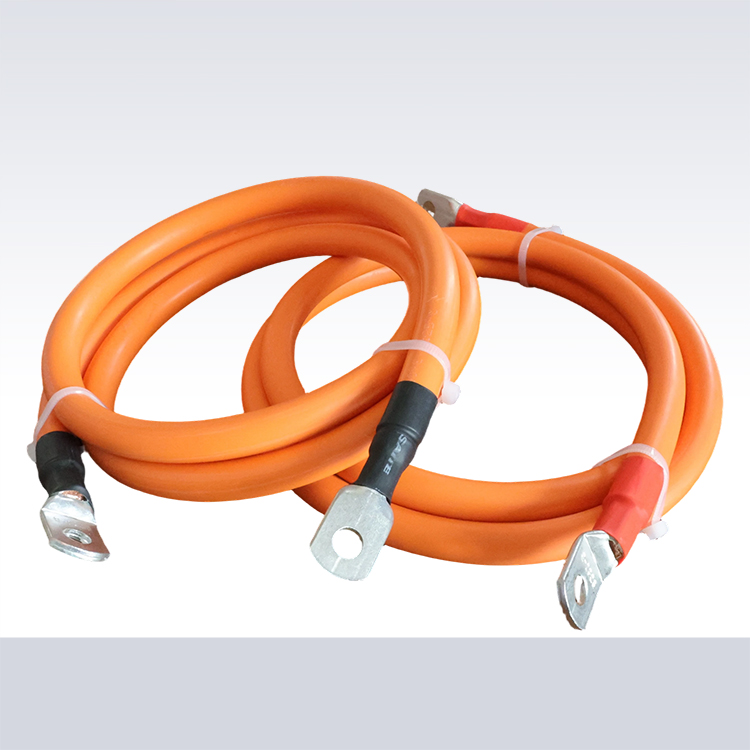
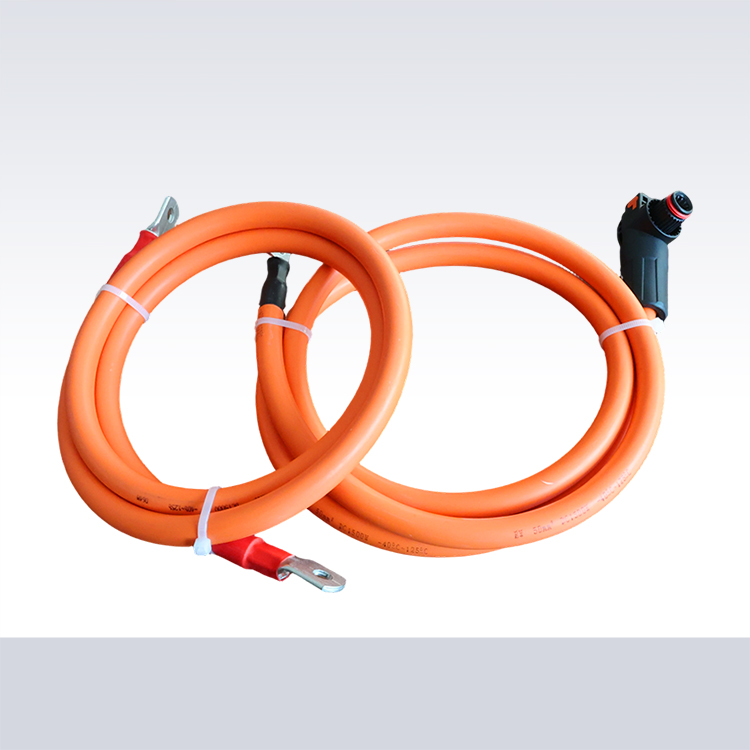
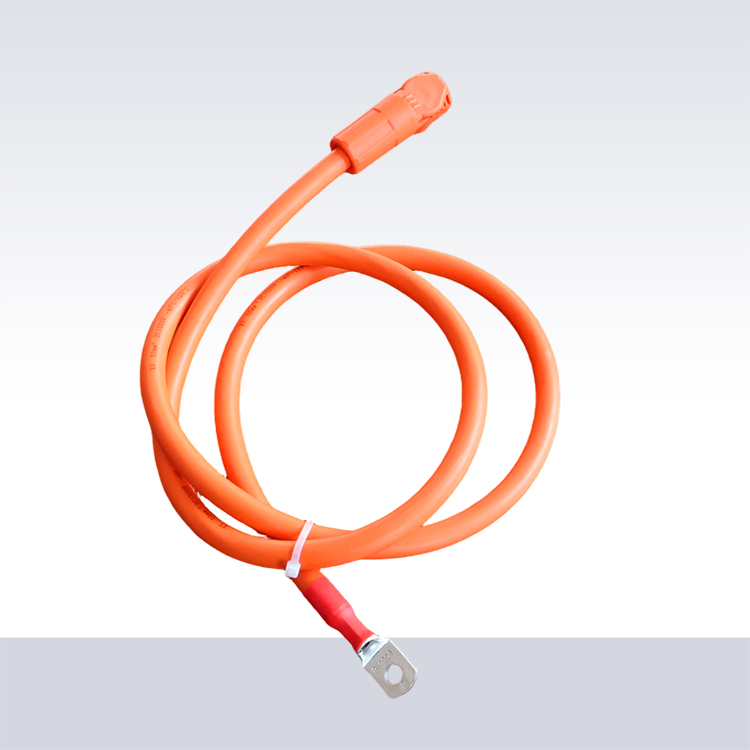
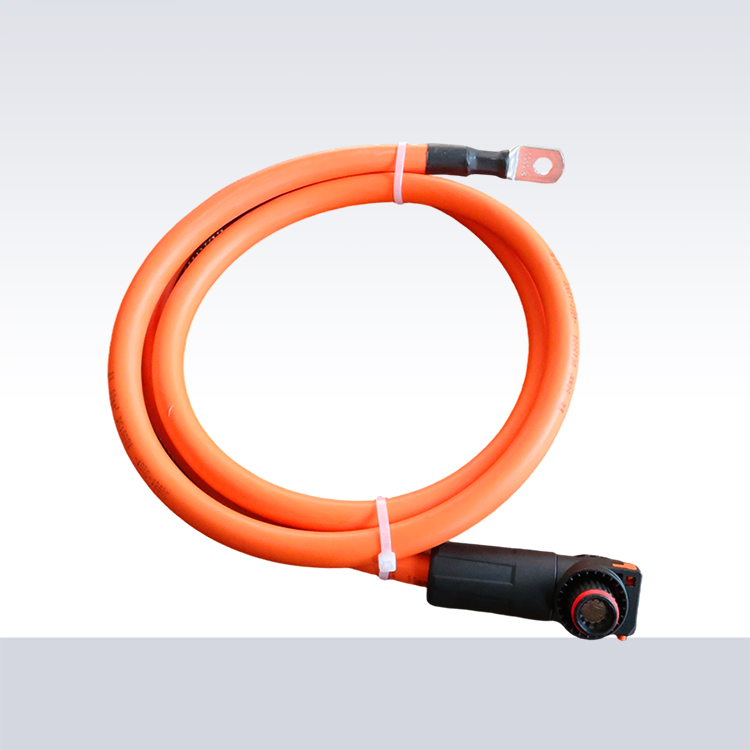
Our custom assemblies utilize high-quality automotive connectors featuring IP67/IP69K waterproof protection, high-temperature resistance, and secure locking mechanisms for long-term durability.
Safety and Regulatory Compliance
Safety integration is a fundamental part of EV wiring design. Features such as HVIL (High-Voltage Interlock Loop), insulation monitoring, and flame-retardant materials are implemented to ensure compliance with international standards including ISO 6722, IEC 62196, and UL 3173.
2. Manufacturing Process of Custom EV Wiring Assemblies
While design defines the blueprint, consistent manufacturing ensures that every wiring assembly meets the intended specifications. Reliable suppliers maintain strict process control from raw material preparation to final product packaging.
Our production facilities implement advanced automation equipment and standardized procedures to guarantee precision and repeatability across every batch.
Precision Wire Cutting and Stripping
Automatic cutting and stripping machines ensure consistent wire lengths and precise insulation removal. This eliminates conductor damage and ensures dimensional accuracy for each wire used in the assembly.
Terminal Crimping Technology
High-precision servo crimping systems are used to achieve stable electrical connections with minimal resistance. Real-time monitoring of crimp force and torque ensures each connection meets strict quality requirements.
Component Installation
During assembly, connectors, seals, protective sleeves, clips, and shielding materials are installed based on engineering documentation. Skilled technicians follow detailed assembly procedures to guarantee correct component placement.
Harness Layout and Forming
Each wiring assembly is built on specialized assembly boards designed specifically for the project. This ensures accurate routing, correct bending angles, and consistent harness geometry across production batches.
Insulation and Environmental Protection
To improve environmental resistance, assemblies are treated with heat-shrink tubing, sealing gaskets, and potting materials. These processes enhance protection against water, dust, and temperature fluctuations while achieving IP67/IP69K protection levels.
3. Quality Testing and Industry Standards
Automotive wiring assemblies must perform reliably under demanding conditions. Therefore, strict quality verification and testing procedures are essential.
Our production process includes comprehensive testing to ensure every assembly meets automotive-grade reliability standards.
Electrical Continuity and Insulation Testing
Electrical testing verifies correct circuit connections and insulation resistance to prevent leakage currents or short circuits.
High-Voltage (Hi-Pot) Testing
Hi-pot testing confirms that high-voltage wiring assemblies can safely withstand their rated voltage without insulation breakdown.
HVIL Functional Verification
For assemblies equipped with HVIL systems, functional testing ensures the interlock circuit activates correctly, protecting technicians and vehicle users during maintenance.
Waterproof and Sealing Tests
Environmental protection testing confirms compliance with IP67/IP69K sealing standards, ensuring reliable performance in wet, dusty, or high-pressure washing environments.
Temperature and Vibration Testing
To simulate real operating conditions, assemblies undergo testing across a temperature range of –40°C to 125°C and are exposed to vibration cycles similar to actual vehicle use.
Mechanical Pull-Force Testing
Pull-force tests confirm that crimped terminals and connectors maintain secure mechanical connections under stress.
Global Quality Certifications
Our custom EV wiring assemblies comply with internationally recognized standards, including:
·ISO 9001
·IATF 16949
·ISO 6722
·IEC 62196
·UL 3173
·RoHS and REACH
Strict adherence to these certifications ensures our products meet the requirements of global automotive markets.
Advantages of Our Custom EV Wiring Solutions
Working with our engineering and manufacturing team provides several key benefits:
·Wiring assemblies precisely tailored to your vehicle platform
·Improved electrical efficiency and reduced energy loss
·Enhanced safety through strict quality control and safety features
·Faster installation and reduced vehicle assembly costs
·Compliance with international automotive standards
·Flexible production capabilities from prototypes to mass manufacturing
Conclusion
Custom EV wiring assemblies are critical components that directly influence the performance, safety, and durability of electric vehicles. Delivering a reliable product requires the integration of professional engineering design, controlled manufacturing processes, and comprehensive quality verification.
For EV manufacturers aiming to develop competitive and dependable vehicles, collaborating with an experienced wiring assembly provider ensures every harness meets the highest industry standards.
With extensive automotive engineering expertise, advanced production technology, and rigorous testing procedures, we provide custom EV wiring assemblies that support your project from prototype development to large-scale production.
References
GB/T 7714:Ehsani M, Gao Y, Longo S, et al. Modern Electric, Hybrid Electric, and Fuel Cell Vehicles: Fundamentals, Theory, and Design [M]. Boca Raton: CRC Press
MLA:The state of the art of electric, hybrid, and fuel cell vehicles [J]. Proceedings of the IEEE
APA:Propulsion Systems for Hybrid Vehicles [M]. London: The Institution of Engineering and Technology