

Current location: HOME > BLOGS > Frequently Asked Questions >
High Temperature EV Wiring – Key to Safe & Stable EV Performance
time:2026-03-24 02:41:18 author:haoshizai Click:56
As electric vehicles (EVs) keep advancing, their electrical architectures are becoming increasingly powerful and intricate. The challenges of high voltage, high current, and elevated operating temperatures impose considerable strains on the internal wiring networks. High-temperature EV wiring is indispensable for upholding the safety, dependability, and long-term functionality of electric vehicles. Choosing an appropriate high-temperature wiring solution is crucial to ensuring steady power delivery, safeguarding vital components, and avoiding electrical malfunctions under extreme operating circumstances.
The Importance of High-Temperature Wiring in EV Systems
Electric vehicles produce substantial heat during operation. Key components like batteries, inverters, motors, and charging systems can expose the wiring to temperatures that are much higher than those found in traditional automotive settings. High-temperature EV wiring is specifically engineered to cope with these harsh conditions and offers several core advantages:
Thermal Resistance
Insulation materials designed for high temperatures prevent deterioration when exposed to extreme heat levels.
Electrical Stability
It maintains consistent conductivity even under high voltage and current loads.
Safety Protection
It lowers the risk of short circuits, insulation failure, or fire accidents.
Extended Service Life
Durable materials ensure the wiring systems have a longer lifespan, even in severe environments.
Core Characteristics of High-Temperature EV Wiring
Modern EV wiring harnesses must adhere to strict performance criteria. High-temperature EV wiring usually incorporates the following features:
Advanced Insulation Materials
Materials resistant to high temperatures include:
·Silicone rubber
·XLPE (cross-linked polyethylene)
·PTFE (Teflon)
·FEP fluoropolymers
These materials deliver exceptional thermal stability and electrical insulation performance.
High Voltage Capacity
EV wiring must safely handle voltage ranges from 400V to 800V or higher, guaranteeing efficient energy transfer between the vehicle’s key systems.
Strong Chemical Resistance
In automotive environments, wiring is exposed to oils, coolants, moisture, and various chemicals. High-temperature wiring is designed to resist these substances without degrading.
Excellent Flexibility
Despite its durability, high-temperature EV wiring remains flexible, facilitating easier installation and routing within the compact spaces of vehicle structures.
Recommended High-Temperature EV Wiring Solutions
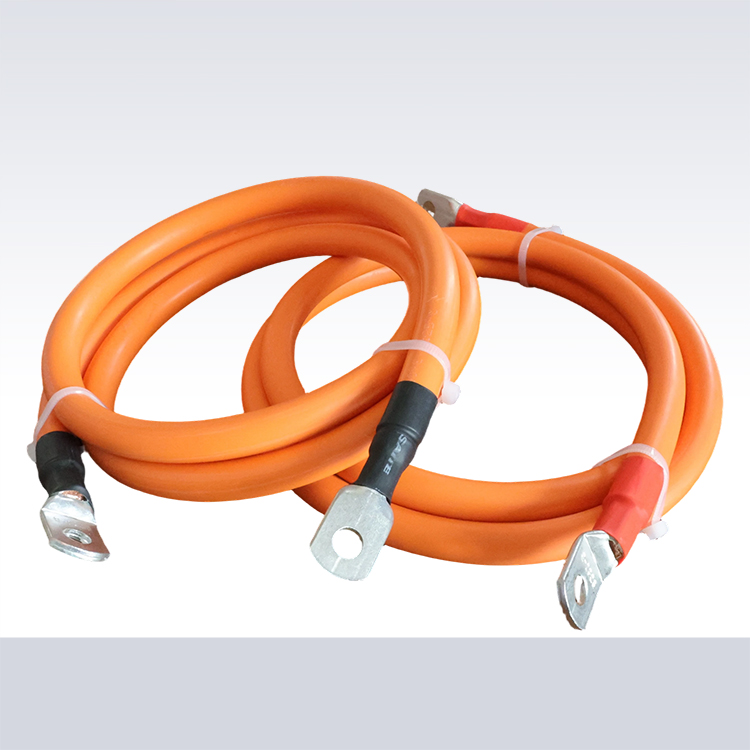
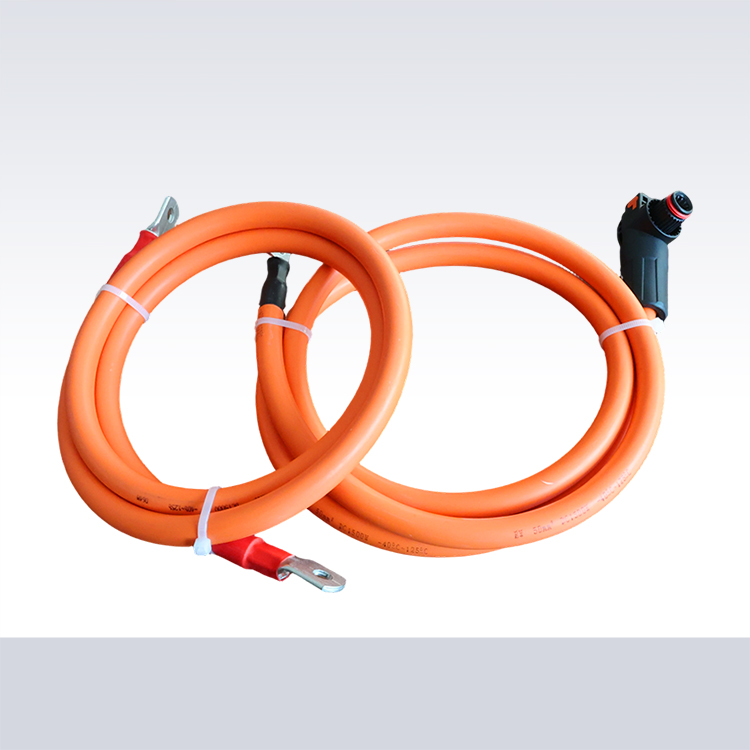
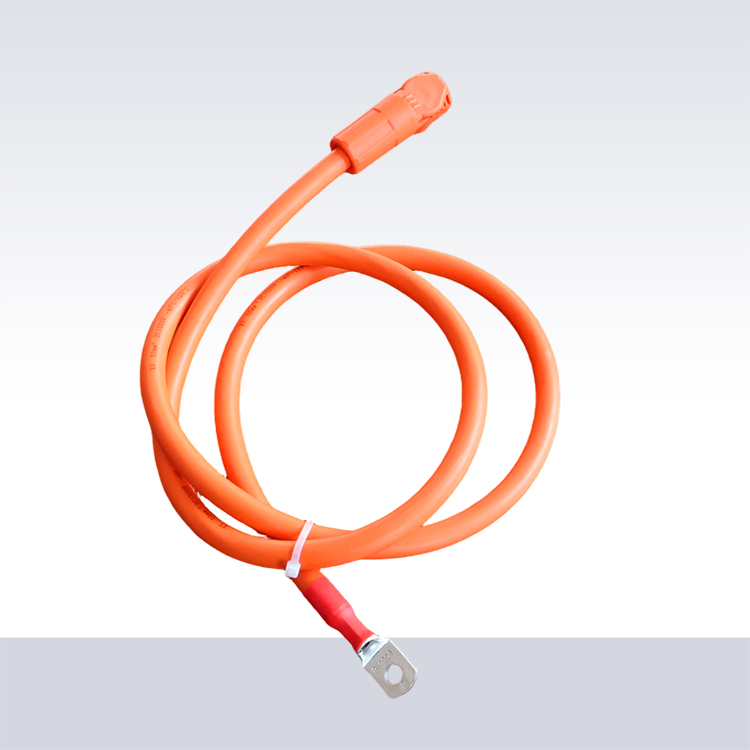
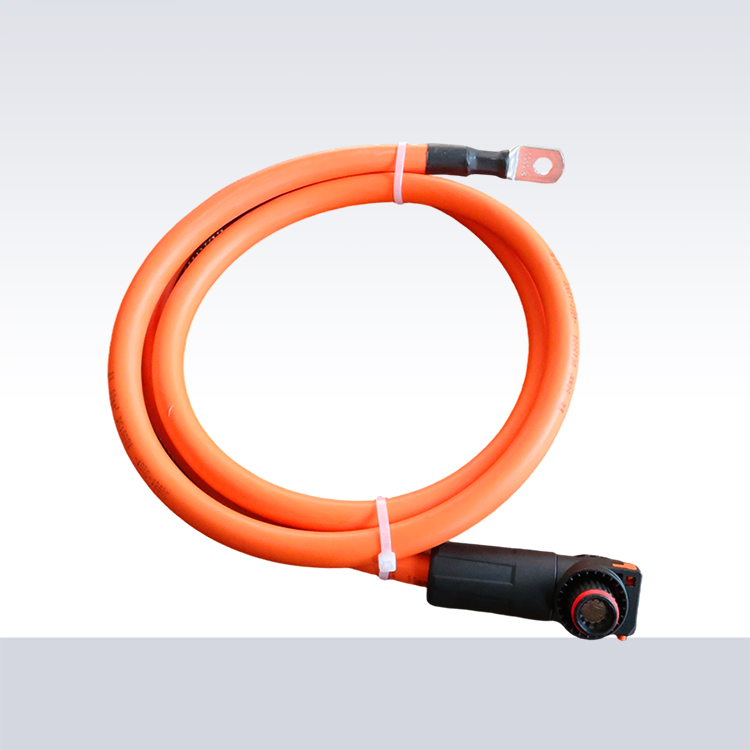
To meet the growing needs of electric vehicle manufacturers, we offer high-quality high-temperature EV wiring solutions that prioritize safety, durability, and performance. Our products are specifically engineered for modern EV applications and come with several advantages:
Premium Heat-Resistant Materials
Our wiring harnesses utilize advanced insulation materials that can withstand extreme operating temperatures while maintaining electrical stability.
High-Voltage Safety Design
Tailored for high-voltage EV systems, our wiring solutions ensure reliable power transmission and enhanced insulation protection.
Stringent Quality Control
Each wiring assembly undergoes rigorous testing, including:
·High-voltage testing
·Temperature resistance testing
·Insulation integrity inspection
·Durability and vibration testing
Custom Manufacturing Support
We provide customized wiring solutions based on customer requirements, including:
·Custom cable lengths
·Connector types
·Voltage specifications
·Specialized insulation materials
Our objective is to deliver reliable high-temperature EV wiring that enhances vehicle safety, efficiency, and long-term performance.
Applications of High-Temperature EV Wiring
High-temperature EV wiring is extensively used in various electric vehicle systems, such as:
Battery Management Systems (BMS)
It ensures safe power distribution and temperature monitoring within battery packs.
Electric Drive Systems
It connects motors, controllers, and power electronics.
Charging Systems
It supports both onboard chargers and external fast-charging infrastructure.
Power Distribution Units
It safely transfers high-voltage power throughout the vehicle.
Thermal Management Systems
It maintains proper communication between sensors and cooling components.
Quality Standards and Certifications
Reliable EV wiring must comply with international automotive and electrical safety standards. High-temperature EV wiring typically meets standards such as:
·ISO automotive quality management standards
·RoHS environmental compliance
·UL safety certification
·Automotive high-voltage testing requirements
These certifications ensure that wiring products meet strict global safety and performance standards.
Future Trends in High-Temperature EV Wiring
As EV technology progresses, wiring systems will continue to evolve. Future developments may include:
Higher Voltage Platforms
Next-generation EVs are moving toward 800V and higher voltage levels, which will require even more robust wiring solutions.
Lightweight Materials
Advanced materials will reduce vehicle weight while preserving durability.
Enhanced Thermal Management
Innovative insulation technologies will further improve heat resistance capabilities.
Smart Wiring Systems
Integrated sensors may enable real-time monitoring of wiring temperature and performance.
Conclusion
High-temperature EV wiring is a critical component of modern electric vehicles. It ensures safe power transmission, protects key systems from heat damage, and supports reliable vehicle performance. By selecting high-quality high-temperature EV wiring solutions, manufacturers and engineers can significantly enhance EV safety, durability, and efficiency. Our advanced wiring products are designed to meet the demanding requirements of modern electric vehicles while delivering reliable and long-lasting performance. If you are seeking professional high-temperature EV wiring solutions, our team is ready to provide product details, customization options, and competitive quotes for your EV projects.
References
GB/T 7714: High-Thermal-Conductivity Polymer Dielectric Films for High-Temperature Electrical Applications in Electric Vehicles. Nature
MLA:Nonlinear Conductivity-Modulated SiC/Epoxy Insulation Coatings for High-Voltage EV Wiring: Performance and Long-Term Reliability. Journal of Mechanical Engineering
APA: Research on Shielding Test of Automotive Shielded Cables. Electrical Appliances and Energy Efficiency Management Technology