

Current location: HOME > BLOGS > Frequently Asked Questions >
EV High Voltage Wiring Harness: The Critical Component for Electric Vehicle Performance
time:2026-03-18 01:15:13 author:haoshizai Click:187
As the electric vehicle (EV) market continues to grow rapidly, every component within an EV power system plays a crucial role in determining overall performance, efficiency, and safety. Among these components, the EV high voltage wiring harness functions as the central “circulatory system” of the vehicle. It links major high-voltage elements such as the battery pack, inverter, and electric motor, enabling the transmission of power and signals across the vehicle.
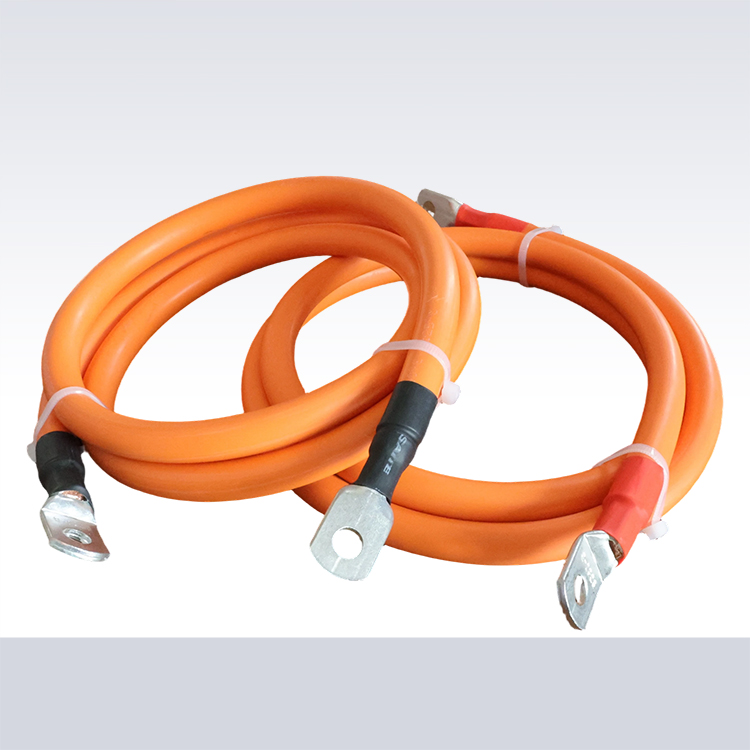
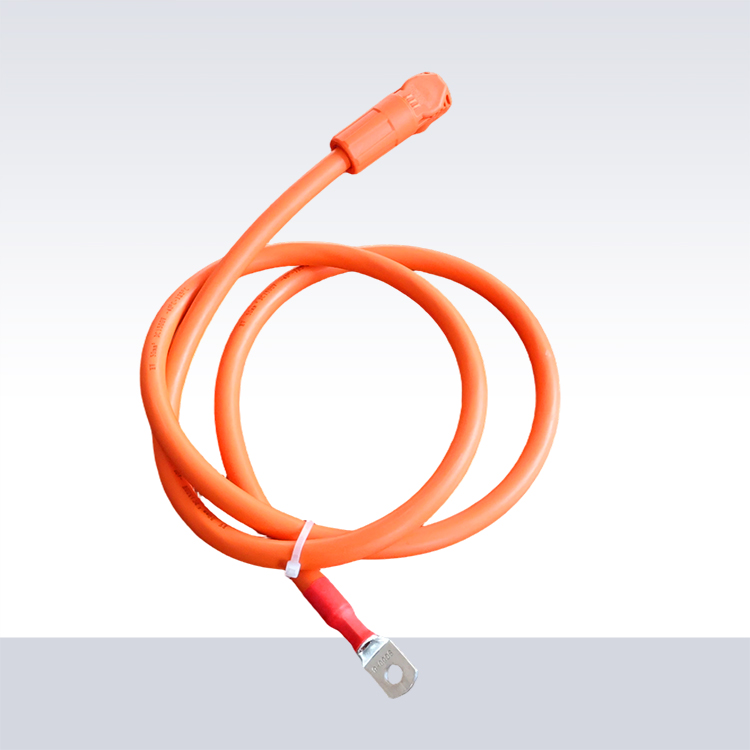
Because it carries large amounts of electrical energy between critical systems, the high voltage wiring harness directly influences driving range, acceleration capability, and operational safety. Even the most advanced EV powertrain cannot perform efficiently without a reliable and well-engineered wiring harness.
What Is an EV High Voltage Wiring Harness?
In conventional internal combustion engine vehicles, wiring harnesses typically operate at low voltages around 12V. Electric vehicles, however, require wiring systems capable of handling significantly higher electrical loads—often between 200V and 800V, with some next-generation platforms exceeding this range.
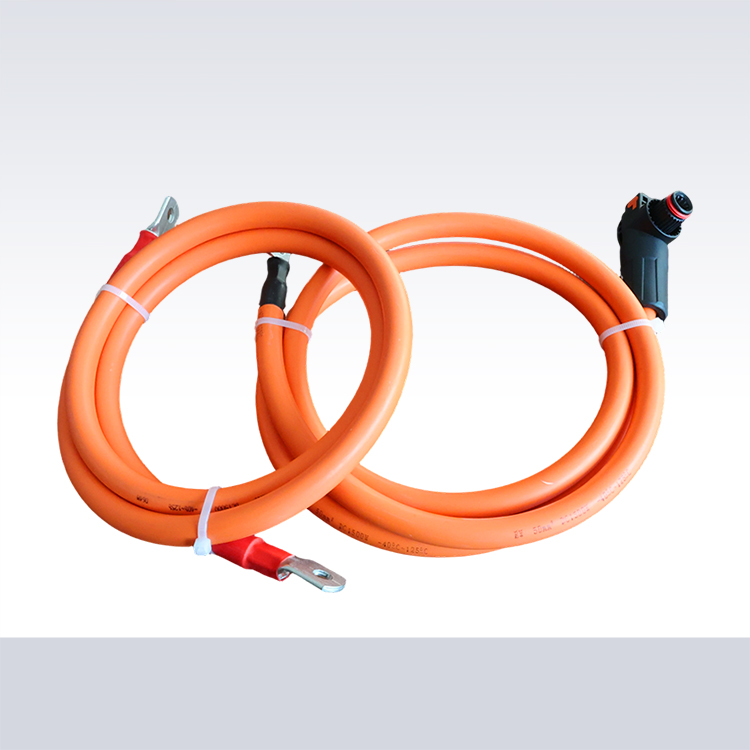
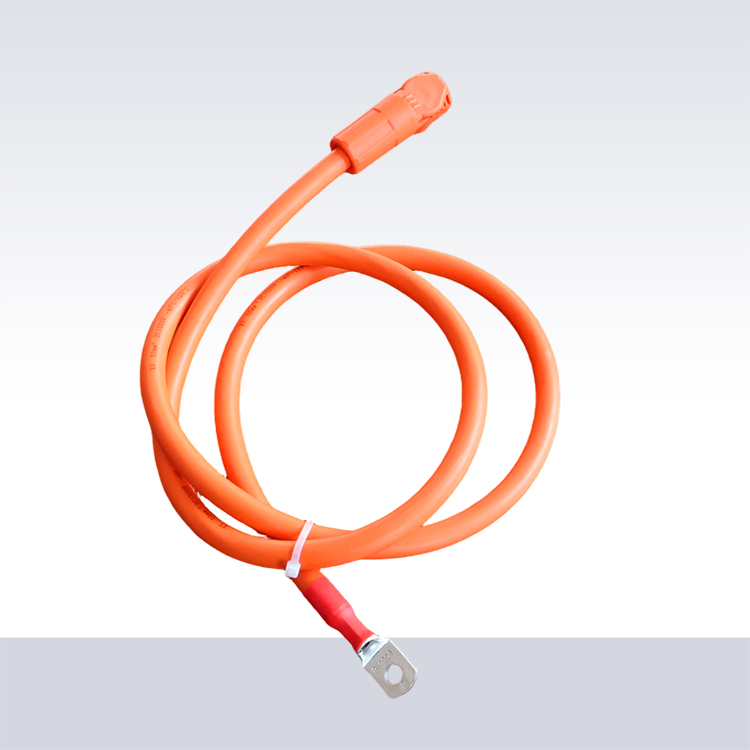
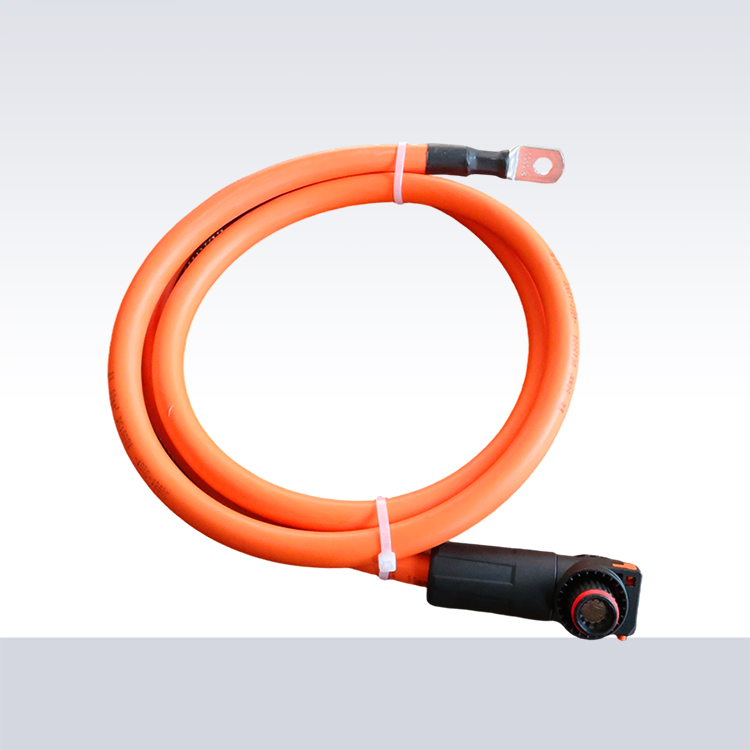
An EV high voltage wiring harness is therefore specially designed to manage these higher voltages and currents safely. It normally includes high-voltage cables, connectors, terminals, protective insulation layers, shielding materials, and mounting brackets that secure the harness throughout the vehicle structure.
Its main purpose is to transfer electrical energy from the battery pack to the inverter, which converts direct current into alternating current for the electric motor. At the same time, the harness supports communication between various high-voltage components, allowing vehicle control systems to monitor and manage power flow in real time.
Why High Voltage Wiring Harnesses Matter for EV Performance
Although it may appear to be a simple collection of cables, the high voltage wiring harness has a direct impact on several key aspects of electric vehicle operation, including power delivery, energy efficiency, and long-term reliability.
1. Efficient Power Delivery Improves Acceleration and Driving Range
One of the advantages of electric vehicles is their ability to deliver instant torque and quick acceleration. To achieve this, large amounts of electrical current must travel from the battery to the motor with minimal energy loss.
If a wiring harness has excessive electrical resistance or poor connection quality, power loss occurs during transmission. This results in reduced motor performance and unnecessary energy consumption, which ultimately shortens the vehicle’s driving range.
High-quality wiring harnesses address this issue by using highly conductive copper or aluminum alloy cables together with low-resistance connectors. Advanced shielding also helps reduce electromagnetic interference, ensuring efficient energy transfer from the battery to the drivetrain.
Our EV high voltage wiring harness solutions utilize premium conductive materials, advanced insulation, and reliable shielding technologies to maximize transmission efficiency and support the high performance requirements of modern electric vehicles.
2. Durability and Stability Ensure Long-Term Performance
Electric vehicles operate under demanding environmental conditions. Components must withstand extreme temperatures, vibration, humidity, and mechanical stress over many years of operation.
High voltage wiring harnesses must therefore maintain stable performance across a wide temperature range—typically from </>-40°C to 85°C—while resisting wear and environmental damage.
Low-quality harness systems may experience insulation breakdown, connector loosening, or shielding degradation over time. Such issues can interrupt power delivery or even cause electrical faults.
Well-designed harnesses use durable insulation materials, sealed connectors, and reinforced mounting systems to maintain reliability throughout the vehicle’s life cycle. Our products undergo rigorous environmental and durability testing to ensure consistent performance under harsh operating conditions.
3. Safety Is a Critical Requirement
Because electric vehicles operate with high voltage systems, safety protection is essential. The wiring harness is designed with multiple safety mechanisms to minimize potential hazards such as electric shock, overheating, or short circuits.
Key safety features commonly include:
·Multi-layer insulation to prevent electrical leakage
·Electromagnetic shielding to block interference from high-voltage currents
·High-Voltage Interlock Loop (HVIL) systems that automatically cut off power if a connection is interrupted
·Flame-retardant materials that help prevent fire propagation in case of system faults
These safety elements make the wiring harness not only a performance component but also a critical safety barrier within the EV electrical architecture.
Key Design Factors for High Performance EV Wiring Harnesses
To achieve optimal performance in electric vehicles, several design considerations must be carefully addressed during the development of high voltage wiring harness systems.
Voltage Capacity
Each harness must match the voltage platform used in the vehicle. Modern EV systems typically operate at </>400V or 800V, with higher voltage architectures enabling faster charging and more efficient power transfer.
Cable Materials and Size
Copper cables are widely used due to their excellent conductivity, while aluminum alloy cables are increasingly adopted to reduce vehicle weight. Proper cable sizing is essential to handle high current levels while preventing overheating.
Electromagnetic Shielding
High voltage power transmission can produce electromagnetic interference that affects other electronic systems within the vehicle. Effective shielding solutions ensure stable system communication and electronic reliability.
Weight and Space Efficiency
Vehicle manufacturers aim to reduce weight and optimize space to improve driving range. Wiring harnesses must therefore be compact, lightweight, and efficiently routed without compromising electrical performance or safety.
Our engineering team offers customized harness design solutions tailored to specific EV platforms, balancing performance requirements with space and weight constraints.
Future Trends in EV High Voltage Wiring Harness Technology
As electric vehicle technology continues to evolve, wiring harness systems will also advance to meet new requirements. Future innovations may include:
·Ultra-light materials to reduce vehicle weight
·Smart monitoring technologies that track temperature and current in real time
·Integrated wiring architectures combining power, signal, and data transmission within a single system
These developments will help improve system reliability, reduce complexity, and support the next generation of electric mobility.
Conclusion
The EV high voltage wiring harness is far more than a simple electrical connector system. It plays a fundamental role in determining vehicle performance, safety, and reliability by enabling efficient power distribution and secure electrical connections throughout the vehicle.
From high-efficiency power transmission to advanced safety protection, every element of the harness contributes to the overall functionality of electric vehicles.
For EV manufacturers and suppliers, selecting high-quality wiring harness solutions is essential for delivering reliable and competitive electric vehicles. Our EV high voltage wiring harness products combine advanced materials, durable construction, and customizable design options to meet the demanding requirements of modern EV platforms.
By choosing reliable wiring harness technology, manufacturers can ensure optimal performance, improved safety, and long-term reliability for their electric vehicles in the rapidly expanding global EV market.
References
GB/T 7714:Sutherland, K. (2008). Filters and Filtration Handbook (5th ed.). Butterworth-Heinemann.
MLA:Fitch, J. C., & Troyer, D. (2004). Oil Filtration: The Key to Effective Machinery Lubrication. Machinery Lubrication Magazine.
APA:Mang, T., & Dresel, W. (2017). Lubricants and Lubrication (3rd ed.). Wiley-VCH Verlag GmbH & Co.