

Current location: HOME > BLOGS > Frequently Asked Questions >
How to Choose the Right Solar Energy Cable for Your Photovoltaic System
time:2026-05-02 07:30:21 author:haoshizai Click:89
Choosing the appropriate solar energy cable is a vital step in designing a secure, efficient, and long-lasting photovoltaic (PV) system. Although solar panels and inverters often attract the most attention, the cables that link the entire system are equally important in ensuring reliable power transmission and reducing energy loss. This guide examines the key factors to keep in mind when picking the right solar cable for your installation.
Understanding the Role of Solar Energy Cables
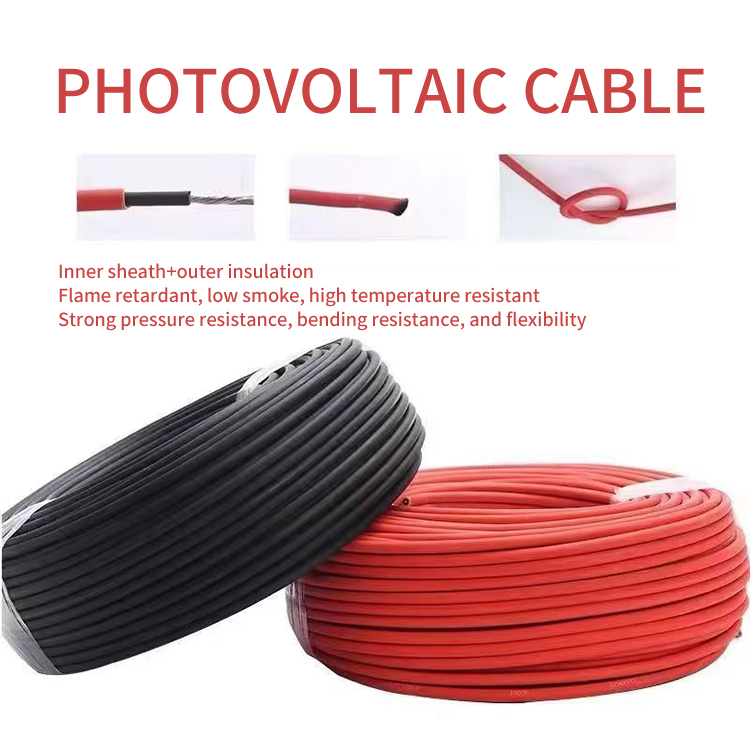
Solar energy cables are specially designed to connect various parts of a PV system, such as solar panels, inverters, batteries, and distribution boards. Unlike regular electrical cables, they need to endure harsh environmental conditions, including UV radiation, extreme temperatures, moisture, and mechanical stress. High-quality solar cables ensure steady electrical performance and lower the risk of system breakdown over time.
Types of Solar Energy Cables
Before making a choice, it is essential to understand the different kinds of solar cables used in PV systems:
DC Solar Cables: These cables connect solar panels to the inverter and are exposed to outdoor environments. They must be UV-resistant, weatherproof, and able to handle high voltage.
AC Cables: Used to connect the inverter to the electrical grid or load, these cables are usually installed indoors or in protected areas.
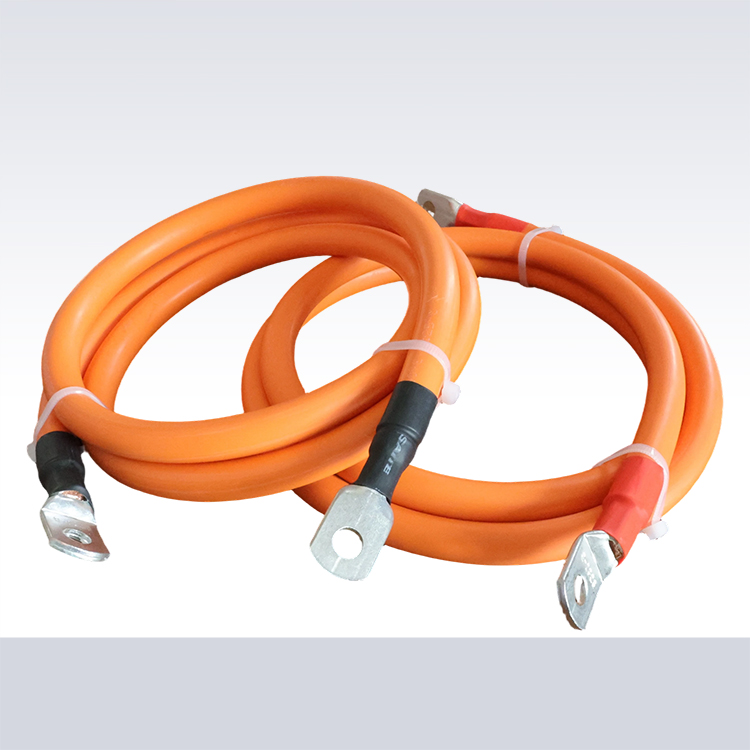
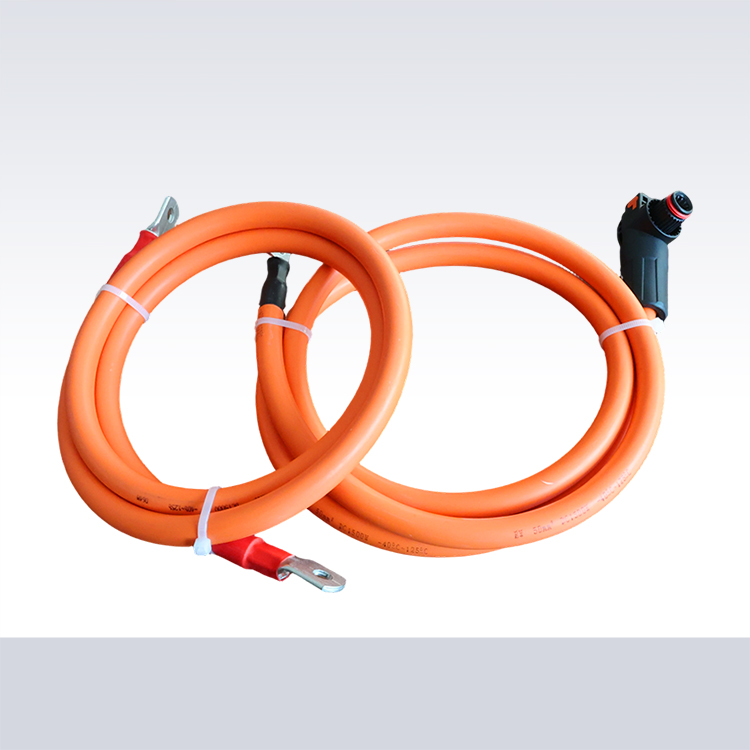
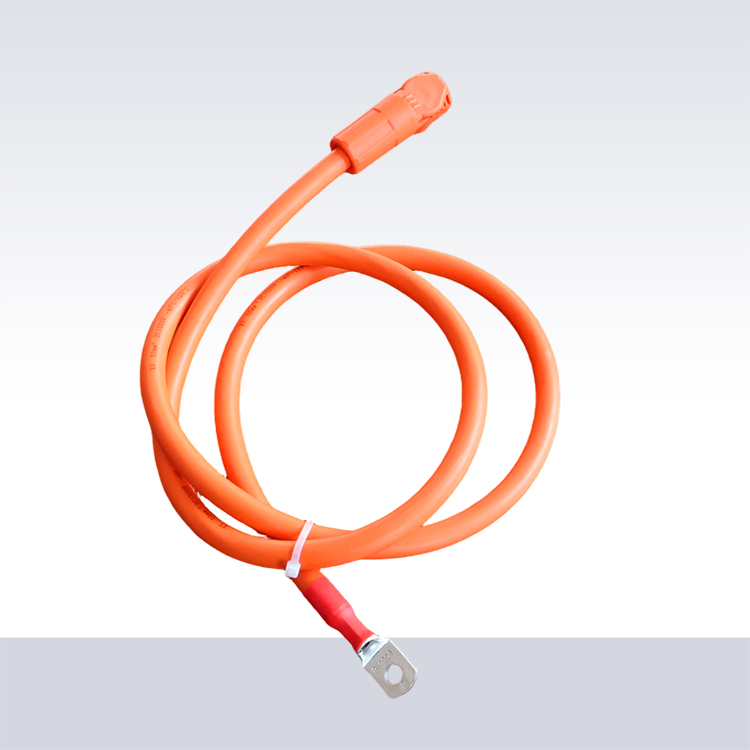
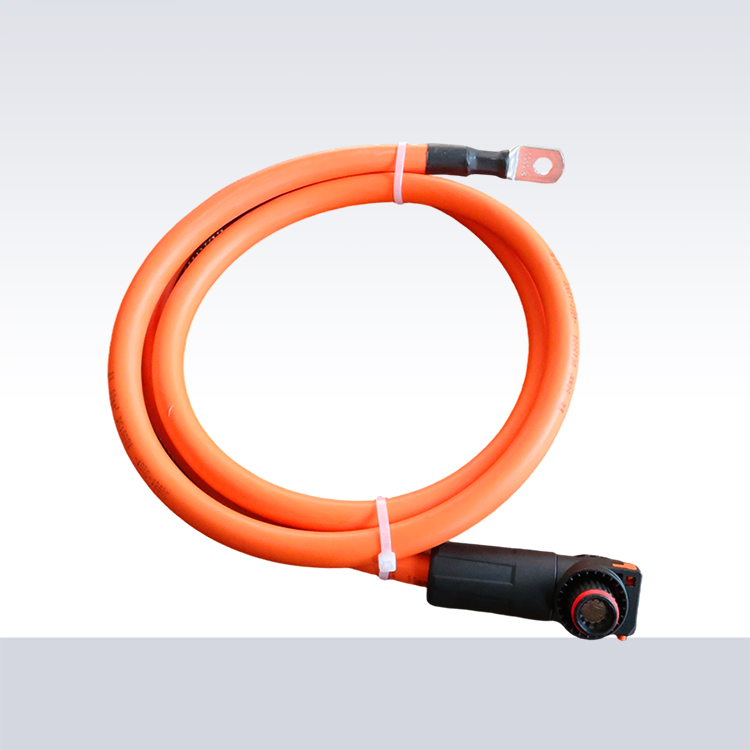
Battery Cables: In off-grid or hybrid systems, these cables link batteries to the inverter and must safely handle high current loads.
Each type has specific requirements, so selecting the right cable for each part of the system is crucial.
Key Factors to Consider
1. Cable Size and Current Capacity
Selecting the correct cable size (cross-sectional area) is essential to avoid overheating and energy loss. Cables that are too small can cause voltage drops and reduce system efficiency, while overly large cables may lead to unnecessary cost increases. The cable size should be determined based on:
Current carrying capacity
Length of the cable run
Acceptable voltage drop
As a general guideline, longer cable distances require thicker cables to maintain optimal performance.
2. Voltage Rating
Solar systems often operate at high DC voltages, especially in large-scale installations. It is important to ensure that the cable you choose has a voltage rating higher than your system’s maximum voltage. This helps prevent insulation breakdown and improves overall safety.
3. Insulation and Sheathing Material
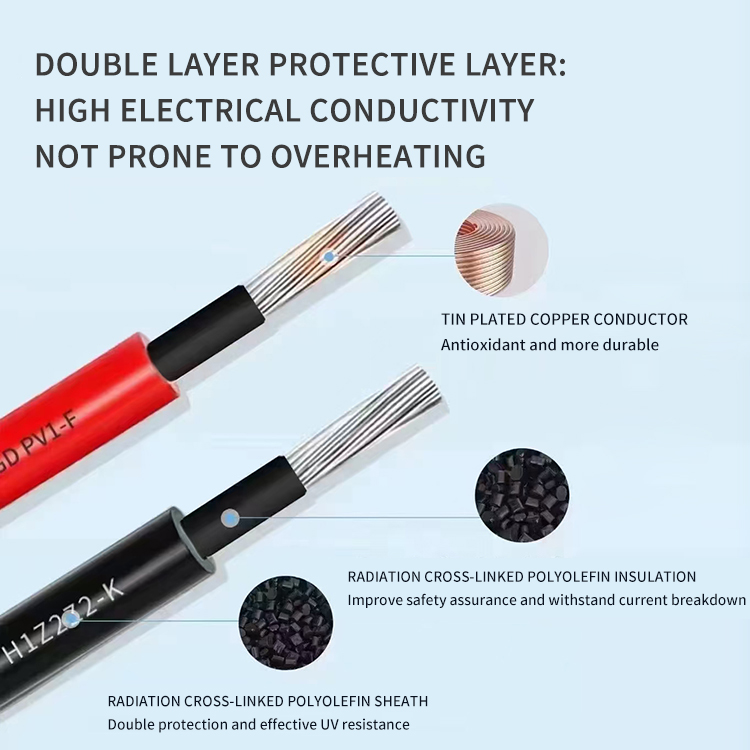
Solar cables are typically insulated with materials like cross-linked polyethylene (XLPE) or ethylene propylene rubber (EPR), which offer excellent thermal and electrical properties. The outer sheath should be:
UV-resistant
Flame-retardant
Abrasion and chemical resistant
These features ensure that the cable can withstand outdoor exposure for decades.
4. Temperature Resistance
Solar installations are often exposed to extreme temperatures, ranging from freezing winters to scorching summer heat. High-quality solar cables are designed to operate within a wide temperature range, usually from -40°C to +90°C or higher. This guarantees stable performance regardless of climate conditions.
5. Compliance with Standards and Certifications
Always choose cables that meet international standards such as TÜV, IEC, or UL certifications. Certified cables have undergone rigorous testing for safety, durability, and performance, providing peace of mind for both installers and end users.
6. Flexibility and Ease of Installation
Solar cables should be flexible enough to allow easy routing through conduits and around obstacles. Flexible cables reduce installation time and minimize the risk of damage during handling.
7. Durability and Lifespan
A solar energy system is a long-term investment, often expected to last 25 years or more. The cables used should match this lifespan. High-quality materials and robust construction help prevent cracking, corrosion, and degradation over time.
Environmental Considerations
If your solar installation is located in a challenging environment—such as coastal areas, deserts, or industrial zones—you will need cables with enhanced resistance to:
Saltwater corrosion
Sand and dust abrasion
Chemical exposure
Selecting cables designed for these conditions can significantly extend the system’s operational life.
Cost vs Quality: Finding the Right Balance
While it may be tempting to choose lower-cost cables to reduce upfront expenses, this can lead to higher maintenance costs and potential system failures in the long run. Investing in high-quality solar energy cables ensures better performance, improved safety, and reduced downtime.
Common Mistakes to Avoid
When selecting solar cables, avoid these common pitfalls:
Choosing cables without proper certification
Ignoring voltage drop calculations
Using indoor-rated cables for outdoor installations
Undersizing cables to cut costs
Overlooking environmental factors
Avoiding these mistakes can save time, money, and potential safety issues.
Final Thoughts
Selecting the right solar energy cable is essential for maximizing the efficiency, safety, and longevity of your photovoltaic system. By considering factors such as cable size, voltage rating, insulation quality, and environmental conditions, you can ensure your system operates reliably for years to come. A well-designed solar installation is only as strong as its weakest component—and with the right cables, you can build a system that delivers consistent, long-term performance.
References
GB/T 7714:Analysis of Photovoltaic Cable Degradation and Fire Precursor Signals for Optimizing Integrated Power Grids. Energies
MLA:Comparative Analysis of DC and AC Photovoltaic Cables: Electrical Characteristics and Application Differences. Journal of Solar Energy Engineering
APA:Compliance of Photovoltaic Cables with International Standards (TÜV, IEC 62930, UL 4703). Journal of Electrical Engineering & Technology