

Current location: HOME > BLOGS > Company News >
Solar Panel Connector Cable Overview: MC4 Compatibility and Standards
time:2026-01-30 10:22:58 author:haoshizai Click:71
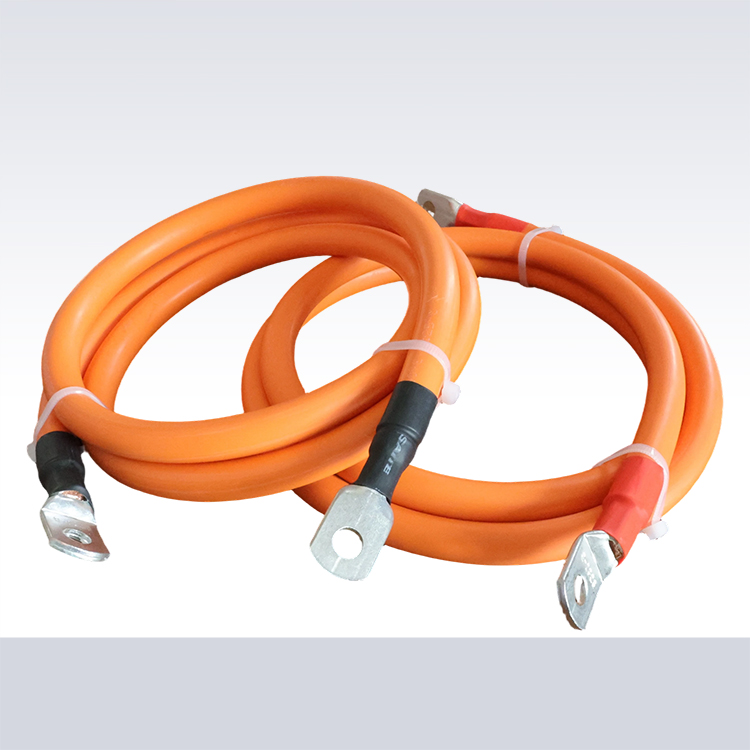
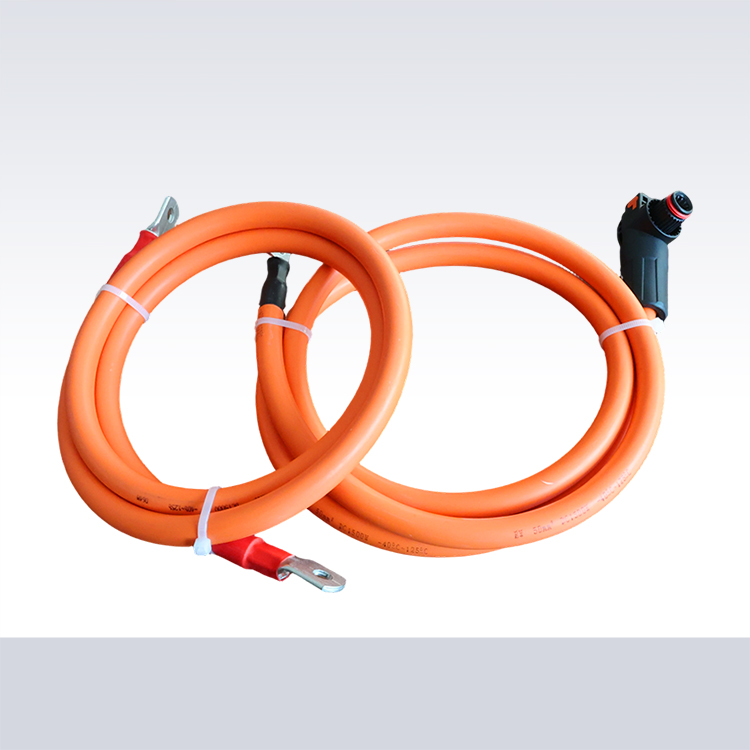
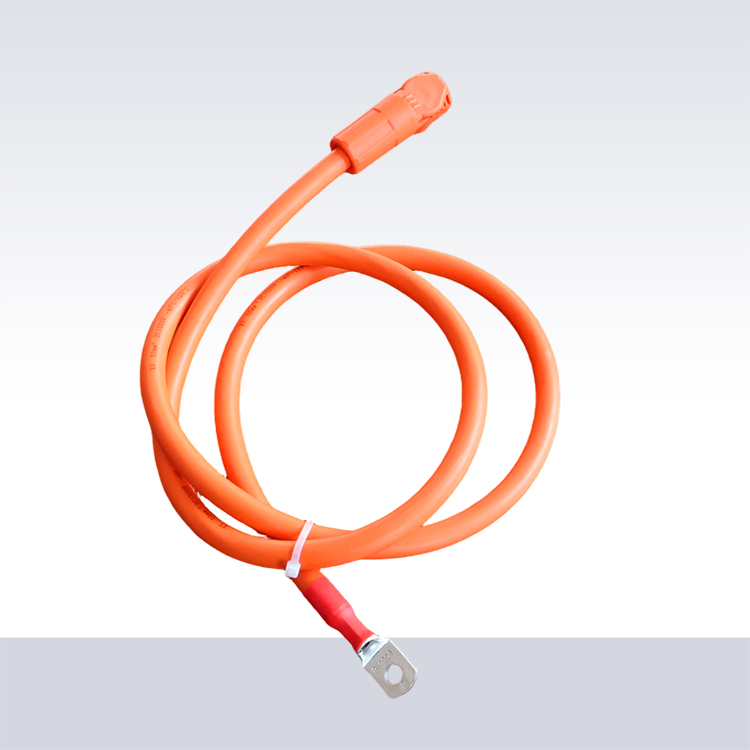
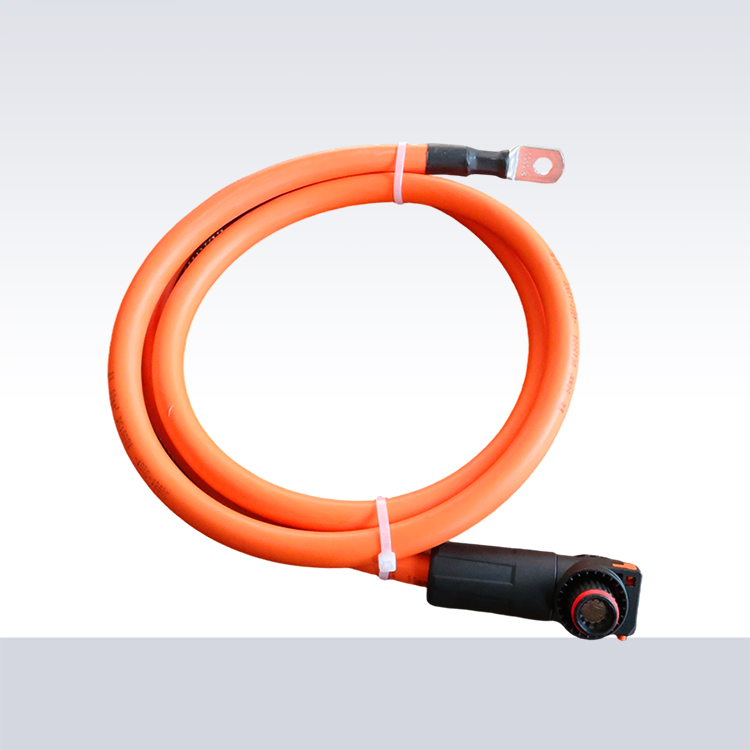
As modern photovoltaic (PV) systems continue to advance, the quality and performance of the Solar Panel Connector Cable have become essential factors in ensuring stable power transmission and system safety. These cables serve as the electrical backbone connecting panels, inverters, and balance-of-system components. When sourced from a professional Manufacturer with consistent Production capability, the cables deliver long-term durability, stable conductivity, and compliance with global standards.
This article provides a comprehensive overview of Solar Panel Connector Cable requirements, MC4 compatibility, and internationally recognized PV cable standards widely referenced in the renewable energy industry.
What Is a Solar Panel Connector Cable?
A Solar Panel Connector Cable is a DC-rated cable designed for interconnecting photovoltaic modules. It typically features:
·Tinned copper conductors
·UV-resistant and weatherproof insulation
·High-flexibility outdoor-rated jacket
·Double insulation for electrical protection
·Compatibility with MC4 or MC4-style locking connectors
These cables are engineered to operate reliably in outdoor conditions, ensuring stable transmission of DC power from solar modules to downstream components.
Why MC4 Compatibility Matters
MC4 connectors have become the global standard for photovoltaic installations due to their safety, locking mechanism, and low contact resistance. Ensuring that a Solar Panel Connector Cable is fully MC4 compatible provides several operational benefits:
1. Reliable Electrical Contact
Studies show that stable contact resistance is vital for minimizing power loss and preventing heat buildup (Wang et al., 2014). Cables using compatible MC4 terminals reduce electrical inefficiencies.
2. Safe and Secure Locking Mechanism
MC4’s IP67 sealing and anti-disconnection features enhance long-term reliability, especially in humid or dusty environments.
3. Standardized Installation Across PV Projects
Because MC4 connectors are universally accepted in solar engineering, compatibility ensures seamless integration with modern PV modules and inverters.
Key Standards for Solar Panel Connector Cables
High-quality Solar Panel Connector Cables comply with international standards that specify requirements for mechanical strength, UV resistance, and high-voltage insulation. The most referenced PV cable standards include:
IEC 60228 – Conductors of Insulated Cables
Defines conductor classes and electrical resistance requirements.
IEC 62930 – Electric Cables for Photovoltaic Systems
A key global requirement that outlines cable construction, insulation performance, and environmental durability. Many academic studies cite this standard as the foundation for PV cable design (Li et al., 2021).
UL 4703 – US Standard for PV Wire
Defines fire resistance and outdoor performance criteria for PV installations in North America.
EN 50618 – European Standard for PV Cables
Specifies h2Z2Z2-K solar cable requirements used widely across the EU. Research also documents its widespread adoption in utility-scale PV projects (Kaseb & El-Shimy, 2018).
Cables meeting these standards ensure long service life, electrical safety, and compatibility with global installation practices.
Material and Design Features of High-Quality Solar Panel Connector Cables
1. Tinned Copper Conductors
Tinning dramatically improves corrosion resistance—especially important in coastal or humid regions where metal oxidation is a concern.
2. Cross-Linked Polyethylene (XLPE) Insulation
XLPE withstands high temperatures, abrasion, mechanical stress, and UV exposure (Li et al., 2021), making it ideal for outdoor solar projects.
3. Long-Term Mechanical Durability
Studies indicate that PV system reliability is strongly linked to cable insulation quality and resistance to long-term climatic exposure (Jordan & Kurtz, 2013).
These material advantages ensure that the cable can endure decades of environmental stress.
Applications of Solar Panel Connector Cables
Solar Panel Connector Cables are used extensively across modern PV systems, including:
·Module-to-module wiring
·Extension runs to combiner boxes
·Rooftop and ground-mounted DC arrays
·Off-grid and hybrid system wiring
·Utility-scale solar farms requiring long-distance cabling
Their ability to maintain low resistance and withstand high temperatures makes them suitable for both residential and industrial PV applications.
How to Select the Right Solar Panel Connector Cable
Choosing the correct cable depends on several engineering considerations:
1. Voltage Rating
Ensure compliance with system requirements—typically up to 1500V DC.
2. Conductor Size
Larger arrays may require 4mm², 6mm², or 10mm² conductors to reduce voltage drop.
3. MC4 Terminal Compatibility
Check that the cable dimensions and insulation meet MC4 specifications to avoid loose connections.
4. Certification and Standards
Look for IEC, TÜV, UL, or EN certification from a verified Manufacturer.
5. Production Capacity
For large commercial or utility-scale projects, stable Production capability ensures consistent supply and performance.
Conclusion: A Reliable Solar Panel Connector Cable Ensures System Longevity
The Solar Panel Connector Cable is a critical component in modern photovoltaic installations. Its MC4 compatibility, durable insulation, and adherence to international standards directly influence system efficiency, safety, and lifetime performance. Choosing cables from a trusted Manufacturer with proven Production capabilities helps ensure stable connections, long-term reliability, and optimal energy output throughout the system’s lifespan.
References
Jordan, D. C., & Kurtz, S. R. (2013). Photovoltaic degradation rates—an analytical review. Progress in Photovoltaics: Research and Applications, 21(1), 12–29.