

Current location: HOME > BLOGS > Company News >
What Is a PV System Wiring Harness? Complete Beginner’s Guide
time:2026-01-30 10:22:19 author:haoshizai Click:93
Why PV System Wiring Harness Matters
For solar projects that require long-term reliability, choosing the right PV System Wiring Harness is essential. Installers, EPC contractors, and procurement teams increasingly look for direct Manufacturer or bulk Production suppliers to ensure consistent quality and stable supply. A well-designed harness minimizes wiring errors, speeds up installation, and ensures that every photovoltaic module performs at peak efficiency.
As renewable energy systems scale in size and power density, understanding the role of a PV System Wiring Harness becomes a key skill for any solar-related professional.
What Is a PV System Wiring Harness?
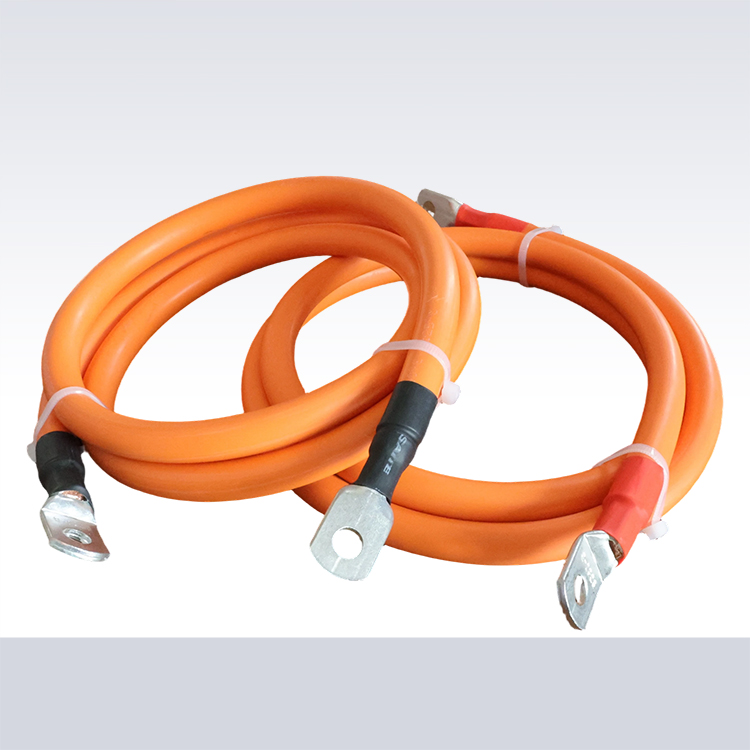
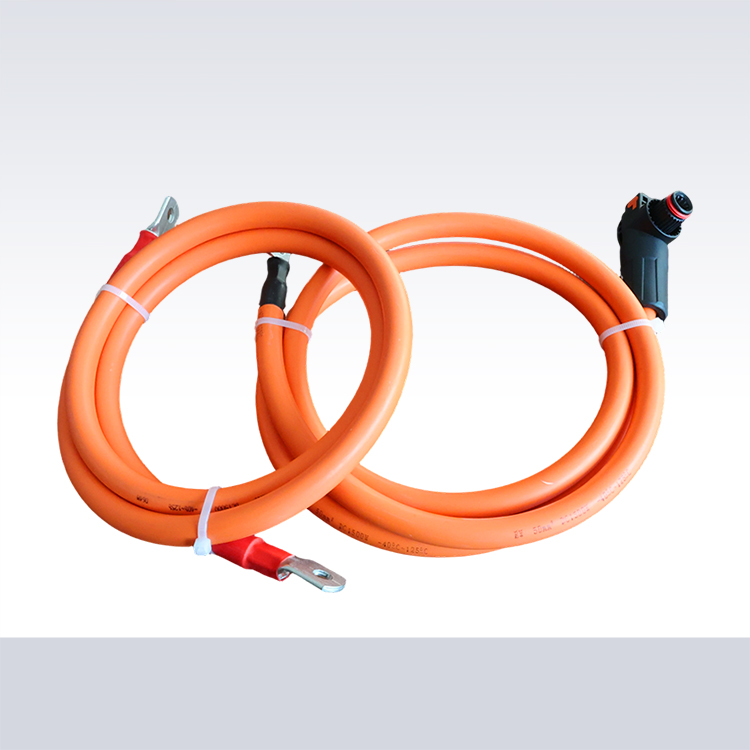
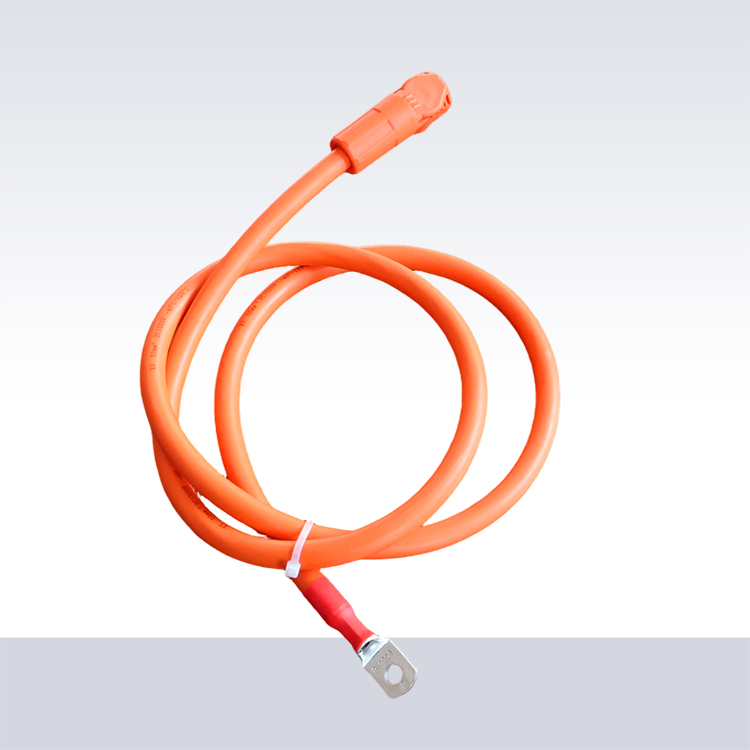
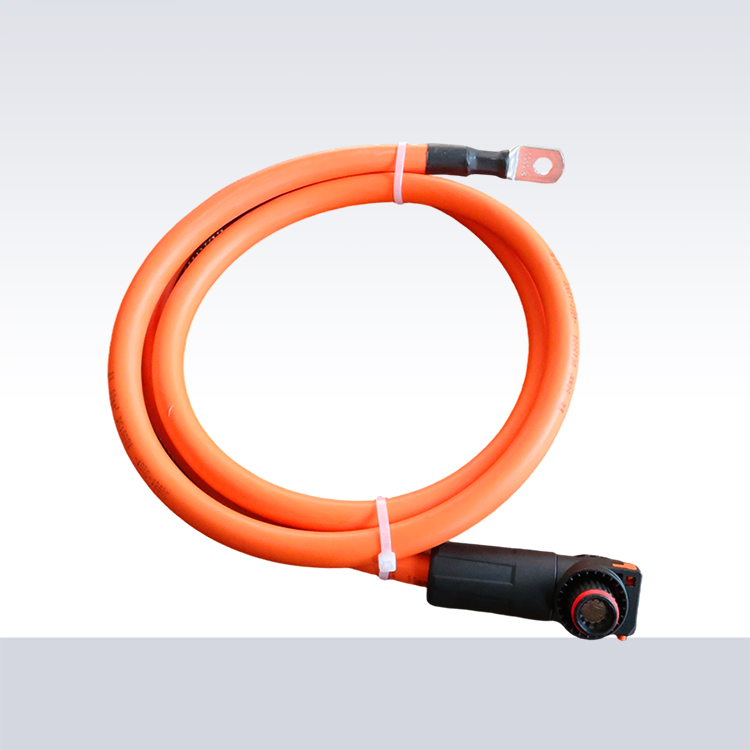
A PV System Wiring Harness is a pre-assembled electrical cable system designed specifically for photovoltaic (PV) installations. Instead of manually cutting, crimping, and connecting dozens or hundreds of individual wires on-site, installers use a standardized harness that already integrates:
·Multiple solar panel connectors
·DC cables of specific lengths
·Branch connectors or junction points
·Protective insulation and labeling
·Waterproof or UV-resistant sheathing
In large solar farms, the harness acts as the “circulatory system,” carrying power from every module to combiner boxes, inverters, and ultimately to the grid.
How a PV System Wiring Harness Works
A wiring harness serves as a structured network that simplifies the flow of DC electricity from multiple PV modules. It works by:
1.Providing pre-terminated ends that plug directly into MC4-type connectors or compatible solar panel ports.
2.Standardizing cable routes so installers follow a defined wiring pattern.
3.Reducing connection points in the field, lowering the risk of mismatched polarities or loose joints.
4.Improving electrical efficiency by using cable lengths designed to minimize voltage drop.
Instead of wiring 100 modules individually, workers only need to connect each panel to its designated harness branch.
Key Components in a PV System Wiring Harness
A typical PV harness may include:
1. PV Cables (Usually 4–6 mm²)
These cables are double-insulated, UV-resistant, and designed for harsh outdoor environments.
2. MC4-Compatible Connectors
The most widely used connector type in global photovoltaic systems, providing waterproof (IP67/IP68) and corrosion-resistant joints.
3. Branch Connectors
Used in parallel string connections or multi-module clusters.
4. Junction Boxes
Secure and protect points where multiple cables merge, providing easy inspection or maintenance.
5. Protective Sleeving and Labels
Essential for system organization, troubleshooting, and compliance documentation.
Why Use a PV System Wiring Harness Instead of Loose Cables?
· Faster Installation
A harness eliminates manual cable cutting and on-site connector crimping.
Teams can work faster, reducing installation time by up to 60%.
· Improved Safety and Fewer Mistakes
Wrong polarity or loose connections can cause power loss or even fire hazards.
A pre-engineered harness ensures consistent, factory-tested wiring accuracy.
· Cleaner Layout for Large PV Farms
Organized wiring improves airflow, heat dissipation, and long-term maintenance.
· Better Quality Control
Factory-made harnesses follow strict Manufacturer-level tolerance and testing procedures—much more reliable than field-made wiring.
· Lower Long-Term Costs
Fewer wiring failures mean fewer service calls and higher system uptime.
Where PV System Wiring Harnesses Are Used
Harnesses are now standard across many solar applications:
·Utility-scale solar farms
·Commercial rooftop systems
·Floating PV (FPV) platforms
·Off-grid and hybrid solar systems
·Agricultural and greenhouse solar setups
·Containerized or portable solar power units
Wherever multiple panels need consistent, repeatable wiring—harnesses deliver efficiency.
Installation Basics: Beginner-Friendly Overview
Even beginners can install a PV System Wiring Harness by following a structured approach:
1. Lay Out the Harness According to the Wiring Plan
Unroll the harness along module rows before placing panels.
2. Match Connectors to Corresponding Panels
Each branch should be numbered, color-coded, or labeled for clarity.
3. Avoid Sharp Edges and Excessive Bending
Follow manufacturer guidelines for minimum bend radius.
4. Secure the Harness
Use UV-resistant cable ties or mounting clips for long-term durability.
5. Connect to the Combiner Box or Inverter
Route the main output cable to the next system component.
6. Final Verification
Check polarity, torque settings, and waterproofing.
How to Select the Right PV System Wiring Harness
When choosing a harness, pay attention to:
·Cable Cross-Section
Larger systems often require 6 mm² or even 10 mm² cables for better current handling.
·Connector Compatibility
MC4 remains the global standard, but verify compatibility for your panel model.
·Temperature Resistance
High-temperature environments require cross-linked polymer insulation.
·Certification & Standards
Look for compliance with:
·IEC 62852
·IEC 60228
·TUV certification
·UL 4703 (for North American markets)
·Manufacturer and Production Capability
A reliable supplier should provide:
·Bulk Production capacity
·Factory test reports
·Custom harness design services
·Long-term supply stability
Conclusion: Why PV System Wiring Harnesses Are Essential
A PV System Wiring Harness transforms the way solar projects are wired—bringing speed, safety, and durability to every stage of installation. For EPC companies and installers, sourcing from a capable Manufacturer with stable Production capacity ensures consistency and reliability, especially in large-scale renewable projects.
As solar adoption continues to grow, wiring harnesses will remain a critical component for delivering clean energy effectively and efficiently.
References
Sundararaj, S. P., Rangarajan, S. S., Nallusamy, S., Collins, E. R., & Senjyu, T. (2021). A brief survey on important interconnection standards for photovoltaic systems and electric vehicles. World Electric Vehicle Journal, 12(3), 117.