

Current location: HOME > BLOGS > Company News >
10mm² Solar Cable for High-Current PV Systems: Advantages & Specs
time:2026-01-30 10:23:41 author:haoshizai Click:153
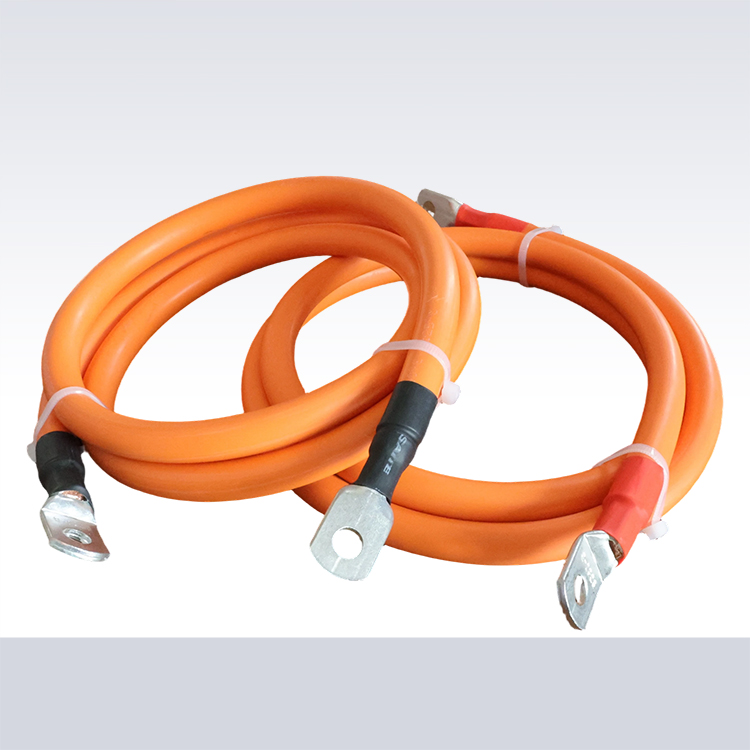
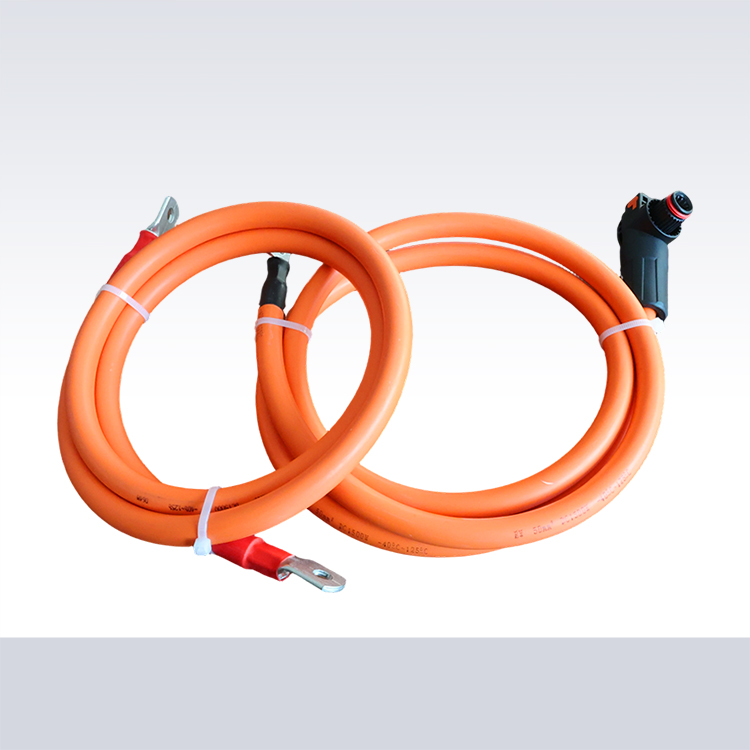
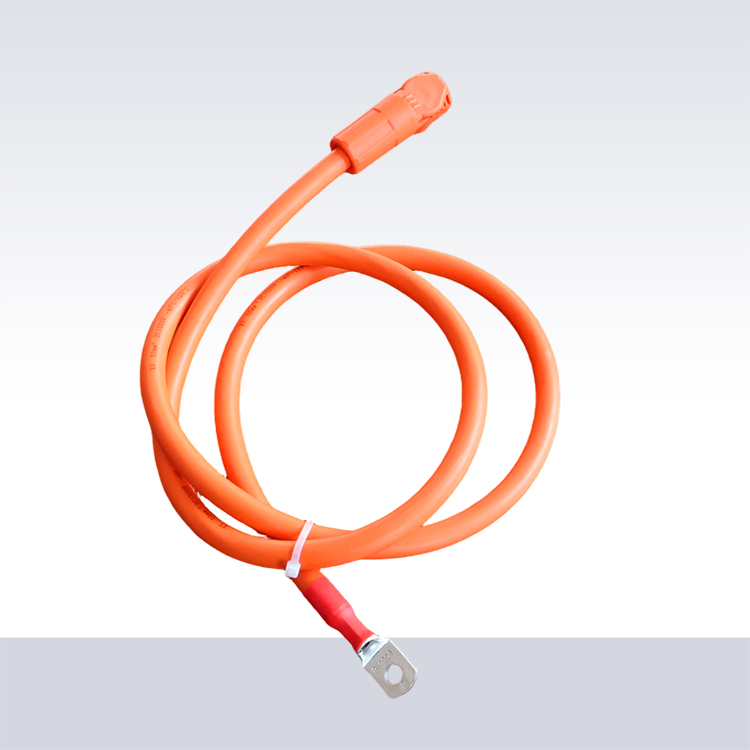
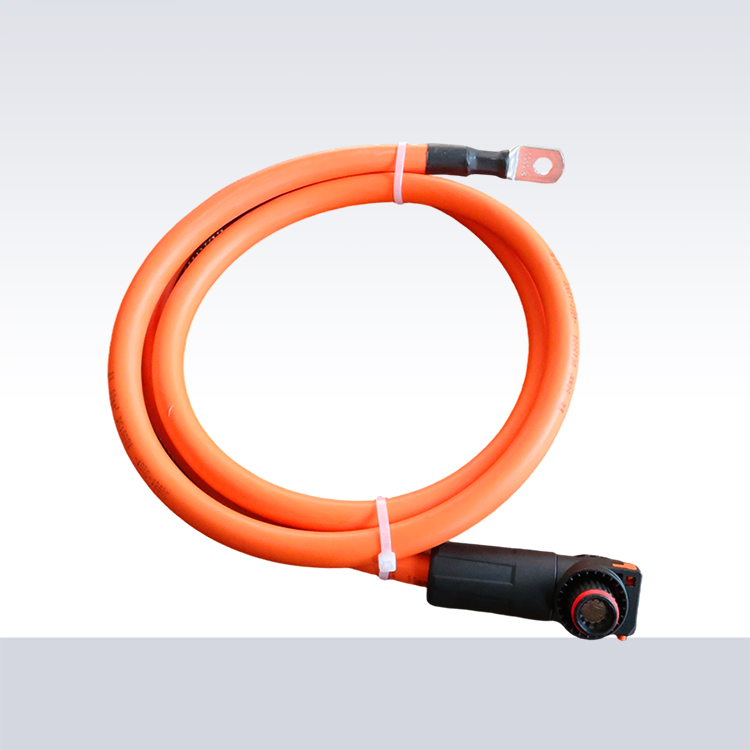
With the rapid global expansion of solar energy, the demand for high-efficiency, high-current photovoltaic (PV) cables has grown significantly. Among various PV cable sizes, the 10mm² Solar Cable is considered one of the most reliable options for handling elevated electrical loads in both residential and commercial systems. When sourced from a professional Manufacturer that maintains consistent Production quality, this cable ensures long-lasting performance and safety.
What Is a 10mm² Solar Cable?
A 10mm² solar cable is a specially engineered photovoltaic cable designed for DC power transmission between solar panels, combiner boxes, charge controllers, and inverters. Compared to smaller sizes like 4mm² or 6mm², the 10mm² conductor offers significantly better current-carrying capability, reduced resistance, and improved efficiency.
The cable typically features:
·A stranded tinned copper conductor
·Cross-linked polyethylene (XLPE) or equivalent insulation
·A robust, UV-resistant outer jacket
·High flexibility for easy routing
·Double insulation for improved electrical safety
·Resistance to temperature extremes, moisture, and abrasion
Its design ensures a stable and reliable connection throughout the lifespan of a solar power system.
Why 10mm² Is Suitable for High-Current PV Systems
1. Higher Current Capacity
High-power panels and long PV strings generate substantial currents. The 10mm² conductor size prevents overheating and ensures consistent performance under heavy electrical loads. This is crucial in large installations where smaller cables may struggle to meet current demands safely.
2. Lower Voltage Drop
In DC systems—especially long-distance cable runs—voltage drop is a major factor affecting power output. A thicker 10mm² cable keeps resistance low, which:
·Improves overall system efficiency
·Maintains inverter input voltage
·Reduces energy loss during transmission
For large-scale or high-wattage installations, this improvement directly benefits long-term energy yield.
3. Longer Service Life Under Harsh Conditions
Solar cables are continuously exposed to outdoor environments. A high-quality 10mm² solar cable offers strong resistance to:
·Direct sunlight (UV radiation)
·Extreme hot or cold temperatures
·Moisture and humidity
·Abrasion from cable movement or installation
·Chemicals and environmental pollutants
This durability helps the cable maintain performance for more than 25–30 years.
4. Ideal for Industrial and Commercial Solar Projects
From rooftop solar systems to utility-scale solar farms, the 10mm² Solar Cable is ideal due to its:
·Mechanical strength
·High current rating
·Compatibility with large inverters
·Ability to support high-power arrays and battery systems
This makes it one of the most frequently used cable sizes in heavy-duty PV applications.
Key Specifications of a 10mm² Solar Cable
A typical 10mm² solar cable includes several important performance characteristics:
·Conductor Type: Stranded tinned copper for corrosion resistance.
·Rated Voltage: Commonly up to 1500V DC.
·Temperature Range: Often between -40°C and +120°C.
·Insulation Material: XLPE or halogen-free compounds for thermal stability.
·Outer Jacket: UV-resistant and flame-retardant for outdoor use.
·Operational Lifespan: Typically above 25 years.
·Standards Compliance: Many versions meet IEC and TÜV standards.
These specifications ensure safe, long-term operation across a wide range of PV environments.
Applications of 10mm² Solar Cable
A 10mm² cable is used in multiple segments of a solar power system, including:
1. Panel-to-Combiner Box Connections
High-output solar modules produce strong currents that must be transmitted with minimal loss.
2. Combiner Box to Inverter Wiring
Larger PV installations require long, low-resistance cables between system components.
3. Battery Storage Systems
Systems with high-capacity battery banks need thick conductors to handle charging currents safely.
4. Off-Grid and Hybrid Systems
Fluctuating loads make a heavy-duty cable essential for reliability.
5. Utility-Scale Solar Farms
Large arrays rely on robust cables to maintain consistent performance across extensive wiring networks.
How to Choose a High-Quality 10mm² Solar Cable
When selecting a suitable cable, consider the following factors:
1. Standards and Certifications
Reliable cables typically follow international requirements such as IEC 62930 or EN 50618.
2. Copper Purity
High-purity, tinned copper ensures better conductivity and longevity.
3. Insulation and Jacket Quality
The cable should provide strong UV protection, fire resistance, and thermal stability.
4. Mechanical Flexibility
Flexibility improves installation efficiency and avoids internal conductor damage.
5. Manufacturer Reliability
A manufacturer with strong production capacity ensures stable supply, consistent quality, and reliable long-term availability for large and small PV projects.
Installation Tips for 10mm² Solar Cable
Correct installation plays a major role in cable performance:
·Avoid tight bends to prevent conductor strain.
·Keep cables away from direct heat sources.
·Use proper connectors and DC-rated terminals.
·Ensure cables are securely clamped or placed in conduits.
·Clearly mark positive and negative wires to prevent wiring errors.
·Regularly inspect outdoor cables for wear or damage.
Following these steps enhances system safety and extends cable service life.
Conclusion: The 10mm² Solar Cable Is Essential for High-Power PV Reliability
The 10mm² Solar Cable is a critical component in high-current solar power systems. Its conductor size, excellent durability, and low voltage drop make it a dependable choice for both small and large photovoltaic installations. For long-term efficiency and consistent output, selecting this cable from a trusted Manufacturer with stable Production capability ensures reliable performance, safety, and long-lasting value.
References
Breiling, M., Häberlin, H., & Baumgartner, F. (2012). Reliability of PV modules and balance-of-system components. Progress in Photovoltaics: Research and Applications, 20(3), 279–288.