

Current location: HOME > BLOGS > Company News >
PV DC Cable Installation Tips for Maximum Safety and Efficiency
time:2026-01-30 10:01:51 author:haoshizai Click:126
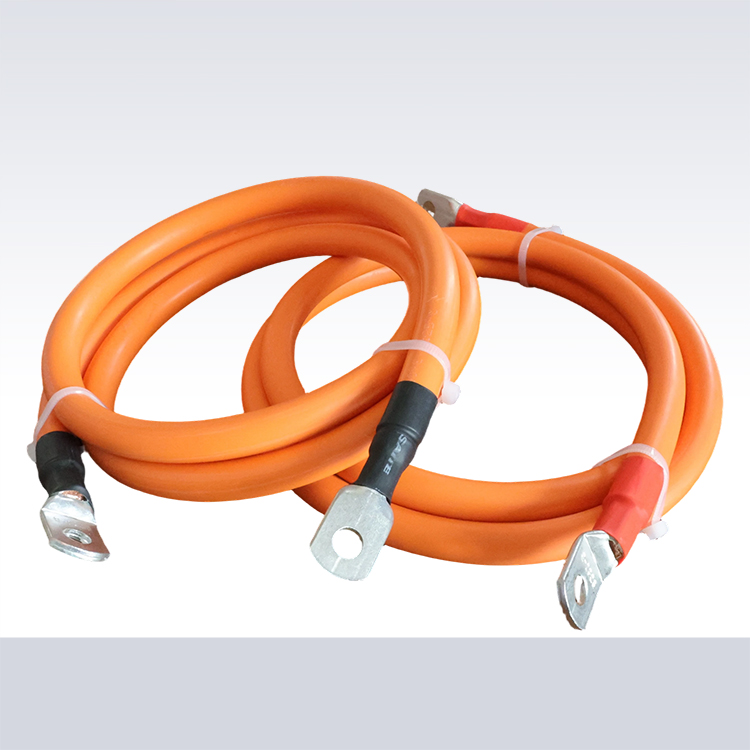
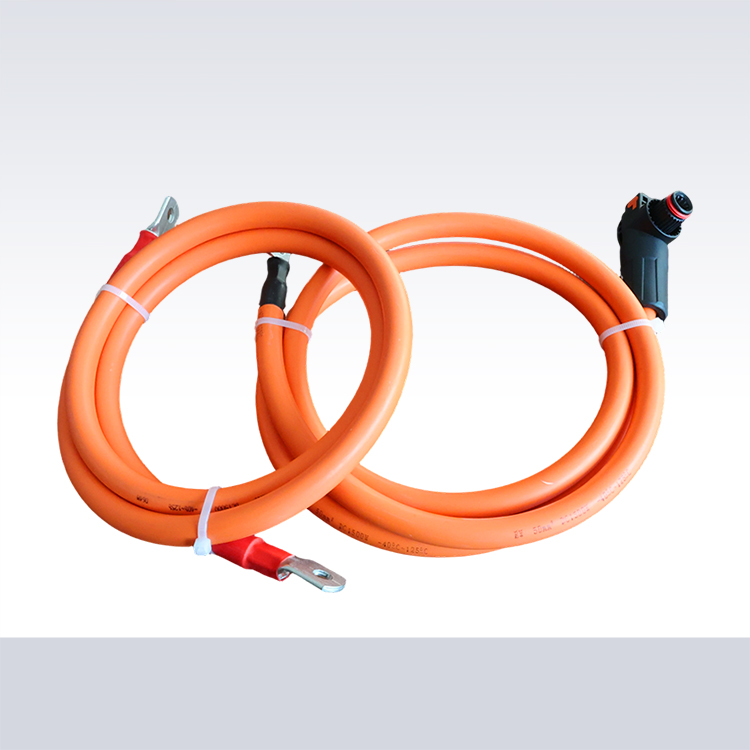
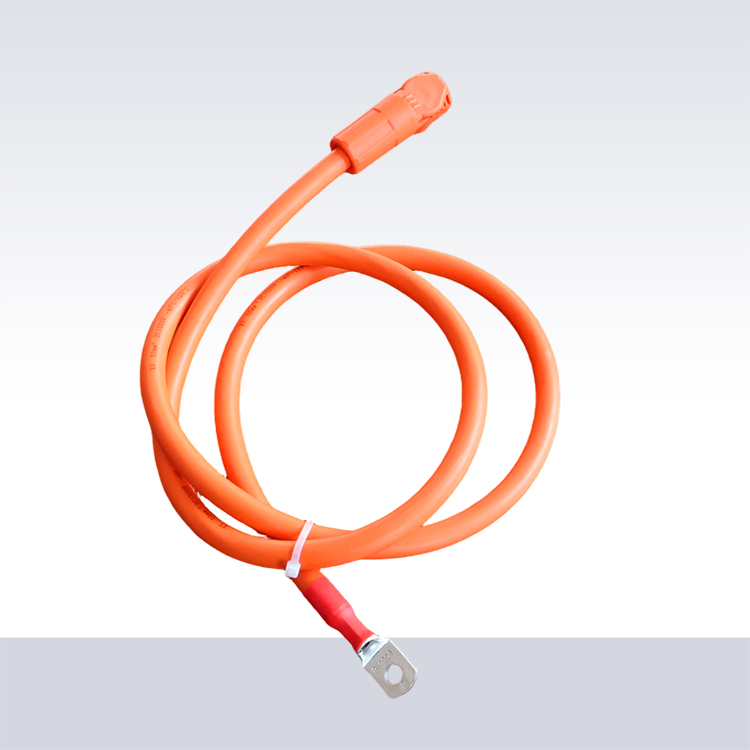
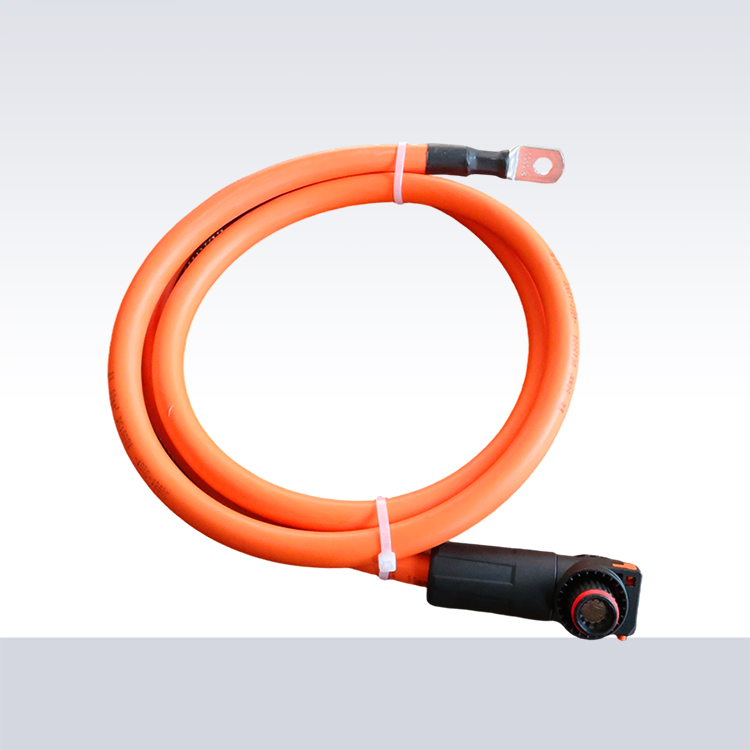
A well-installed PV DC cable is foundational to the long-term stability and energy efficiency of any photovoltaic system. As solar power continues to expand across residential, commercial, and utility-scale installations, the performance of the DC cabling directly influences power output, safety, and system reliability. Unlike general-purpose wiring, PV DC cables are engineered specifically for solar conditions—high temperatures, UV exposure, weather fluctuations, and continuous current flow.
For teams working with large solar projects or a manufacturer operating mass-scale production, understanding best-practice installation methods helps ensure each PV DC cable performs at its highest potential. Below are the essential guidelines that installers and engineers should follow to achieve maximum safety and efficiency.
1. Select the Right PV DC Cable Specifications
Choose the Proper Conductor Size
Cable sizing depends on voltage drop limits, system voltage, and expected current. Undersized wiring can reduce overall solar output and increase fire risks. Installers should always calculate the ideal cross-section based on cable length and load requirements.
Insulation and Jacket Materials
Top-quality PV DC cables use cross-linked polyethylene (XLPE) or similar insulations that withstand UV radiation, moisture, and thermal cycling. The outer jacket should be robust enough to resist abrasion and outdoor exposure.
Temperature & Voltage Ratings
Ensure the cable meets or exceeds:
Ambient temperature ranges
Continuous operating temperature limits
DC voltage ratings (commonly 600V / 1000V / 1500V)
Proper selection lays the foundation for long-term safety and electrical efficiency.
2. Plan Cable Routes Carefully
Avoid Sharp Bends
PV DC cable performance can degrade when bent tighter than the recommended minimum bend radius. Over-tight bends may damage insulation or cause conductor fatigue.
Minimize Cable Length
Shorter routes reduce voltage drop and energy loss. Keep the path as direct as possible between modules, string combiners, and inverters.
Protect Against Mechanical Damage
Avoid routing cables across abrasive edges, sharp metal surfaces, or areas with heavy foot traffic. When necessary, use protective conduits or trays.
3. Maintain Secure and Weather-Resistant Connections
Use Compatible Connectors
Always use connectors rated for PV applications. DC connectors must match in type, brand, and specification to ensure a secure and weatherproof seal.
Proper Crimping Techniques
Crimping tools should be calibrated and designed for solar cable connectors. Poor crimping increases resistance, overheating, and potential system failures.
Ensure Water and Dust Resistance
Check that all connections meet IP65 or IP67 standards for outdoor environments. Moisture intrusion is one of the leading causes of long-term DC cable failures.
4. Manage Cable Heat and Ventilation
Avoid Excessive Bundling
Bundling too many PV DC cables together restricts heat dissipation. Elevated temperatures reduce cable lifespan and raise fire risks.
Provide Adequate Airflow
When grouping cables in trays or conduits, allow spacing for natural cooling. In rooftop installations, suspend cables above the surface to reduce heat transfer from roofing materials.
5. Ensure UV and Weather Protection
Outdoor Exposure Compatibility
PV DC cables must be UV-resistant and rated for direct sunlight. However, keeping cables shaded where possible enhances longevity.
Abrasion and Moisture Protection
Use UV-stabilized cable ties, clamps, or routing hardware. In damp or coastal regions, additional moisture barriers and corrosion-resistant accessories are recommended.
6. Follow Safety Standards and Local Codes
Proper installation requires adherence to safety guidelines such as:
IEC 62930 (PV DC cable standard)
NEC Article 690 (U.S. solar requirements)
EN 50618 (European solar cable standard)
Compliance ensures that the PV DC cable installation meets legal requirements and minimizes operational risks.
7. Perform Regular Inspection and Maintenance
Check for Wear or Damage
Look for cracks, discoloration, deformation, or exposed conductors along the cable length.
Verify Mechanical Stability
Ensure all cable ties, clamps, and mounting fixtures remain intact and free from corrosion.
Test Electrical Continuity
Routine electrical testing helps detect hidden faults or gradual performance deterioration before they affect system output.
Long-term monitoring supports stable system operation, especially in large solar farms handling bulk supply power generation.
8. Ensure Proper Grounding and Protection Measures
Grounding and surge protection are essential for safety:
Install DC grounding in accordance with system design
Protect cables against lightning surges
Avoid parallel routing near AC lines to reduce interference
Proper grounding safeguards both electrical equipment and installation technicians.
Conclusion: Reliable Installation Ensures the Best Performance from Every PV DC Cable
A PV DC cable is a vital element in every photovoltaic system, and careful installation significantly enhances safety, performance, and durability. From choosing the right conductor size to ensuring proper routing, secure connections, and compliance with international standards, each step contributes to long-term system reliability. Whether you are an installer, engineer, or working with a dedicated manufacturer with high-volume production capacity, following these installation tips ensures that every solar array functions efficiently and safely for years to come.
References
Caballero, J., Quiles, P., & Andújar, J. M. (2013). Photovoltaic system performance and failures: A review. Renewable and Sustainable Energy Reviews, 21, 100–112.