

Current location: HOME > BLOGS > Company News >
How TUV Certification Improves Solar Cable Safety and Performance
time:2026-01-30 10:00:32 author:haoshizai Click:96
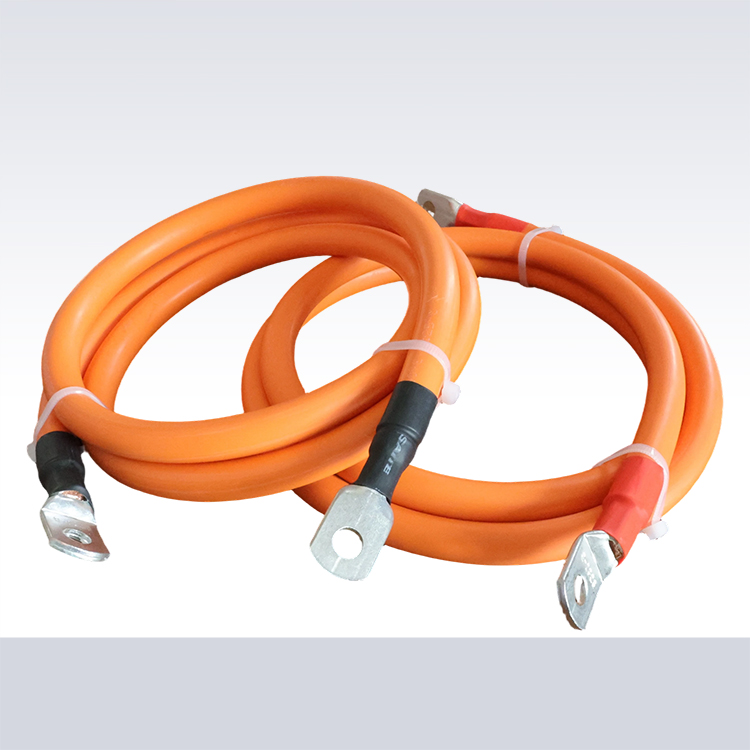
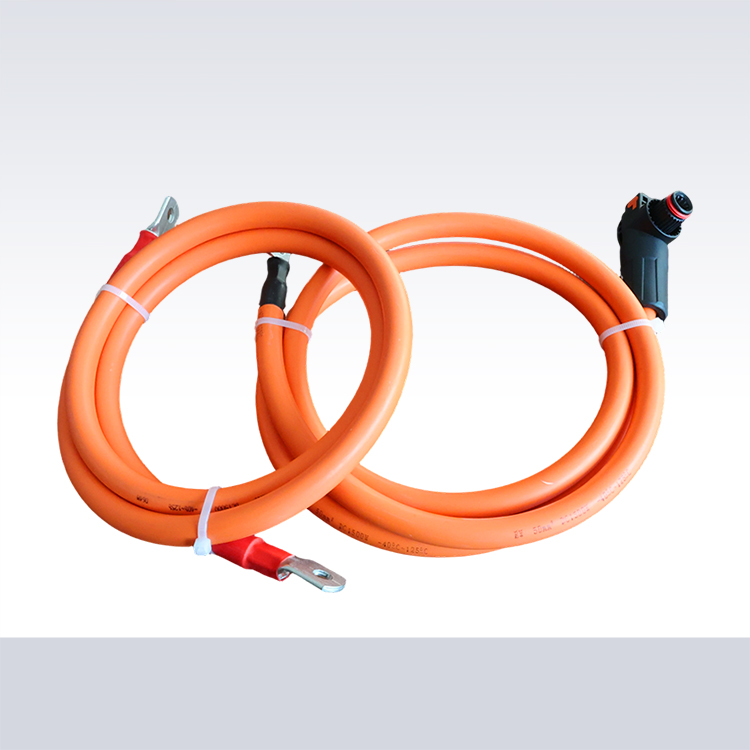
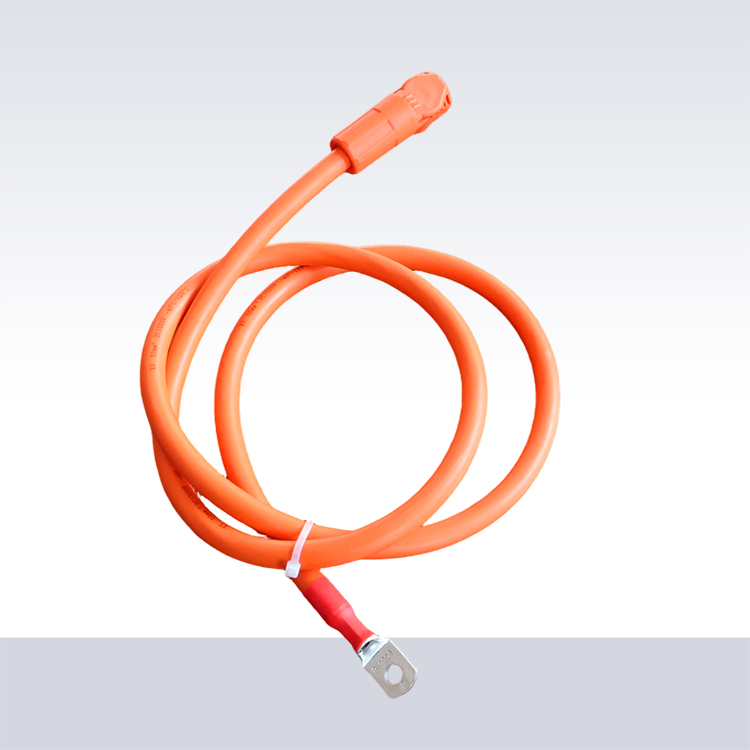
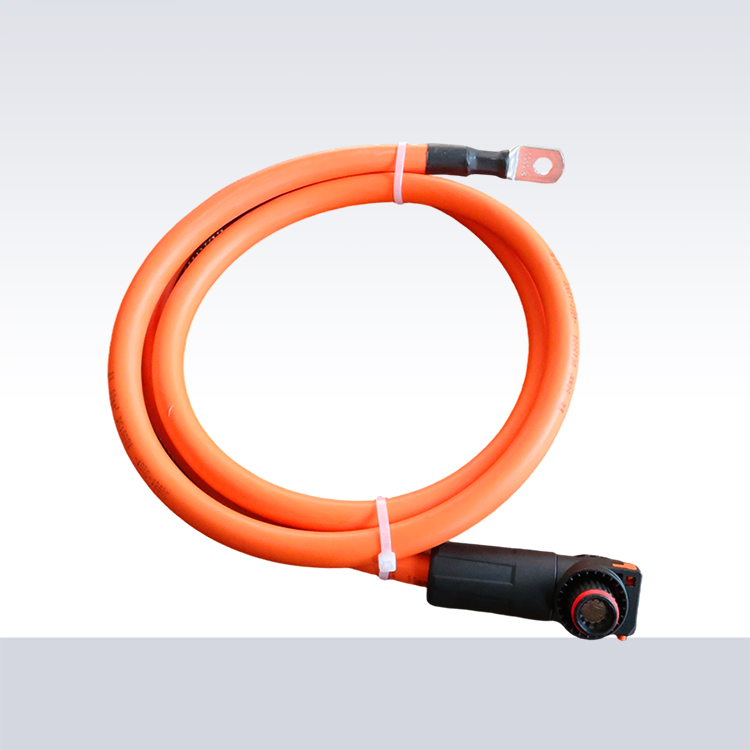
Selecting a reliable TUV certified PV cable is one of the most important steps for ensuring long-term safety and high performance in any photovoltaic installation. While solar panels and inverters often receive more attention, the cables that connect and deliver power across the system play a critical role in overall output and system lifetime. Using uncertified or low-quality cables may lead to overheating, energy loss, premature aging, or even fire hazards.
TUV certification provides proof that a PV cable has passed strict testing for durability, electrical reliability, and environmental resistance. For installers, engineers, and project owners who want stability, safety, and high efficiency, choosing TUV-certified wiring—especially from a supplier with strong Manufacturer capability and consistent Production quality—is essential.
1. What TUV Certification Means for PV Cables
TUV is one of the most recognized global testing and certification bodies. Its photovoltaic cable standards reflect real-world conditions, including high temperatures, UV radiation, mechanical stress, and long-term outdoor exposure.
A TUV certified PV cable must meet strict requirements related to:
Conductor purity and resistance
Insulation heat resistance
UV and ozone exposure
Aging performance and flexibility
Fire behavior
Environmental safety (halogen-free, low smoke)
This ensures that the cable will perform reliably throughout the solar system’s lifespan, often 25–30 years or longer.
2. How TUV Testing Improves Electrical Safety
DC power is more sensitive to insulation faults and overheating than AC power. TUV-certified cables undergo extensive electrical tests, including:
High-voltage endurance:
Ensures the insulation can withstand continuous DC stress without breakdown.
Conductor resistance measurement:
Guarantees low resistance for minimized energy loss and stable current flow.
Insulation integrity verification:
Prevents current leakage, short circuits, and thermal hotspots.
These tests help ensure the TUV certified PV cable delivers safe operation across various voltage classes, including 600V, 1000V, and 1500V systems.
3. Superior Material Standards Required for TUV Certification
A major advantage of TUV-certified cables is the high-quality materials used in their construction.
High-Purity Copper Conductors
Lower resistance
Better conductivity
Lower temperature rise
More stable performance over time
Tinned Copper Option for Corrosion Resistance
Ideal for humid, coastal, or industrial environments.
XLPO Insulation and Sheath
TUV standards require the use of cross-linked polyolefin compounds with:
Excellent UV and ozone resistance
High thermal stability from –40°C to +120°C
Superior mechanical flexibility
Halogen-free flame-retardant behavior
These premium materials significantly extend cable lifespan and protect the entire PV system from environmental and electrical risks.
4. Enhanced Durability Under Harsh Outdoor Conditions
Solar cables operate in some of the toughest outdoor environments. TUV testing simulates decades of exposure to ensure durability.
UV and Sunlight Exposure Tests
Guarantee that the cable will not crack or degrade under long-term UV radiation.
Thermal Cycling
Ensures the cable can withstand daily expansion and contraction caused by temperature changes.
Moisture and Damp Heat Testing
Protects the cable from humidity, rain, and condensation.
Abrasion and Mechanical Stress Resistance
Ensures stability during installation and long-term operation.
A TUV certified PV cable provides reliable protection in deserts, coastal regions, snowy climates, or tropical environments.
5. Better Fire Safety and Low-Smoke Characteristics
Many TUV-certified cables are halogen-free and flame-retardant, reducing smoke emission and toxic gases in case of a fire. This is especially important for residential installations, commercial rooftops, and indoor cable runs.
TUV compliance assures:
Flame-retardant performance
Low-smoke, halogen-free insulation
Reduced toxicity during fire events
This protects both people and property.
6. Why Manufacturer-Level Production Matters for TUV Certification
Although any supplier can purchase or resell cables, only a real Manufacturer can control the entire Production process required for true quality consistency.
A qualified production facility typically includes:
In-house copper wire drawing and stranding
Insulation and sheath extrusion using controlled temperature systems
Automated diameter, eccentricity, and resistance monitoring
Full lab testing for every batch
These capabilities ensure not just certification, but continuous compliance with TUV standards.
Installers and project owners benefit from:
Reliable bulk supply capability
Consistent quality in every shipment
Stable long-term availability for system expansion
Faster delivery timelines for project deadlines
This is especially important for commercial and utility-scale solar projects.
7. Performance Advantages of TUV Certified PV Cable
Choosing a TUV-certified cable provides measurable performance benefits:
Lower Power Loss
High-conductivity copper and precise manufacturing reduce resistance.
Longer Cable Lifespan
High-grade insulation withstands sunlight, heat, and humidity.
Higher System Efficiency
Stable voltage delivery and lower temperature rise improve energy yield.
Reduced Maintenance Costs
Durable materials minimize the risk of cracks, corrosion, or insulation failure.
All these improvements contribute to enhanced overall system reliability.
Conclusion: A TUV Certified PV Cable Is Essential for Safe, Long-Term Solar Performance
A high-quality TUV certified PV cable is an essential component of any modern solar system. From electrical safety and fire resistance to UV durability and long-term performance, TUV certification guarantees that the cable meets strict international standards. When combined with a supplier offering strong Manufacturer-Production capability and dependable bulk supply, installers and project developers can ensure stable, efficient, and safe performance for decades.
Choosing the right TUV certified PV cable is not just a technical choice—it’s an investment in the durability and safety of your entire solar installation.
References
CENELEC. (2014). EN 50618: Electric cables for photovoltaic systems. European Committee for Electrotechnical Standardization.