

Current location: HOME > BLOGS > Company News >
How to Match Solar Panel Cables with Panel Voltage and Current Ratings
time:2026-01-30 10:02:25 author:haoshizai Click:126
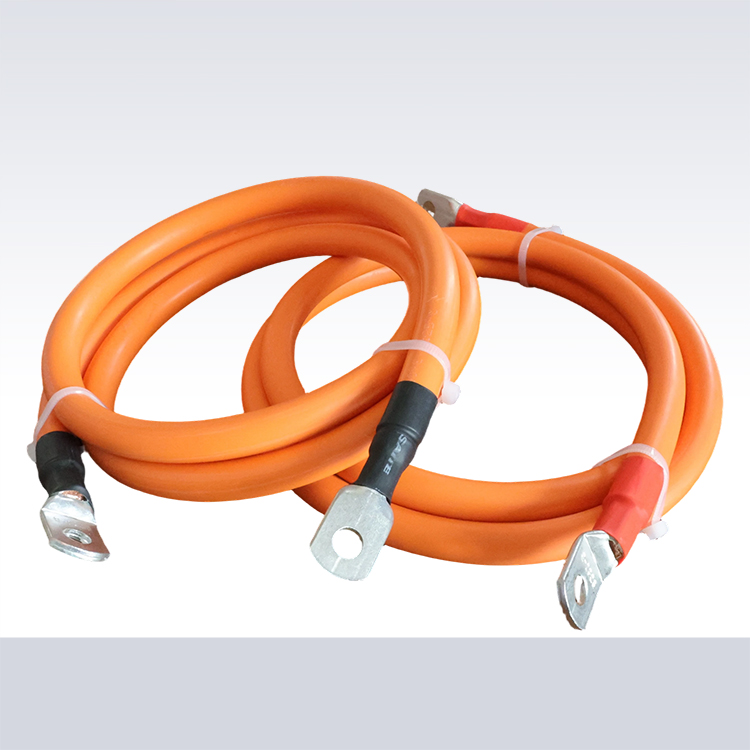
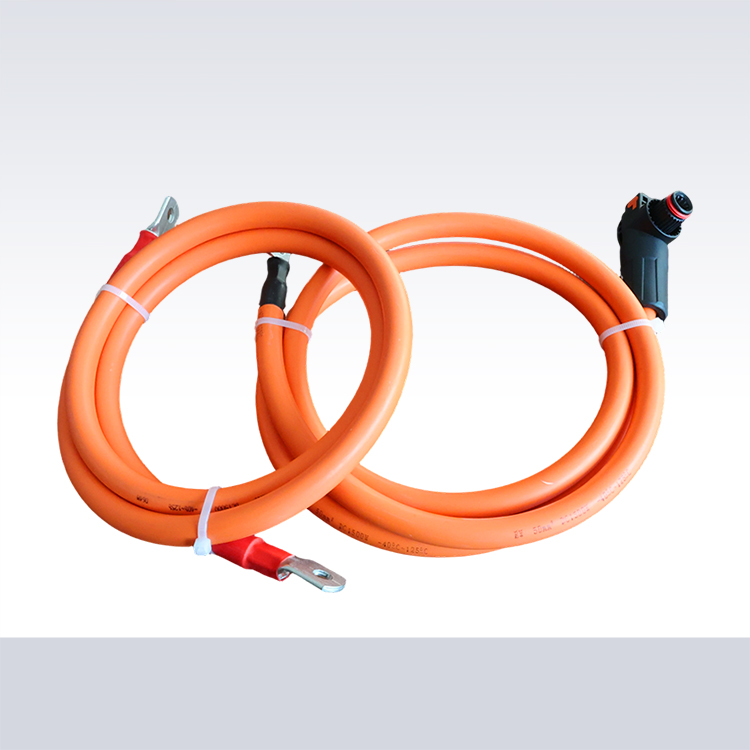
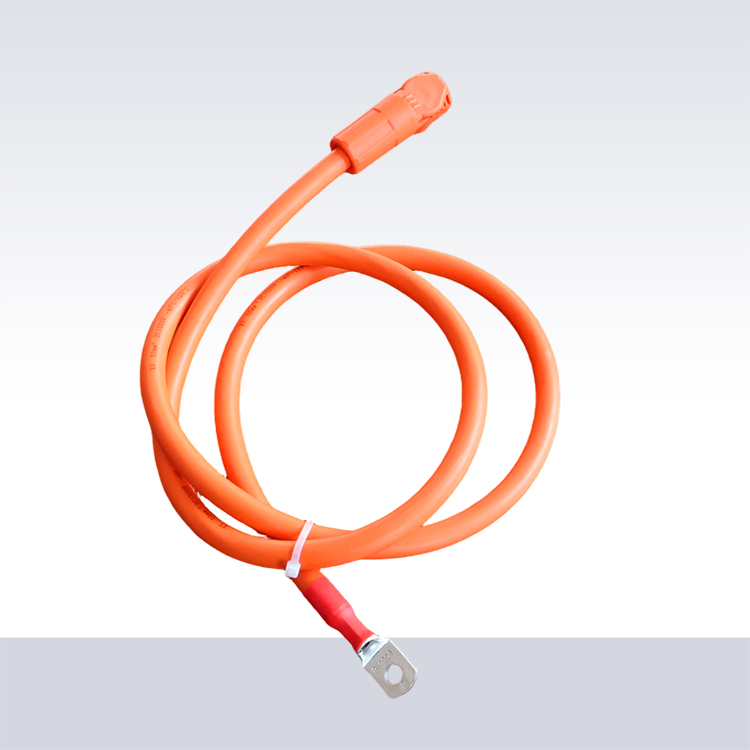
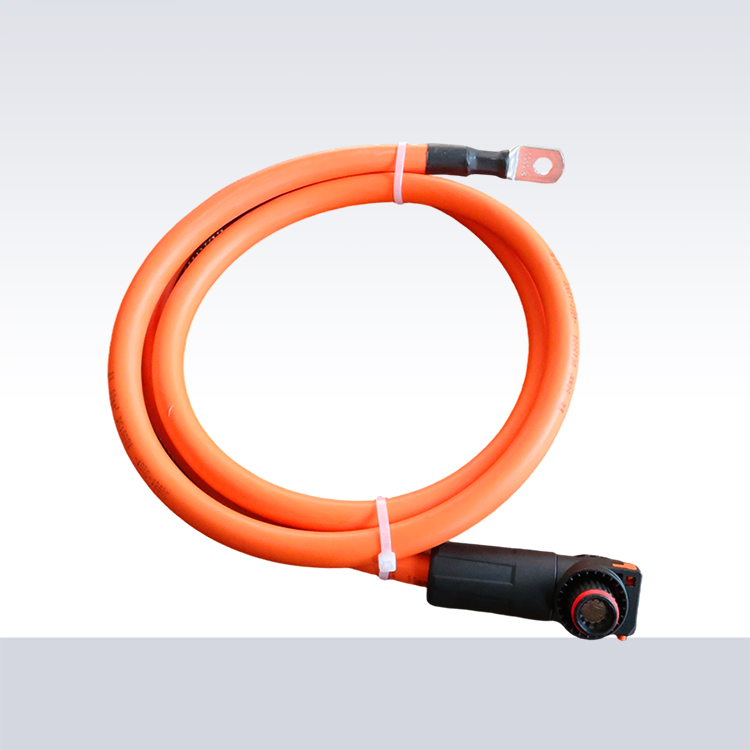
Selecting the right Solar panel cable is essential for achieving maximum efficiency and long-term reliability in any photovoltaic system. While many installers and project owners focus on solar panels and inverters, the cable that carries DC power between components is just as critical. Using cables that do not match the panel’s voltage and current ratings can lead to excessive power loss, overheating, voltage drop, or even insulation failure.
Whether you are designing a rooftop installation or a utility-scale solar farm, proper cable selection—and choosing a supplier with real Manufacturer capability and consistent Production strength—helps ensure the system operates safely and delivers stable performance across its lifespan.
1. Why Matching Solar Panel Cables to Ratings Matters
Solar panels operate under continuous sunlight exposure and often high DC voltage. The cables you choose must safely handle the panel’s output while maintaining low electrical resistance. If the cable is undersized or poorly insulated, it can cause unnecessary power loss, overheating, or degradation of insulation materials. Over time, this directly reduces the overall energy yield of the solar system.
A properly matched Solar panel cable ensures stronger electrical performance, stable voltage delivery, lower operating temperatures, and a longer service life—especially in harsh outdoor environments.
2. Voltage Rating Requirements for Solar Panel Cable
Every solar PV system operates within a specific DC voltage range. Modern PV systems commonly use 600V, 1000V, or 1500V configurations. The solar cable you choose must have a voltage rating equal to or greater than the system voltage. Using a lower rated cable increases the risk of insulation breakdown or electrical arcing.
Cables compliant with IEC 62930 or EN 50618 are specifically designed for 1000V and 1500V systems. These standards ensure the Solar panel cable can withstand continuous DC voltage stress, temperature cycles, and UV exposure without degrading prematurely.
In practical terms, if your system operates at 1000V, the cable must be rated for at least 1000V. For utility-scale systems running at 1500V, only cables rated for that voltage should be used.
3. Matching Cable Size to Solar Panel Current
The current rating of a solar panel determines how large the cable conductor must be. Standard solar modules typically produce between 8 and 18 amps depending on design and power output. When panels are wired in parallel, total string current increases and requires a larger cable.
The goal is to select a cable size that limits voltage drop to acceptable values—usually under 3% for DC wiring. If the cable is undersized, resistance increases and generates heat, which can accelerate insulation aging and decrease power output.
In most solar installations, commonly used conductor sizes are 2.5mm², 4mm², and 6mm². Larger systems with long cable runs may require 10mm² or more to maintain efficiency. Matching cable size to current is essential for protecting the system and ensuring maximum power delivery.
4. Conductor Material Significantly Affects Cable Performance
The type of conductor used in a Solar panel cable influences electrical performance and durability. Tinned copper is considered the best choice for high-quality solar installations because it offers excellent corrosion resistance, especially in humid or coastal environments. It also maintains low resistance over long-term exposure to sunlight and heat.
High-purity bare copper is also used in many systems and provides good conductivity at a lower cost. Cables produced by suppliers with strong Manufacturer capability tend to use higher-quality copper strands and better stranding techniques, which improves flexibility and reduces the risk of conductor breakage during installation.
5. Insulation and Sheath Materials Must Match Voltage and Current Needs
The insulation layer protects the conductor from heat, moisture, and UV radiation, while the outer sheath defends against mechanical stress and weather conditions. For solar applications, XLPO (cross-linked polyolefin) is widely used because it supports high voltage, resists UV exposure, and performs reliably from –40°C to +120°C.
High-quality insulation ensures the Solar panel cable can safely handle high current flow without degrading. Poor insulation materials can harden, crack, or lose dielectric strength over time, increasing the risk of system failures.
6. Temperature Plays a Key Role in Cable Safety and Efficiency
Solar cables often operate in hot environments, especially on rooftops or in desert climates. As temperature increases, the cable’s ability to carry current decreases. For this reason, Solar panel cables should have a continuous operating temperature of at least 90°C, with short-term ratings up to 120°C.
Cables designed for extreme cold—down to –40°C—are essential in colder regions to prevent stiffness or cracking during installation. Temperature resistance ensures long-term stability across different climates and operating conditions.
7. The Importance of Manufacturer-Level Production and Quality Testing
Solar panel cables undergo significant electrical and environmental stress over their lifetime. Choosing a supplier with real Production capability ensures consistent quality and reliable bulk supply for project-level demands.
A reliable manufacturer will provide cables that have undergone essential testing, including:
·conductor resistance verification
·insulation thickness measurement
·high-voltage testing
·UV and aging chamber testing
·water immersion and wet insulation tests
·mechanical bending and impact tests
This level of quality control ensures the cable can maintain performance throughout the system’s operating life.
For large solar installations, stable bulk supply capability is equally important. It guarantees consistent cable batches, predictable lead times, and reliable availability for project expansion or maintenance.
8. Matching Cable Types to Different Sections of a PV System
Different parts of the solar system require different types or sizes of cable. Module-to-module wiring generally uses flexible UV-resistant cable, while the wiring between strings and combiner boxes may require larger conductors to handle higher currents or longer distances. Proper matching ensures performance consistency across the entire PV system and avoids energy loss in critical sections.
Conclusion: The Solar Panel Cable You Choose Determines System Performance
A high-quality Solar panel cable matched correctly to the panel’s voltage and current ratings ensures safe operation, higher energy yield, and long-term system reliability. Understanding conductor size, insulation materials, temperature ratings, and voltage requirements helps ensure optimal performance. When combined with a supplier offering strong Manufacturer-Production capability and dependable bulk supply, your solar installation benefits from stability, efficiency, and decades of dependable service.
Selecting the right Solar panel cable is one of the smartest investments you can make in any photovoltaic system.
References
Bansal, R. C. (2005). Overview of power cables used in photovoltaic power systems. Renewable and Sustainable Energy Reviews, 9(6), 563–572.