

Current location: HOME > BLOGS > Industry Trends >
How Weatherproof Solar Cable Survives Harsh Environments
time:2026-01-30 09:36:31 author:haoshizai Click:61
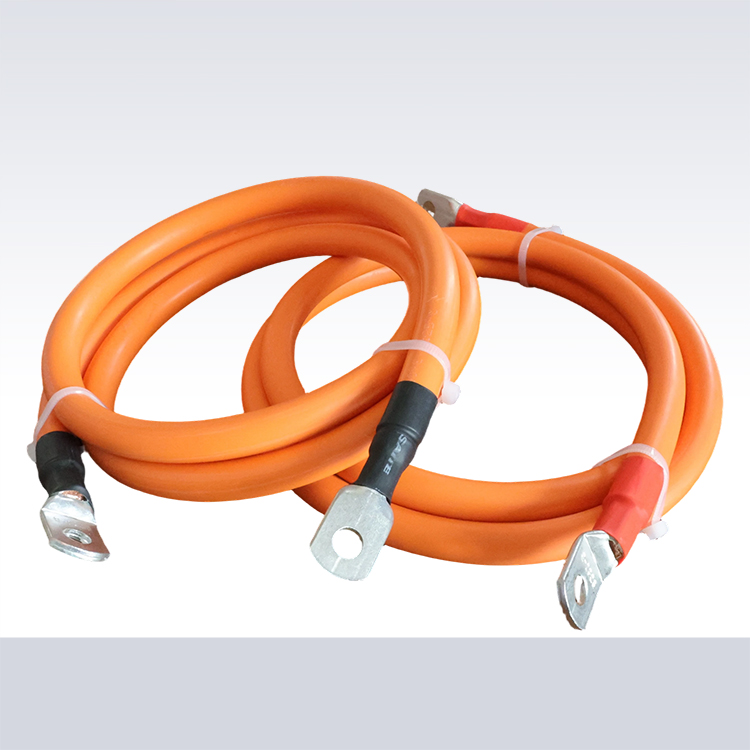
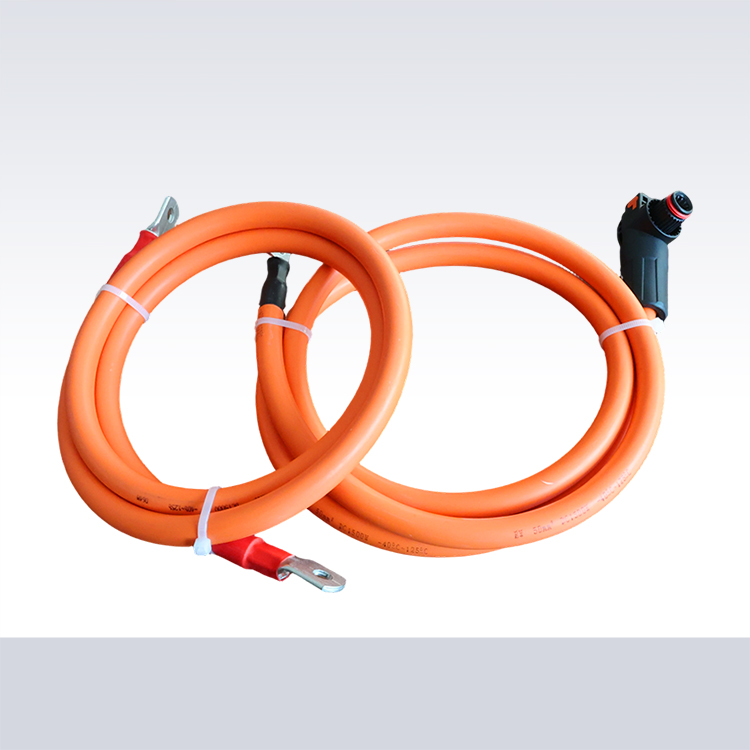
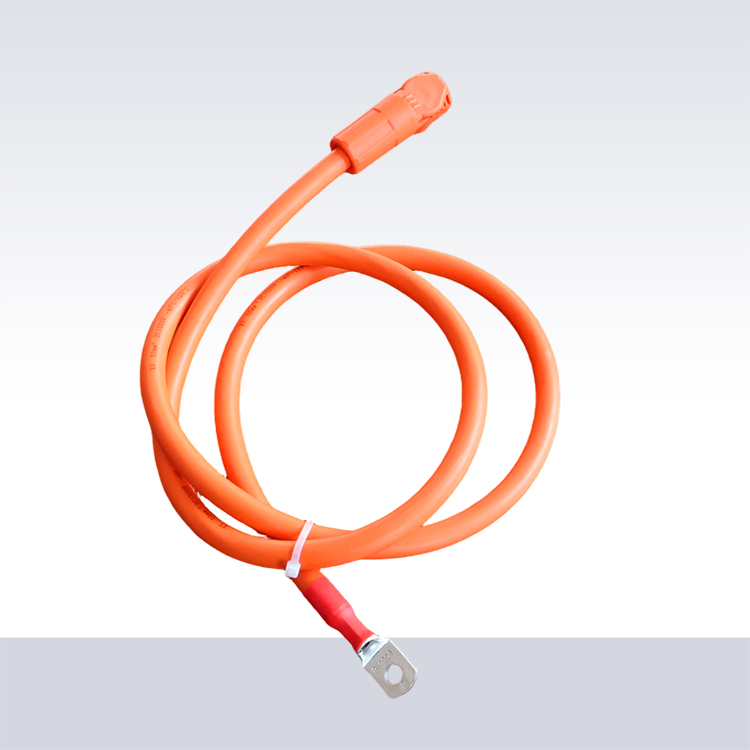
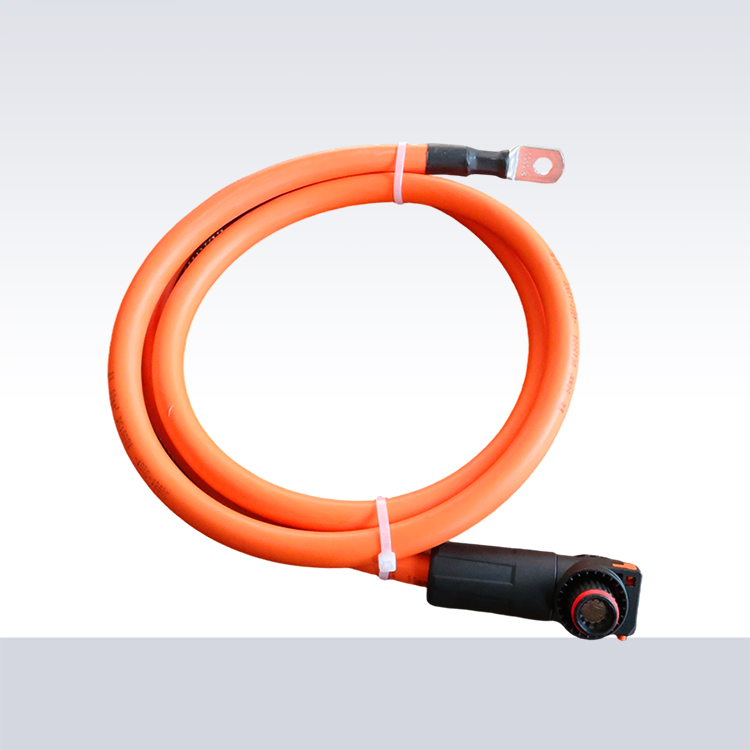
Any outdoor solar installation must rely on durable components, and one of the most critical is the Weatherproof Photovoltaic Cable. These cables are engineered to resist environmental stress while ensuring stable power transmission between solar modules, inverters, and other system components.
For projects requiring long service life—residential, commercial, or utility-scale—selecting a cable produced by a professional Manufacturer with strong Production capability is essential. A high-quality Weatherproof Photovoltaic Cable ensures stable performance regardless of climate conditions.
Why Weatherproof Photovoltaic Cable Matters
Solar cables are constantly exposed to harsh environments:
·Strong UV radiation
·Heavy rain or moisture
·Sand, salt mist, and dust
·Temperature fluctuations
·Mechanical vibration and tension
A standard cable cannot withstand these stresses for long. A Weatherproof Photovoltaic Cable, however, is engineered specifically for such conditions, ensuring:
·Long-term insulation integrity
·Minimal power loss
·High resistance to aging
·Safe operation over decades
This durability directly affects the overall lifespan and efficiency of a solar energy system.
1. UV Resistance: The First Layer of Protection
In open-field PV installations or rooftop systems, solar cables remain under direct sunlight for years. Without UV-resistant insulation, the cable exterior can crack, harden, or fade, eventually leading to electrical leakage or fire hazards.
A Weatherproof Photovoltaic Cable typically uses:
·XLPE (Cross-Linked Polyethylene)
·UV-stabilized thermoset insulation
·Anti-aging additives
These materials maintain flexibility and dielectric strength even after long-term sun exposure.
2. Temperature Stability for Extreme Climates
Solar installations operate in diverse climates—from deserts exceeding 90°C to icy regions falling below −40°C.
A high-grade Weatherproof Photovoltaic Cable can withstand:
·Operating temperatures of −40°C to +120°C
·Short-circuit temperatures up to 250°C
·Daily thermal expansion cycles
Its insulation and jacket materials resist melting, cracking, and deformation, preventing energy loss caused by thermal stress.
3. Resistance to Moisture and Chemical Exposure
Humidity, rain, salt mist, and industrial pollution can severely damage ordinary cables. Weatherproof PV cables are designed with:
·Water-resistant insulation
·Corrosion-resistant tinned copper conductors
·Sealed connectors to prevent moisture ingress
These features make the cable suitable for coastal installations, floating solar plants, and humid regions.
4. Mechanical Strength and Flexibility
Outdoor conditions expose cables to:
·Wind load
·Snow pressure
·Thermal expansion
·Vibration from mounting structures
To survive these stresses, Weatherproof Photovoltaic Cables include:
·Reinforced insulation layers
·High-flexibility jackets
·High-strand-count copper for bending resistance
The cable maintains strong electrical contact even when routing requires bending or continuous vibration occurs.
5. Fire Resistance and Safety Standards
Safety is a top priority in solar installations. Weatherproof PV cables typically comply with international standards such as:
·IEC 62930
·TÜV 2PfG 1169/08.2007
·UL 4703
Fire-retardant materials help prevent flame propagation, giving the system added protection in case of electrical faults.
Choosing a cable from a reliable Manufacturer ensures consistent compliance with these certifications.
6. Long-Term Reliability Through Quality Manufacturing
Durability depends not only on materials but also on manufacturing precision. A Weatherproof Photovoltaic Cable from an experienced Manufacturer guarantees:
·Controlled Production processes
·Consistent conductor purity
·Accurate extrusion thickness
·Reliable insulation bonding
·Rigorous aging and bending tests
Manufacturers with bulk supply capability also ensure stable availability for both small installations and large projects.
7. Application Scenarios for Weatherproof PV Cable
This type of cable is ideal for long-term outdoor PV environments, including:
·Residential rooftops
·Commercial solar plants
·Ground-mount systems
·Off-grid installations
·Desert or tropical regions
·Coastal solar farms
·Floating PV systems
Its environmental resilience ensures dependable operation anywhere.
Conclusion
A Weatherproof Photovoltaic Cable is vital for the long-term reliability and performance of any outdoor solar system. Its UV resistance, temperature stability, mechanical durability, and moisture protection allow it to survive extreme environments without degrading.
Selecting cables from a trusted Manufacturer with strong Production capacity ensures consistent quality, certified safety, and reliable supply—key factors for the success of any solar installation.
References
Kempe, M. D. (2010). Ultraviolet light test and evaluation methods for photovoltaic materials. Solar Energy Materials and Solar Cells, 94(2), 246–253.