

Current location: HOME > BLOGS > Industry Trends >
How to Choose the Right Solar Panel Connector Cable for Your PV Setup
time:2026-01-30 09:37:30 author:haoshizai Click:166
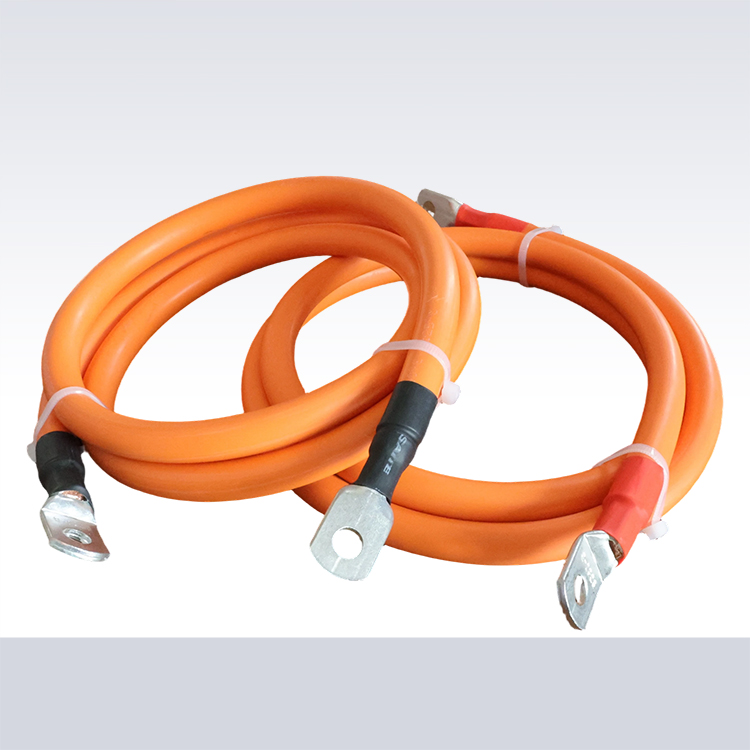
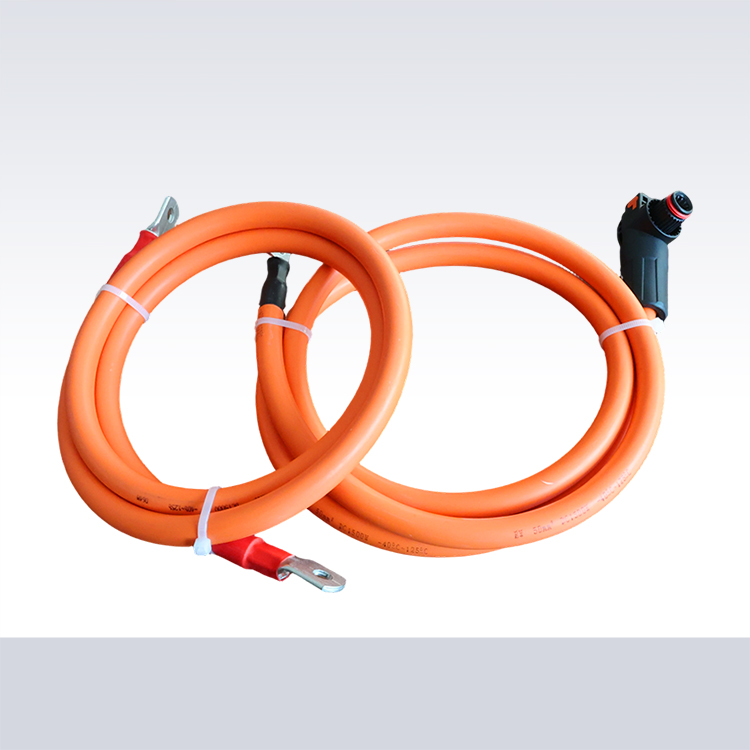
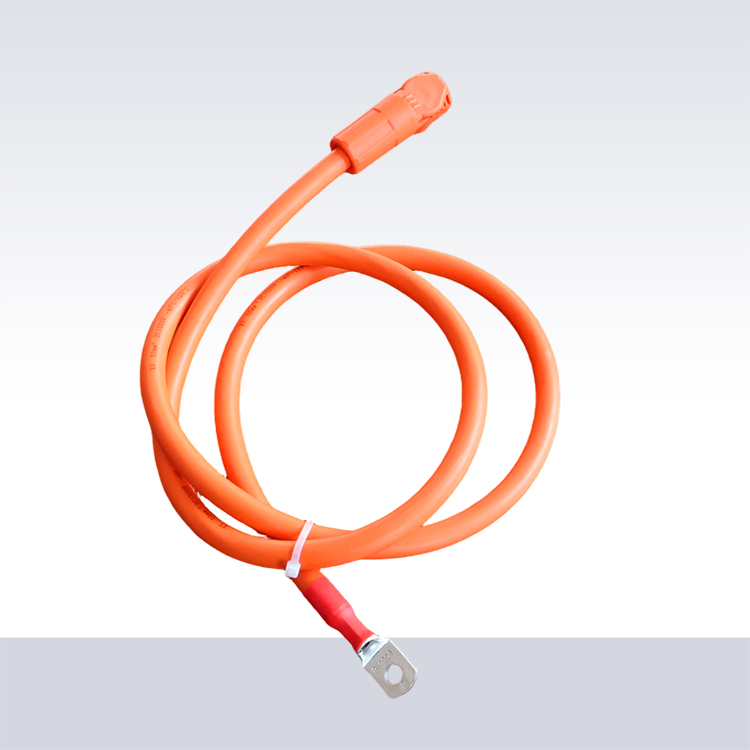
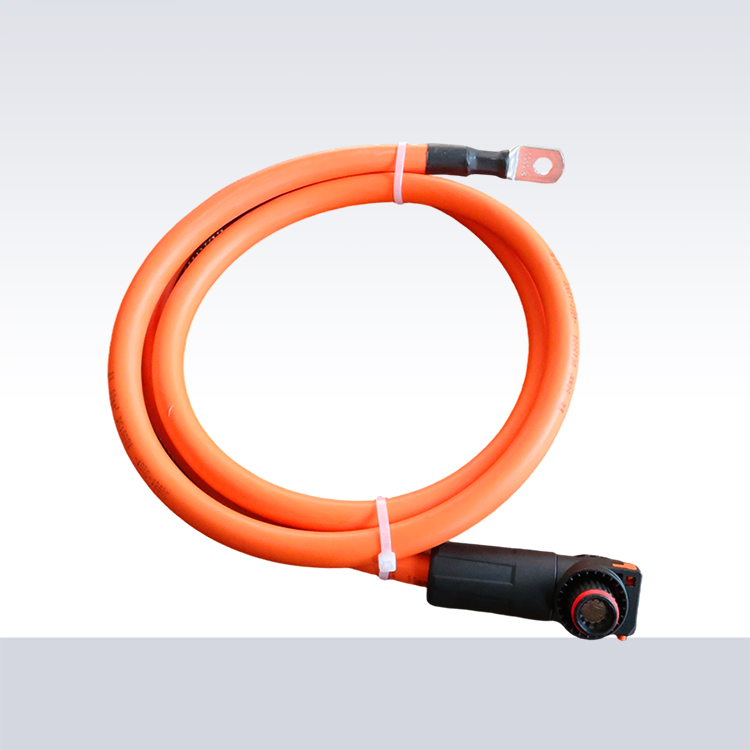
Selecting the correct Solar Panel Connector Cable is one of the most important decisions when building or upgrading a photovoltaic (PV) system. The cable you choose affects conductivity, long-term durability, power efficiency, and safety. Whether you're working on a home rooftop array or a commercial solar project, using the right connector cable helps ensure strong performance and consistent energy delivery.
As a professional Manufacturer with reliable Production capabilities and bulk supply capacity, understanding what customers look for in a Solar Panel Connector Cable helps ensure that every project achieves the necessary electrical and mechanical standards.
Why the Solar Panel Connector Cable Matters
A PV system typically operates at low voltage but high current, which means any resistance or connection weakness can lead to:
·Power loss
·Overheating
·Reduced efficiency
·Safety hazards
·Long-term reliability issues
A high-quality Solar Panel Connector Cable dramatically reduces these risks by providing stable, low-loss conductivity between solar panels, inverters, and other components.
1. Understand the Function of Solar Panel Connector Cables
Solar Panel Connector Cables are responsible for:
·Transmitting DC power efficiently
They carry the energy generated by solar panels to the inverter with minimal voltage drop.
·Providing secure, weatherproof connections
Good connectors are UV-resistant, waterproof (often IP67 or IP68), and designed for outdoor use.
·Ensuring system safety
Correct cable insulation and connector locking mechanisms prevent short circuits and accidental disconnections.
·Supporting long-term installation stability
A durable cable maintains strong performance even under extreme temperatures, moisture, and mechanical stress.
2. Choose the Right Cable Size
The cross-sectional size of the conductor directly influences power loss and voltage drop.
Typical Solar Panel Connector Cable sizes include:
·2.5mm² – Suitable for low-power residential setups
·4mm² – Most common size for mid-range systems
·6mm² – Ideal for long-distance runs or high-current systems
·10mm² and above – Used for commercial-scale PV arrays
Rule of Thumb:
Larger systems → longer cable runs → larger cable size needed to reduce power loss.
3. Select High-Grade Conductor Material
Two primary conductor types exist:
Copper (preferred)
·Best electrical conductivity
·Lower resistance → higher efficiency
·Durable and less prone to corrosion
Tinned Copper
·Same benefits as copper but with added corrosion protection
·Ideal for humid or coastal environments
Avoid cables made with CCA (copper-clad aluminum)—they are cheaper but significantly less efficient and prone to failure.
4. Examine the Insulation and Jacket Material
Outdoor PV cables require insulation that withstands extreme weather.
Look for materials such as:
·XLPE (Cross-Linked Polyethylene)
·PVC-free halogen-free compounds
·UV-resistant, flame-retardant insulation
High-quality Solar Panel Connector Cables retain their flexibility and insulation strength even after years of sun exposure.
5. Ensure Compatibility with Standard PV Connectors
Most PV systems use standard connectors such as MC4-type mechanisms. When choosing your cable:
·Ensure the cable fits the connector’s clamping range
·Confirm proper stripping size and crimping specifications
·Verify the connector is rated for DC voltages typically used (600V / 1000V / 1500V)
A mismatched connector can cause overheating, arcing, or partial contact, all of which are major safety hazards.
6. Evaluate Manufacturer Quality and Production Capability
Because performance depends heavily on cable construction quality, choosing a supplier with strong manufacturing capability is essential.
Look for a Solar Panel Connector Cable Manufacturer that provides:
·In-house testing equipment
·Stable bulk Production capacity
·Compliance with global PV cable standards (IEC 62930, TUV, UL)
·Long-term supply availability
·Quality inspection and performance certification
These indicators show the supplier can guarantee consistent product quality and reliable long-term supply.
7. Consider Installation Environment
Your installation conditions also influence the best cable choice.
Factors to evaluate:
·Temperature range
·Humidity level
·Exposure to chemicals or salt air
·Mechanical stress (movement, bending, tension)
·Cable routing method (roof, conduit, underground)
For extreme environments, selecting a premium Solar Panel Connector Cable with enhanced UV protection and temperature durability is crucial.
Conclusion
Choosing the right Solar Panel Connector Cable ensures stable performance, reduced power loss, long service life, and a safer PV installation. By selecting proper cable size, high-grade conductor material, weather-resistant insulation, and a reliable Manufacturer with strong Production capability, you can build a system that performs efficiently for decades.
A well-chosen Solar Panel Connector Cable is not just a component—it’s a long-term investment in the performance and reliability of your solar energy system.
References
Diwan, P., & Agarwal, V. (2007). Maximizing efficiency of solar photovoltaic systems by reducing connector and wiring losses. Solar Energy Materials and Solar Cells, 91(4), 283–289.