

Current location: HOME > BLOGS > Industry Trends >
How Photovoltaic Cable Enhances Solar System Output and Stability
time:2026-01-30 09:44:02 author:haoshizai Click:171
As solar energy adoption accelerates worldwide, system owners increasingly recognize that panel efficiency alone does not determine total energy output. The components that connect, transmit, and stabilize electrical power—especially photovoltaic cable—play a crucial role in performance.
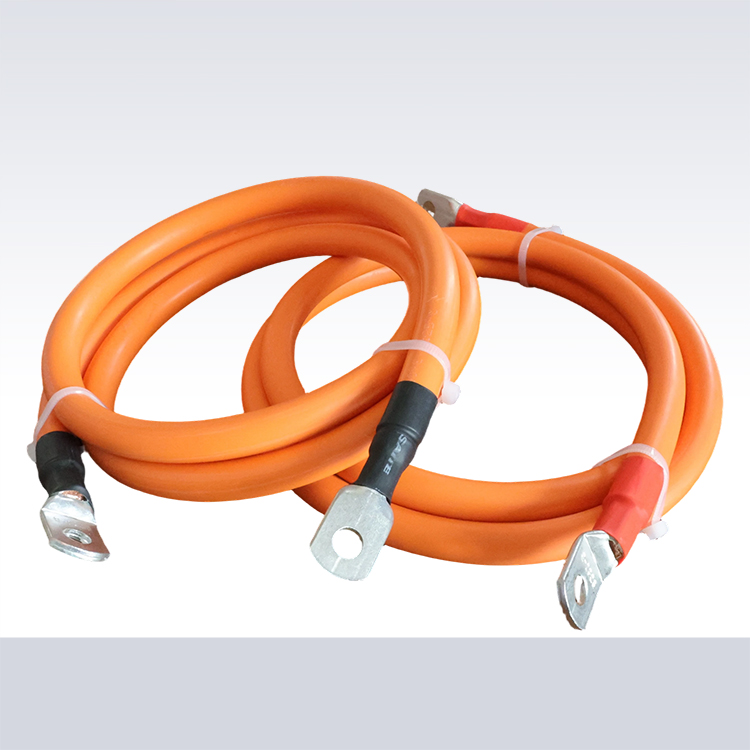
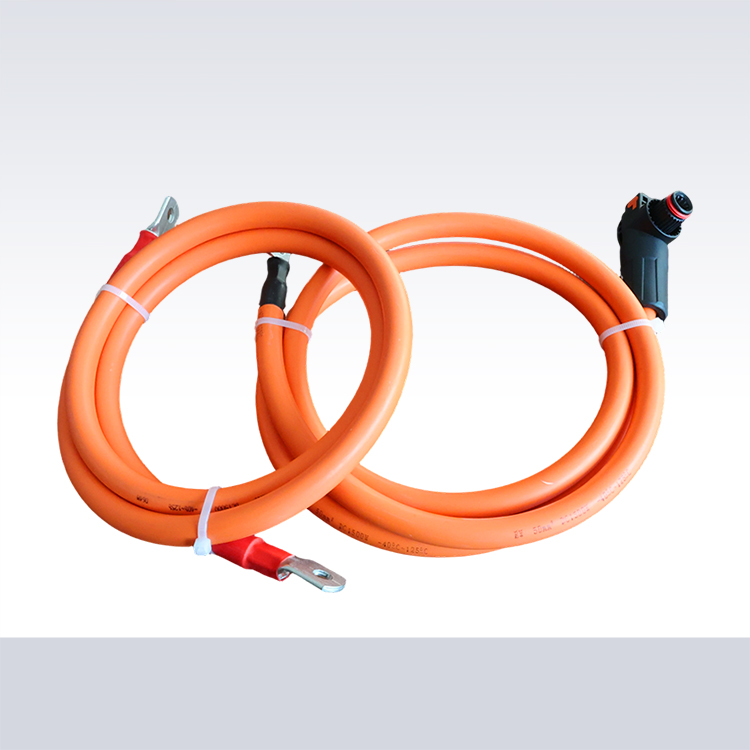
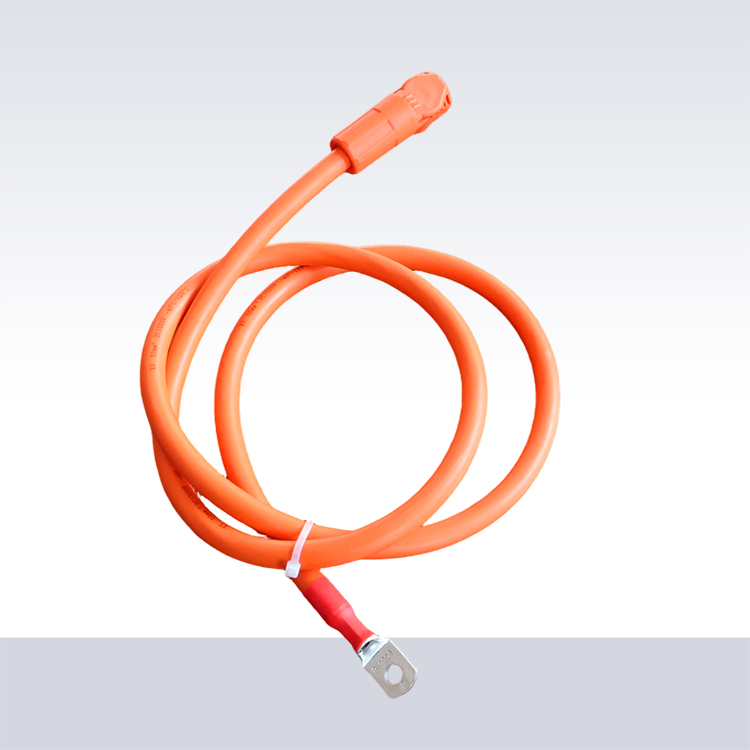
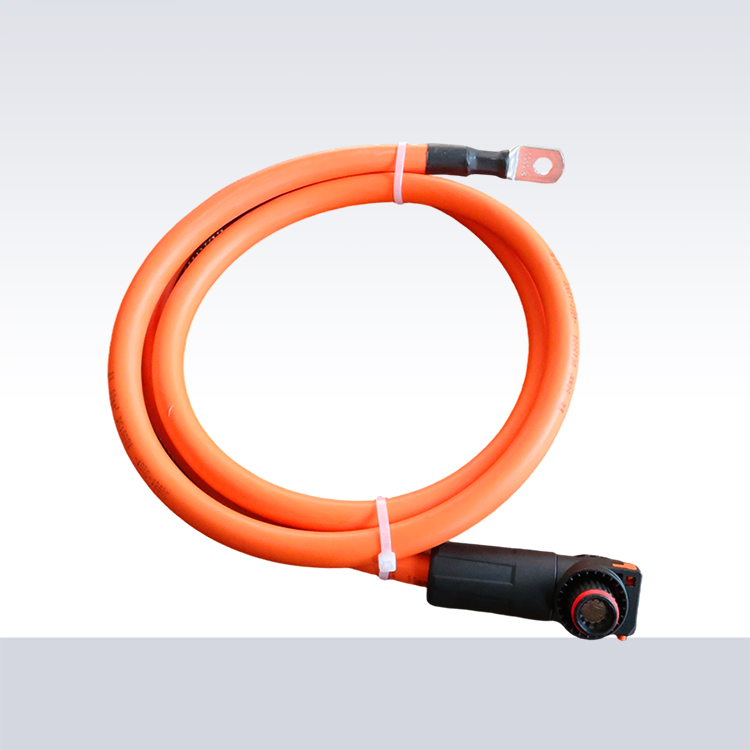
At the very beginning of a solar installation, choosing durable, manufacturer-grade Photovoltaic Cable made with precise production standards and available for bulk supply can significantly reduce power loss, prevent failures, and ensure long-term reliability.
This article explores how photovoltaic cable affects solar system performance, why its material characteristics matter, and how proper cable selection enhances system output and stability.
1. Why Photovoltaic Cable Matters in Solar Power Systems
A solar power system involves continuous DC transmission from panels to inverters. Unlike AC cabling in traditional buildings, PV DC environments place extreme demands on cables, including:
·Constant exposure to sunlight, UV, and moisture
·Long-term operation under high temperatures
·High DC voltage stress, which is more damaging than AC
·Outdoor environments with abrasion, chemical exposure, and mechanical stress
Because of these factors, a photovoltaic cable must maintain structural integrity for 20+ years while resisting degradation that could otherwise cause:
·Voltage drops
·Hot spots
·Insulation cracking
·Electrical leakage
·Fire hazards
·Reduced output and higher maintenance costs
This is why choosing a properly engineered Photovoltaic Cable—especially one produced by a manufacturer with controlled production quality—is essential to achieving stable solar performance.
2. PV Cable Construction Designed for High Efficiency
High-quality photovoltaic cable improves solar system output primarily because of its specialized material structure. Key features include:
a. Tinned Copper Conductors
Tinned copper improves conductivity while preventing oxidation, ensuring:
·Lower resistance
·Better current flow
·More efficient power transmission
·Longer service life
Lower conductor resistance directly translates into less energy loss across long cable runs.
b. Cross-Linked Polyethylene (XLPE) Insulation
XLPE is widely used in photovoltaic cable because it offers:
·High temperature resistance (90–120°C)
·Strong dielectric strength
·Excellent mechanical durability
·Stability against chemicals and abrasion
These characteristics help maintain consistent system output even in harsh conditions.
c. UV-Resistant, Weatherproof Sheathing
The outer sheath of photovoltaic cable resists:
·UV radiation
·Ozone
·Moisture
·Temperature cycles
·Sand, dust, wind, and physical impact
By preventing cracking or brittleness, the cable remains stable and safe across decades.
3. How Photovoltaic Cable Enhances Solar Output
a. Reduced Power Loss (Lower Voltage Drop)
Voltage drop is a critical factor in solar installations. Quality photovoltaic cable minimizes this through:
·High-purity copper
·Precise conductor sizing
·Stable insulation
·Controlled manufacturing tolerances
Lower voltage drop = more usable electricity reaching the inverter.
b. Stable Current Flow in High-Temperature Environments
Solar installations get extremely hot. Low-quality cables often:
·Increase resistance
·Soften under heat
·Accelerate insulation aging
Photovoltaic cable designed for 90–120°C continuous operation ensures stable output even in summer conditions.
c. Minimizing System Failure & Downtime
Cable failures can lead to:
·Inverter faults
·String mismatches
·Arc faults
·Production loss
·Expensive repairs
By selecting dependable photovoltaic cable, installers reduce downtime and ensure consistent power generation.
d. Long-Term Durability for 20–25 Years
Solar projects are long-term investments. A durable photovoltaic cable maintains:
·Electrical integrity
·Mechanical strength
·Environmental resistance
·Performance stability
This directly impacts return on investment (ROI) by ensuring steady output over decades.
4. Enhancing System Stability Through Proper Cable Selection
High-performance solar systems require more than just panels; they require a complete interconnection solution. Photovoltaic cable improves system stability by:
a. Supporting High Voltage DC Transmission
Modern utility-scale systems increasingly use:
·1000V DC
·1500V DC
Photovoltaic cable designed for these voltages reduces insulation stress and prevents breakdown.
b. Preventing Hot Spots and Energy Loss
Poor cable connections or degraded insulation can create dangerous hot spots. Manufacturer-grade photovoltaic cable maintains solid conductivity, preventing:
·Overheating
·Internal resistance buildup
·Fire risks
c. Ensuring Compatibility with Connectors and Inverters
Accurate conductor diameter and outer dimensions—possible only with standardized production—ensure reliable:
·Connector crimping
·Waterproof sealing
·Mechanical fastening
This leads to high system stability and reduced maintenance.
5. Choosing the Right Photovoltaic Cable: What to Look For
When selecting photovoltaic cable, focus on the following:
·Certifications: IEC 62930, EN 50618, TÜV
·Material quality: Tinned copper, XLPE insulation
·Temperature rating: At least 90°C continuous
·UV & ozone resistance
·Flexible yet durable construction
·Reliable manufacturer with controlled production quality
Working directly with a manufacturer also ensures:
Better pricing
·Bulk supply options
·Custom lengths and specifications
·Faster delivery
·Consistent quality control
Conclusion: High-Quality Photovoltaic Cable Is Essential for Output and Stability
Photovoltaic cable plays a central role in determining how efficiently and reliably a solar system performs. By reducing power loss, resisting harsh environments, and ensuring stable long-term operation, quality PV cable becomes a core component of every successful solar installation.
From the very beginning of system design, selecting manufacturer-grade photovoltaic cable with dependable production standards and bulk supply availability ensures stable output and maximizes the lifetime performance of your solar investment.
References
Al-Ali, A. R., Rehman, S., Al-Mashaqbeh, I., & Al-Ahmad, H. (2012). Smart grid and renewable energy in the GCC countries. Renewable and Sustainable Energy Reviews, 28, 470–480.