

Current location: HOME > BLOGS > Company News >
How to Choose the Best PV Cable for Solar Power Systems
time:2026-01-30 10:04:21 author:haoshizai Click:163
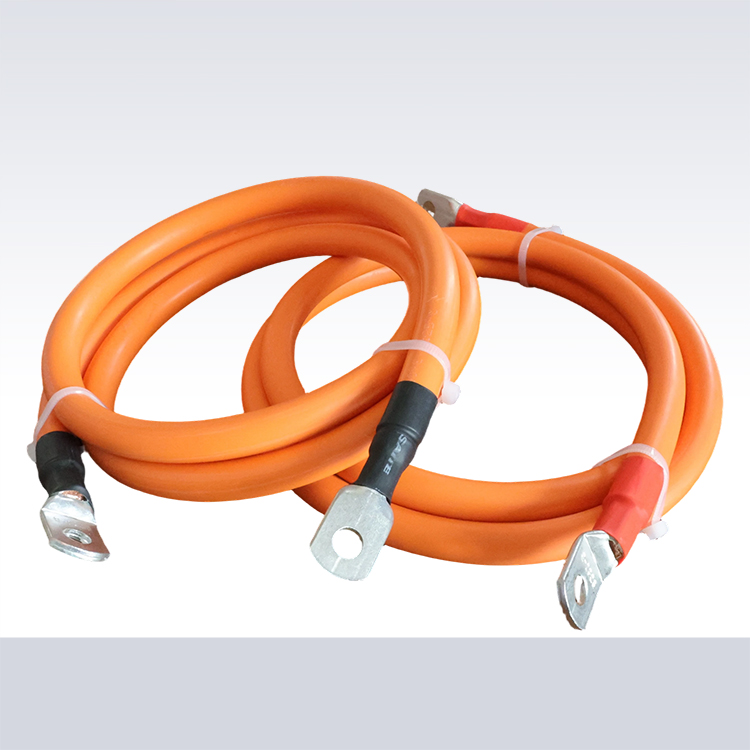
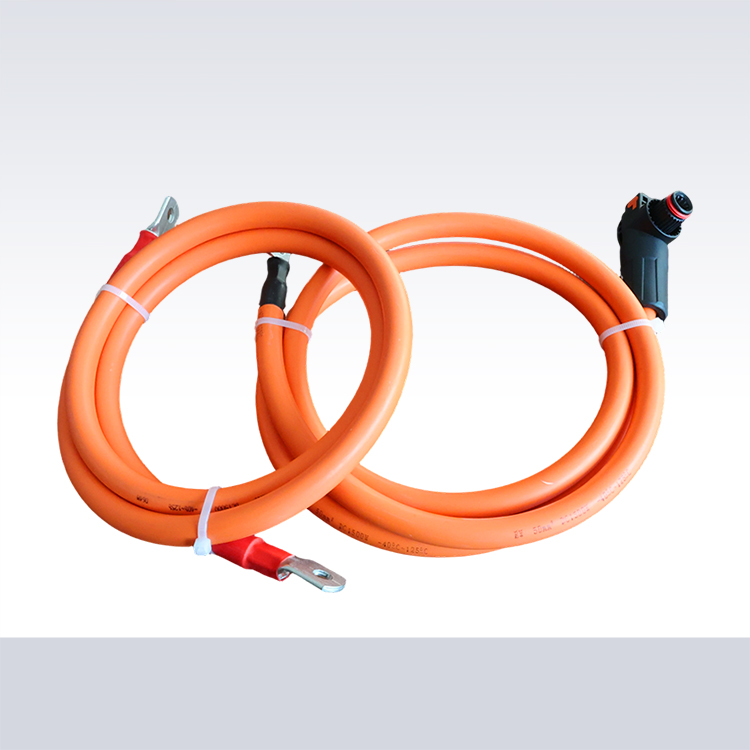
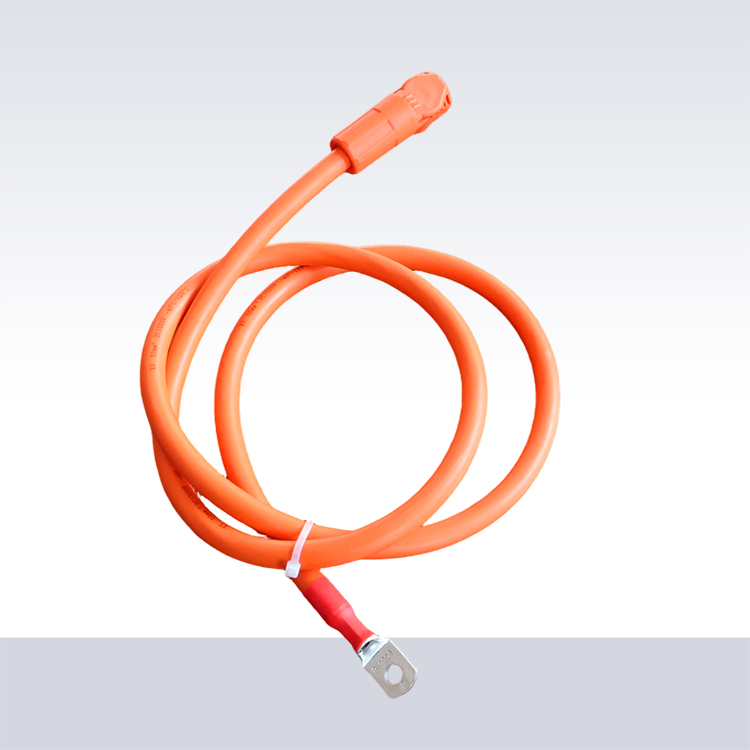
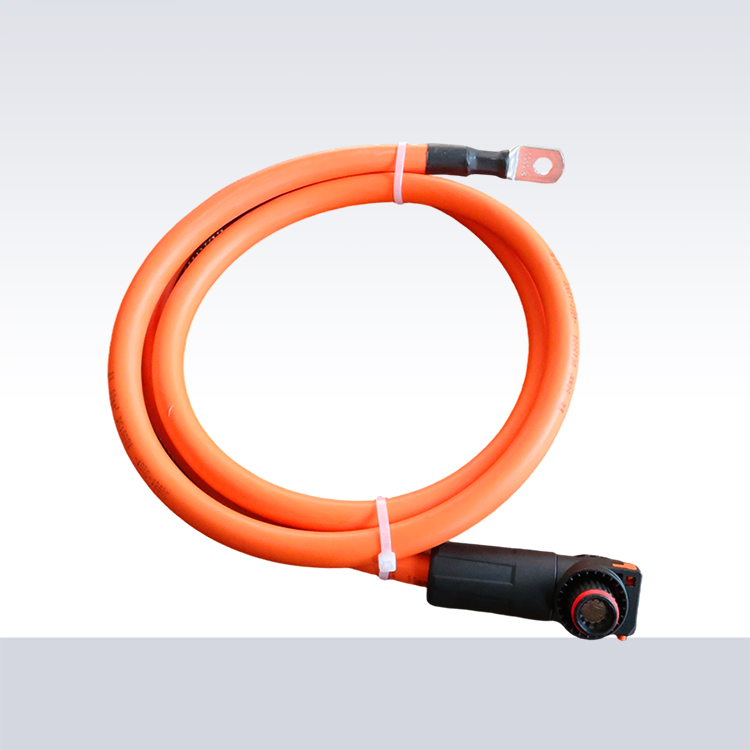
Choosing the right PV cable is one of the most important decisions when building or upgrading a solar power system. Whether it’s a residential rooftop array, a commercial installation, or a large-scale solar farm, the quality of the PV cable directly influences system efficiency, long-term durability, and electrical safety. Because PV cables operate outdoors under sunlight, temperature fluctuations, and mechanical tension, selecting a supplier with real Manufacturer strength and proven Production capability is essential.
This guide explains the key factors to consider when selecting the best PV cable for any solar power system in 2026 and beyond.
1. Understand What Makes a PV Cable Different
A PV cable is not the same as a general-purpose electrical wire. It is specifically engineered for DC power transmission in solar applications, which means it must withstand:
·Strong UV exposure
·Heat and cold cycles
·Moisture and humidity
·Abrasion and mechanical stress
·Long-term outdoor aging
High-quality PV cables use specialized insulation and conductor materials that remain stable over decades of continuous operation. Understanding these core characteristics helps you judge whether a cable is suitable for long-term use in a solar power system.
2. Verify the Supplier’s Manufacturer Capability
One of the biggest mistakes in the solar industry is sourcing PV cable from traders rather than real manufacturers. When evaluating a supplier, make sure they demonstrate some level of Manufacturer capability such as:
·In-house Production lines for conductor stranding, insulation extrusion, and sheath forming
·Automatic process controls for consistency (e.g., diameter monitoring, insulation thickness control)
·Capacity for bulk supply for ongoing project needs
·Independent testing labs or third-party compliance reports
Working with a genuine manufacturer ensures better stability, predictable delivery schedules, and uniform quality across all batches of PV cable.
3. Choose the Right Conductor Material
The conductor material is the heart of a PV cable. For solar power systems, two materials are most common:
Tinned Copper (Preferred)
·High corrosion resistance
·Lower contact resistance
·Superior flexibility
·Longer lifespan in outdoor conditions
Bare Copper
·Lower cost
·Suitable for less aggressive environments
If your solar installation is near coastal areas, industrial zones, or places with high humidity, tinned copper PV cables provide significantly better performance.
4. Compare Insulation and Sheath Materials
The insulation and outer sheath determine the cable’s durability under harsh outdoor conditions. For a reliable PV cable, look for:
XLPO (Cross-Linked Polyolefin)
·Excellent UV resistance
·High temperature rating
·Ozone resistance
·Halogen-free and flame-retardant
·Strong mechanical strength
Temperature Ratings
A premium PV cable should offer:
·–40°C to +120°C continuous operating range
·High thermal endurance for rooftop and desert installations
The better the insulation, the longer the cable will survive without cracking or aging.
5. Check Compliance With International Standards
PV cables must meet global safety and performance standards to guarantee reliability. Before choosing a cable, verify compliance with:
·EN 50618 (common in Europe)
·IEC 62930 (global PV cable standard)
·UL PV Wire requirements (North America)
These standards confirm the cable has passed mechanical, thermal, fire-resistance, and electrical performance tests to ensure long-term operation in solar installations.
6. Evaluate Outdoor Durability
Solar power systems typically operate 20–30 years. Therefore, the PV cable must be engineered for extreme durability. Confirm that the cable is resistant to:
·UV radiation
·Ozone exposure
·Moisture and rain
·Thermal cycling
·Abrasion and mechanical stress
Good PV cables stay flexible even after years of outdoor exposure and maintain stable electrical properties over the system’s lifetime.
7. Review the Supplier’s Quality Assurance System
A dependable PV cable supplier should offer transparent quality documentation, such as:
·Copper purity test results
·Insulation aging tests
·Electrical resistance measurements
·UV and damp-heat test reports
·Batch traceability from raw material to finished cable
This level of quality assurance is usually provided only by suppliers with real Manufacturer and Production capabilities.
8. Consider Delivery Stability and Long-Term Availability
For industrial, commercial, and utility-scale solar projects, cable supply stability is just as important as cable quality. A reliable PV cable supplier should provide:
·Consistent stock or quick manufacturing turnaround
·Bulk supply capability for large projects
·Stable pricing for long-term procurement
·Global shipping experience if needed
This ensures that your project timeline is never delayed due to cable shortages.
9. Compare Total Value—not Just Price
While cost matters, the cheapest PV cable is typically a short-term bargain and a long-term liability. Instead of focusing only on price per meter, evaluate:
·Material quality
·Expected lifespan
·Test data
·Durability under real outdoor conditions
·Supplier’s manufacturing strength
·Availability of after-sales support
A well-made PV cable may cost slightly more up front but delivers superior performance and fewer failures over 25 years.
Conclusion: Choose a PV Cable You Can Trust
A PV cable plays a critical role in ensuring the long-term reliability, safety, and efficiency of any solar power system. By evaluating conductor material, insulation quality, compliance with international standards, outdoor durability, and the supplier’s Manufacturer/Production capabilities, you can choose a cable that offers strong performance and long service life.
Reliable wiring is the foundation of solar success — and selecting the right PV cable is one of the most important choices you can make for any renewable energy project.
References
Kurniawan, R., Wahab, Y., & Hasan, M. F. (2019). Performance degradation of photovoltaic cables under long-term thermal and environmental stress. Solar Energy, 188, 1204–1213.