

Current location: HOME > BLOGS > Company News >
Why High-Quality PV Wire Improves Solar System Efficiency
time:2026-01-30 10:03:42 author:haoshizai Click:183
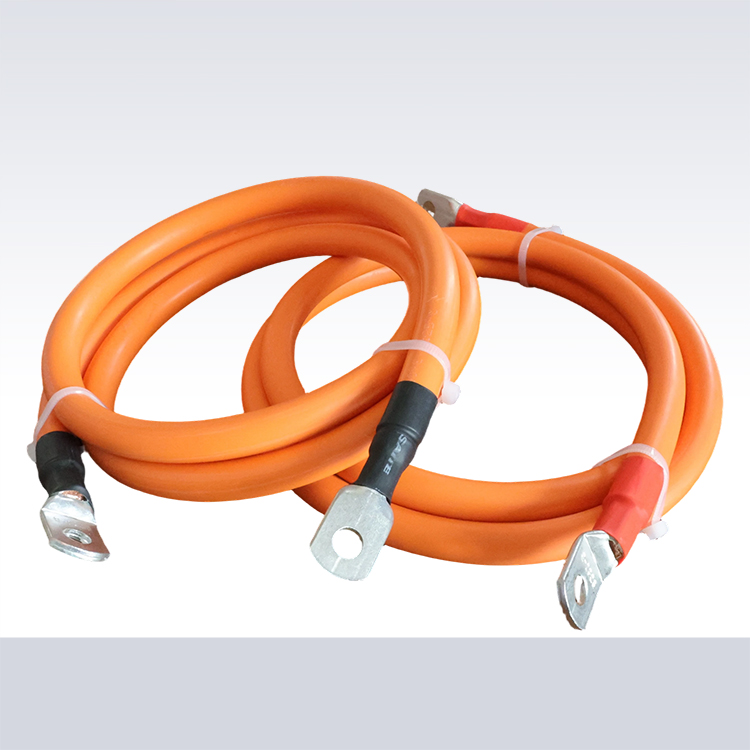
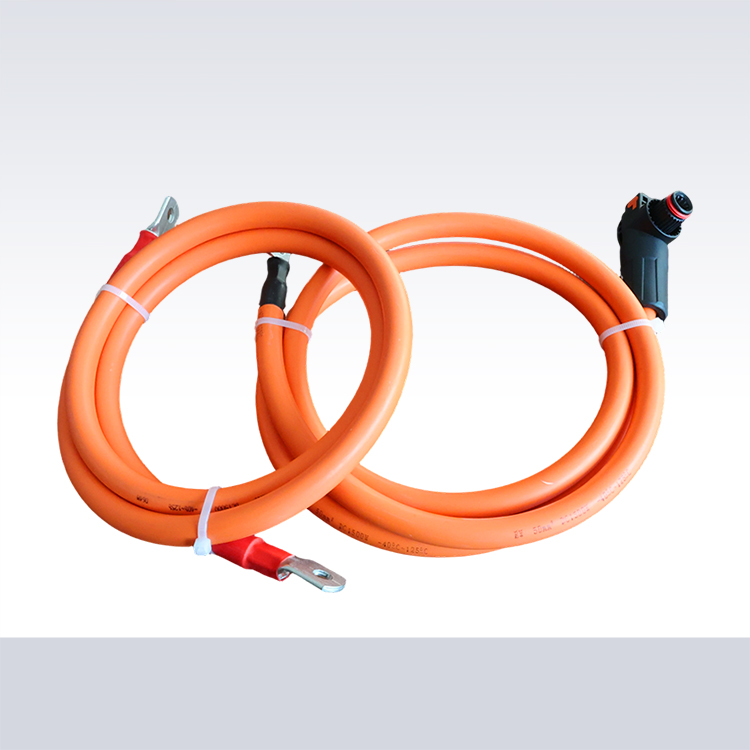
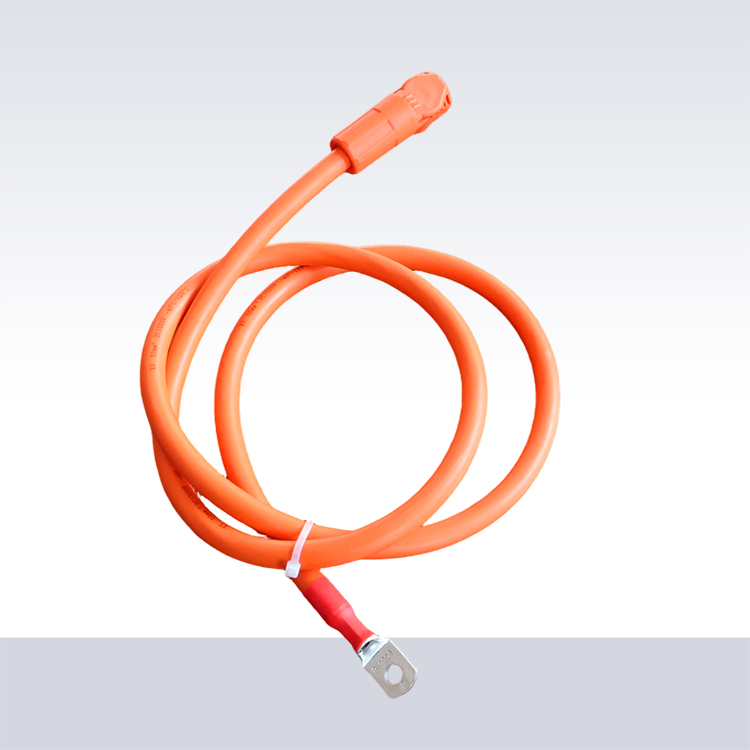
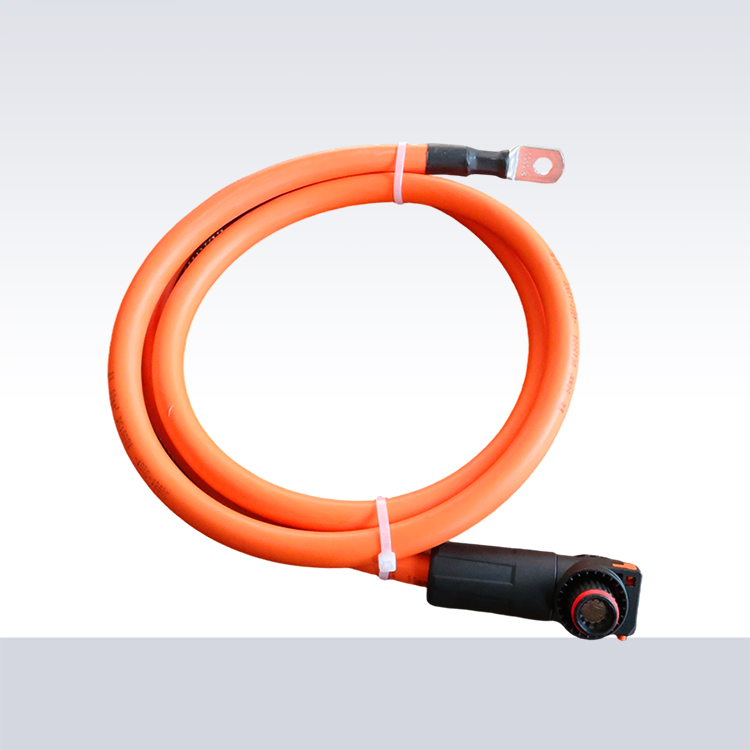
A reliable PV wire plays a crucial role in the overall performance and long-term reliability of any solar energy installation. While solar panels receive most of the attention, the wiring that connects and transfers DC power is equally important. High-quality PV wire ensures safe current flow, minimizes power loss, and enhances the long-term stability of the entire solar system. Whether the project is a residential rooftop, a commercial installation, or a utility-scale solar farm, the choice of PV wire directly influences energy output, durability, and safety.
This guide explains why investing in high-quality PV wire is one of the smartest decisions for improving solar system efficiency, and why selecting a supplier with real Manufacturer strength and Production capability can significantly improve long-term performance.
1. How PV Wire Impacts System Efficiency
PV wire is engineered to handle continuous DC current under challenging outdoor conditions. When the wire quality is poor, resistance increases, conductor degradation accelerates, and energy loss becomes unavoidable. High-quality PV wire helps improve efficiency in several key ways:
Lower Electrical Resistance
High-purity copper or tinned copper conductors reduce resistive losses along the DC path. Even small resistance increases can cause measurable drops in system power output, especially in large solar arrays.
Stable Performance Over Time
Premium PV wire maintains conductivity and insulation integrity over decades, even when exposed to heat, UV radiation, and mechanical stress.
Heat Reduction and System Stability
Better wire quality means lower operating temperatures, which helps prevent energy-loss cycles and reduces strain on inverters and BOS components.
2. Why Material Quality Matters for PV Wire
A PV wire’s conductor and insulation materials determine how well it performs in real-world outdoor environments.
High-Purity or Tinned Copper Conductors
·Support stable DC power transmission
·Prevent corrosion in humid or coastal environments
·Offer excellent flexibility for installation
·Maintain performance over the system’s lifespan
Advanced Insulation Materials
High-quality PV wire typically uses cross-linked materials such as XLPO (cross-linked polyolefin), designed for:
·UV resistance
·Heat endurance up to +120°C
·Ozone resistance
·Halogen-free, low-smoke flame performance
·Strong mechanical durability
These materials prevent cracking, hardening, and insulation breakdown—common causes of power loss and failure in low-grade solar wiring.
3. Compliance With PV Cable Standards Improves Efficiency
Standards exist to ensure that PV wires can withstand the harsh conditions of long-term solar operation. A premium wire should comply with globally recognized photovoltaic standards such as:
·IEC 62930 for PV DC cable performance
·EN 50618 for h2Z2Z2-K solar cable requirements
·Temperature, UV, and flame test certifications
When a PV wire meets these standards, you can be confident it delivers:
·Consistent conductivity
·Reliable insulation strength
·Reduced degradation over time
·Better performance under high-temperature loads
This directly improves solar system efficiency and lowers the failure rate.
4. Outdoor Durability Extends Power Output Over Decades
The lifespan of a solar system depends heavily on the durability of its wiring. High-quality PV wire is designed to endure 25–30 years of outdoor exposure. This durability improves efficiency by preventing:
·Conductor corrosion
·Insulation cracking
·Moisture intrusion
·Thermal degradation
·Mechanical fatigue during installation
By resisting environmental stress, PV wire maintains low resistance and stable electrical performance, ensuring energy output remains high.
5. Why Manufacturer-Level Production Matters
Not all PV wire suppliers are equal. When choosing wiring for a solar system, it's important to verify whether the supplier has real Manufacturer capabilities, rather than being a simple distributor.
Manufacturer-level suppliers typically offer:
Better Quality Control
Because they control the Production process—from copper stranding to insulation extrusion—they can ensure consistent quality across all batches.
Advanced Testing Capabilities
Premium PV wire should undergo tests such as:
·Conductor resistance measurement
·Aging and UV exposure testing
·Flame retardancy evaluation
·Thermal cycling tests
·Wet insulation and water immersion tests
Bulk Supply Stability
Large solar projects require reliable, uninterrupted delivery. A supplier with bulk supply capacity guarantees:
·Timely delivery
·Stable quality
·Predictable availability for future expansions
This minimizes project delays and ensures uniform performance across the entire solar installation.
6. High-Quality PV Wire Reduces Maintenance Costs
Poor wiring is one of the top causes of early solar system failures. Low-grade insulation or improper conductor materials can lead to:
·Hot spots
·Ground faults
·Increased resistance
·Cable aging and cracking
·Early performance degradation
Using high-quality PV wire reduces the risk of these issues, which in turn:
·Cuts long-term maintenance expenses
·Prevents downtime
·Improves overall return on investment (ROI)
Over a 20–30 year lifespan, the cost savings can be substantial.
Conclusion: High-Quality PV Wire Is Essential for Maximum Solar Efficiency
A reliable PV wire is fundamental to the long-term performance, safety, and energy output of any solar power system. High-quality materials, strict compliance with photovoltaic standards, strong outdoor durability, and verified Manufacturer-level Production capacity all contribute to better efficiency and fewer failures throughout the system’s lifecycle.
Investing in premium PV wire ensures stable energy delivery, reduced maintenance costs, and maximum efficiency—making it one of the most important decisions in any solar installation.
References
Jordan, D. C., & Kurtz, S. R. (2013). Photovoltaic degradation rates—an analytical review. Progress in Photovoltaics: Research and Applications, 21(1), 12–29.