


Current location: HOME > BLOGS > Frequently Asked Questions >
Ultimate Guide to Solar Panel Cable Selection for Maximum Efficiency
time:2026-08-27 06:41:45 author:haoshizai Click:78
Choosing the right cables for solar installations isn't just about connecting panels together. The wrong choice can lead to energy losses, safety hazards, and premature system failures. After working with numerous solar projects over the years, we've seen firsthand how cable selection impacts overall system performance.
Understanding Photovoltaic Cable Basics
Photovoltaic cables differ significantly from standard electrical wires. They're engineered to handle specific challenges that solar installations face daily. UV exposure, temperature extremes, and constant current flow demand specialized construction.
Standard cables used in household wiring simply can't withstand the harsh outdoor conditions that solar systems endure. The insulation on regular cables breaks down under UV radiation, leading to cracks and potential short circuits. PV cables use cross-linked polyethylene (XLPE) or similar materials that resist UV degradation for decades.
The copper conductors in photovoltaic cables also feature tinning – a thin layer of tin coating that prevents oxidation. This becomes critical because solar installations often operate in humid environments where bare copper would corrode over time.
Cable Sizing Matters More Than You Think
Undersized cables create two problems: energy loss and heat buildup. When current flows through a conductor that's too small, resistance converts valuable electricity into heat. That heat dissipates into the environment, but not before potentially damaging the cable insulation.
A 4mm² cable carrying 30 amps over 20 meters might lose around 3% of transmitted power. Jump to 6mm², and losses drop below 2%. Over a 25-year system lifespan, that difference accumulates into substantial energy savings.
Manufacturers typically recommend cable sizes based on maximum current and distance. Most residential systems use 4mm² or 6mm² cables, while commercial installations often require 10mm² or larger diameters.
Temperature Ratings and Environmental Resistance
Solar cables operate in environments where temperatures swing from freezing cold to scorching heat. Quality PV cables maintain performance across -40°C to +90°C ranges. Some specialized versions handle even wider extremes.
Beyond temperature, consider mechanical stress. Cables on rooftop installations face wind loads, thermal expansion cycles, and sometimes physical contact with mounting hardware. Double-insulated cables provide an extra layer of protection against these stresses.
Factory testing includes thermal cycling where cables undergo thousands of heating and cooling cycles. This simulates years of daily temperature swings and ensures the insulation won't crack or separate from the conductor.
Connector Compatibility and System Integration
MC4 connectors have become the industry standard for solar panel connections. However, not all cables work seamlessly with every connector type. The cable outer diameter must match the connector's sealing gland specifications.
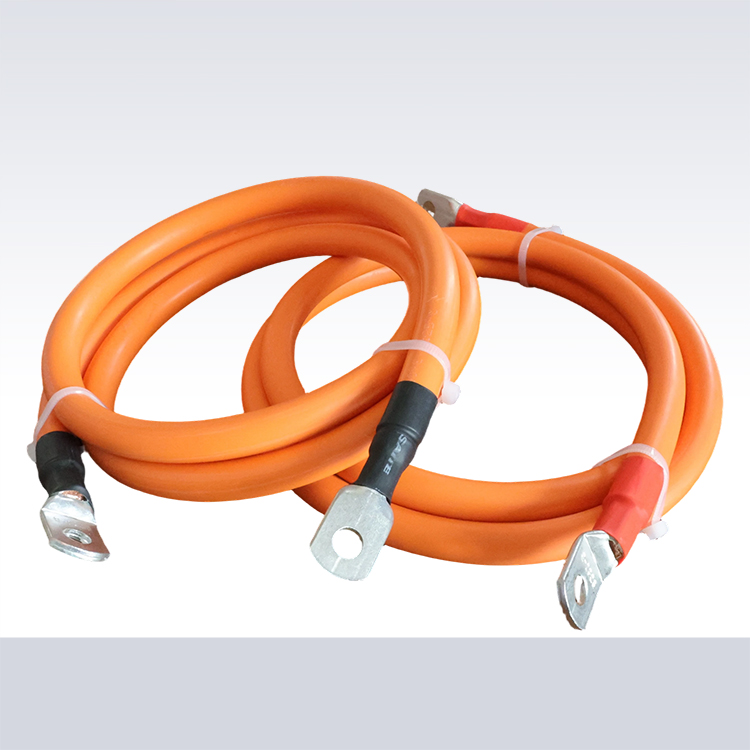
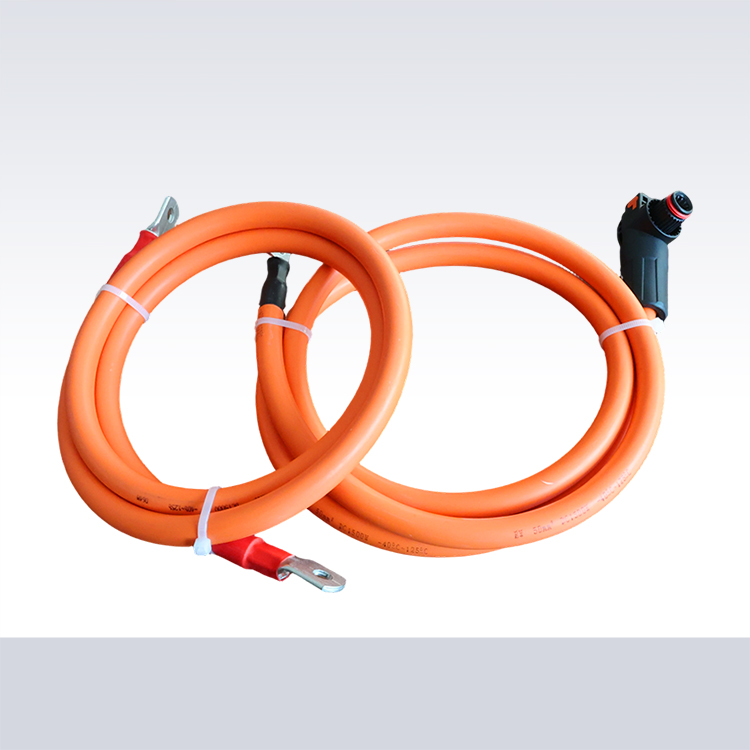
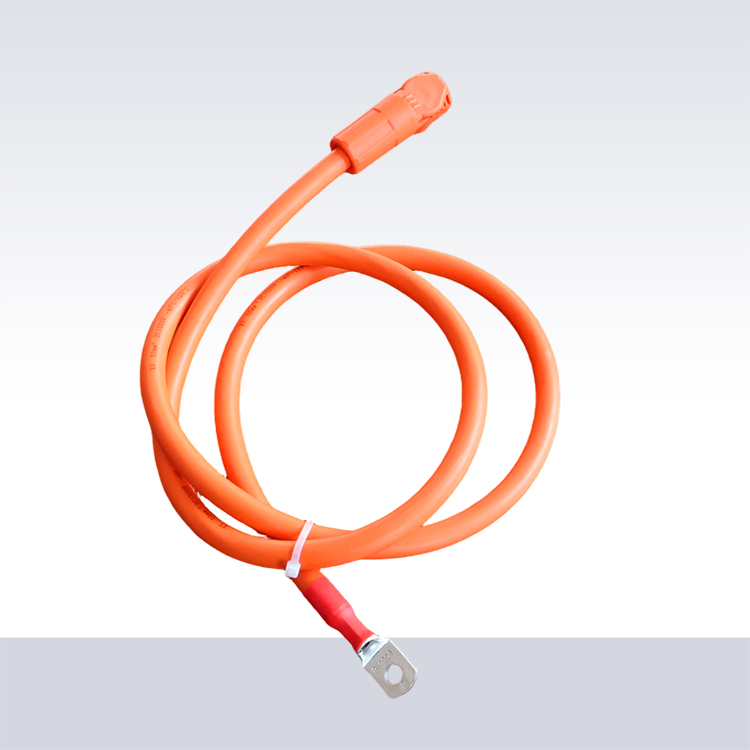
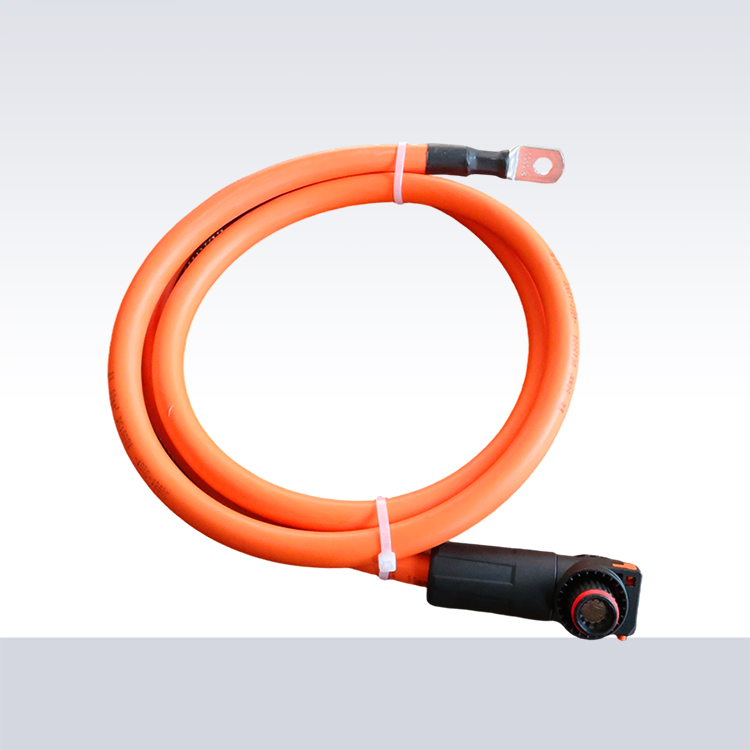
IP67 and IP68 ratings indicate how well the connection resists dust and water ingress. A supplier providing pre-assembled cables with factory-crimped connectors eliminates field installation errors and ensures consistent connection quality.
When cables arrive from the factory with connectors already attached, installation time drops significantly. More importantly, the risk of poor connections causing arc faults or hot spots decreases dramatically.
Long-Term Durability Considerations
Solar installations represent long-term investments. Cables should last as long as the panels themselves – typically 25 to 30 years. Cheap cables might save money upfront but cost far more when they fail prematurely.
Look for cables certified to IEC 62930 and EN 50618 standards. These certifications indicate the cable has passed rigorous testing for UV resistance, flame retardancy, and mechanical durability. A reputable manufacturer provides documentation showing compliance with these standards.
Some factories conduct accelerated aging tests, exposing cables to concentrated UV light and elevated temperatures equivalent to decades of outdoor service. These tests predict real-world lifespan more accurately than theoretical calculations.
Cost vs. Value in Cable Selection
Budget constraints tempt many installers to choose the cheapest cables available. This approach often backfires. The cost difference between economy and premium cables typically represents 1-2% of total system cost, yet premium cables deliver measurably better performance and longevity.
When evaluating suppliers, consider more than just unit price. Factory support, warranty terms, and technical assistance matter when issues arise. A supplier who stands behind their product helps protect your reputation as an installer.
Bulk purchasing from a reliable manufacturer often yields better pricing than buying small quantities from distributors. Many factories offer volume discounts and can ship directly to project sites, reducing logistics complexity.
References
International Electrotechnical Commission. IEC 62930:2017 Photovoltaic cable systems. Geneva: IEC; 2017.
European Committee for Electrotechnical Standardization. EN 50618:2014 Electric cables for photovoltaic systems. Brussels: CENELEC; 2014.
National Renewable Energy Laboratory. Best Practices for Solar Cable Installation and Maintenance. Golden: NREL; 2022.






CONTACT
Email:525860526@qq.com
Whatsapp: +86 19933450664
TEL:+86 17803069333
WEB:https://www.haoshizai-solar.com
ADD:Dongyang Village, Daweihe Hui and Manchu Township, Wenan County, Langfang City, Hebei Province