


Current location: HOME > BLOGS > Frequently Asked Questions >
Complete Guide to Solar Cables: Types, Standards & Applications
time:2026-09-17 07:25:01 author:haoshizai Click:191
Industry Overview: The Backbone of Photovoltaic Systems
The global transition toward renewable energy has accelerated the deployment of solar power installations across industrial, commercial, and residential sectors. At the heart of every photovoltaic system lies a critical but often overlooked component: the solar cable. Without reliable, certified solar cables, even the highest-performing solar panels cannot safely transmit generated electricity to inverters and grid connections.
According to recent industry data, the global solar cable market is projected to exceed $12 billion by 2028, driven by solar installations in China, Europe, the Middle East, and North America. Yet, cable failures account for approximately 8-12% of all solar plant downtime—making material selection and installation practices paramount.
What Are Solar Cables?
Solar cables, also known as photovoltaic (PV) cables or PV wire, are specialized electrical cables designed specifically for solar power installations. Unlike standard electrical wiring, solar cables must withstand extreme environmental conditions including UV radiation, temperatures ranging from -40°C to +90°C, moisture, chemical exposure, and mechanical stress over a 25+ year service life.
Key construction features include:
Conductor: High-purity, tin-plated copper (minimum 99.90% conductivity) for superior corrosion resistance and electrical performance
Insulation: Cross-linked polyethylene (XLPE) or thermoplastic elastomers providing excellent dielectric strength and thermal stability
Outer Jacket: UV-resistant, halogen-free polymer compounds for outdoor durability
Common Solar Cable Types & Specifications
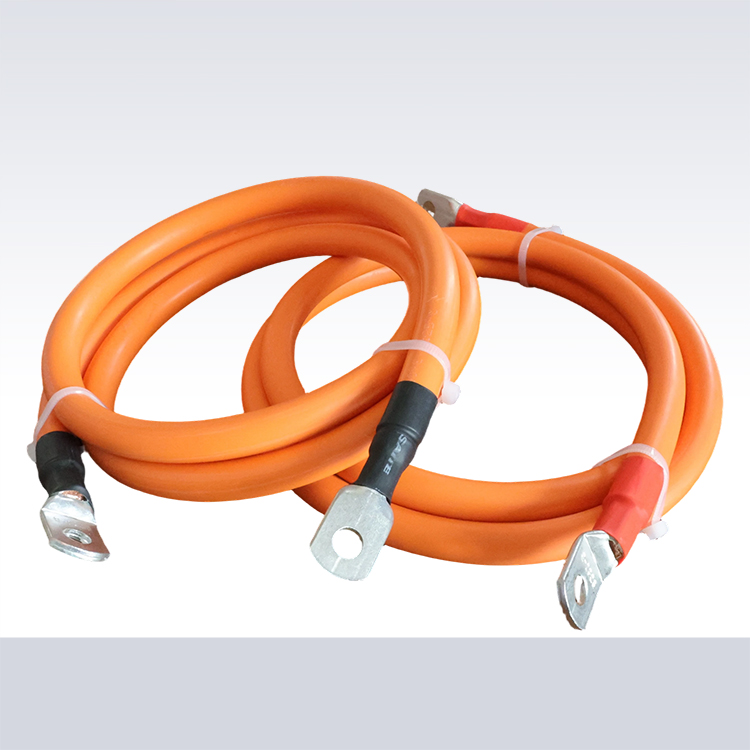
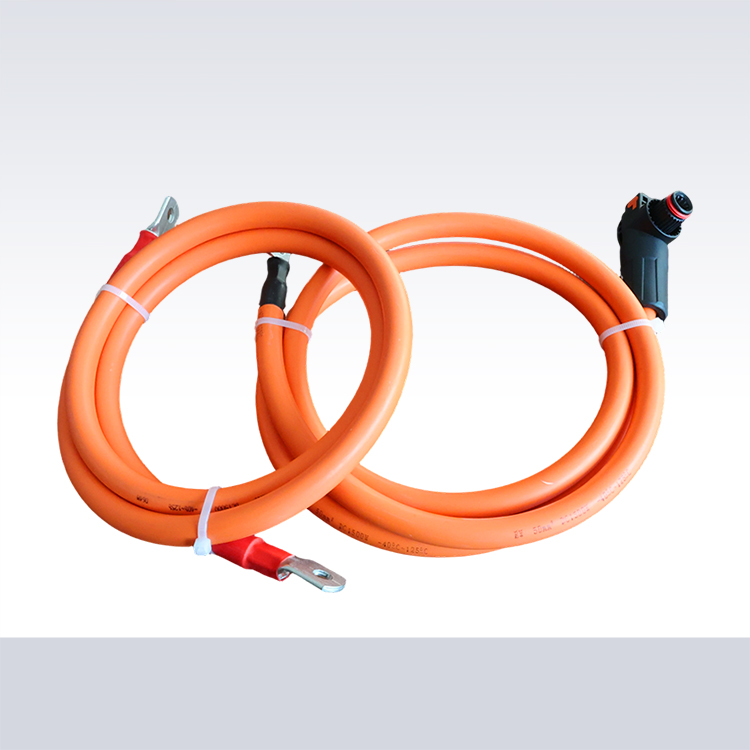
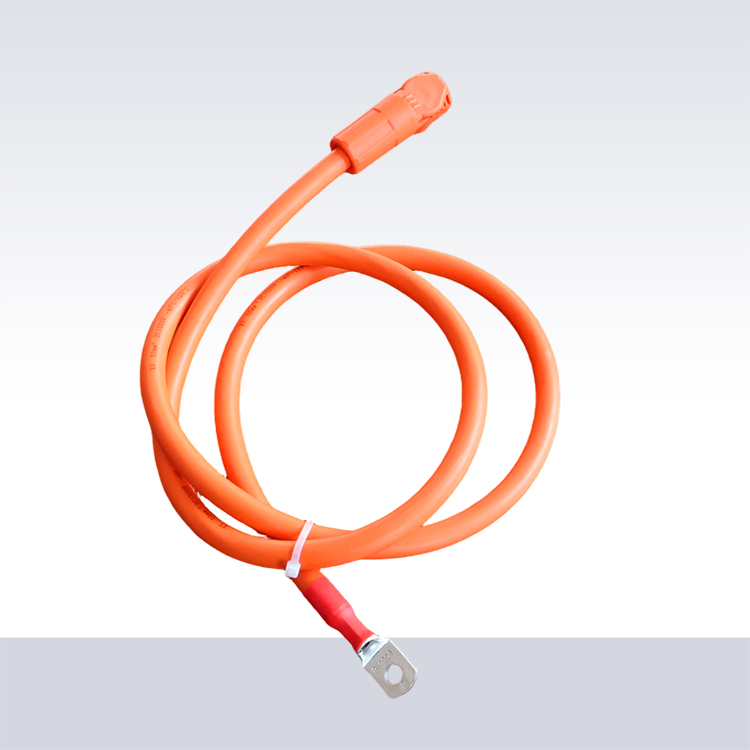
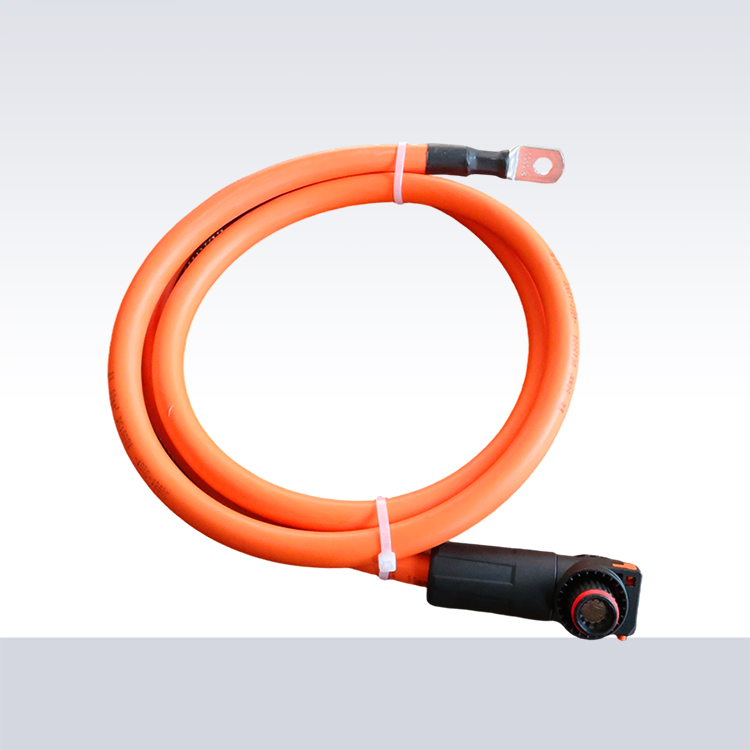
Hebei Haoshizhi Cable manufactures a comprehensive range of PV cables to meet international standards:
Single-Core PV Cables
2.5mm² — Ideal for small residential installations and panel-to-panel interconnects
4mm² — The industry standard for most commercial rooftop arrays, balancing flexibility and current capacity
6mm² — Designed for high-current DC strings and larger ground-mount systems
16mm² — Used for main DC combiner outputs and inverter connections
Multi-Core PV Cables
For specialized applications where cable management is critical, multi-core configurations reduce installation time and material costs:
HIZ2Z2-K 2×4mm² — Dual-core layout for AC output or differential signaling
HIZ2Z2-K 2×6mm² — Higher current capacity for larger inverter systems
GF-EER23 2×4mm² / 2×6mm² — Engineered for new energy vehicle charging infrastructure
Certifications & Industry Standards
Quality solar cables must comply with internationally recognized standards to ensure safety and longevity:
VDE & TUV Rheinland Certification
Our HIZ2Z2-K series holds full VDE (Verband der Elektrotechnik) and TUV Rheinland certifications, including:
EN 50618 — International standard for electric and optical fibre cables for solar link applications
IEC 62930 — Classification of equipment used in photovoltaic systems
UL 4703 — Standard for safety PV wire (North American market)
DIN VDE 0250-2128 — German national PV cable specification
ISO Quality Management
Hebei Haoshizhi Cable operates under ISO 9001:2015 (Quality Management), ISO 14001:2015 (Environmental Management), and ISO 45001:2018 (Occupational Health & Safety). Each production batch undergoes rigorous testing: conductor resistance, insulation thickness, voltage withstand (8kV AC test), flame retardancy, and long-term thermal aging at 120°C for 21 days.
Application Domains
Solar cables are deployed across the entire solar energy value chain:
Utility-Scale Solar Farms
Ground-mounted installations ranging from 10MW to 500MW require heavy-gauge cables (6mm² to 16mm²) for DC strings and AC collector systems. Our cables' UV resistance and thermal stability ensure reliable operation in desert environments where surface temperatures can exceed 85°C.
Commercial & Industrial Rooftop Systems
Factory roofs, warehouses, and commercial buildings typically host 100kW to 5MW arrays. Cable flexibility is paramount for routing through cable trays and conduits on complex roof structures.
Residential Solar Installations
Home-mounted systems (3kW to 20kW) benefit from smaller cross-section cables (2.5mm² to 4mm²) that are easier to handle during installation while maintaining full safety compliance.
Off-Grid & Hybrid Systems
Remote locations relying on solar-battery-diesel hybrid configurations require robust cabling capable of handling frequent charge/discharge cycles and voltage fluctuations.
Why Material Quality Matters
The consequences of substandard solar cables are severe. Poor-quality insulation degrades under UV exposure, leading to electrical leakage, fire hazards, and catastrophic system failures. Conversely, premium cables from certified manufacturers like Hebei Haoshizhi Cable deliver:
25+ years of uninterrupted outdoor service life
Reduced Ohmic losses (improving system efficiency by 1-3%)
Lower total cost of ownership despite higher upfront investment
Full traceability through batch numbering and factory test reports
Installation Best Practices
Even the finest cables underperform if installed incorrectly. Industry best practices include:
Minimum bend radius: Maintain at least 4× the cable outer diameter during and after installation
UV protection: Where cables run exposed, ensure jacket integrity is not damaged during routing
Connector compatibility: Use MC4-compatible connectors rated for the same temperature and IP class as the cable
Grounding & earthing: All metallic components, including cable shielding, must be bonded to the plant earthing system per IEC 62548
Choosing a Reliable Solar Cable Manufacturer
With hundreds of cable producers globally, selecting a trusted supplier requires due diligence. Key evaluation criteria include:
Third-party certification from recognized testing institutes (TUV, VDE, UL)
Automated production lines ensuring consistent quality
Comprehensive quality inspection at every production stage
Proven track record in international projects
Responsive after-sales support (24/7 availability for technical queries)
Logistics capability ensuring timely delivery
Hebei Haoshizhi Cable combines fully automated manufacturing, strict quality control, round-the-clock customer support, and reliable logistics—making us a preferred partner for solar EPC contractors and distributors worldwide.
Conclusion
Solar cables are far more than simple connectors—they are critical infrastructure that determines the safety, efficiency, and longevity of your photovoltaic investment. By choosing certified, high-quality cables from a reputable manufacturer and following proper installation practices, project owners can minimize risks and maximize returns over the system's full lifespan.
For technical specifications, pricing, or project consultation, contact Hebei Haoshizhi Cable's engineering team today.






CONTACT
Email:525860526@qq.com
Whatsapp: +86 19933450664
TEL:+86 17803069333
WEB:https://www.haoshizai-solar.com
ADD:Dongyang Village, Daweihe Hui and Manchu Township, Wenan County, Langfang City, Hebei Province