


Current location: HOME > BLOGS > Frequently Asked Questions >
Automotive EV Wiring Harnesses for Electric Vehicles: Best Practices
time:2026-09-17 07:25:55 author:haoshizai Click:146
Why the Harness Is the Vehicle's Nervous System
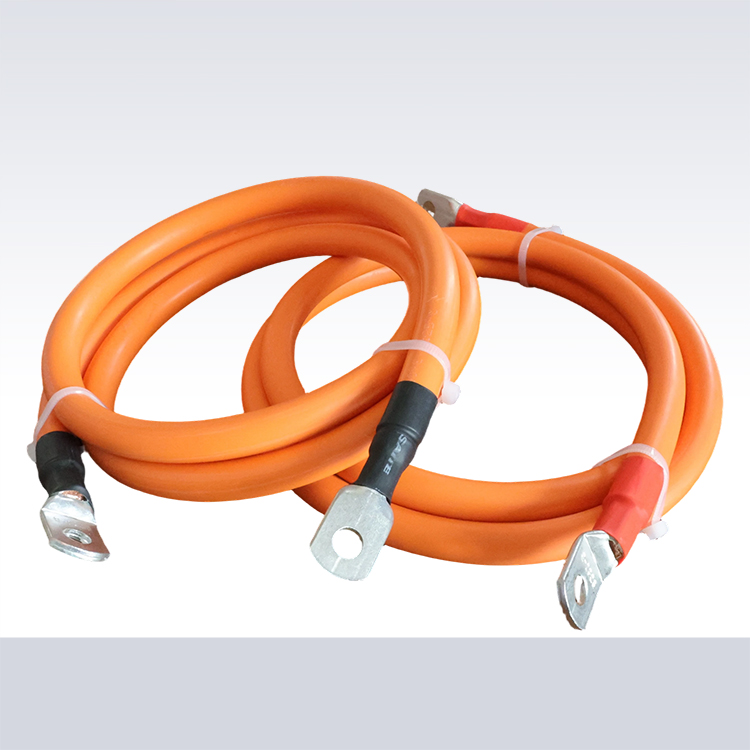
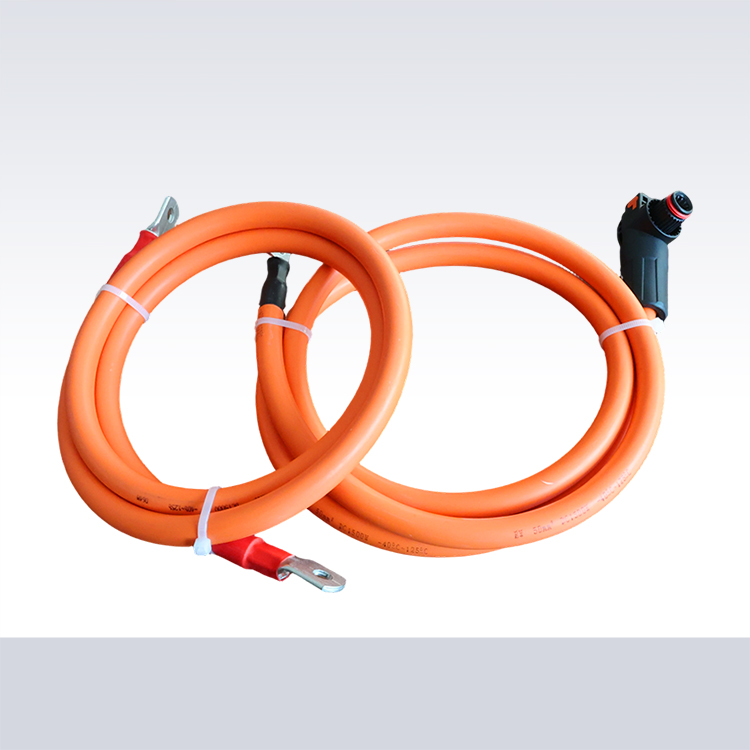
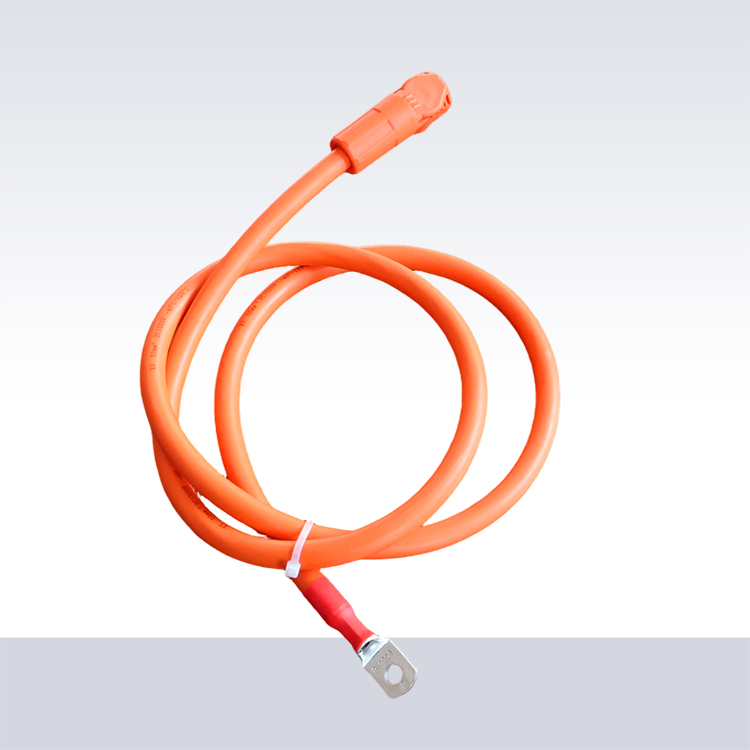
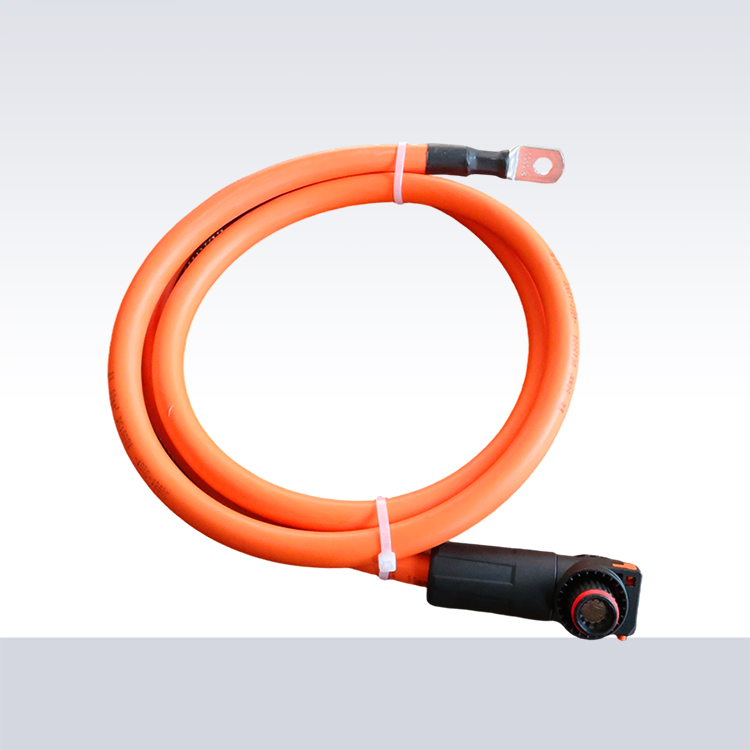
An automotive EV wiring harness bundles every power and signal line into one engineered assembly. In electric vehicles it carries both high-voltage traction current and low-voltage control signals. A well-built harness improves reliability and serviceability; a poor one causes intermittent faults that are expensive to diagnose. These best practices apply to passenger and commercial new-energy vehicles alike.
Best Practice 1: Design Routing Before Cutting Wire
Map the harness path against the vehicle chassis in 3D, keeping HV and LV bundles separated and away from moving parts, heat sources, and sharp edges. Use clamps and grommets at every fixation. Good routing prevents chafing — the most common cause of harness failure in the field.
Best Practice 2: Shield High-Voltage and Sensitive Signals
Traction cables and sensor lines should be shielded to contain EMI. Use braided or foil shields with proper 360° termination at connectors. Without shielding, inverter switching noise can corrupt battery-management and ADAS signals. Haoshizai supplies shielded EV cable suited to this requirement.
Best Practice 3: Specify the Right Connectors
Connectors must match the current, voltage, and sealing needs of each interface. Battery and drivetrain connections need IP67-rated sealed, keyed connectors that cannot be mis-mated. Maintain a controlled connector inventory and crimp with calibrated tooling — inconsistent crimps are a top warranty driver.
Best Practice 4: Protect Against Thermal and Mechanical Stress
Route HV cable away from exhaust and power electronics hotspots, or use high-temperature-rated insulation (125°C+). At brackets and penetrations, add sleeving or corrugated conduit. A harness that survives vibration, thermal cycling, and moisture is a harness that survives the warranty period.
Best Practice 5: Build in Testability
Design the harness so every circuit can be verified after assembly. Implement 90% continuity testing and dielectric-withstand (hi-pot) testing on each finished harness. Label branches and keep a test report per lot for traceability. Automated test benches catch open circuits, shorts, and mis-wires before shipment.
Best Practice 6: Control Materials and Suppliers
Harness quality is only as good as its wire and terminals. Source cable with documented temperature, flame, and flexibility ratings, and terminals from qualified vendors. Require material certifications and batch traceability. Haoshizai supports OEM harness builders with consistent, certified EV cable and documentation.
Common Pitfalls to Avoid
Avoid under-sized HV conductors (causes heating), mixed HV/LV routing (EMI), unsealed outdoor connectors (corrosion), and manual crimping without calibration (cold joints). Each of these turns a low-cost saving into a high-cost recall.
Conclusion
A reliable automotive EV wiring harness is the product of disciplined design, correct materials, and verified assembly. By following routing, shielding, connector, and testing best practices, manufacturers deliver electric vehicles that are safe and serviceable. Haoshizai provides the certified EV cable and harness components that make this achievable at scale.






CONTACT
Email:525860526@qq.com
Whatsapp: +86 19933450664
TEL:+86 17803069333
WEB:https://www.haoshizai-solar.com
ADD:Dongyang Village, Daweihe Hui and Manchu Township, Wenan County, Langfang City, Hebei Province