

Current location: HOME > BLOGS > Industry Trends >
How to Store and Manage Bulk Solar Cable for Long-Term Use
time:2026-01-30 09:14:14 author:haoshizai Click:122
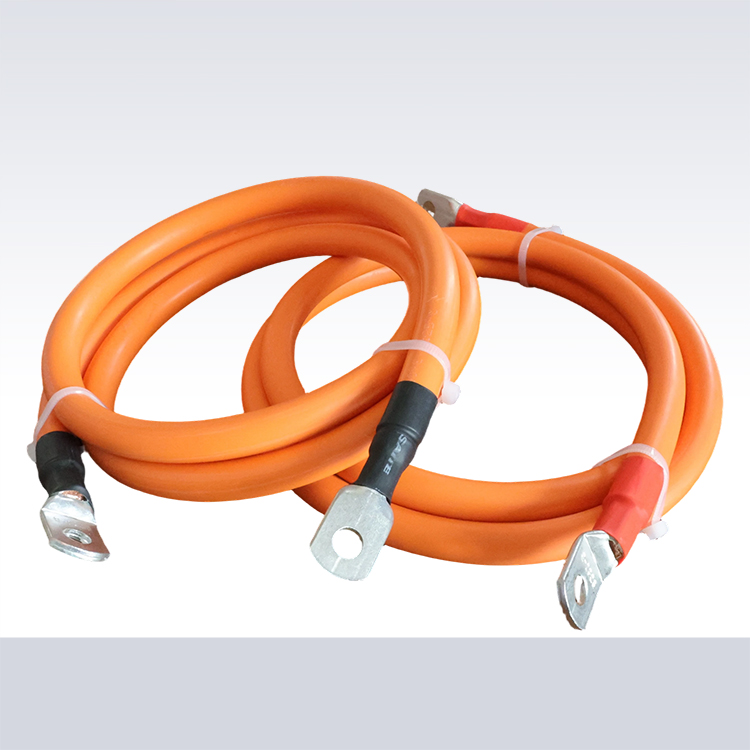
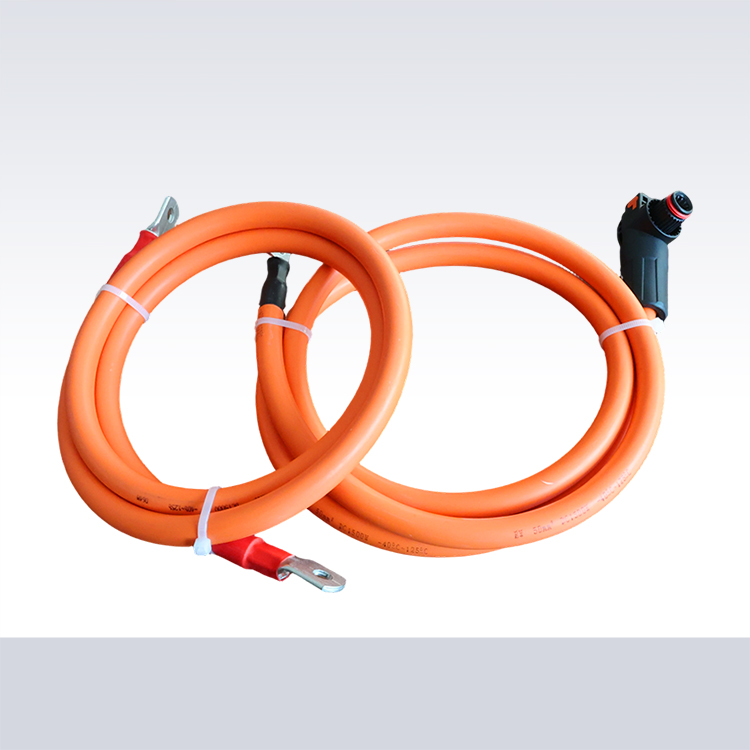
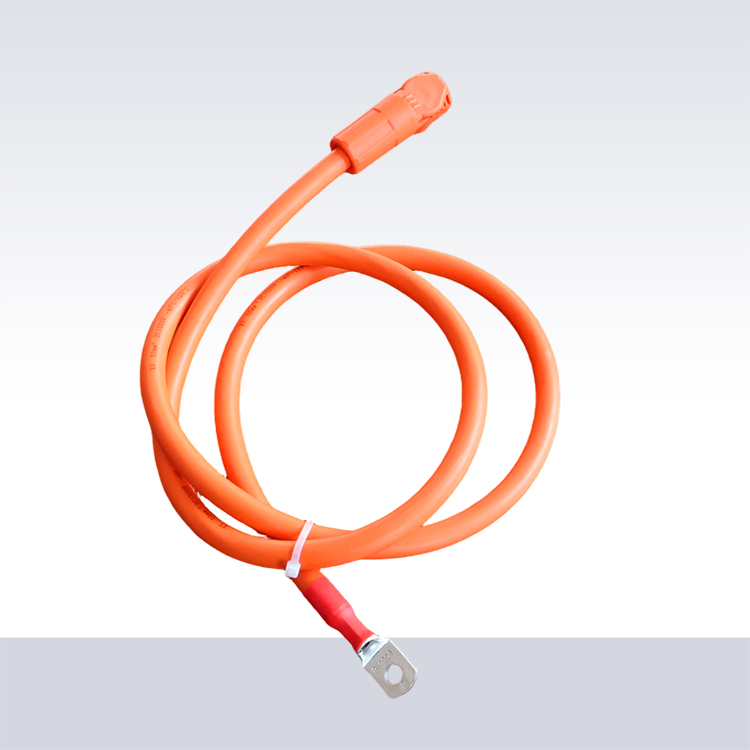
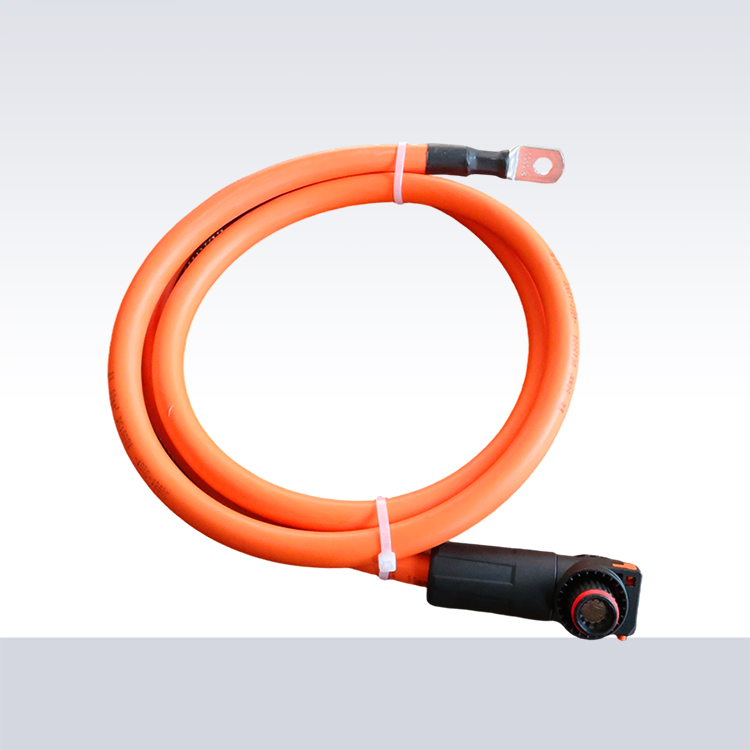
Maintaining the quality and performance of bulk solar cable is essential for any large-scale solar project—whether you are a solar system installer, a material Manufacturer, or a Production facility preparing for long-term, high-volume supply. Because solar infrastructure often demands consistent and reliable energy transmission, cable degradation caused by poor storage or improper handling can result in power loss, safety hazards, and unnecessary replacement costs.
In this guide, we’ll explore best practices for ensuring your bulk solar cables remain in premium working condition for years.
1. Why Proper Storage Matters for Bulk Solar Cable
Solar cable is engineered to withstand UV exposure, temperature fluctuations, and mechanical stress in real outdoor conditions. However, when stored improperly indoors or on a jobsite, even the most durable cable can develop:
·Insulation cracking
·Conductor oxidation
·Moisture-related degradation
·Deformation from pressure or bending
·Early aging or brittleness
Because bulk solar cable often comes in large reels designed for batch Production or wholesale distribution, proper management ensures consistency for every project phase.
2. Store Cable in Controlled Indoor Conditions
Environmental stability is the single most important element for long-term storage.
Key recommendations:
• Maintain stable temperature
Store cable between 5°C and 30°C. Extreme cold can cause insulation stiffness, while excessive heat may soften materials and reduce lifespan.
• Prevent humidity exposure
High humidity introduces the risk of moisture diffusion into insulation layers. A dry, ventilated warehouse is ideal.
• Avoid direct sunlight
Even though PV cable is UV-resistant, unnecessary indoor UV exposure accelerates material fatigue.
• Keep away from chemicals and corrosive vapors
Substances like diesel fumes, solvents, and industrial gases can weaken insulation over time.
3. Keep Cable Reels Elevated and Protected
Because most bulk solar cable arrives on wooden or steel reels, the reel’s condition directly affects cable integrity.
Best practices for reel handling:
·Elevate reels with pallets or racks to avoid ground moisture.
·Store upright, never laying the reel flat.
·Do not stack reels, as pressure can deform the layers of cable.
·Lock reels in place to prevent rolling, especially on smooth warehouse flooring.
·Avoid forklift impact, which commonly damages outer insulation.
A well-maintained reel ensures the cable remains round and stress-free, especially important for long-term projects requiring stable conductivity.
4. Rotate Inventory to Prevent Aging
Even the highest-quality solar cables benefit from an inventory rotation system.
First-In, First-Out (FIFO)
This ensures older batches are used before new ones, preventing unnecessary long-term aging.
Label Every Reel Clearly
Include:
·Cable type
·Insulation material
·Cross-section size
·Production date
·Storage date
Organized labeling is a sign of a reliable manufacturer or supplier, and helps prevent mix-ups during large project deployments.
5. Use Proper Cable Handling Techniques
Improper handling is one of the most common causes of micro-cracking and long-term cable failure.
Follow these handling rules:
·Never pull the cable from the side of the reel—always unwind from the top.
·Use appropriate lifting equipment for large reels.
·Follow the minimum bending radius (typically 4–8× cable diameter).
·Avoid dragging the cable across concrete or abrasive surfaces.
·Transport on flat, stable surfaces to minimize shock or vibration.
Good handling prevents conductor stretching and insulation scarring—two issues that shorten cable lifespan drastically.
6. Protect Bulk Solar Cable During Outdoor Storage
If outdoor storage is unavoidable, reinforce cable protection:
·Cover reels with UV-resistant tarps
·Use elevated steel platforms instead of bare soil
·Check moisture levels after rain or snow
·Shield cable ends with protective caps
Outdoor storage should remain temporary, not long-term.
7. Plan Long-Term Storage for Large Solar Projects
For utility-scale solar farms, cable storage must align with project timeline and installation phases.
Recommended practices for industrial-scale use:
·Build a centralized material yard with proper rack systems
·Separate DC solar cable, AC feeder cable, and grounding cable sections
·Maintain a digital inventory system to track the length remaining
·Order in bulk Production batches to ensure material consistency across the entire site
These steps help maintain continuity and reduce mismatches in material specification.
Conclusion: Long-Term Reliability Starts With Proper Storage
Effective storage and management of bulk solar cable can dramatically extend cable lifespan, reduce installation issues, and improve project efficiency. Whether you operate as a Manufacturer, a Production facility with batch supply capabilities, or a large-scale solar EPC contractor, protecting cable integrity ensures dependable performance when it matters most.
By applying the best practices outlined above—environmental control, proper reel handling, inventory management, and protection—you guarantee that your bulk solar cable remains reliable and ready for long-term use in any solar energy installation.