

Current location: HOME > BLOGS > Industry Trends >
Differences Between AC Cable and PV DC Cable in Solar Systems
time:2026-01-30 09:26:51 author:haoshizai Click:179
Why PV DC Cable Matters in Solar Installations
In every solar project, understanding the Differences Between AC Cable and PV DC Cable in Solar Systems is essential for safety, system performance, and long-term reliability. The choice of cable affects power delivery, resistance to environmental stress, maintenance costs, and system lifespan. At the same time, working with a reliable PV DC cable Manufacturer—one with strong Production capacity and consistent bulk-supply capability—ensures stable quality and compliance with global standards.
Solar systems operate in a challenging environment: high UV exposure, temperature fluctuations, moisture, and continuous electrical loads. AC and DC cables are engineered for different stress factors, and confusing them can lead to significant safety issues. This article explains the critical distinctions between AC cable and PV DC cable and why proper selection matters.
1. Electrical Characteristics: AC vs. DC Requirements
AC Cable
AC cable carries alternating current, meaning the current changes direction 50–60 times per second. This alternating flow reduces the risk of continuous electrical stress on insulation.
Key characteristics:
·Lower stress on insulation
·Suitable for grid and household loads
·Typically used after the inverter in a solar system
PV DC Cable
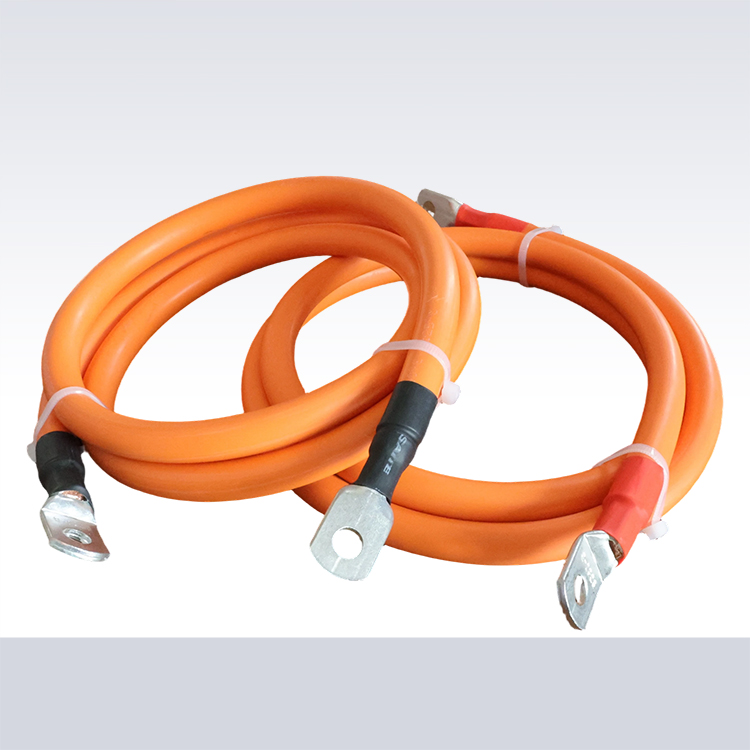
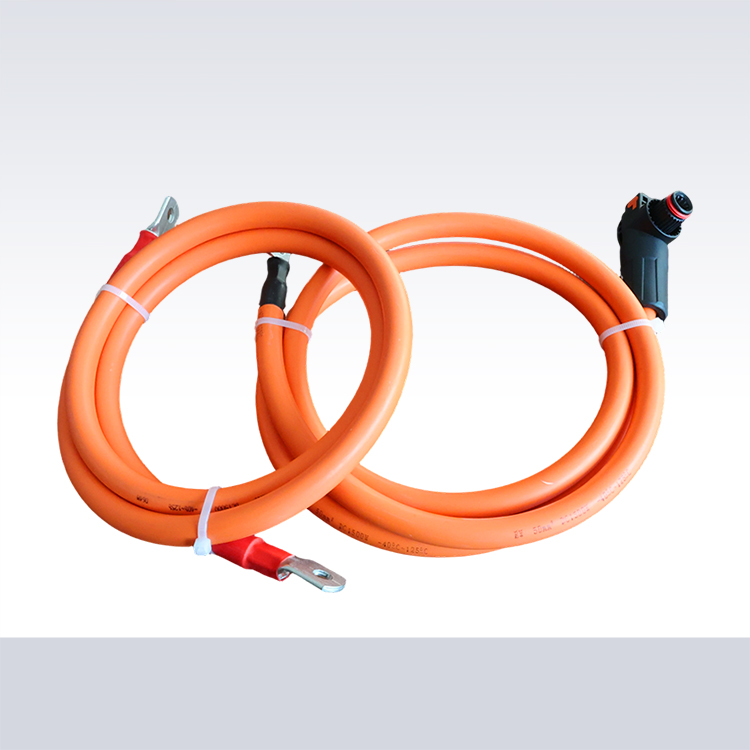
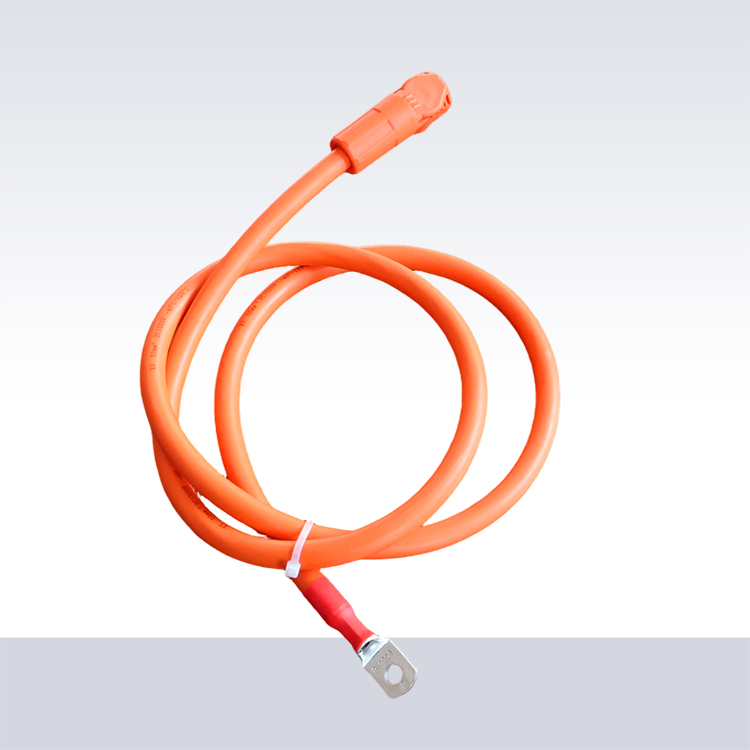
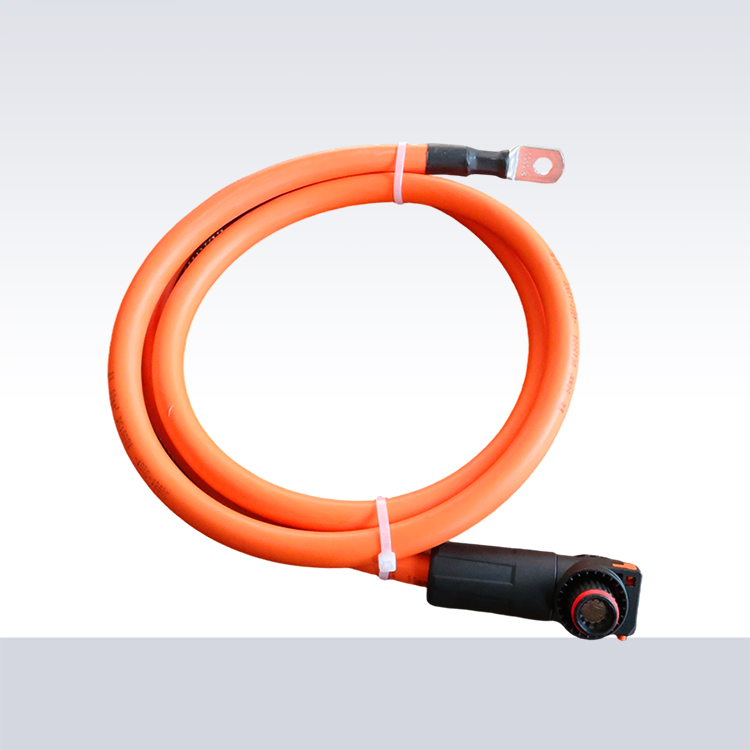
PV DC cable carries direct current from solar modules to the inverter. Unlike AC, DC current flows in a single direction and creates continuous electrical stress, making insulation performance far more critical.
Key characteristics:
·Designed for constant DC voltage
·Higher insulation requirements
·Must withstand electrical arcing risks
·Used in high-voltage string and array connections
Why it matters:
DC wiring failures are more dangerous because electrical arcs in DC circuits are harder to extinguish. This is why PV DC cable must meet higher material and structural standards.
2. Insulation and Jacket Materials
AC Cable Materials
AC cable commonly uses:
·PVC insulation
·PVC or rubber outer jackets
PVC is cost-effective and suitable for indoor or protected environments.
PV DC Cable Materials
PV DC cable typically uses:
·XLPE (Cross-Linked Polyethylene) insulation
·Halogen-free, UV-resistant jackets
·Enhanced thermal and mechanical durability
These materials provide:
·UV protection
·Higher temperature resistance
·Longer outdoor lifespan
·Superior resistance to moisture
Why it matters:
Solar installations demand materials that can withstand up to 25–30 years of outdoor exposure. PV DC cable insulation is engineered specifically for these conditions.
3. Temperature and Weather Resistance
AC Cable
Generally rated for:
·Indoor or underground use
·Less exposure to UV and temperature extremes
·Typical rating: 70–90°C
PV DC Cable
Built for harsh outdoor environments:
·UV-resistant
·Ozone-resistant
·Weatherproof
·Typical rating: 90°C wet and 120–150°C dry
Why it matters:
Rooftop arrays often reach very high temperatures. Using AC cable instead of PV DC cable can lead to accelerated aging, insulation cracking, or fire hazards.
4. Voltage Ratings and System Requirements
AC Cable Voltage
·Usually rated for 300/500V, 450/750V, or 0.6/1kV
·Suitable for household circuits or grid connections
PV DC Cable Voltage
·Typically rated for 1.5 kV DC systems
·Many modern cables support 1800V DC
·Designed to handle large-scale string voltages
Why it matters:
Using a cable with insufficient voltage rating in a solar array quickly creates safety risks and equipment failures.
5. Conductor Structure and Flexibility
AC Cable Conductors
·May use solid or stranded copper
·Suitable for conduit installations or fixed wiring
PV DC Cable Conductors
·Always fine-stranded copper
·Designed for:
·High flexibility
·Repeated movement
·Vibration resistance
·Tight routing behind modules
Why it matters:
Solar array installation requires flexible cabling to handle routing across mounting rails and behind panels.
6. Safety Standards and Certification Differences
AC Cable Standards
Common standards include:
·IEC 60227 (PVC cables)
·IEC 60502 (low-voltage power cables)
PV DC Cable Standards
Must meet higher durability requirements:
·IEC 62930 (PV cable technical requirements)
·UL 4703 (North America PV wire)
·TÜV EN 50618
These standards test:
·UV resistance
·Ozone resistance
·Water absorption
·Thermal endurance
·Cold bending
Why it matters:
PV DC cable is one of the few cable types required to pass strict accelerated aging tests due to long-term outdoor exposure.
7. Typical Installation Locations
AC Cable
Used in:
·Inverters to breakers
·Household distribution networks
·Underground or indoor conduits
PV DC Cable
Used in:
·Module string connections
·Combiner boxes
·DC optimizers and microinverters
·Rooftop and ground-mount array wiring
Why it matters:
DC cables face more mechanical movement, UV exposure, and temperature changes than AC cables.
Conclusion: Choosing the Right Cable Ensures Safe, Long-Term Operation
Understanding the Differences Between AC Cable and PV DC Cable in Solar Systems is crucial for installers who want to guarantee system durability and safety. While AC cables serve their purpose in grid and load connections, PV DC cable is engineered specifically for high-voltage, UV-exposed, long-duration solar environments.
Installers who source from a dependable PV DC cable Manufacturer with proven Production strength and reliable bulk-supply capabilities can avoid system failures, reduce downtime, and ensure long-term energy efficiency.
Choosing the correct cable today can prevent costly replacements, safety hazards, and performance losses in the future—making PV DC cable one of the most important components in any solar system.
References
Hirsch, T., Hu, Y., & Yang, D. (2020). Reliability and safety challenges of photovoltaic cables in distributed solar energy systems. Renewable and Sustainable Energy Reviews, 130, 109955.