

Current location: HOME > BLOGS > Industry Trends >
Choosing the Right Solar Cable for Residential and Commercial Projects
time:2026-01-30 09:28:23 author:haoshizai Click:197
Why Solar Cable Quality Defines System Performance
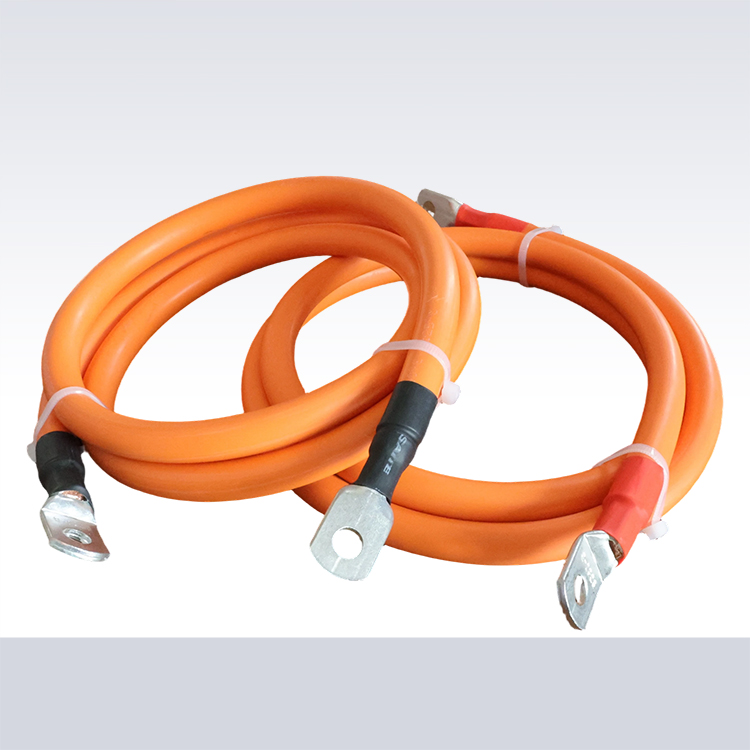
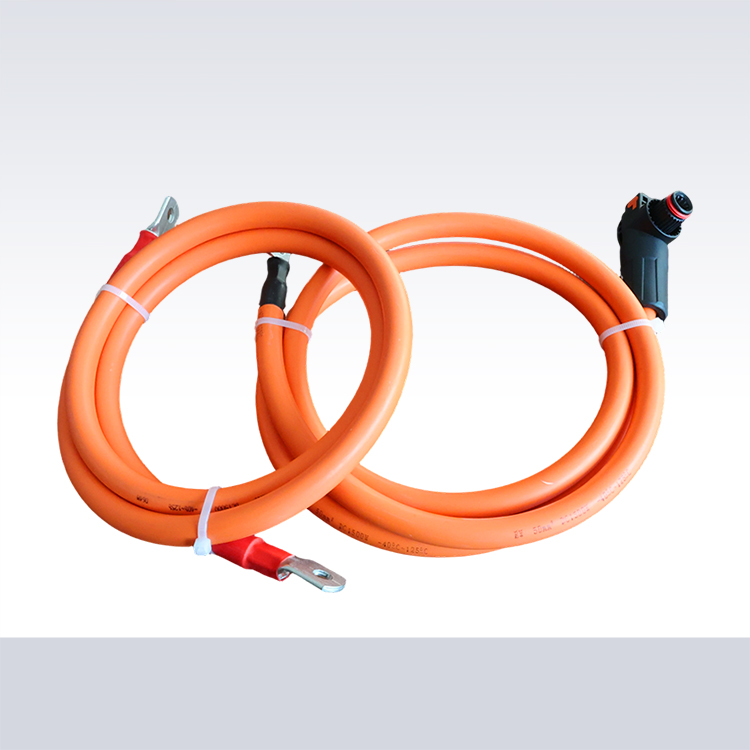
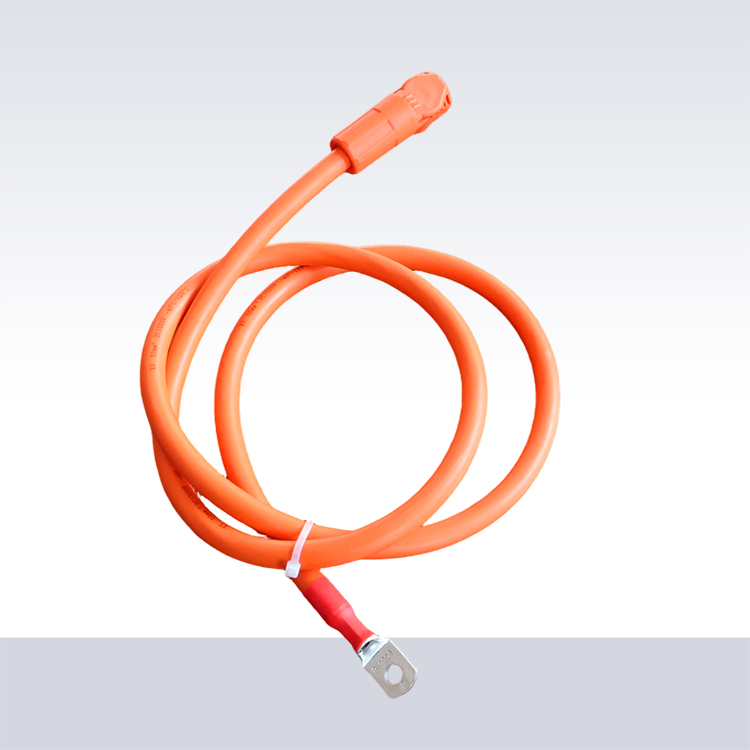
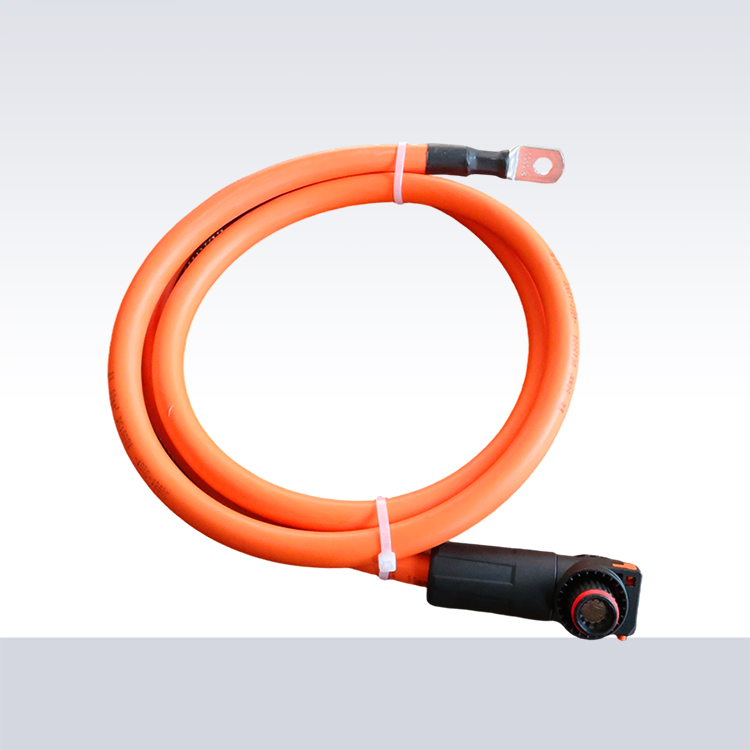
For both residential rooftops and large commercial solar systems, selecting the correct solar cable is one of the most important decisions installers can make. The cable is responsible for safely transmitting DC power generated by solar modules, ensuring stable performance and long service life. Whether a project relies on wiring supplied by a solar cable Manufacturer with proven Production and bulk supply capabilities or smaller custom runs, understanding what defines cable quality is key.
Solar cable is engineered specifically for demanding outdoor conditions. UV radiation, rain, temperature swings, mechanical stress, and constant voltage load all accelerate material degradation if the cable design is not suitable. This guide explains the essential features, standards, and best practices installers must consider to select the right solar cable for any project size.
1. Understanding What Solar Cable Is Designed to Handle
Solar cables differ from general-purpose wiring because they are built to withstand harsh environmental exposure for 25+ years.
1.1 UV Resistance
Solar cables must tolerate long-term sunlight exposure without cracking, fading, or losing insulation strength.
1.2 High Temperature Endurance
Under peak conditions, cables may operate at elevated temperatures. Proper insulation ensures stable conductivity and prevents overheating.
1.3 Moisture and Ozone Resistance
Outdoor systems face seasonal humidity, rain, and atmospheric pollutants. High-quality solar cables resist moisture absorption and corrosion.
1.4 Mechanical Flexibility
During installation, cables may bend around rails, frames, or conduits. Flexible stranded conductors allow for easier routing and safer handling.
2. Key Standards to Look for When Selecting Solar Cable
A reliable solar cable must comply with established safety and performance standards. When sourcing from any solar cable Manufacturer, verify compliance with these identifiable codes.
2.1 UL 4703 (North America)
Indicates the cable is approved for PV system use and tested for:
·Flame resistance
·UV exposure
·Electrical load capacity
·Thermal endurance
2.2 IEC 62930 (International Standard)
Widely used for solar cable qualification worldwide. It defines:
·Insulation and jacket requirements
·Temperature ratings
·Voltage categories
·Accelerated weather aging tests
2.3 TÜV Certification (Europe)
This confirms the cable underwent strict testing for PV-specific conditions such as:
·Ozone and UV aging
·Mechanical stress
·High-temperature stability
Compliance with these standards provides confidence in long-term reliability.
3. Insulation Materials: Choosing Between XLPE and Other Options
Insulation quality directly influences cable durability.
3.1 XLPE (Cross-Linked Polyethylene)
The most common choice today, XLPE insulation offers:
·Excellent heat resistance
·Superior electrical integrity
·Strong UV and abrasion resistance
3.2 EPR (Ethylene Propylene Rubber)
Used in some premium or specialty cables where exceptional flexibility is required.
3.3 Why High-Grade Insulation Matters
Degraded insulation can lead to:
·Voltage leakage
·Power loss
·Arc faults
·Fire hazards
Therefore, insulation material must match outdoor requirements and project complexity.
4. Cable Sizing: Selecting the Right Conductor Cross-Section
Proper conductor size ensures safe operation and reduces voltage drop.
4.1 Common Solar Cable Sizes
·2.5 mm²
·4 mm²
·6 mm²
·10 mm²
Commercial projects, due to longer runs, may require larger conductor sizes.
4.2 Voltage Drop Management
Solar arrays perform best when voltage drop remains below 2–3%. Undersized conductors can significantly reduce system efficiency.
4.3 Higher Current Flow Requires Larger Conductors
Systems with parallel strings or high-output modules demand cables capable of carrying increased current without overheating.
5. Residential vs. Commercial Project Requirements
Different environments place different demands on the solar cable.
5.1 Residential Solar Systems
Key considerations:
·Compact layouts
·Cable runs are usually shorter
·Emphasis on UV resistance and temperature endurance
·Flexible cables simplify rooftop routing
Solar cables should be rated for at least:
·90°C wet
·105–125°C dry
5.2 Commercial and Industrial Projects
Commercial systems demand:
·Larger cable sizes for long-distance DC runs
·Higher mechanical strength
·Consistent quality from Manufacturers with Production stability
·Resistance to rodents (when required)
·Direct-burial rated options for large-scale ground systems
Commercial designers often prefer solar cable rated to 1500 V DC to reduce system complexity and minimize conductor count.
6. Connector Compatibility and Safe Termination
Improper connector matching increases resistance, creates heat spots, and leads to arc faults.
6.1 MC4 and MC4-Compatible Connectors
Most modern solar systems use MC4-style connectors. Ensure the solar cable fits:
·Conductor diameter
·Crimp parameters
·Outer insulation diameter
6.2 Stranded Copper Conductors
Stranded conductors provide:
·Higher flexibility
·Better vibration resistance
·Easier routing during installation
Solid conductors are typically avoided due to higher stiffness and cracking risk.
7. Safety Best Practices When Installing Solar Cable
7.1 Avoid Sharp Edges
Cable jackets must not rub against metal edges on roofs or frames, which can cause insulation abrasion.
7.2 Secure Cables Properly
UV-resistant clips or cable ties keep wiring organized and protected from wind movement.
7.3 Protect Underground Runs
For commercial fields:
·Use conduits
·Select direct-burial cable types
·Maintain proper spacing and avoid compressive forces
7.4 Follow Local Code Requirements
Electrical codes may specify:
·Minimum wire gauge
·Routing rules
·Grounding practices
·Connector standards
Compliance ensures long-term system safety and regulatory approval.
Conclusion: Choose Solar Cable from Reliable Manufacturing Sources
Choosing the right solar cable is essential for ensuring maximum efficiency, safety, and long-term stability in both residential and commercial solar installations. When selecting wiring, always prioritize cables from a trustworthy solar cable Manufacturer with established Production strength and proven bulk supply capabilities. Such manufacturers ensure consistent quality, reliable certification, and dependable delivery schedules—critical factors for professional installers and EPC teams.
A well-chosen solar cable not only enhances system durability but also reduces maintenance risks and supports the long-term success of any solar project.
References
Cramer, G. L., Kroposki, B., & Weakley, B. (2013). Module safety and the importance of PV wiring standards. IEEE Journal of Photovoltaics, 3(1), 561–567.