


Current location: HOME > BLOGS > Frequently Asked Questions >
UV, Heat, and Moisture: How Weatherproof Photovoltaic Cable Performs Outdoors
time:2026-01-30 08:35:14 author:haoshizai Click:178
Why Weatherproof Photovoltaic Cable Is Essential Outdoors
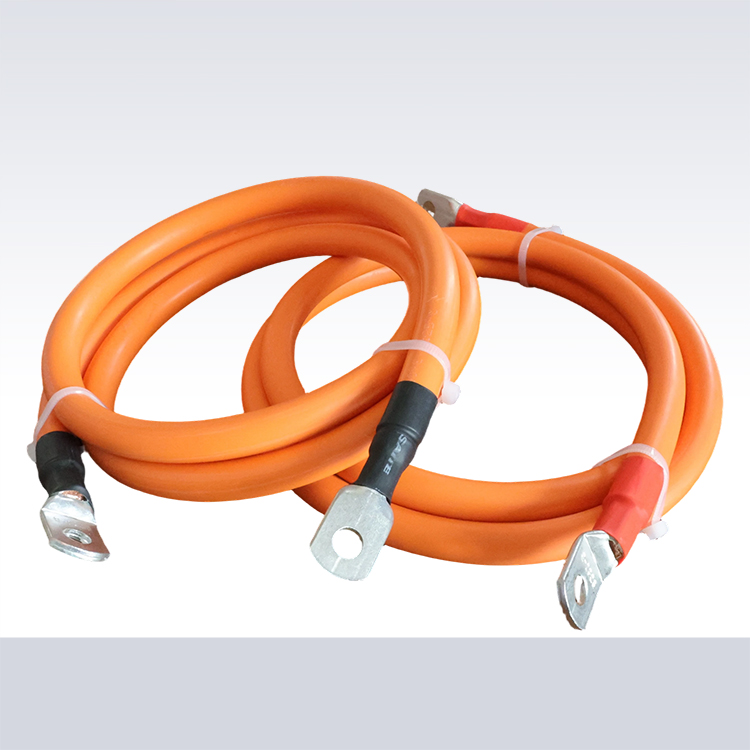
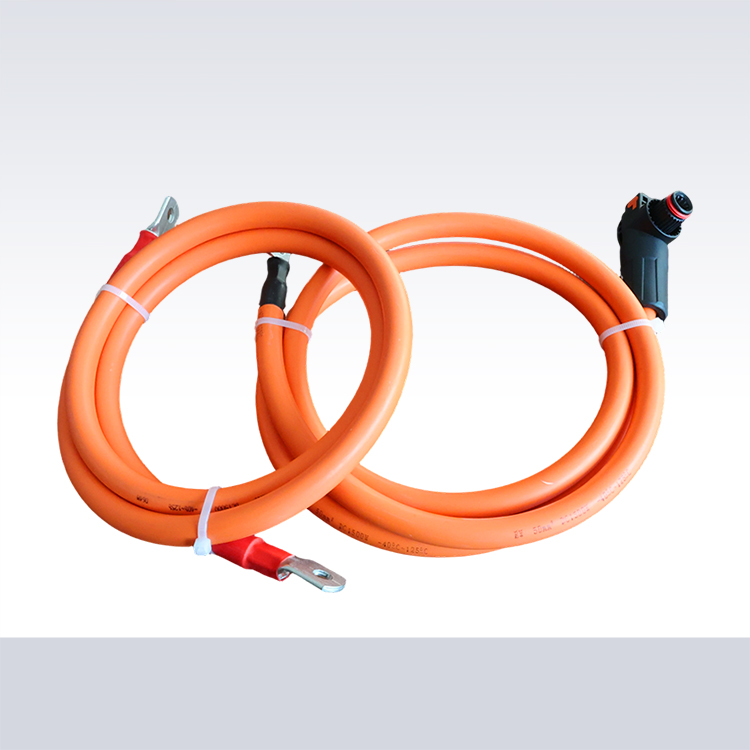
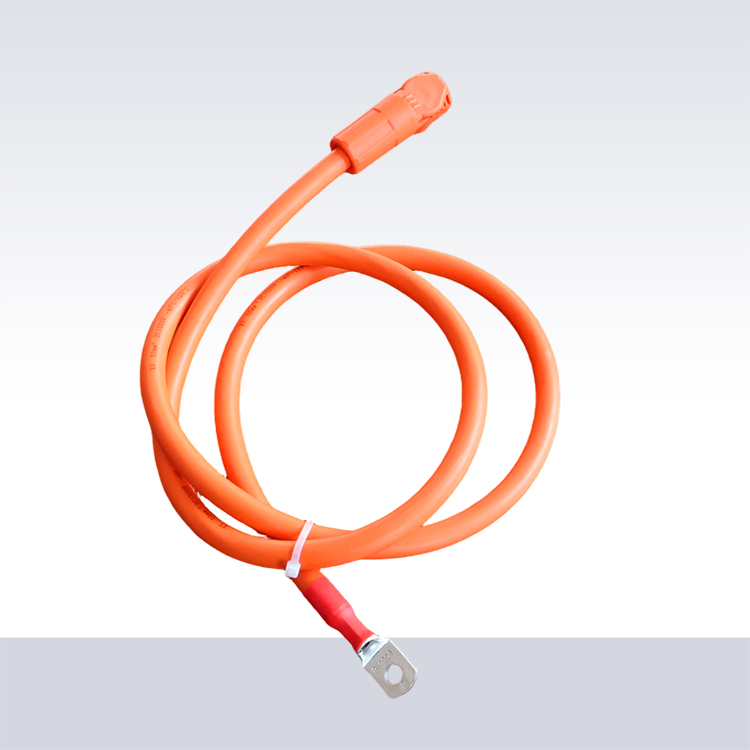
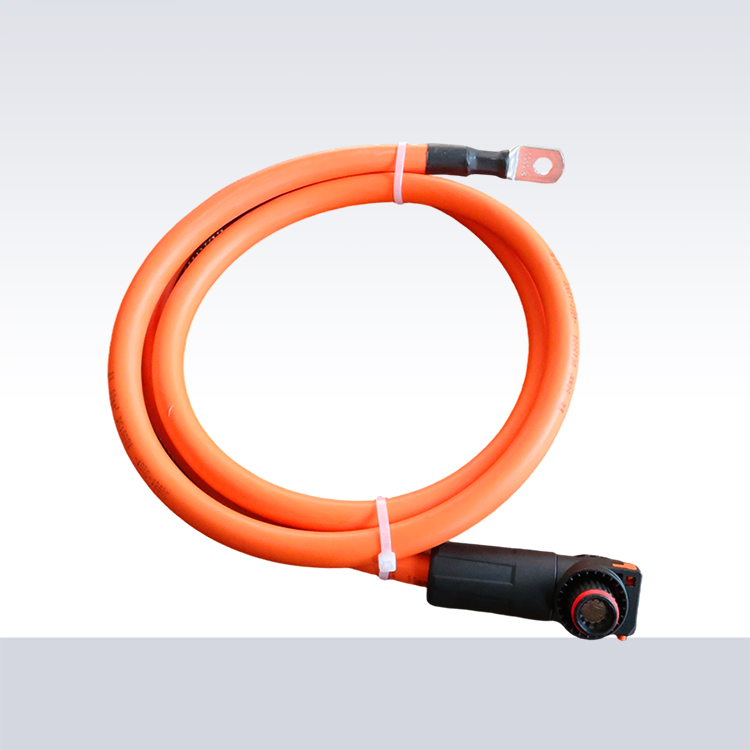
Outdoor photovoltaic systems operate in some of the harshest environments imaginable. Constant sunlight, fluctuating temperatures, and moisture exposure place continuous stress on electrical components. In this context, Weatherproof Photovoltaic Cable becomes a critical element for maintaining system efficiency and safety.
Unlike indoor wiring, outdoor PV cabling must resist environmental degradation while delivering stable electrical performance over decades. Understanding how weatherproof cables perform under UV, heat, and moisture helps system designers make informed decisions.
UV Exposure and Its Impact on Photovoltaic Cables
Why is ultraviolet radiation such a serious concern for outdoor cables?
Because prolonged UV exposure can break down insulation materials.
Weatherproof photovoltaic cable is designed with UV-resistant insulation compounds that maintain flexibility and mechanical strength under continuous sunlight. These materials prevent cracking, discoloration, and loss of protective properties, ensuring reliable operation throughout the cable’s service life.
Heat Resistance in High-Temperature Environments
Solar installations often experience elevated temperatures due to direct sun exposure and electrical load.
Weatherproof photovoltaic cable is engineered to withstand high operating temperatures without compromising insulation integrity. Stable thermal performance reduces the risk of insulation softening, deformation, or electrical leakage, even during peak summer conditions.
Moisture Protection and Environmental Sealing
Why is moisture protection essential in outdoor PV systems?
Because water ingress can lead to corrosion, short circuits, and insulation failure.
Weatherproof photovoltaic cable incorporates moisture-resistant insulation and tight conductor bonding to prevent water penetration. This design protects electrical continuity during rain, snow, and high-humidity conditions.
Combined Environmental Stress Resistance
Outdoor cables rarely face a single environmental challenge.
Weatherproof photovoltaic cable is tested to perform under combined stress from UV radiation, heat, and moisture. This multi-factor resistance ensures that no single environmental element compromises cable performance or safety.
Mechanical Durability in Outdoor Installations
In addition to environmental exposure, outdoor cables face mechanical stress.
Weatherproof photovoltaic cable provides enhanced resistance to abrasion, bending, and vibration. These characteristics are particularly important for rooftop and ground-mounted systems where cables may move due to wind or thermal expansion.
Electrical Stability Over Time
Why does long-term stability matter in solar systems?
Because even small electrical losses accumulate over years.
By maintaining consistent insulation properties and conductor integrity, weatherproof photovoltaic cable helps ensure stable resistance and current flow over time. This stability supports predictable system output and long-term energy yield.
Manufacturing Quality and Material Control
Environmental resistance depends heavily on manufacturing precision.
A qualified manufacturer applies strict control over insulation formulation, conductor stranding, and quality testing. Advanced production processes are essential for delivering weatherproof photovoltaic cable that performs consistently, especially for projects requiring bulk supply.
Bulk Supply for Large-Scale Outdoor Projects
Large solar installations demand uniform performance across thousands of meters of cable.
Bulk supply of weatherproof photovoltaic cable ensures consistent electrical and mechanical characteristics throughout the project. Uniform quality simplifies installation, inspection, and long-term maintenance planning.
Compliance with Outdoor Installation Requirements
Weatherproof photovoltaic cable is designed to meet common outdoor installation requirements related to temperature rating, UV resistance, and moisture protection.
Compliance with these requirements provides system designers with confidence that the cable will perform reliably in diverse climates and operating conditions.
Maintenance Benefits of Weatherproof Cable Design
Why does weatherproof design reduce maintenance?
Because durable materials resist environmental aging.
Weatherproof photovoltaic cable reduces the frequency of inspections and repairs by minimizing insulation degradation and connection failures. Lower maintenance demands contribute to reduced operational costs over the system’s lifetime.
Best Practices for Outdoor Cable Installation
To maximize the benefits of weatherproof photovoltaic cable, installers should:
Avoid excessive bending and tension
Secure cables against movement and abrasion
Ensure proper routing away from sharp edges
Conduct periodic visual inspections
These practices help preserve environmental resistance and electrical performance.
Conclusion: Weatherproof Photovoltaic Cable Built for Outdoor Reliability
Outdoor solar systems depend on components that can withstand relentless environmental stress. Weatherproof Photovoltaic Cable delivers reliable performance under UV exposure, high temperatures, and moisture by combining durable materials with controlled manufacturing and production quality.
From rooftop arrays to large ground-mounted systems, Weatherproof Photovoltaic Cable remains a foundational element for achieving safe, efficient, and long-lasting outdoor photovoltaic installations.
References
Allen, N. S., Edge, M., Corrales, T., Childs, A., & Liauw, C. M. (1998).Ageing and stabilisation of polymers under UV radiation.Polymer Degradation and Stability, 61(2), 183–199.






CONTACT
Email:525860526@qq.com
Whatsapp: +86 19933450664
TEL:+86 17803069333
WEB:https://www.haoshizai-solar.com
ADD:Dongyang Village, Daweihe Hui and Manchu Township, Wenan County, Langfang City, Hebei Province