


Current location: HOME > BLOGS > Frequently Asked Questions >
PV System Wiring Harness vs Traditional Wiring: Which Is Better?
time:2026-01-29 05:51:01 author:haoshizai Click:162
PV System Wiring Harness solutions are increasingly used in modern photovoltaic installations as system sizes grow and installation efficiency becomes a priority. Compared with traditional point-to-point wiring, wiring harnesses offer a more structured and standardized approach to managing electrical connections within solar power systems.
As a PV System Wiring Harness manufacturer with stable production capacity, supplying harness solutions for large-scale solar projects requires not only technical expertise but also consistent manufacturing and batch-level quality control. This article explores the key differences between PV system wiring harnesses and traditional wiring to help system designers and installers make informed decisions.
1. Understanding Traditional PV Wiring Methods
Traditional wiring in photovoltaic systems typically involves individual cables connected manually between modules, junction boxes, combiners, and inverters. This method has been widely used due to its flexibility and familiarity.
However, traditional wiring often requires more on-site labor, careful cable management, and extensive inspection to ensure consistent connection quality across large installations.
2. What Is a PV System Wiring Harness?
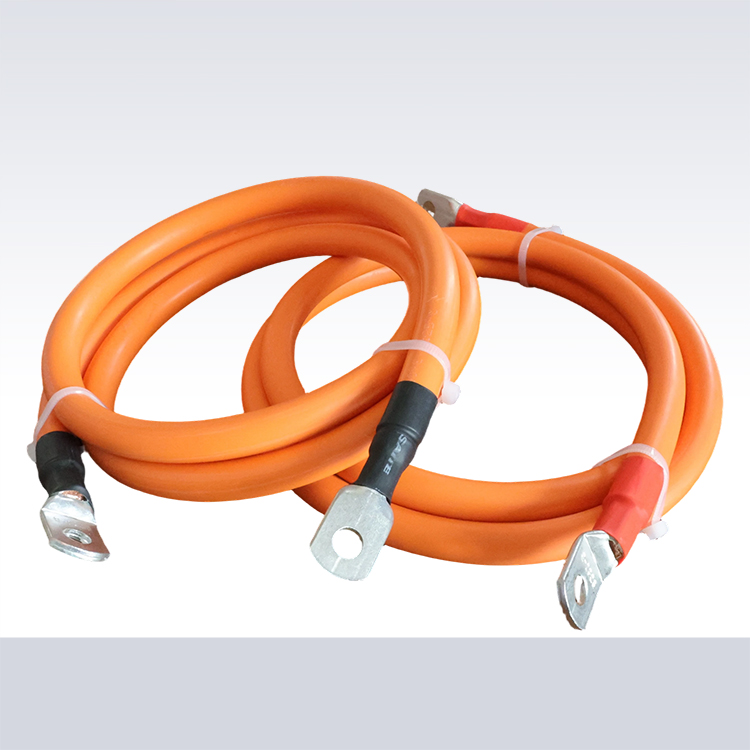
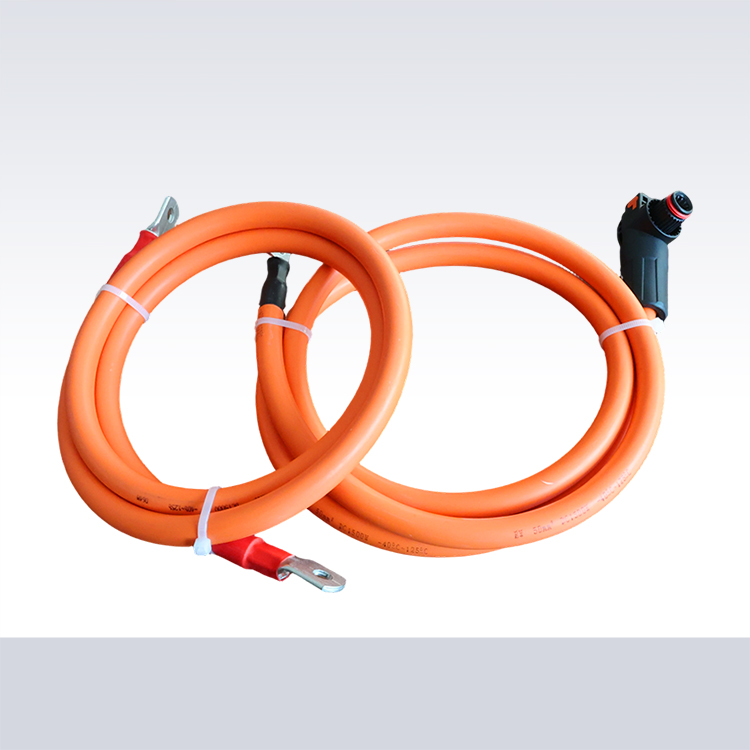
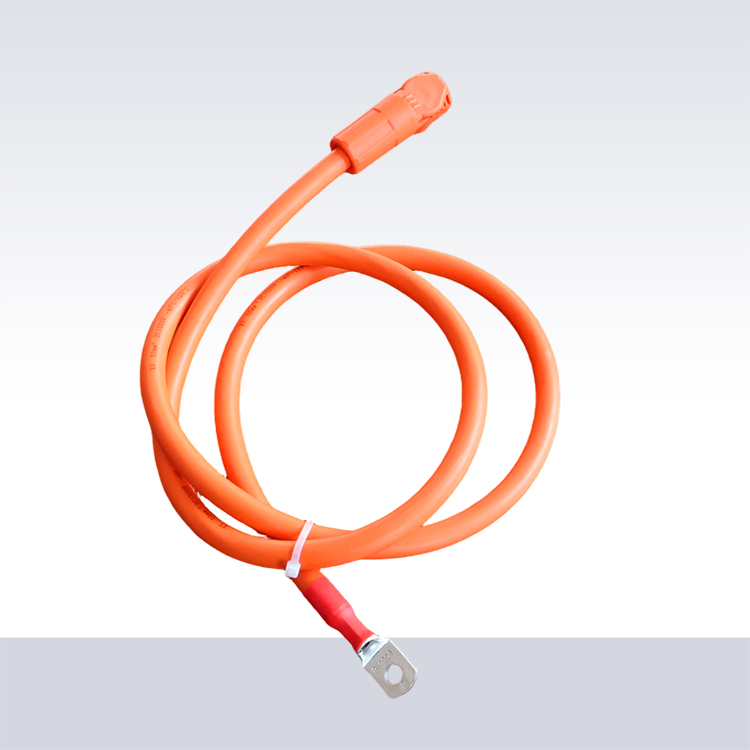
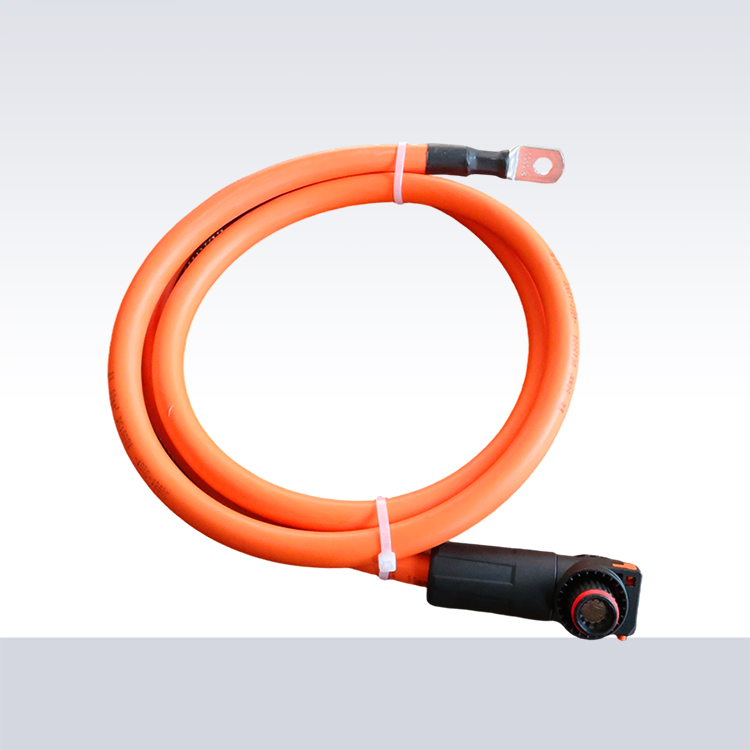
A PV system wiring harness is a pre-assembled set of cables, connectors, and protective elements designed to integrate seamlessly into a solar power system. Harnesses are manufactured according to predefined layouts and electrical specifications.
By standardizing cable lengths and connection points, wiring harnesses simplify installation and reduce variability in system assembly.
3. Installation Efficiency Comparison
3.1 Traditional Wiring Installation
Traditional wiring relies heavily on manual routing, cutting, stripping, and terminating of cables on-site. This process can be time-consuming and increases the risk of installation errors, especially in large-scale projects.
3.2 Wiring Harness Installation
PV system wiring harnesses arrive ready for installation, significantly reducing on-site labor. Pre-terminated connectors minimize the need for specialized tools and allow faster system assembly.
For projects with tight schedules, harness solutions can shorten installation timelines and improve workforce efficiency.
4. Reliability and Connection Quality
4.1 Consistency in Traditional Wiring
Connection quality in traditional wiring depends largely on installer skill and working conditions. Variations in crimping, torque, and routing can affect long-term performance.
4.2 Standardization with Wiring Harnesses
Wiring harnesses are produced under controlled manufacturing conditions, ensuring consistent conductor sizing, insulation thickness, and connector quality. This standardization improves overall system reliability.
5. Cable Management and System Organization
Traditional wiring can result in complex cable layouts that are difficult to inspect or maintain. Poor cable organization increases the risk of abrasion, mechanical stress, and troubleshooting challenges.
PV system wiring harnesses offer cleaner routing and structured layouts, making inspection and maintenance more straightforward throughout the system’s service life.
6. Scalability for Large-Scale Solar Projects
As photovoltaic installations scale up, the complexity of traditional wiring increases. Managing thousands of individual connections can become a logistical challenge.
Wiring harness solutions are inherently scalable. Manufacturers can support large projects by delivering harness assemblies in bulk, each designed to match specific array configurations.
7. Cost Considerations Beyond Materials
While traditional wiring may appear less expensive in terms of material cost, labor, inspection, and rework can significantly increase overall project expenses.
PV system wiring harnesses often reduce total installed cost by lowering labor requirements, minimizing errors, and shortening project timelines.
8. Maintenance and Long-Term Performance
Maintenance activities are easier when cable routing is standardized. Wiring harness systems allow faster identification of faults and simpler component replacement.
Reduced handling and consistent connections help extend the operational life of photovoltaic systems.
9. Manufacturing Quality and Production Capability
The effectiveness of a wiring harness solution depends on manufacturing quality. Controlled production processes ensure repeatability, electrical performance, and mechanical durability.
Manufacturers with standardized production lines and bulk supply capability can provide consistent PV system wiring harnesses across multiple project phases, supporting long-term system expansion.
Conclusion: Choosing the Right Wiring Solution
Both traditional wiring and PV system wiring harness solutions have their place in photovoltaic system design. Traditional wiring offers flexibility for small or customized installations, while wiring harnesses deliver efficiency, consistency, and scalability for modern solar projects.
For developers sourcing from a manufacturer with reliable production capacity and bulk supply support, PV System Wiring Harness solutions provide a structured approach that enhances installation efficiency, system reliability, and long-term performance. As solar projects continue to grow in size and complexity, wiring harnesses are becoming an increasingly preferred solution.
References
Messenger, R. A., & Ventre, J. (2017).Photovoltaic systems engineering (4th ed.). CRC Press.






CONTACT
Email:525860526@qq.com
Whatsapp: +86 19933450664
TEL:+86 17803069333
WEB:https://www.haoshizai-solar.com
ADD:Dongyang Village, Daweihe Hui and Manchu Township, Wenan County, Langfang City, Hebei Province