


Current location: HOME > BLOGS > Frequently Asked Questions >
PV Cable Guide 2026: Types, Standards, and How to Choose for Solar Systems
time:2026-01-30 08:51:26 author:haoshizai Click:85
Why PV Cable Selection Matters in 2026
As solar energy systems continue to evolve in scale and complexity, the importance of selecting the right PV cable has never been greater. In 2026, solar projects demand higher voltage ratings, longer service life, and improved safety performance across diverse environments. While panels and inverters often receive the most attention, PV cables form the electrical backbone of every photovoltaic system.
Choosing the correct PV cable impacts system efficiency, installation safety, and long-term operational stability. This guide provides a clear overview of PV cable types, applicable standards, and practical selection criteria to help installers, EPC contractors, and project planners make informed decisions.
1. What Is a PV Cable?
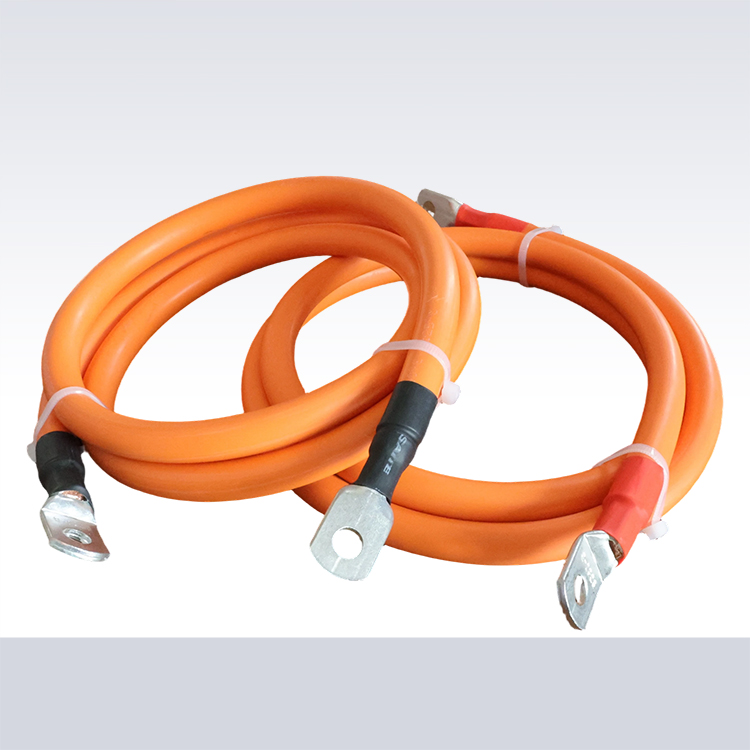
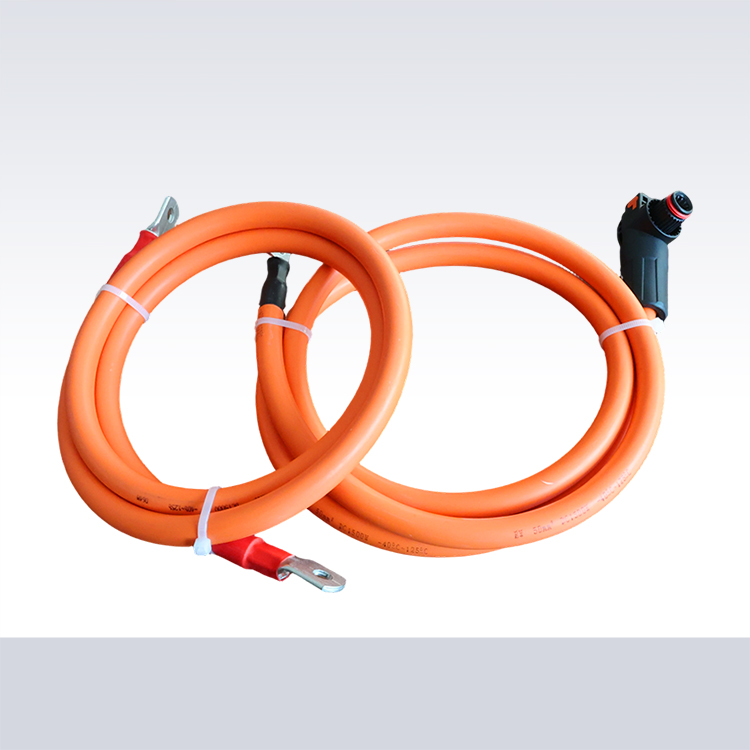
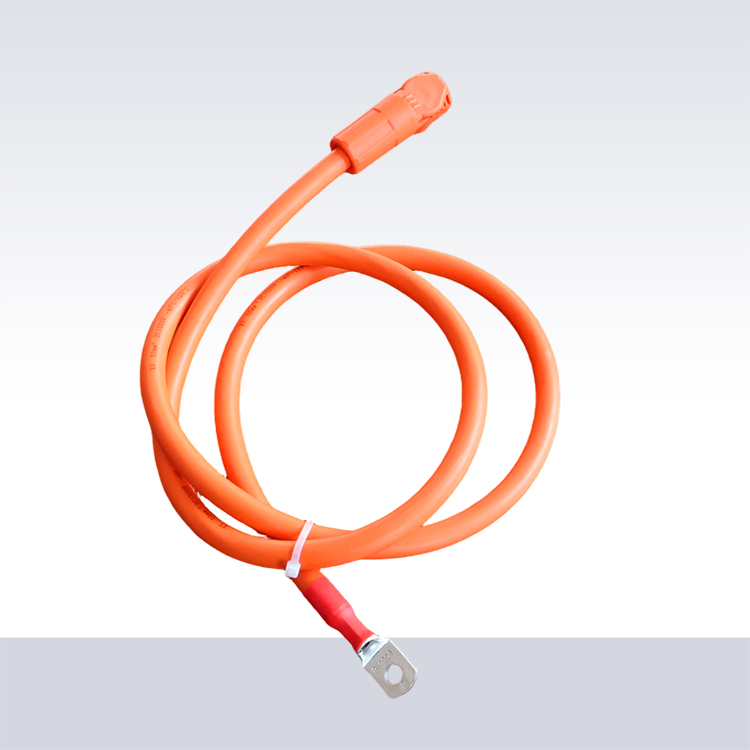
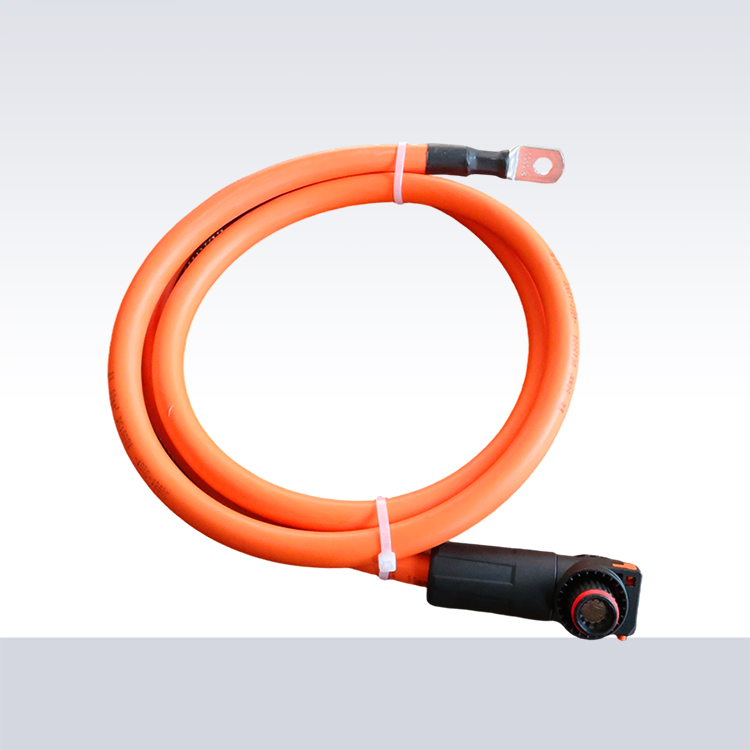
A PV cable is a specially designed electrical cable used to connect solar modules, inverters, and combiner boxes within photovoltaic systems.
Core Functions
·Transmitting DC power safely
·Withstanding outdoor environmental exposure
·Maintaining insulation integrity under high voltage
Unlike conventional power cables, PV cables are engineered for continuous outdoor use and long-term electrical stability.
2. Common Types of PV Cable Used in Solar Systems
Understanding cable types helps ensure proper application.
Single-Core PV Cables
·Most commonly used in solar installations
·Flexible for routing around frames and conduits
·Suitable for DC connections between modules and inverters
Dual-Insulated PV Cables
·Enhanced protection against mechanical stress
·Improved resistance to UV and temperature variation
Different PV cable types are selected based on system design, voltage level, and installation environment.
3. PV Cable Voltage and Temperature Ratings
Modern solar systems often operate at higher voltages.
Key Rating Considerations
·Voltage ratings aligned with system design
·Temperature tolerance for extreme climates
·Continuous current-carrying capacity
Using a PV cable with insufficient ratings can lead to insulation failure, power loss, and safety risks.
4. International Standards for PV Cables
Compliance with recognized standards is essential.
Why Standards Matter
·Ensure electrical safety
·Support regulatory approval
·Improve system reliability
PV cables manufactured in accordance with widely accepted international standards provide installers with confidence during inspection and commissioning.
5. Material Quality and Insulation Performance
Cable performance depends heavily on material selection.
Material Factors
·Conductor purity and consistency
·Insulation resistance to UV exposure
·Flexibility under thermal cycling
From a manufacturer and production perspective, consistent material control ensures stable performance across large supply volumes and long-term installations.
6. Environmental Considerations for PV Cable Selection
Solar systems operate under challenging conditions.
Environmental Challenges
·Direct sunlight exposure
·Moisture and humidity
·Temperature fluctuations
Selecting PV cables designed for outdoor durability helps reduce premature aging and maintenance costs.
7. Installation Practices That Affect PV Cable Performance
Even high-quality cables require proper installation.
Best Practices
·Avoid sharp bends and excessive tension
·Secure cables to prevent movement
·Maintain clear polarity identification
Correct handling during installation extends the service life of PV cables and improves overall system safety.
8. Choosing PV Cables for Large-Scale Projects
Utility-scale and commercial projects have additional requirements.
Project-Level Considerations
·Consistent specifications across bulk orders
·Reliable delivery schedules
·Uniform performance for easier maintenance
PV cable supply systems that support bulk supply help streamline installation workflows and reduce variability across large projects.
9. Balancing Cost and Long-Term Performance
While cost is a factor, it should not be the only consideration.
Long-Term Value Factors
·Reduced replacement frequency
·Lower maintenance costs
·Improved system uptime
Investing in suitable PV cables often results in lower total lifecycle costs for solar systems.
10. Trends Shaping PV Cable Selection in 2026
The solar industry continues to advance.
Key Trends
·Higher voltage system designs
·Increased focus on fire safety
·Greater emphasis on durability and compliance
These trends highlight the growing importance of informed PV cable selection in modern solar projects.
Conclusion: Selecting the Right PV Cable for Future-Ready Solar Systems
In 2026, selecting the right PV cable is a critical step in building safe, efficient, and durable solar systems. From understanding cable types and standards to considering environmental and installation factors, informed choices reduce risk and improve long-term performance.
Supported by structured manufacturing processes and consistent production planning, reliable PV cable solutions enable installers and project developers to meet modern solar demands with confidence. By applying the principles outlined in this guide, solar professionals can ensure that every PV cable contributes to system safety, reliability, and long-term success.
References
Jordan, D. C., & Kurtz, S. R. (2013).Photovoltaic degradation rates—An analytical review.Progress in Photovoltaics: Research and Applications, 21(1), 12–29.






CONTACT
Email:525860526@qq.com
Whatsapp: +86 19933450664
TEL:+86 17803069333
WEB:https://www.haoshizai-solar.com
ADD:Dongyang Village, Daweihe Hui and Manchu Township, Wenan County, Langfang City, Hebei Province