

Current location: HOME > BLOGS > Frequently Asked Questions >
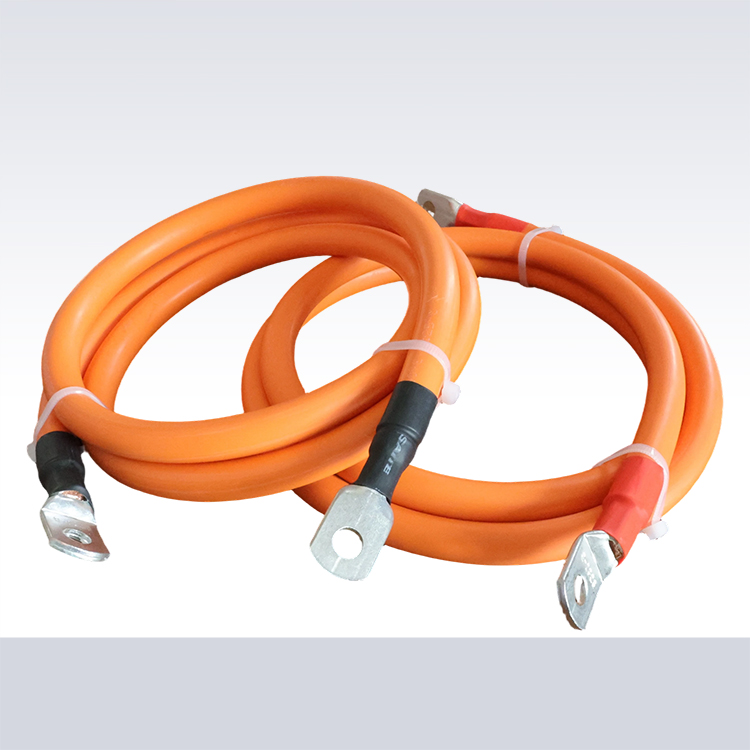
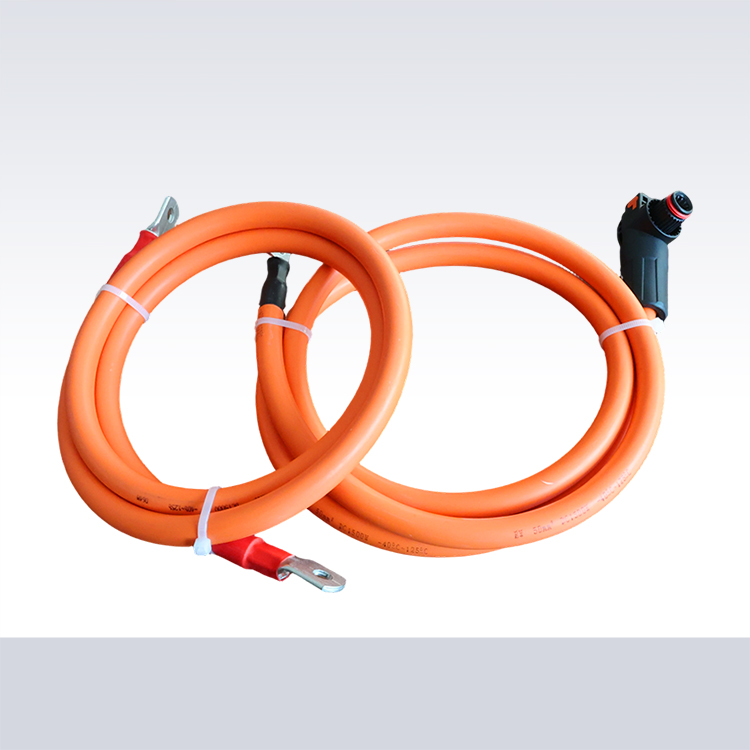
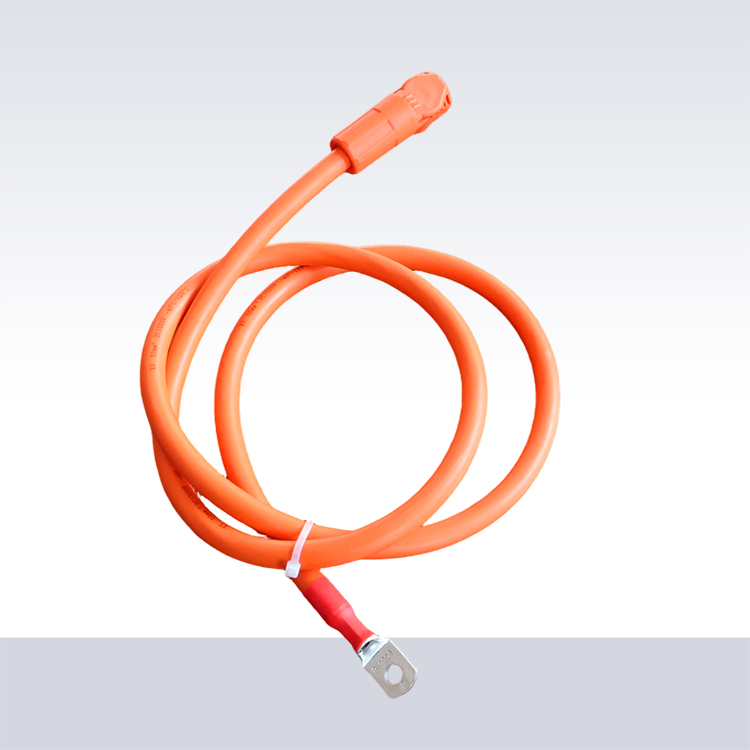
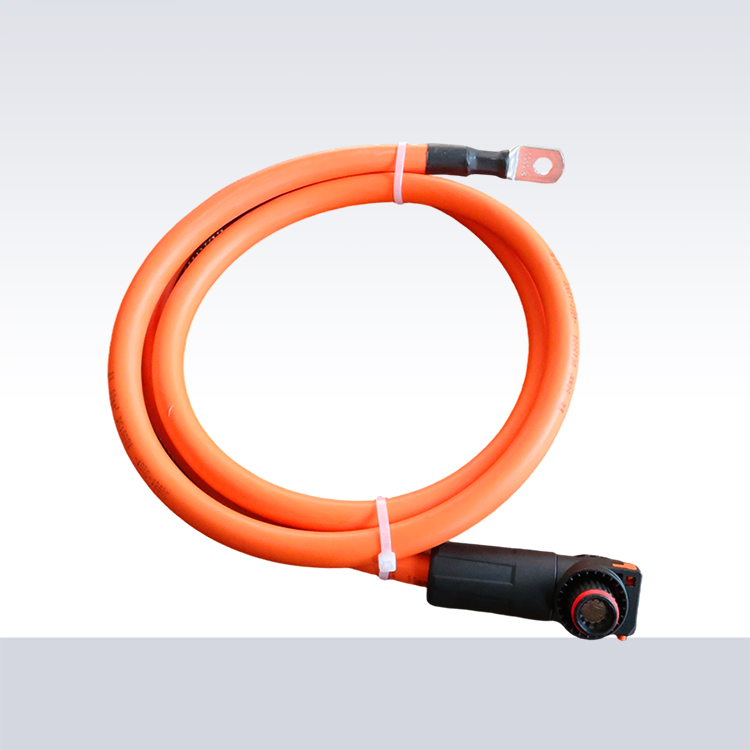
How to Choose Quality New Energy EV Wiring for Your Project
time:2026-06-29 08:37:47 author:haoshizai Click:123
Finding the right wiring solution for electric vehicle infrastructure projects can feel overwhelming, especially when reliability and safety are paramount. As a manufacturer and supplier of electrical wiring solutions, we understand the critical importance of selecting cables that perform optimally in demanding environments while maintaining excellent value for money.
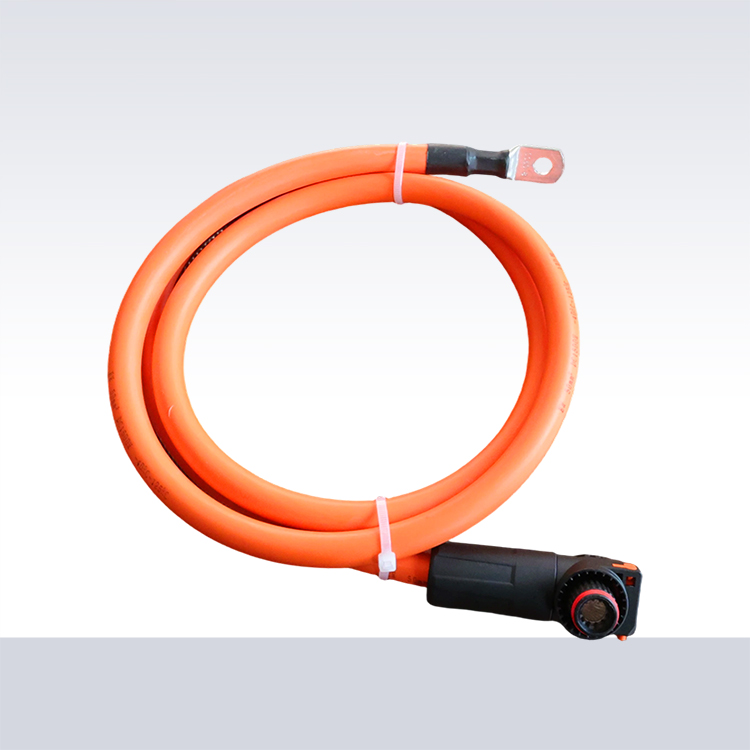
Understanding New Energy EV Wiring Requirements
Electric vehicle charging installations demand specialized wiring that can handle high current loads without overheating or degrading over time. Unlike conventional wiring, new energy EV wiring must meet stringent standards for conductivity, insulation integrity, and environmental resistance. When selecting cables for EV charging stations, consider the maximum current rating needed for your specific application, whether Level 1, Level 2, or DC fast charging.
Most residential EV charging setups operate at 240V with current requirements ranging from 16A to 50A, while commercial installations often require higher amperage capabilities. Working with an experienced supplier ensures you get products matched to your exact specifications without overpaying for unnecessary capacity.
Key Technical Specifications to Evaluate
Beyond basic amperage ratings, several technical factors determine cable performance in real-world conditions. Conductor size directly impacts voltage drop and heat generation—larger conductors reduce resistance but increase material costs. Cross-linked polyethylene (XLPE) insulation offers superior heat resistance compared to standard PVC, making it ideal for continuous high-temperature operation.
Flame retardant properties matter significantly for enclosed parking structures and indoor installations. Look for cables meeting UL94 V-0 rating or equivalent international standards. Additionally, jacket materials should resist oil, chemicals, and UV exposure if the installation involves outdoor or industrial environments.
Sourcing from Trusted Manufacturers
TheEV charging infrastructure market has attracted numerous suppliers, but quality consistency varies dramatically. Reputable manufacturers maintain ISO 9001 certification and subject their products to rigorous testing protocols. Requesting material certifications and test reports before purchase helps ensure you're getting cables that genuinely meet advertised specifications.
A trustworthy supplier provides technical documentation, including conformance certificates, and supports customers with installation guidance. Building relationships with established factories gives access to bulk pricing opportunities for larger projects while maintaining quality assurance through direct manufacturer communication.
Cost Considerations and Value Optimization
While budget constraints are real, cheapest isn't always wisest when selecting EV wiring. Premium cables from established manufacturers often outperform budget alternatives over the full lifecycle, reducing maintenance costs and preventing costly failures. However, strategic supplier relationships can unlock competitive pricing without sacrificing quality.
Requesting quotes from multiple distributors and considering total cost of ownership—including installation ease, expected lifespan, and maintenance requirements—provides clearer picture than unit price alone. Many manufacturers offer project discounts for bulk orders, making direct purchasing economically sensible for commercial developments.
Installation Best Practices
Proper installation maximizes wiring performance and safety. Follow manufacturer guidelines for conductor termination, using appropriate crimping tools and connectors rated for the specific current load. Allow adequate弯曲半径 to prevent insulation damage during routing, and maintain segregation from other electrical systems to minimize electromagnetic interference.
Comprehensive documentation of installation circuits and connections simplifies future maintenance and troubleshooting. This proves especially valuable for property managers overseeing multiple charging stations across commercial facilities.
References
National Electrical Code (NEC) Article 625: Electric Vehicle Charging System Requirements
SAE J1772: EV Charging Connector Standard
UL 2251: Standard for Plugs, Receptacles, and Couplers for Electric Vehicles
IEC 61851-1: Electric Vehicle Conductive Charging System
IEEE Standard 1725: Rechargeable Batteries for Mobile and Portable Electronics