

Current location: HOME > BLOGS > Frequently Asked Questions >
How 10mm² Photovoltaic Cable Supports Large-Scale Solar Farms
time:2026-01-30 10:35:38 author:haoshizai Click:161
As solar power projects grow larger and more complex, selecting the right cabling becomes essential—especially for high-current DC transmission. Among the available cable sizes, the 10mm² photovoltaic cable is one of the most reliable choices for utility-scale systems. Whether used in ground-mounted arrays, high-power string connections, or long-distance DC runs, this cable size provides the current capacity and durability required for modern solar farms. When supplied by an experienced cable manufacturer capable of consistent production, it becomes a critical factor in long-term system performance.
This guide explains why 10mm² photovoltaic cable is preferred for large projects, how it enhances system stability, and where it should be applied for maximum efficiency and safety.
1. What Is a 10mm² Photovoltaic Cable?
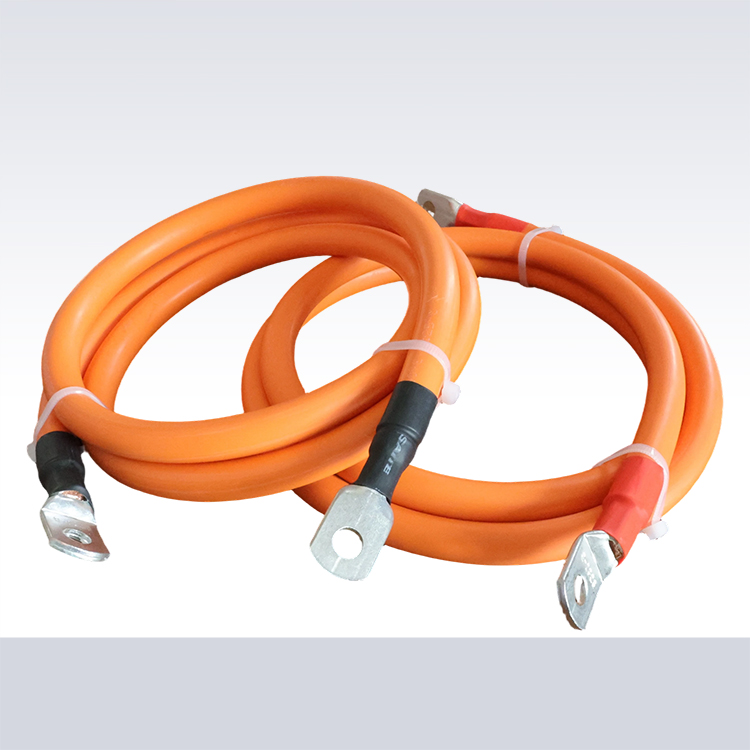
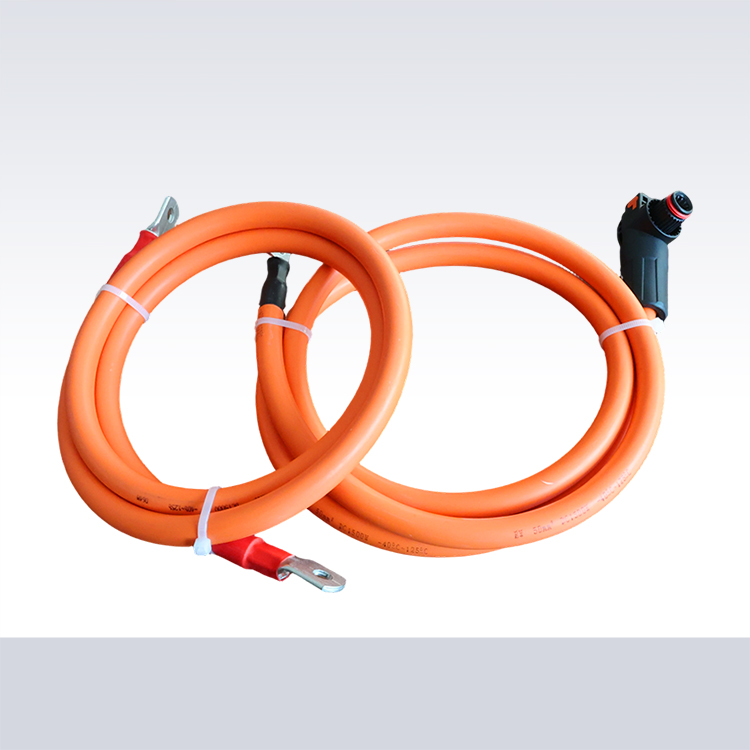
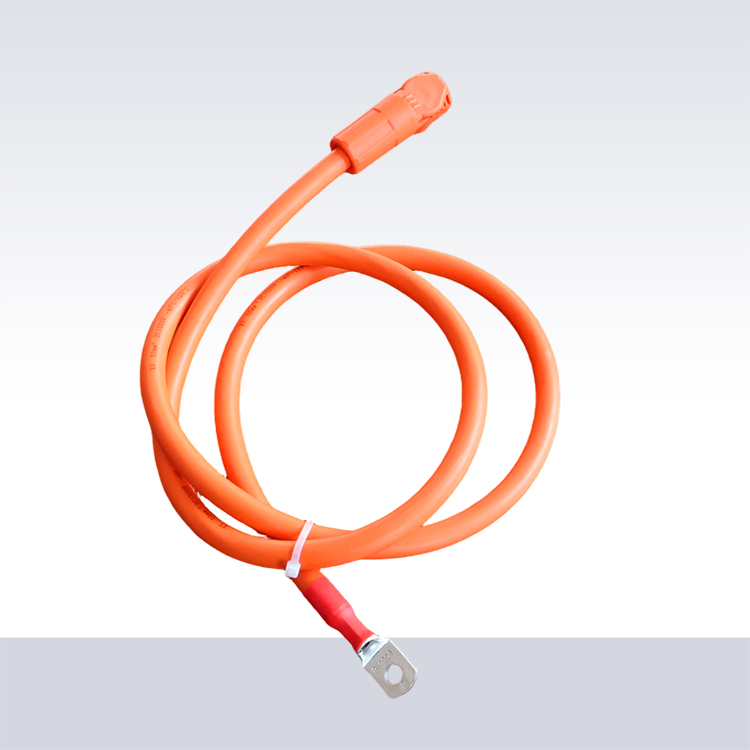
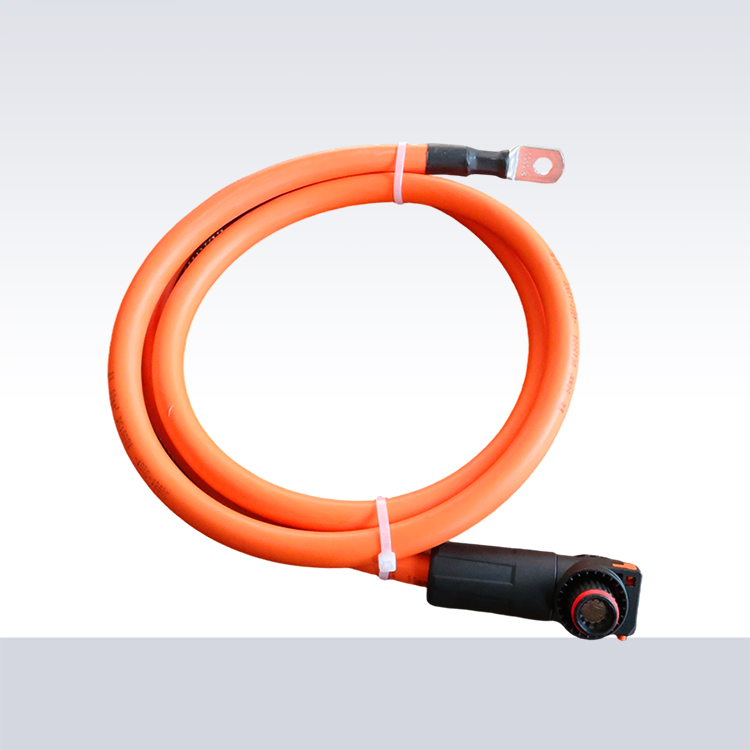
A 10mm² photovoltaic cable is a DC cable used in solar power systems for transmitting electricity between modules, combiner boxes, inverters, and other equipment. The “10mm²” refers to the cross-sectional area of the copper conductor, which determines how much current the cable can carry safely.
Key characteristics include:
·High-purity tinned copper conductor
·UV-resistant XLPE or XLPO insulation
·Rated for 90°C–120°C operating temperatures
·Suitability for 1000V or 1500V DC systems
·High mechanical strength and abrasion resistance
·Halogen-free and flame-retardant materials
These features make 10mm² PV cables ideal for harsh outdoor environments commonly found in utility-scale solar farms.
2. Why Large-Scale Solar Farms Need 10mm² Cables
Utility-scale installations typically operate under high electrical loads. Compared with smaller cable sizes—such as 4mm² or 6mm²—the 10mm² photovoltaic cable offers several key advantages:
2.1 Higher Current-Carrying Capacity
Large solar arrays generate significant DC power. A larger conductor diameter reduces:
·Voltage drop
·Heat buildup
·Transmission losses
This keeps the system running efficiently, especially over long cable runs between module strings and combiner boxes.
2.2 Optimized for 1500V Systems
Most modern solar farms use 1500V DC architecture to improve efficiency and reduce BOS (Balance of System) costs. The 10mm² cable is more suitable for these systems because it handles higher currents without overheating.
2.3 Lower Resistance Over Long Distances
Solar farms often extend across wide areas. A thicker cable minimizes power loss, ensuring:
·Stable inverter input
·High energy yield
·Lower long-term operational costs
2.4 Enhanced Durability in Harsh Environments
Large installations expose cables to severe environmental challenges, such as:
·UV radiation
·Temperature fluctuations
·Sand, dust, and moisture
·Mechanical stress
10mm² PV cables have thicker insulation and better resistance to these factors, making them ideal for outdoor utility sites.
3. Common Applications of 10mm² Photovoltaic Cable in Solar Farms
3.1 String-to-Combiner Box Connections
When multiple module strings converge into a combiner box, current can increase significantly. A 10mm² cable ensures safe and efficient transmission.
3.2 DC Runs Between Combiner Box and Central/ String Inverter
High-power inverters require stable DC input. Thicker cables minimize voltage drop and maintain consistent performance.
3.3 Long-Distance Outdoor Cable Routes
Ground-mounted solar farms often require extended cable paths. Using 10mm² wiring reduces resistive loss and improves output.
3.4 Battery and Hybrid System Connections
In solar+storage applications, high-current battery lines sometimes require 10mm² DC cables for enhanced thermal performance.
3.5 Areas with High Ambient Temperatures
Solar farms in deserts or tropical regions benefit from the cable’s heat resistance, ensuring safe operation under extreme conditions.
4. Key Specifications to Consider When Choosing 10mm² PV Cable
4.1 Conductor Quality
Look for:
·90% pure copper
·Tinned coating for anti-corrosion
·IEC or TÜV complaint strands
A professional manufacturer will list conductor quality clearly in technical datasheets.
4.2 Insulation Material
High-performance solar cables use:
·XLPE
·XLPO
These materials provide excellent thermal stability, UV resistance, and mechanical strength.
4.3 Voltage Rating
Ensure compliance with:
·1000V DC
·1500V DC (recommended for solar farms)
4.4 Temperature Rating
Cable performance must remain stable at:
·Continuous operation: +90°C ~ +120°C
·Short-circuit temperatures: up to +200°C
4.5 Certification
Look for compliance with standards such as:
·TÜV 2 PfG 1169
·EN 50618
·IEC 62930
These certifications guarantee safety, durability, and long-term reliability.
5. Why Source 10mm² Cable from a Professional Supplier
Choosing high-quality cable is critical for long-term solar farm performance. A reliable manufacturer with strong production capability provides:
·Consistent DC resistance values
·Accurate conductor size
·Uniform insulation thickness
·Stable quality over large volumes
·Availability for bulk orders
·Long-term supply for multi-phase projects
A trustworthy supplier also conducts full testing—like aging tests, UV exposure, high-voltage withstand tests, and salt-spray corrosion resistance.
Conclusion
A 10mm² photovoltaic cable plays an essential role in large-scale solar farms, providing superior electrical capacity, durability, and long-distance transmission performance. Its strength in current handling, resistance to environmental stress, and compatibility with 1500V DC systems make it a top choice for modern utility installations. When sourced from a professional manufacturer with dependable production capabilities, the cable ensures long-term stability and efficiency for solar power projects of any size.
References
Fraunhofer Institute for Solar Energy Systems. (2023). Photovoltaics report. Fraunhofer ISE.