

Current location: HOME > BLOGS > Frequently Asked Questions >
High Voltage EV Cable 70mm² for New Energy Vehicles: Features and Applications
time:2026-04-02 03:16:39 author:haoshizai Click:186
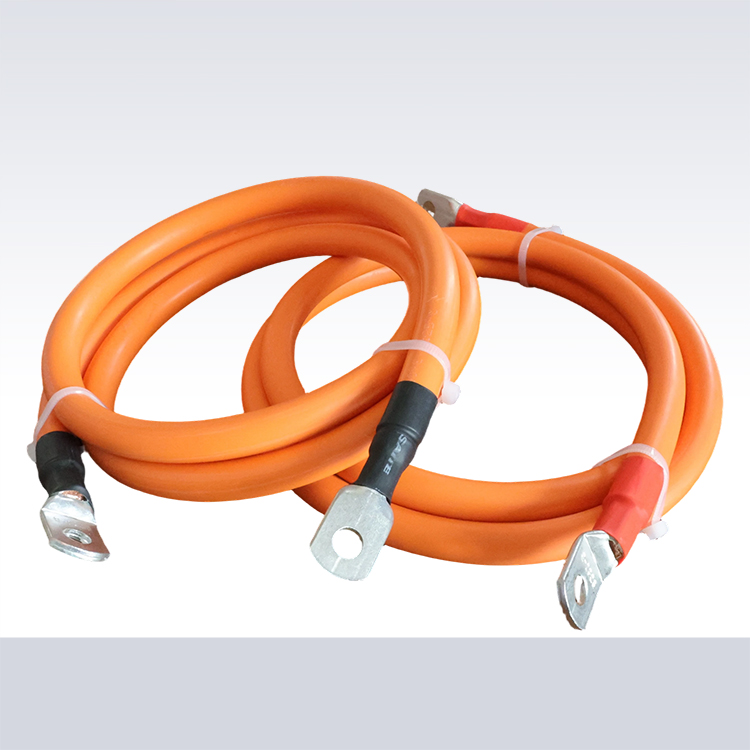
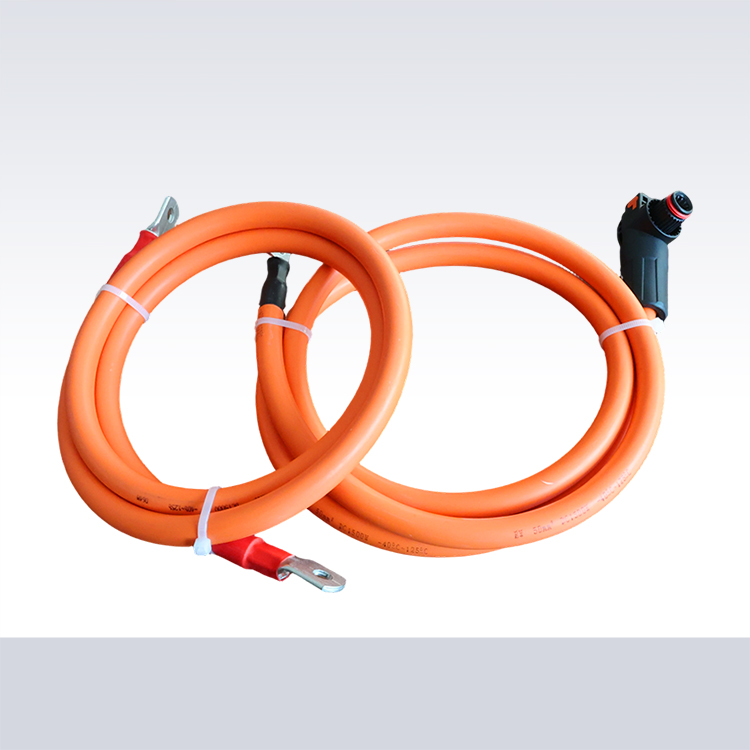
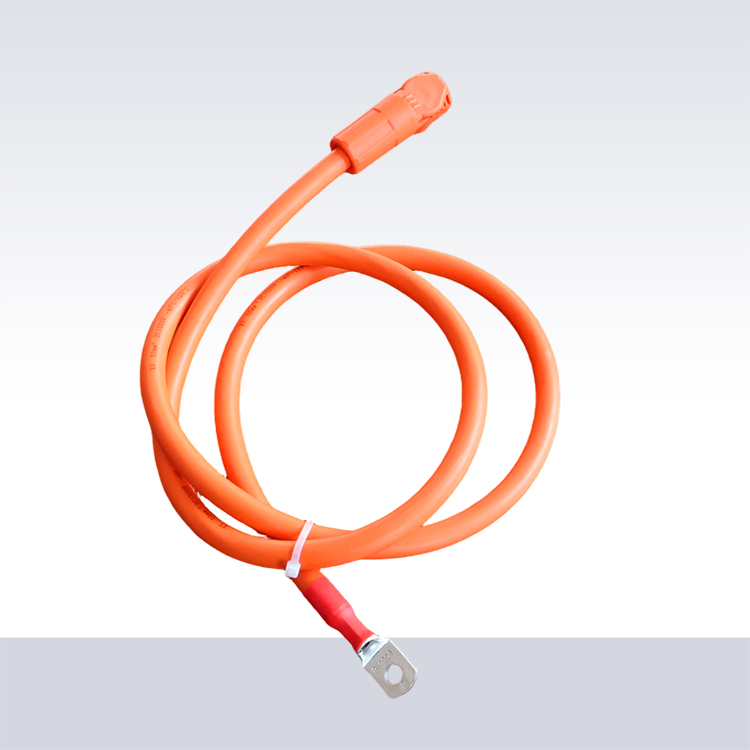
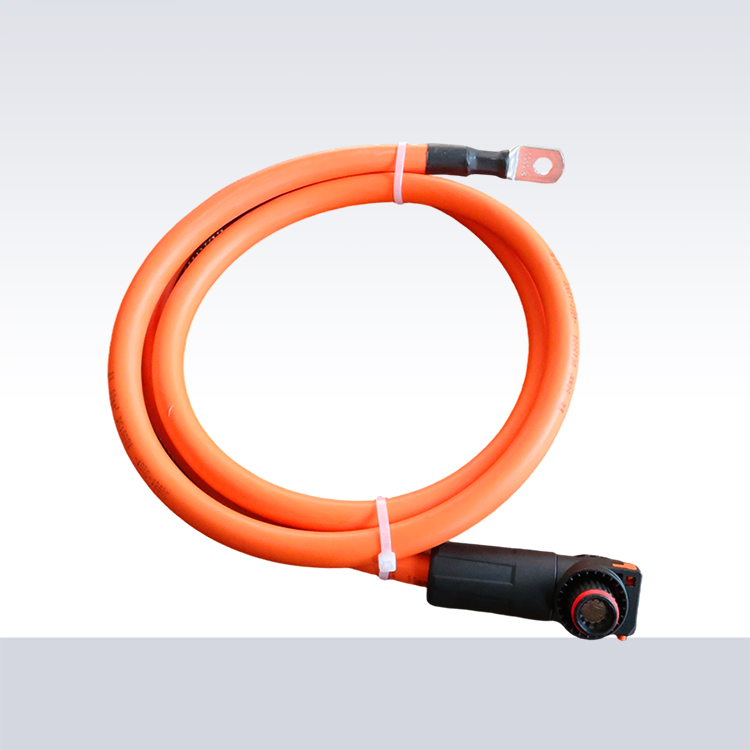
With the rapid expansion of the electric vehicle (EV) industry, high-performance electrical systems have become increasingly vital. High voltage cables play a pivotal role in guaranteeing the safe and efficient transmission of power between key vehicle components, such as the battery pack, inverter, and motor. The 70mm² high voltage EV cable is widely adopted in new energy vehicles, thanks to its exceptional current-carrying capacity, thermal stability, and mechanical durability. Tailored to meet the rigorous demands of electric mobility, this cable ensures reliable power distribution in high-voltage automotive systems. In this article, we will delve into the key features, technical specifications, and practical applications of 70mm² high voltage EV cables.
What Is a 70mm² High Voltage EV Cable?
A 70mm² high voltage EV cable is a specialized cable designed for electric and hybrid vehicles, engineered to transmit high-voltage direct current (DC) power safely and efficiently. The “70mm²” denotes the cross-sectional area of the conductor, a key factor that determines the cable’s current-carrying capacity. These cables are specifically developed to withstand the harsh operating conditions of electric vehicles, including:
·High voltage levels
·Elevated temperatures
·Continuous mechanical vibration
·Chemical exposure
·Electromagnetic interference
To meet these stringent requirements, EV cables are manufactured using advanced insulation materials and robust conductor designs.
Key Features of 70mm² High Voltage EV Cables
1. High Current-Carrying Capacity
The large 70mm² cross-sectional area of the conductor enables the cable to handle the high current loads required by electric vehicles. This ensures stable and uninterrupted power transmission between the battery system and other high-power components, supporting optimal vehicle performance.
2. Excellent Heat Resistance
High voltage EV cables operate in harsh environments with elevated temperatures, often near heat-generating components like motors and inverters. Advanced insulation materials, such as cross-linked polyethylene (XLPE) or silicone rubber, provide superior thermal resistance, ensuring the cable maintains its performance and has a long service life even under high-temperature conditions.
3. Strong Mechanical Durability
Electric vehicles experience continuous vibration and movement during operation, which places significant stress on cables. The structure of 70mm² high voltage EV cables is reinforced to deliver:
·High flexibility for easy installation
·Exceptional vibration resistance
·Abrasion resistance to withstand friction
These features ensure long-term reliability in the demanding conditions of automotive operation.
4. High Voltage Safety
The insulation system of 70mm² high voltage EV cables is specifically designed to handle high voltage levels, typically ranging from 600V to 1500V DC. This robust insulation ensures safe power transmission, minimizes the risk of electrical failure, and protects both the vehicle and its occupants.
5. Excellent Chemical and Oil Resistance
Within automotive environments, cables may come into contact with oils, coolants, and other chemicals that can cause corrosion or damage. 70mm² high voltage EV cables are equipped with protective sheathing that resists chemical corrosion, ensuring their performance and durability over time.
Typical Applications in New Energy Vehicles
The 70mm² high voltage EV cable is widely used in various high-power electrical systems within electric and hybrid vehicles, serving critical roles in power transmission.
Battery Pack Connections
These cables connect the battery modules to the vehicle’s power distribution system, facilitating the efficient transmission of high-current energy from the battery to the rest of the vehicle’s electrical components.
Inverter and Motor Systems
High voltage cables transmit power from the inverter to the electric motor, converting DC power from the battery into AC power to drive the motor, which enables smooth vehicle acceleration and consistent performance.
Charging Systems
In fast-charging systems for electric vehicles, 70mm² high voltage cables play a key role in transferring large amounts of electrical energy from the charging station to the vehicle’s battery safely and efficiently.
Power Distribution Units (PDU)
The cable is also utilized within power distribution units (PDUs) to distribute electricity to different vehicle subsystems, ensuring each component receives the required power for optimal operation.
Advantages of Using 70mm² High Voltage EV Cables
Selecting the correct cable size is critical for the performance and safety of EV electrical systems. The 70mm² high voltage EV cable offers several key advantages:
·Reduced power loss during transmission
·Improved overall energy efficiency of the vehicle
·Enhanced safety in high-power electrical systems
·Long service life, matching the lifespan of EV components
·Reliable performance in harsh automotive conditions
These benefits make it an ideal choice for modern electric vehicle architectures.
Key Considerations When Selecting EV High Voltage Cables
When choosing high voltage EV cables, manufacturers and engineers should take the following critical factors into account to ensure optimal performance and safety:
Voltage Rating
Ensure the cable’s voltage rating aligns with the specific requirements of the vehicle’s electrical system to avoid overloading or electrical failure.
Temperature Range
The cable should be able to withstand both the high operating temperatures of vehicle components and the varying environmental conditions the vehicle may encounter.
Flexibility
Flexible cables simplify the installation process, reduce mechanical stress on the cable and vehicle components, and adapt to the limited space within EVs.
Compliance with Industry Standards
High-quality high voltage EV cables typically comply with international industry standards, including:
·ISO 6722
·LV216
·IEC standards
These certifications guarantee that the product meets strict safety and reliability requirements.
Conclusion
As the electric vehicle market continues to grow at a rapid pace, reliable electrical infrastructure has become more important than ever before. The 70mm² high voltage EV cable plays a vital role in delivering safe and efficient power transmission within new energy vehicles. With its high current-carrying capacity, strong insulation performance, and excellent durability, this cable is an essential component in modern EV electrical systems. Whether used in battery connections, inverter systems, or charging infrastructure, it helps ensure optimal vehicle performance, safety, and efficiency. For EV manufacturers and system integrators, selecting high-quality high voltage cables is a key step in building reliable, efficient, and safe electric vehicles that meet the demands of today’s market.
References
GB/T 7714:Current-Carrying Capacity Optimization of 70mm² Tinned Copper High Voltage EV Cables for Fast Charging Systems. Journal of Power Sources
MLA:Mechanical Durability and Vibration Resistance of 70mm² High Voltage EV Cables in Automotive Operating Conditions. Applied Sciences
APA:Thermal Stability of XLPE-Insulated 70mm² High Voltage EV Cables Under Elevated Temperature Environments. IEEE Transactions on Vehicular Technology