

Current location: HOME > BLOGS > Frequently Asked Questions >
Customizable Photovoltaic Cables for Tailored Solar Energy Solutions
time:2026-04-20 06:37:39 author:haoshizai Click:80
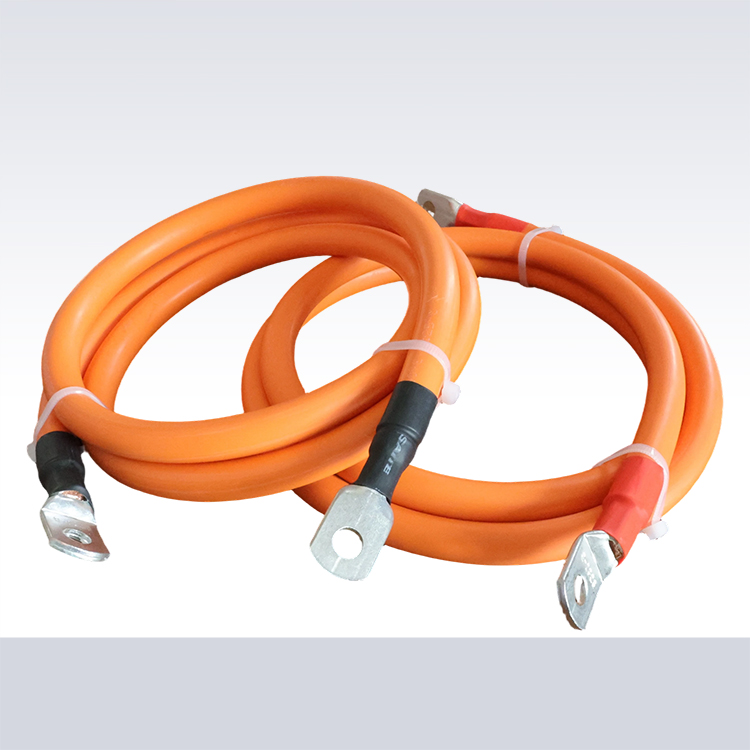
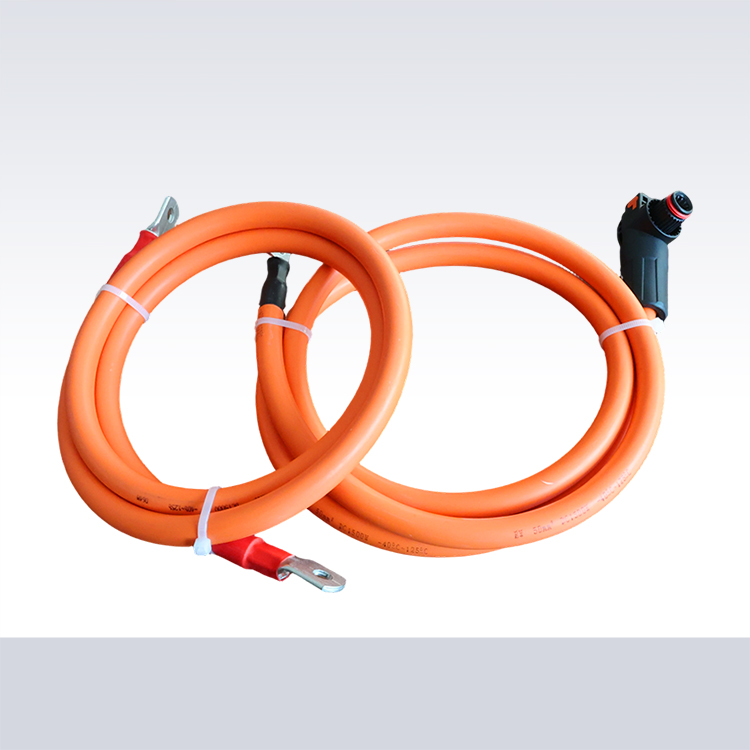
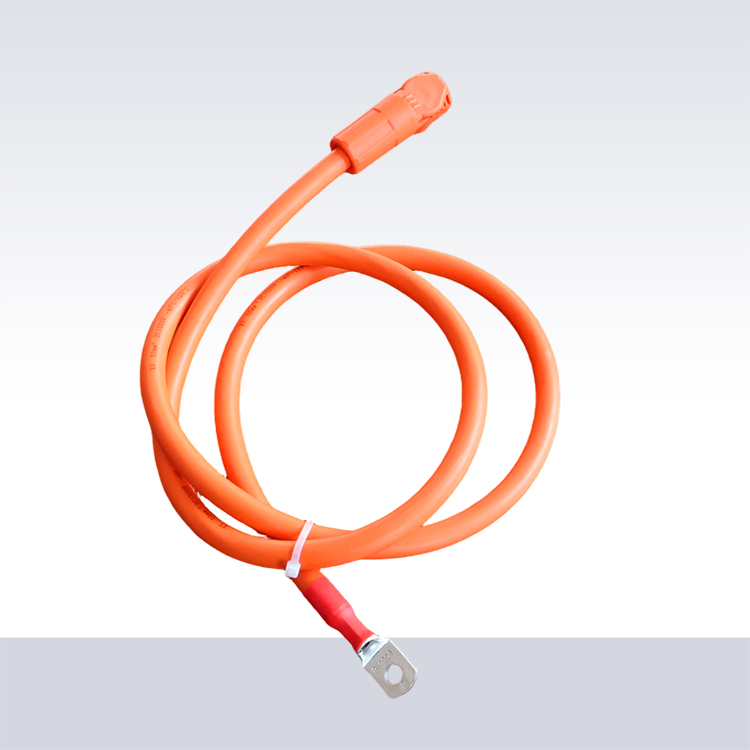
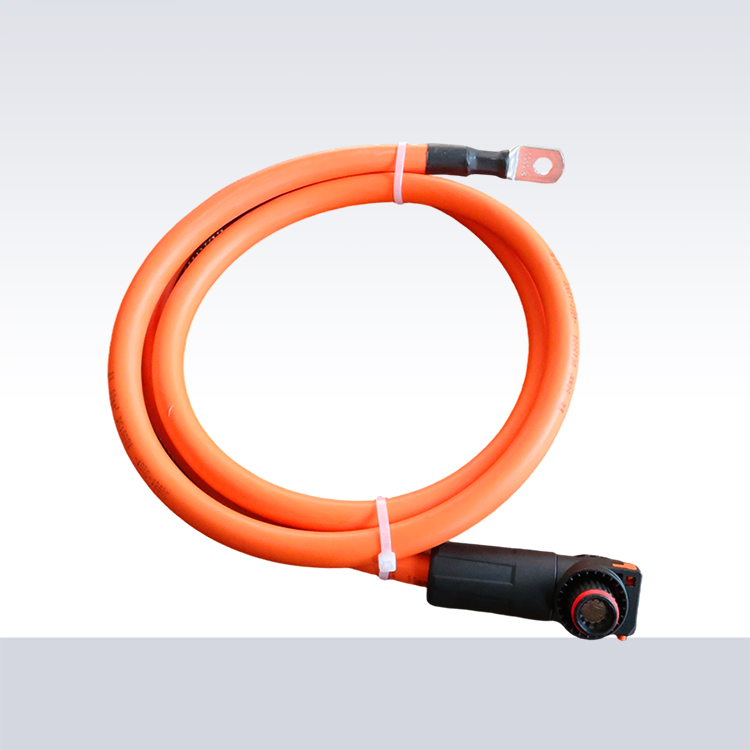
As the solar energy market expands rapidly, the demand for high-quality, reliable, and tailored photovoltaic cables (PV cables) has grown significantly. Solar energy systems, whether residential, commercial, or industrial, require cables that can withstand harsh environmental conditions, provide stable electrical performance, and ensure long-term durability. Customizable PV cables are the ideal solution for meeting these requirements, offering flexibility in design, material, and configuration to suit specific solar energy projects.
1. The Importance of High-Quality Photovoltaic Cables
A solar cable is more than just a connector between solar panels and inverters—it is a critical component that affects the overall efficiency, safety, and lifespan of a photovoltaic system. High-quality PV cables ensure minimal energy loss, resist degradation from UV radiation, and maintain electrical integrity in extreme temperatures.
Investing in certified, customizable PV cables reduces maintenance costs and prevents system failures, making them indispensable for both small-scale residential installations and large utility-scale solar farms.
2. Customization Options for Solar Cables
Customizable PV cables allow manufacturers and system integrators to tailor products based on specific project requirements. Key customization options include:
Cable Length and Gauge: Depending on system layout and energy load, cables can be manufactured in various lengths and thicknesses to minimize voltage drop and optimize energy transmission.
Insulation Materials: UV-resistant, halogen-free, and flame-retardant insulation options are available to ensure compliance with safety standards and durability in outdoor environments.
Connector Type: PV cables can be pre-fitted with specific connectors compatible with inverters, junction boxes, or solar modules, simplifying installation and reducing errors.
Flexible vs. Rigid Cables: Flexible cables are ideal for dynamic installations or tight spaces, while rigid cables provide structural stability for long-term outdoor exposure.
These customization options ensure that every solar energy project, regardless of scale or location, can achieve optimal performance and reliability.
3. Environmental Resistance and Durability
One of the primary challenges for PV cables is exposure to outdoor conditions. Customizable PV cables are engineered to withstand:
UV Radiation: Prolonged exposure to sunlight can degrade low-quality cables. PV cables with UV-resistant jackets maintain structural integrity over decades.
Extreme Temperatures: Solar installations can face temperatures from -40°C to 120°C. High-performance insulation ensures consistent conductivity without deformation.
Moisture and Chemicals: Outdoor solar farms may encounter rain, snow, dust, and corrosive chemicals. Water-resistant and chemically resistant cables prevent short circuits and corrosion.
These durable properties are crucial for long-term investment security, particularly in large-scale solar farms where downtime can result in significant financial losses.
4. Compliance with International Standards
Customizable PV cables are designed to meet international standards such as IEC 62930, TUV, UL, and RoHS. Compliance ensures:
Safety: Reduces fire hazards and electrical accidents.
Performance: Guarantees stable energy transmission under continuous load.
Longevity: Extends system lifespan, reducing replacement costs.
Choosing standardized, certified PV cables demonstrates professional commitment to safety and reliability, enhancing the credibility of installers and manufacturers in the solar energy industry.
5. Applications of Customizable Photovoltaic Cables
Customizable PV cables are suitable for a wide range of applications:
Residential Solar Panels: Tailored lengths and connectors simplify home solar installations and improve energy efficiency.
Commercial Rooftop Systems: Flexible cable options accommodate complex layouts on large rooftops.
Utility-Scale Solar Farms: Durable, long-length cables withstand harsh outdoor environments and high-voltage transmission demands.
Hybrid Energy Systems: Customized PV cables can integrate solar with wind, battery storage, or EV charging infrastructure.
By selecting the right cable configuration, installers can reduce energy losses, simplify installation, and improve the overall reliability of solar systems.
6. Advantages of Working with a Custom PV Cable Manufacturer
Partnering with a manufacturer that offers customizable PV cables provides several benefits:
Tailored Solutions: Products designed to match project specifications perfectly.
Technical Support: Expert guidance on cable selection, routing, and installation.
Quality Assurance: Rigorous testing for electrical performance, durability, and compliance.
Cost Efficiency: Minimized waste and reduced installation errors lead to lower project costs.
These advantages are critical for solar developers, engineers, and installers who aim to deliver high-quality, reliable renewable energy solutions.
7. Conclusion
In the rapidly growing solar energy sector, customizable photovoltaic cables play a crucial role in ensuring efficient, safe, and long-lasting systems. By offering tailored lengths, insulation types, connectors, and flexible design options, these cables provide professional-grade solutions for residential, commercial, and industrial applications.
Investing in high-quality PV cables not only safeguards energy production but also enhances system reliability, reduces maintenance costs, and supports sustainable energy goals. For any solar energy project, choosing customizable PV cables is a strategic step toward maximizing performance and long-term success.
References
GB/T 7714:Photovoltaic (PV) cables – Requirements and test methods. International Electrotechnical Commission
MLA:Performance evaluation of solar photovoltaic cables under environmental stress conditions. Renewable Energy
APA:Durability and UV-resistance of photovoltaic wires for outdoor applications. Solar Energy Materials & Solar Cells