


Current location: HOME > BLOGS > Frequently Asked Questions >
Choosing the Best Photovoltaic Cable for Residential and Commercial PV
time:2026-01-30 09:07:32 author:haoshizai Click:60
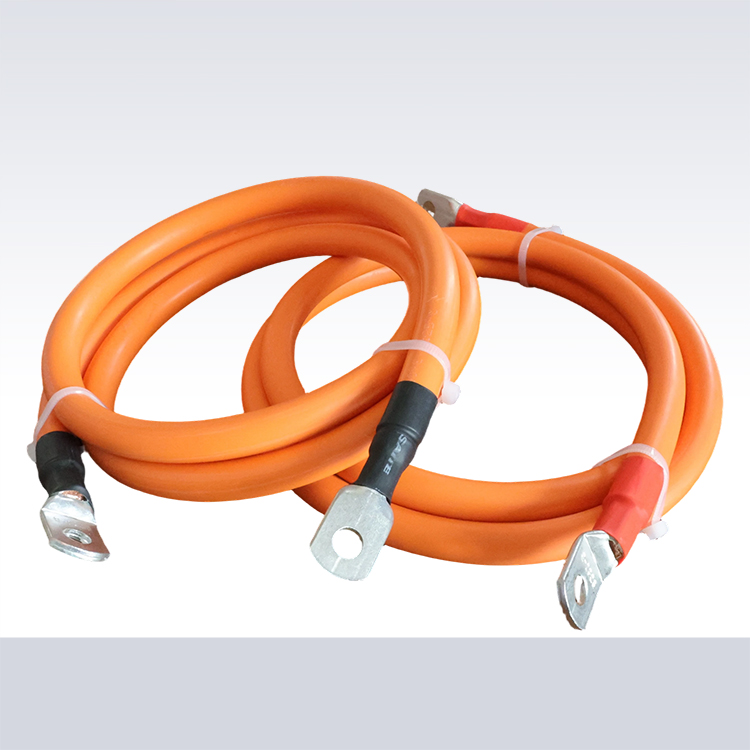
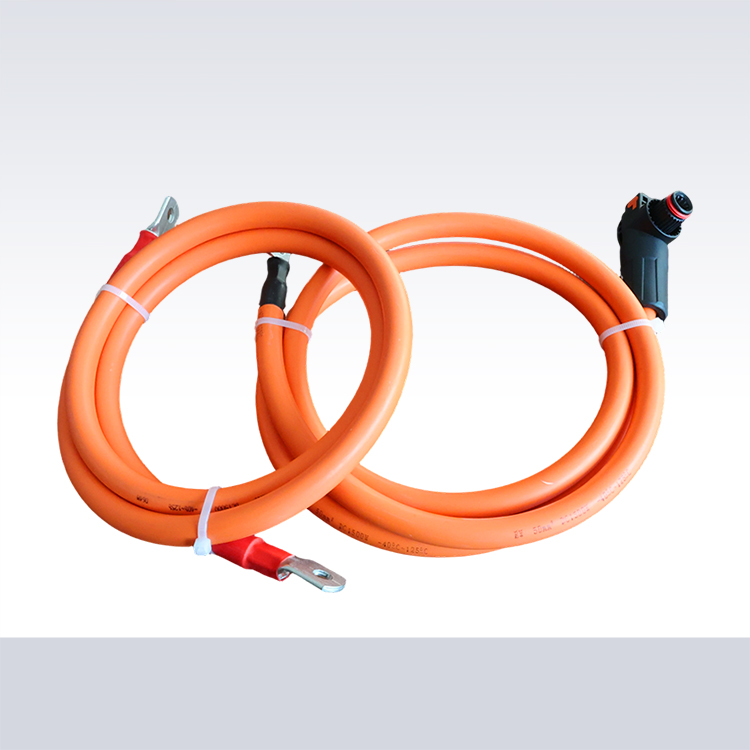
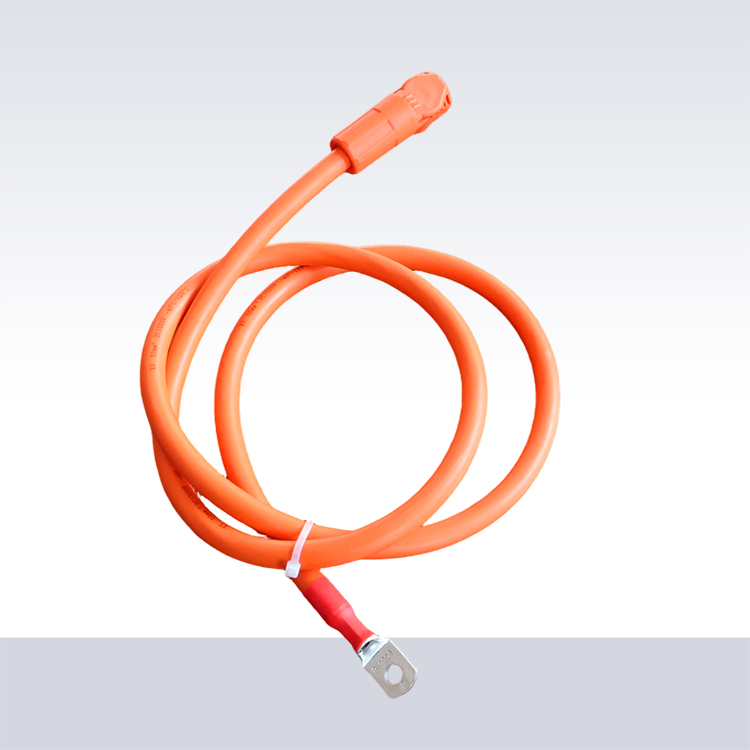
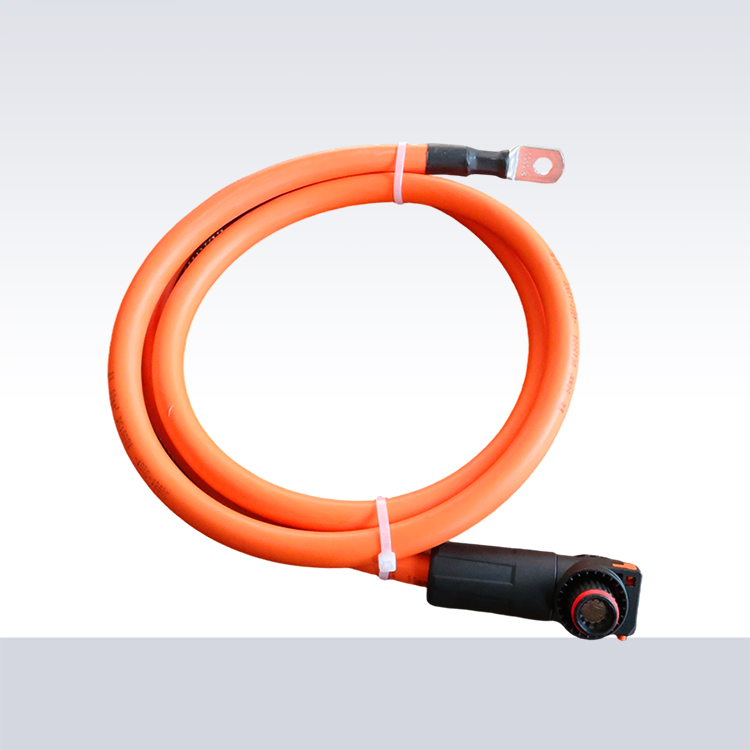
Selecting the right Photovoltaic Cable is one of the most important steps in building a safe, durable, and efficient residential or commercial solar installation. Although solar panels, inverters, and mounting hardware often get the most attention, the performance of the entire system can be compromised if the PV wiring is not properly matched to the application. With large-scale Production capabilities and specialized Manufacturer expertise now available in the solar cable industry, buyers have more options than ever—but that also means choosing wisely is essential.
This guide explains the critical factors that determine PV cable quality and provides clear best practices for choosing the right Photovoltaic Cable for both home and commercial PV systems.
Why Photovoltaic Cable Selection Matters
A solar installation—regardless of size—depends on stable and secure electrical connections. High-quality PV cable ensures:
·Reliable power transmission
·Resistance to UV, moisture, and temperature fluctuations
·Long-term insulation integrity
·Reduced fire and electrical hazards
·Compliance with modern PV safety standards
As solar installations become larger and more complex, especially with commercial systems, choosing the right cable type becomes a structural—not optional—design decision.
Key Characteristics of a High-Quality Photovoltaic Cable
Modern PV systems require cables engineered specifically for demanding outdoor conditions. When selecting a Photovoltaic Cable, consider the following core characteristics:
1. Conductor Material
The most reliable cables use tinned copper conductors due to their:
·High conductivity
·Corrosion resistance
·Long-term stability in wet or coastal environments
Some Manufacturer-level Production lines also offer oxygen-free copper for premium applications.
2. Insulation and Sheath Material
The insulation determines how well the cable withstands sunlight, heat, and mechanical stress. Look for:
·XLPE (cross-linked polyethylene) insulation for superior thermal resistance
·Halogen-free outer sheathing
·Certified resistance to UV, ozone, and abrasion
Residential projects benefit from flexibility, while commercial installations require tougher jacketing built for harsher exposure.
3. Temperature Range
A durable Photovoltaic Cable should operate safely in:
·Ambient temperatures from –40°C to +90°C
·Conductor temperatures up to 120°C in overload conditions
Systems installed on metal roofs or industrial rooftops demand higher heat resistance due to increased thermal exposure.
4. Voltage Rating
Home systems usually require 600/1000V or 1000/1500V cables.
Commercial installations—especially large rooftop and ground-mounted arrays—often need 1500V-rated PV cables to support longer strings and lower system losses.
5. Certifications and Standards
Ensure the PV cable you choose meets globally recognized standards, such as:
·IEC 62930
·EN 50618
·UL 4703 (for North American installations)
Standards compliance indicates that the Manufacturer uses stable Production processes and verified material quality.
Choosing Photovoltaic Cable for Residential PV Systems
Residential solar installations typically prioritize flexibility, safety, and easy handling. When selecting a cable for home PV systems, consider:
✔ Flexibility for rooftop routing
Cables must bend easily around mounting structures.
✔ Excellent weather resistance
UV stability is crucial for exposed outdoor sections.
✔ Adequate voltage rating
Most residential systems operate within 1000V DC.
✔ Fire-resistant materials
Low-smoke halogen-free insulation improves home safety.
✔ Pre-cut or custom length options
Many homeowners appreciate the ability to order cable lengths specifically suited to their layout.
Choosing Photovoltaic Cable for Commercial and Industrial PV
Commercial PV systems demand more robust cable performance due to their size, power output, and environmental exposure.
✔ High voltage rating
1500V cables enable longer strings, fewer combiner boxes, and lower BOS costs.
✔ Reinforced insulation
Commercial systems often operate under higher thermal stress.
✔ Greater mechanical durability
Cables may be buried, pulled through conduits, or exposed to foot traffic during maintenance.
✔ Bulk supply from large Production facilities
For large installations, purchasing from a Manufacturer with consistent batch production ensures uniform quality.
✔ Improved fire performance for industrial sites
Factories and warehouses are subject to stricter electrical safety regulations.
Commercial PV projects benefit greatly from working with a cable supplier capable of providing large-scale Production consistency and technical documentation.
Additional Considerations Before Making a Final Decision
1. Expected system lifespan
Premium cables reduce maintenance needs across 25–30 years.
2. Installation environment
High-humidity, desert, marine, or high-altitude climates demand specialized cable construction.
3. Compatibility with connectors
Ensure your Photovoltaic Cable matches MC4-type connectors with proper crimping dimensions.
4. Availability of bulk supply
Large-scale projects should select a Manufacturer capable of delivering consistent cable batches for the entire project timeline.
Conclusion: Choose a Photovoltaic Cable Designed for Long-Term Performance
Whether you’re installing a small home solar panel array or planning a large commercial PV system, selecting the right Photovoltaic Cable plays a critical role in safety, efficiency, and system longevity. By evaluating conductor type, insulation quality, voltage rating, certifications, and environmental conditions, you can choose a cable that supports reliable power output for decades. When possible, work with Manufacturer-level suppliers offering stable Production quality and bulk supply flexibility. A carefully selected Photovoltaic Cable ensures your solar investment performs at its best today—and long into the future.
References
Cabanelas, J. C., Karam, N., & Oreski, G. (2018). Durability of polymeric materials for photovoltaic modules and cables. Solar Energy Materials and Solar Cells, 185, 79–90.






CONTACT
Email:525860526@qq.com
Whatsapp: +86 19933450664
TEL:+86 17803069333
WEB:https://www.haoshizai-solar.com
ADD:Dongyang Village, Daweihe Hui and Manchu Township, Wenan County, Langfang City, Hebei Province