


Current location: HOME > BLOGS > Frequently Asked Questions >
10mm² Solar Cable Installation Guide for Industrial Solar Projects
time:2026-01-29 05:52:33 author:haoshizai Click:50
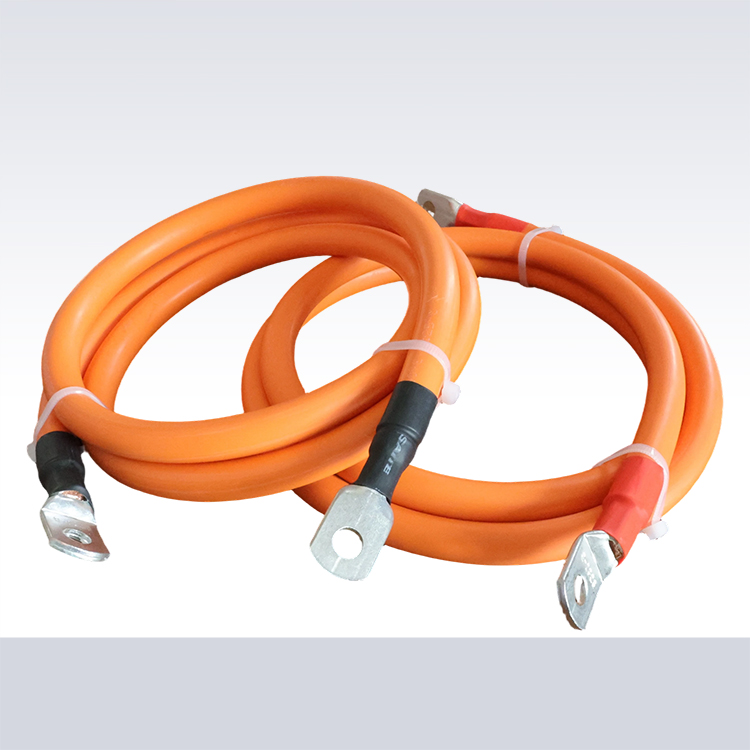
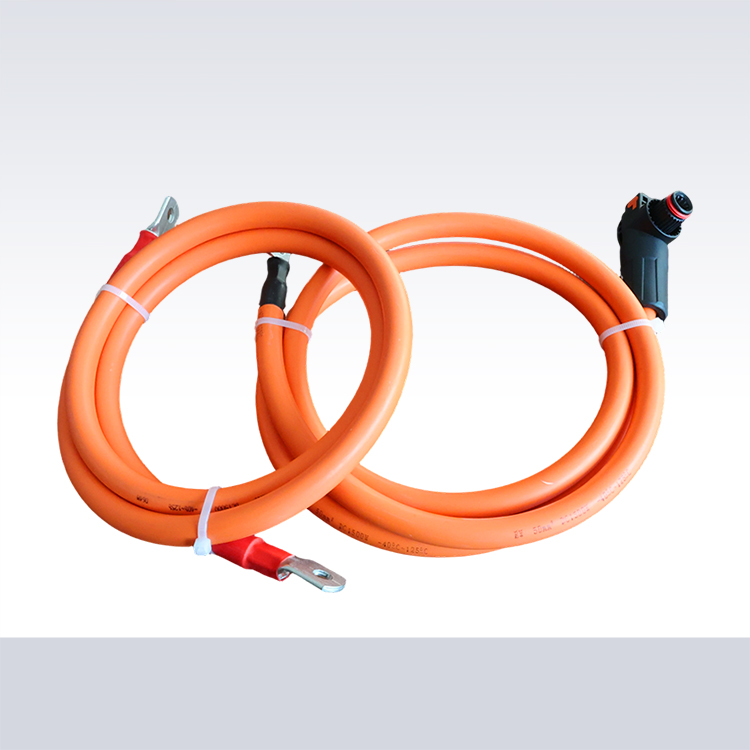
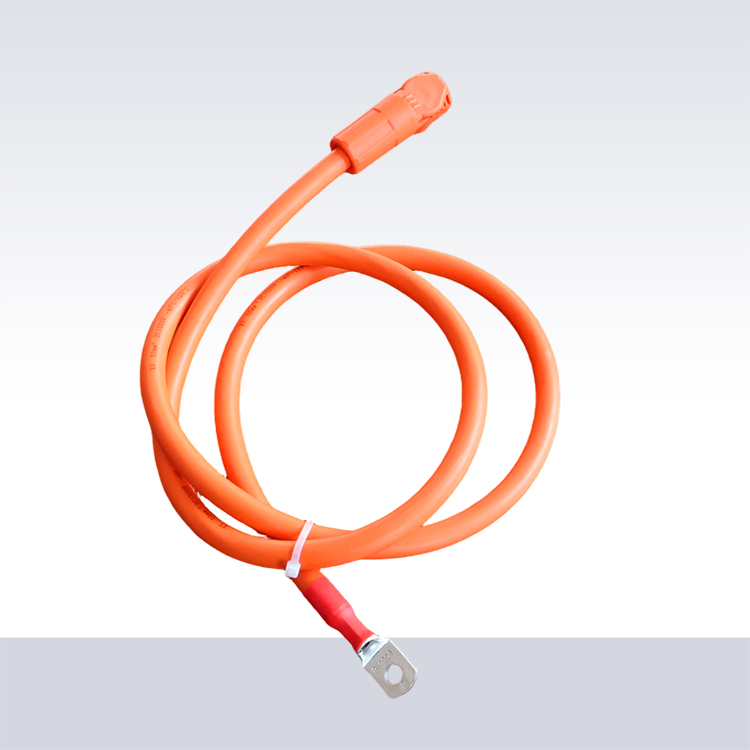
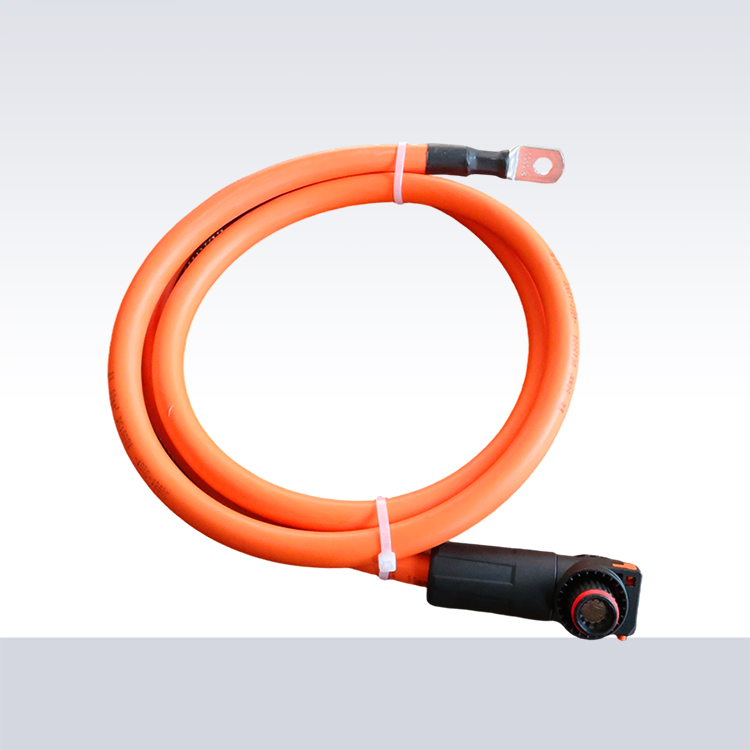
10mm² Solar Cable plays a vital role in industrial-scale photovoltaic systems, where high current capacity, long cable runs, and environmental exposure demand reliable electrical performance. Proper installation is essential to ensure efficiency, safety, and long-term system stability.
As a 10mm² Solar Cable manufacturer with established production capability, supplying cables for large solar projects requires strict control over conductor quality, insulation performance, and batch consistency. This guide provides practical installation guidance for industrial solar projects while highlighting key factors that influence performance and reliability.
1. Understanding the Role of 10mm² Solar Cable in Industrial Systems
Industrial solar installations often involve higher power outputs and longer transmission distances than residential systems. The 10mm² conductor size is commonly selected to handle increased current while minimizing voltage drop.
By using properly rated solar cables, system designers can reduce energy loss and maintain stable power delivery across large arrays.
2. Key Electrical Characteristics of 10mm² Solar Cable
2.1 Current-Carrying Capacity
10mm² solar cables are designed to carry higher current loads safely under continuous operation. Proper sizing helps prevent overheating and ensures compliance with electrical standards.
2.2 Insulation and Sheathing
Industrial-grade solar cables feature robust insulation materials that resist UV radiation, temperature extremes, and mechanical stress. This protection is critical for outdoor and rooftop installations.
3. Pre-Installation Planning and Site Assessment
3.1 Route Planning
Before installation, cable routes should be carefully planned to avoid sharp bends, excessive tension, and exposure to potential damage. Clear routing reduces installation errors and simplifies future maintenance.
3.2 Environmental Considerations
Industrial sites may expose cables to heat, moisture, dust, or chemical agents. Selecting appropriate cable management solutions, such as conduits or trays, enhances durability and safety.
4. Proper Handling and Storage of Solar Cables
Cables should be stored in a clean, dry environment before installation. Reels must be handled carefully to prevent conductor deformation or insulation damage.
Avoid pulling cables across rough surfaces, as this can compromise the outer sheath.
5. Installation Best Practices
5.1 Cable Laying Techniques
During installation, maintain the minimum bending radius specified for the cable. Excessive bending can damage conductors and reduce service life.
Use proper pulling equipment to avoid overstressing the cable during long runs.
5.2 Securing and Support
Cables should be securely fastened at regular intervals to prevent movement caused by wind or vibration. Proper support reduces mechanical stress and improves system reliability.
6. Electrical Connections and Termination
6.1 Connector Compatibility
Ensure that connectors and terminals are compatible with 10mm² conductors. Incorrect sizing can lead to high resistance connections and overheating.
6.2 Crimping and Tightening
Use calibrated tools for crimping and tightening connections. Consistent termination quality is essential for maintaining low contact resistance across multiple connections.
7. Testing and Inspection
After installation, conduct continuity and insulation resistance tests to verify cable integrity. Thermal imaging can also help identify potential hotspots under load.
Documenting test results supports quality assurance and long-term system maintenance.
8. Compliance and Safety Considerations
Industrial solar projects must comply with relevant electrical and safety standards. Proper labeling, grounding, and protection measures are essential for safe operation.
Following recommended installation practices reduces the risk of electrical faults and system downtime.
9. Production Quality and Batch Consistency
The reliability of a solar cable installation depends on consistent manufacturing quality. Controlled production processes ensure uniform conductor cross-section, insulation thickness, and electrical performance.
Manufacturers with standardized production lines can supply 10mm² solar cables with consistent quality across large project volumes.
Conclusion: Ensuring Reliable Installation for Industrial Solar Projects
Correct installation of 10mm² Solar Cable is critical to the performance and safety of industrial photovoltaic systems. From route planning and handling to termination and testing, every step influences long-term reliability.
For project developers sourcing cables from a manufacturer with reliable production capacity and bulk supply capability, attention to installation best practices ensures efficient power transmission and durable system operation. A well-installed 10mm² solar cable is a foundational element of successful industrial solar projects.
References
Anders, G. J. (2008).Rating of electric power cables: Ampacity calculations for transmission, distribution, and industrial applications.






CONTACT
Email:525860526@qq.com
Whatsapp: +86 19933450664
TEL:+86 17803069333
WEB:https://www.haoshizai-solar.com
ADD:Dongyang Village, Daweihe Hui and Manchu Township, Wenan County, Langfang City, Hebei Province