

Current location: HOME > BLOGS > Company News >
How to Order Custom Length PV Wire for Different Solar Projects
time:2026-01-30 09:47:53 author:haoshizai Click:102
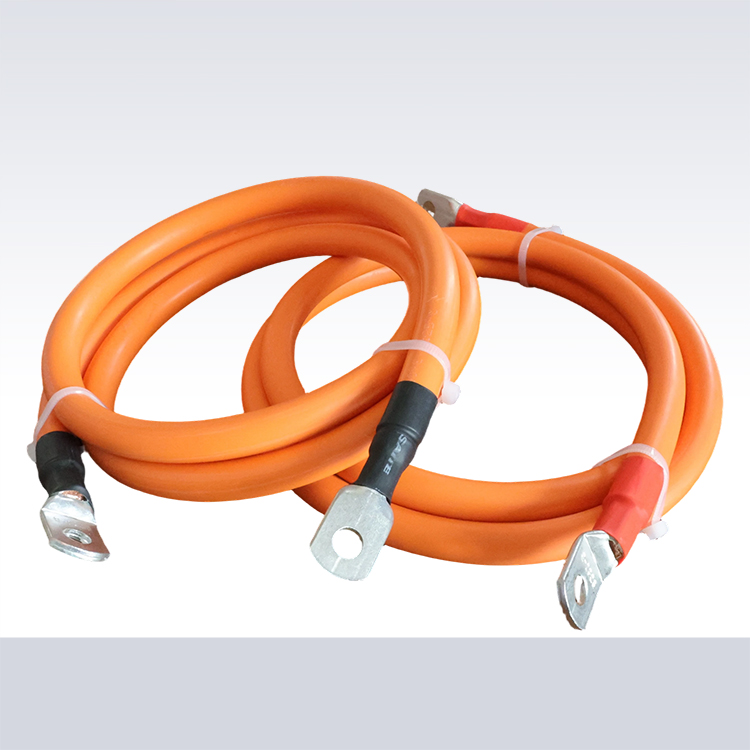
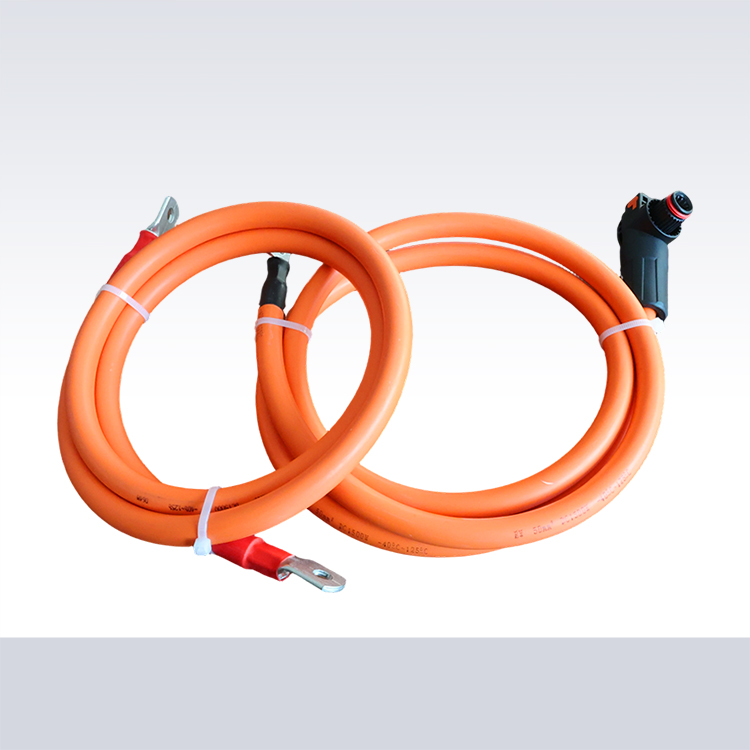
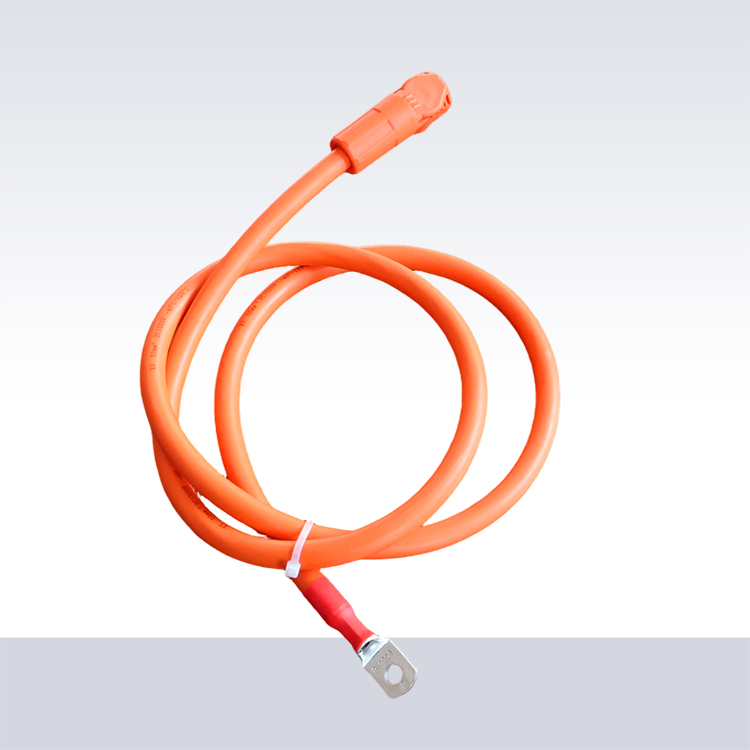
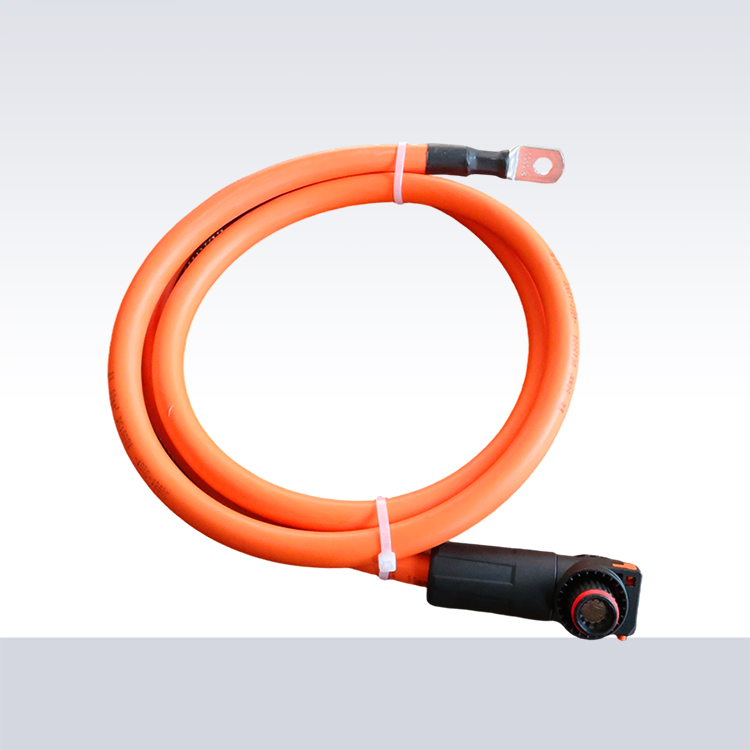
Choosing the correct custom length PV wire is one of the most important steps in designing or installing a solar power system. Whether the project is a rooftop array, a ground-mounted field, or a large utility-scale build, selecting the right wire length, gauge, and insulation standard affects efficiency, safety, and long-term performance. Working directly with a manufacturer capable of consistent production and bulk supply ensures the wiring system meets project requirements without relying on standard-length cables that may not fit the layout.
This guide breaks down everything you need to know before ordering customized PV wire for different solar scenarios.
1. Why Custom Length PV Wire Matters
Standard wire rolls often lead to excessive cable waste, voltage drop issues, and additional labor during installation. By ordering custom length PV wire, solar engineers can optimize each string, minimize losses, and maintain cleaner cable management.
Key benefits include:
·Precise cable runs for various array layouts
·Reduced installation time
·Lower material waste
·Improved electrical efficiency
·Better aesthetics and easier maintenance
For professional integrators and EPC contractors, working with a manufacturer with stable production capacity ensures consistent quality across large project batches.
2. Understanding PV Wire Specifications Before Ordering
Before ordering custom lengths, it’s essential to understand the technical specifications that influence performance and regulatory approval.
2.1 Wire Gauge (AWG)
Common sizes include 10 AWG, 12 AWG, and 14 AWG depending on current load and local codes. Larger systems with long runs may require thicker gauges to avoid voltage drop.
2.2 Insulation and Jacket Material
PV wires are usually made with XLPE (cross-linked polyethylene) insulation for:
·High temperature resistance
·UV protection
·Long outdoor lifespan
2.3 Certifications
Make sure your PV wire is compliant with:
·UL 4703
·IEC 62930
·RoHS and environmental standards
When ordering from a manufacturer, these certifications should be part of the standard documentation.
2.4 Conductor Material
Copper remains the most common choice. Tinned copper improves corrosion resistance for high-humidity or marine environments.
3. How to Measure Correct Custom Length PV Wire
Accurate measurement is critical for ensuring proper performance. Different project types require different measurement approaches.
3.1 Residential Rooftop Solar
Measure from each module’s output to the combiner box or inverter. Include:
·Roof pitch angles
·Conduit pathways
·Cable routes under or over the array
·Extra slack for thermal expansion
3.2 Commercial Flat-Roof Installations
Flat roofs often require longer horizontal runs. Consider:
·Walkway planning
·Cable tray routing
·Parallel string distances
3.3 Utility-Scale Ground Mounts
Long-distance cable runs require precise planning to minimize voltage loss. Engineers typically include:
·Trench depth and routing
·DC collection points
·Central inverter placement
Custom-cut lengths significantly reduce field splicing and improve reliability.
4. Ordering Custom Length PV Wire: Step-by-Step Guide
Step 1: Identify System Voltage and String Layout
Higher-voltage systems require cables with adequate insulation ratings.
Step 2: Choose Gauge and Material
Follow electrical design calculations for current, distance, and voltage drop.
Step 3: Specify Connector Type
Common options include MC4-style connectors.
Manufacturers can pre-terminate connectors for faster installation.
Step 4: Request Pre-Cut Lengths
Provide your wire list, including:
·Exact length
·Color (black/red)
·Connector orientation
·Packaging requirement
Step 5: Confirm Lead Time and Production Capacity
When ordering from a manufacturer, verify:
·Daily or monthly production volume
·Bulk order capability
·Custom labeling or packaging options
Step 6: Inspect Quality Reports
Ask for:
·Conductor resistance tests
·Insulation thickness data
·High-voltage withstand test results
A good supplier will offer these without being asked.
5. What to Consider When Selecting a PV Wire Manufacturer
Choosing a reliable supplier for custom length PV wire is crucial for project success. Consider the following:
·Production Scale
Manufacturers with larger production capacity can deliver bulk orders on time.
·Technical Support
The supplier should understand solar engineering and provide technical guidance.
·Material Traceability
Ensure all copper and insulation materials are traceable to high-quality sources.
·Custom Packaging Options
Pre-labeled wire coils simplify installation on large job sites.
·Consistency Across Batches
Large solar projects require identical electrical characteristics across thousands of meters.
6. Applications That Benefit Most From Custom Length PV Wire
·Residential solar upgrades
·Commercial installations with complex layouts
·Utility-scale solar farms
·Battery energy storage systems
·Off-grid cabins and remote solar power units
Any project with irregular spacing between modules benefits from precision-cut cables.
Conclusion
Ordering custom length PV wire ensures optimal efficiency, tidy installations, and reduced material waste across all types of solar projects. By working directly with a reliable manufacturer offering strong production capacity, project planners can secure consistently high-quality wire tailored to exact system requirements. No matter the scale—rooftop, commercial, or utility—custom-cut PV wiring streamlines the installation process and guarantees long-lasting electrical performance.
References
IEC. (2017). IEC 62930:2017 — Electric cables for photovoltaic systems (DC side). International Electrotechnical Commission.