

Current location: HOME > BLOGS > Company News >
How PV DC Cable Protects Solar Systems from Power Loss
time:2026-01-30 09:45:20 author:haoshizai Click:90
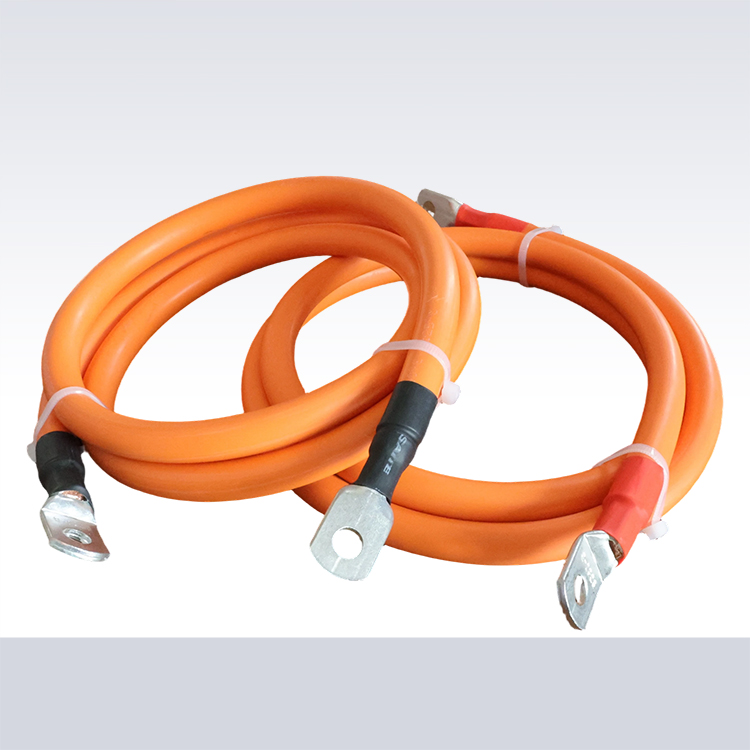
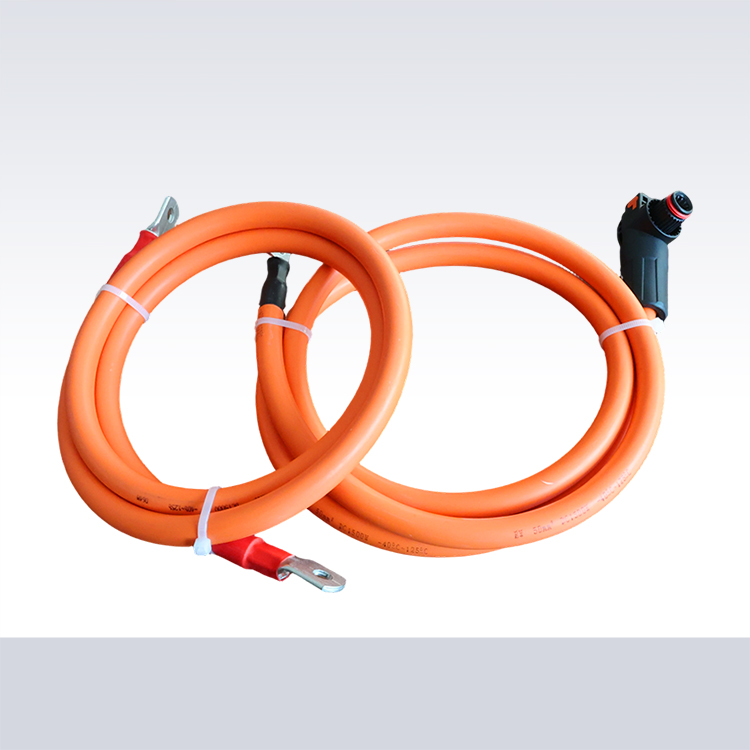
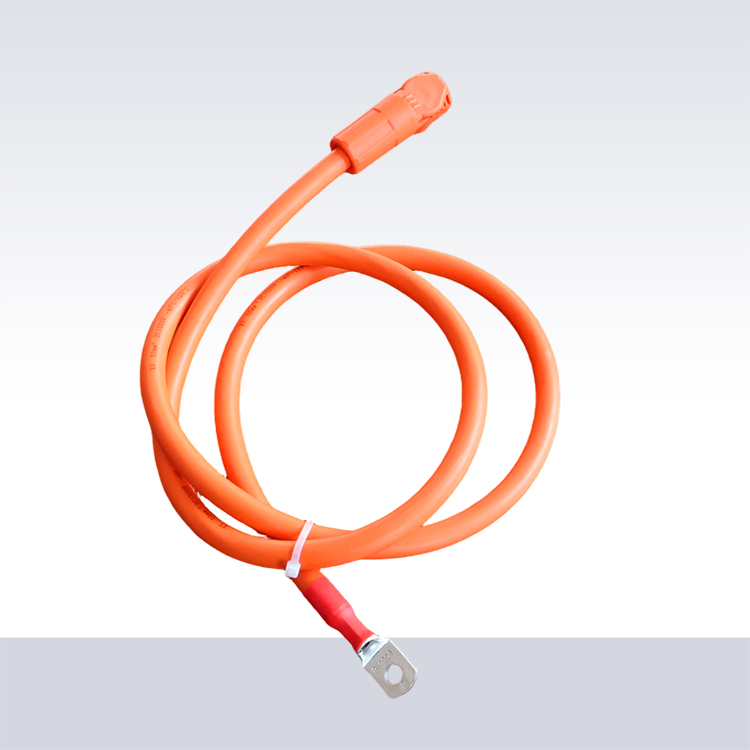
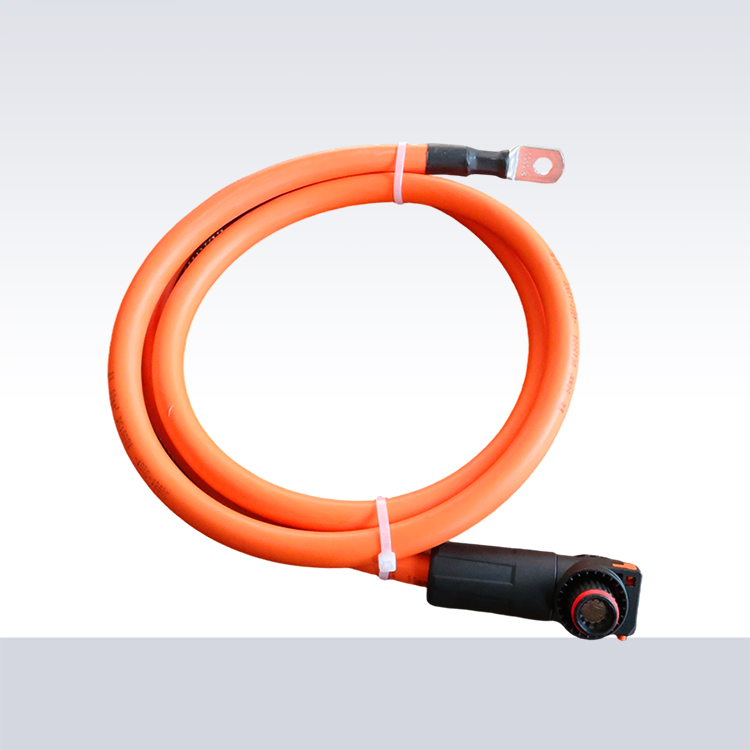
A reliable PV DC Cable is one of the most critical components in any photovoltaic (PV) installation. Whether used in a rooftop array, an off-grid setup, or a large-scale solar farm, the DC cable directly affects power delivery, system efficiency, and long-term durability. When sourced from a dedicated Manufacturer with consistent Production capability and batch-level quality control, a PV DC Cable becomes a core asset that safeguards the system against energy waste and premature failure.
This guide explains how PV DC cables reduce power loss and why proper cable selection is essential for maximizing solar output over the system’s lifetime.
1. What Makes PV DC Cable Different?
PV DC Cable is engineered specifically for outdoor, high-stress, long-duration conditions. Unlike general electrical wiring, it must withstand:
·UV radiation
·High ambient temperatures
·Moisture and humidity
·Abrasion and mechanical stress
·Long-term chemical exposure
·25+ years of continuous operation
Every watt produced by a solar module travels through these cables, which means the cable’s electrical and physical integrity directly influences power generation.
2. How PV DC Cable Prevents Power Loss
2.1 Lower Resistance for Reduced Voltage Drop
Voltage drop is one of the most common sources of power loss in PV systems. High-quality PV DC Cables use:
·High-conductivity copper
·Smooth, uniformly stranded conductors
·Optimized cross-sectional diameters
These characteristics minimize electrical resistance, ensuring that more of the generated power reaches the inverter.
A voltage drop of even 1–2% across long cable runs can meaningfully reduce system yield over a 20–30-year lifespan. Reducing resistance is therefore essential for maintaining stable DC output.
2.2 UV-Resistant and Weather-Stable Insulation
Outdoor solar arrays expose cables to intense sunlight and varying climates. Poor-quality insulation deteriorates quickly, leading to:
·Cracks
·Moisture intrusion
·Reduced insulation resistance
·Energy leakage
PV DC Cables typically use UV-resistant materials such as cross-linked polyethylene (XLPE), which maintain structural strength and dielectric stability under prolonged environmental stress.
Reliable insulation prevents hidden losses caused by leakage currents and deteriorated contact points.
2.3 Thermal Stability for Consistent Performance
As conductor temperature rises, electrical resistance increases. PV DC Cables are engineered for high heat tolerance, commonly rated at:
·90°C continuous operation
·120°C emergency operation
·150°C short-term peak
This thermal robustness ensures the cable maintains low resistance even in high-temperature climates or during peak current flow.
By preventing thermal drift, the cable helps stabilize system efficiency and protects against overheating-induced energy loss.
2.4 Corrosion-Resistant Conductors
In humid, coastal, or industrial regions, conductor oxidation is a significant threat. Corroded copper has higher resistance, causing both power loss and safety hazards.
Many PV DC Cables use tin-coated copper, which provides a protective layer that inhibits oxidation. This maintains electrical conductivity and reduces long-term degradation.
3. Compliance With Global Standards Ensures Low Loss
Reliable PV DC Cables follow internationally recognized certifications, including:
·IEC 62930 – Global performance and safety standard
·EN 50618 – European requirements for low-loss PV cables
·UL 4703 – U.S. and North American PV cable safety requirements
These standards ensure the cable provides:
·Low DC resistance
·High insulation strength
·Mechanical durability
·Reliable outdoor longevity
Systems using standardized cables experience significantly fewer energy-related losses and safety failures.
4. Why Manufacturer Production Capacity Matters
Selecting a PV DC Cable from a qualified Manufacturer with strong Production capability ensures consistency, reliability, and long-term supply. Benefits include:
4.1 Stable Material Quality
Large-volume manufacturers use uniform copper grades and insulation compounds, resulting in predictable resistance values and cable lifespan.
4.2 Batch-Level Quality Control
Advanced production lines can test:
·Conductor resistance
·Insulation strength
·UV-aging performance
·Thermal cycling durability
High-precision QC reduces the risk of hidden losses caused by faulty materials.
4.3 Reliable Bulk Supply for Large Projects
Solar installations often require kilometers of cable. A manufacturer with large-scale production can supply consistent batches without variation.
4.4 Cost Efficiency
High-volume production reduces unit cost, improving overall project ROI without compromising cable performance.
Conclusion: PV DC Cable Is Essential for Protecting Solar Output
A well-designed PV DC Cable minimizes voltage drop, thermal loss, environmental degradation, and conductor oxidation. For long-term system efficiency, installers should source cables from a specialized Manufacturer with strong Production capacity and proven quality control.
Choosing the right PV DC Cable is not only a technical decision but a direct investment in higher energy yield, lower maintenance costs, and long-term solar reliability.
References
Kabir, E., Kumar, P., Kumar, S., Adelodun, A. A., & Kim, K.-H. (2018). Solar energy: Potential and future prospects. Renewable and Sustainable Energy Reviews, 82, 894–900.