


Current location: HOME > BLOGS > Frequently Asked Questions >
Photovoltaic Cable Selection: How to Choose the Right PV Wire
time:2026-09-22 10:31:13 author:haoshizai Click:107
Why PV Wire Selection Is a Engineering Decision, Not a Commodity Purchase
Selecting a photovoltaic cable is often treated as a minor procurement step, yet it directly determines the safety, efficiency, and service life of the entire solar array. A mismatched wire gauge causes voltage drop and overheating; the wrong insulation degrades under UV and thermal cycling within two to three years. For EPCs and distributors, choosing the right PV wire means balancing electrical performance, environmental resistance, and certification requirements from day one.
Step 1: Match the Conductor Cross-Section to Current and Distance
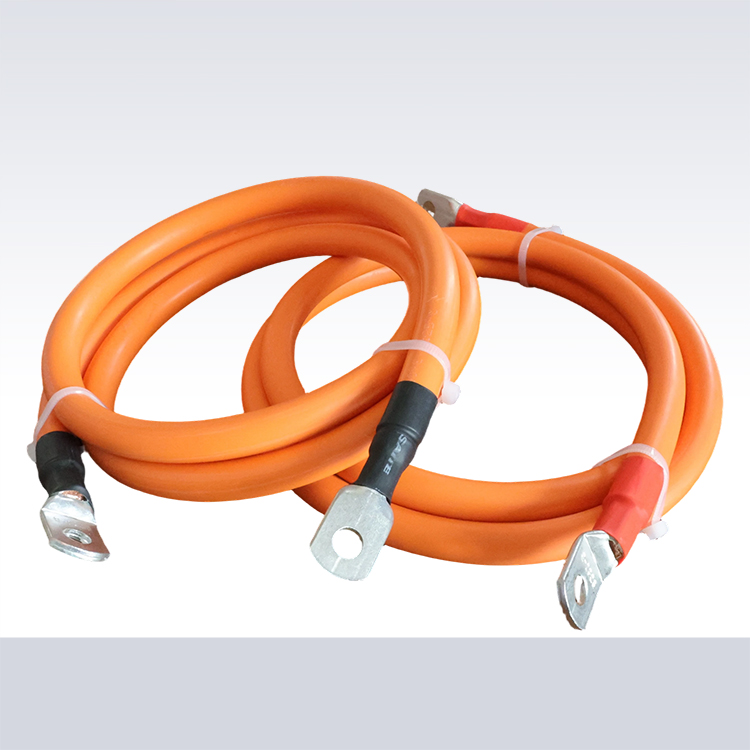
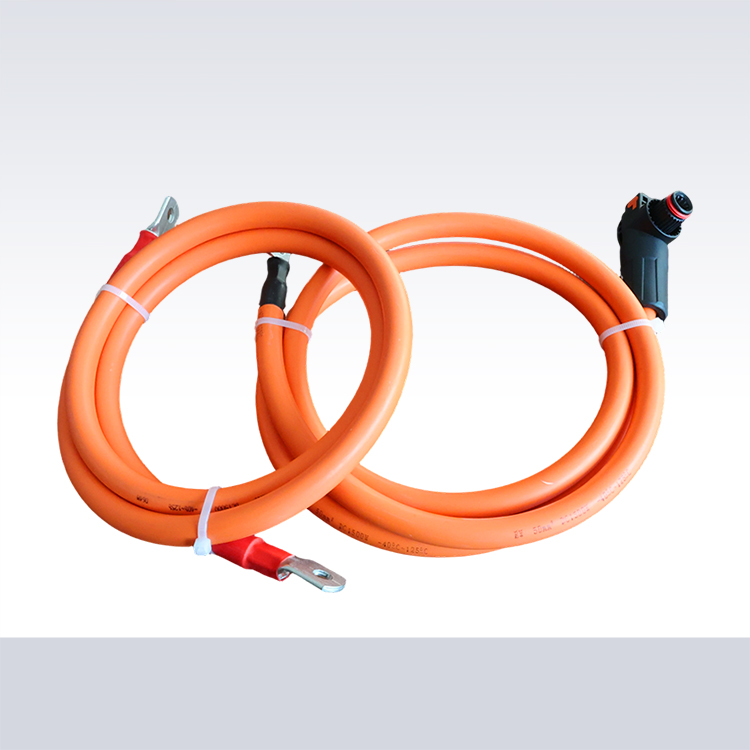
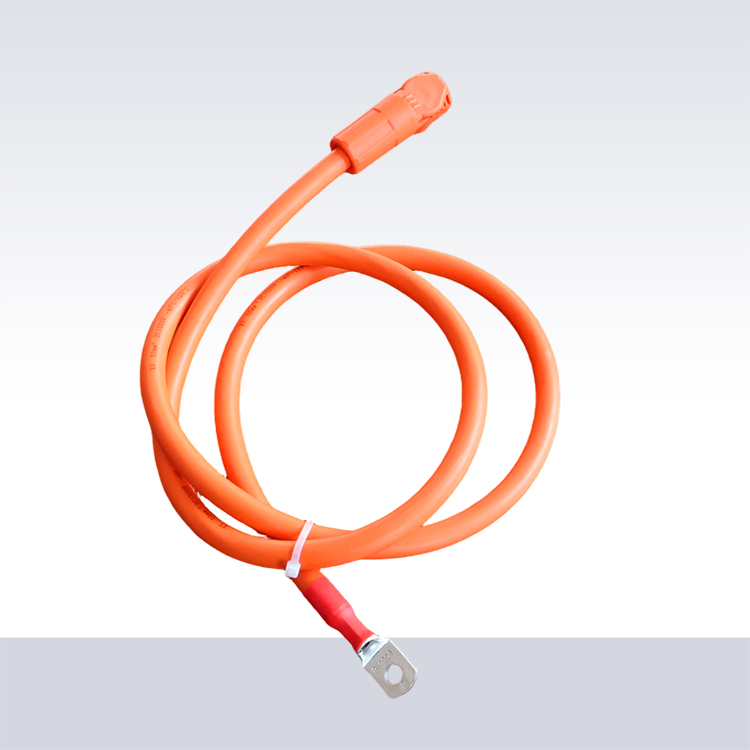
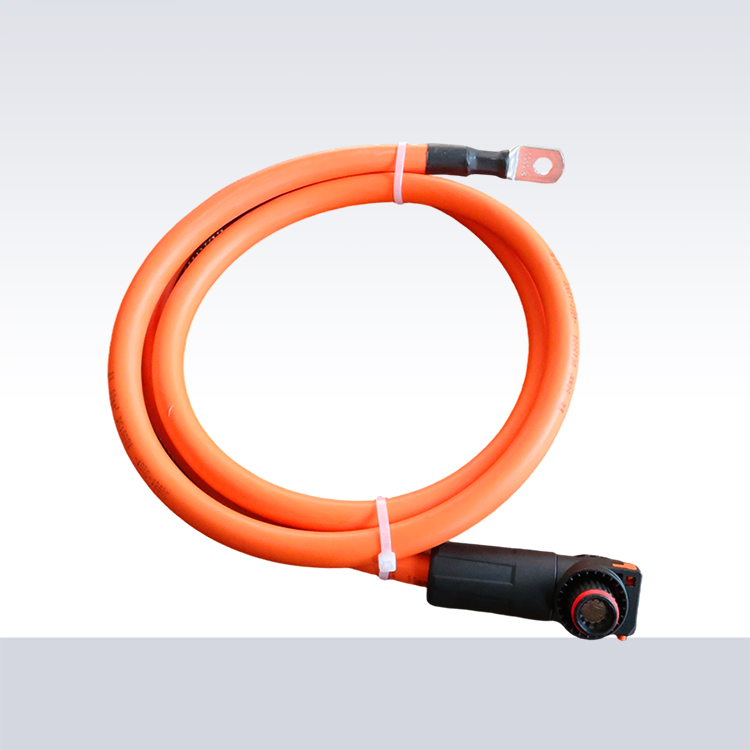
The most fundamental parameter is the conductor cross-section, expressed in square millimeters (mm²). For residential and commercial rooftop systems, common sizes range from 2.5mm² to 6mm² for string and module wiring, while 16mm² and above are used for combiner-to-inverter runs carrying higher currents. Always size the cable so that the current density stays within the rated ampacity and the voltage drop remains below 1%–2% over the cable run. Haoshizai offers a full range from 2.5mm² to 16mm² to cover both distributed and utility-scale layouts.
Step 2: Verify the Insulation and Jacket Material
Solar cables operate in harsh conditions: constant sunlight, wide temperature swings, and occasional moisture ingress. Cross-linked polyolefin (XLPO) insulation is the industry standard because it resists UV, ozone, and heat up to 120°C. Avoid PVC-insulated general-purpose wire in exposed PV runs — it cracks and loses dielectric strength quickly outdoors. Confirm the cable is rated for at least -40°C to +90°C (and +120°C for short circuits) before specifying it.
Step 3: Demand the Right Certifications
For international projects, certifications are non-negotiable. EN 50618 and IEC 62930 govern European and global PV cable standards; UL 4703 applies to the North American market. TUV and CE marks signal third-party verification of material and construction. Specifying a TUV-certified photovoltaic cable reduces rejection risk at inspection and gives end customers confidence in long-term reliability.
Step 4: Match the Cable to the Application Domain
Different installations stress cables differently. Rooftop arrays need flexible, UV-stable single-core wire; ground-mount farms benefit from robust double-insulated cable resistant to rodents and burial; floating solar demands enhanced moisture and hydrolysis resistance. Align the product specification with the deployment environment rather than defaulting to a single generic part number.
Step 5: Evaluate the Supplier's Manufacturing Consistency
Even a perfect specification fails if production is inconsistent. Work with a manufacturer that documents batch traceability, performs spark testing on every meter, and holds ISO 9001 quality management. Request sample test reports and, for large tenders, a factory audit. Haoshizai supports OEM labeling and provides full certification packs for distributor partners.
Selection Checklist for Buyers
Before placing an order, confirm: (1) required cross-section and ampacity, (2) XLPO insulation with EN 50618 / IEC 62930 or UL 4703, (3) TUV or equivalent certification, (4) temperature and UV rating for your climate, (5) supplier traceability and test documentation. Following this checklist prevents the majority of field failures and warranty claims.
Conclusion
Choosing the right photovoltaic cable is a structured engineering task. By matching gauge to current, verifying insulation and certifications, and partnering with a quality-driven manufacturer, installers and distributors protect system performance for the full 25-year design life. Haoshizai's photovoltaic cable portfolio is built to meet these requirements across residential, commercial, and industrial solar projects.






CONTACT
Email:525860526@qq.com
Whatsapp: +86 19933450664
TEL:+86 17803069333
WEB:https://www.haoshizai-solar.com
ADD:Dongyang Village, Daweihe Hui and Manchu Township, Wenan County, Langfang City, Hebei Province