


Current location: HOME > BLOGS > Frequently Asked Questions >
New Energy EV Wiring Systems: Design, Installation & Safety
time:2026-09-20 09:29:24 author:haoshizai Click:174
The Rising Role of Wiring in New Energy Vehicles
As the automotive industry shifts toward electrification, the wiring system has become one of the most safety-critical subsystems in a vehicle. Unlike traditional 12V harnesses, new energy EV wiring carries high-voltage DC from the battery pack to the motor, onboard charger, and thermal management systems. A single design flaw can lead to thermal runaway or insulation failure. This guide outlines how to design, install, and validate EV wiring for reliability.
Design Principle 1: Separate High-Voltage and Low-Voltage Circuits
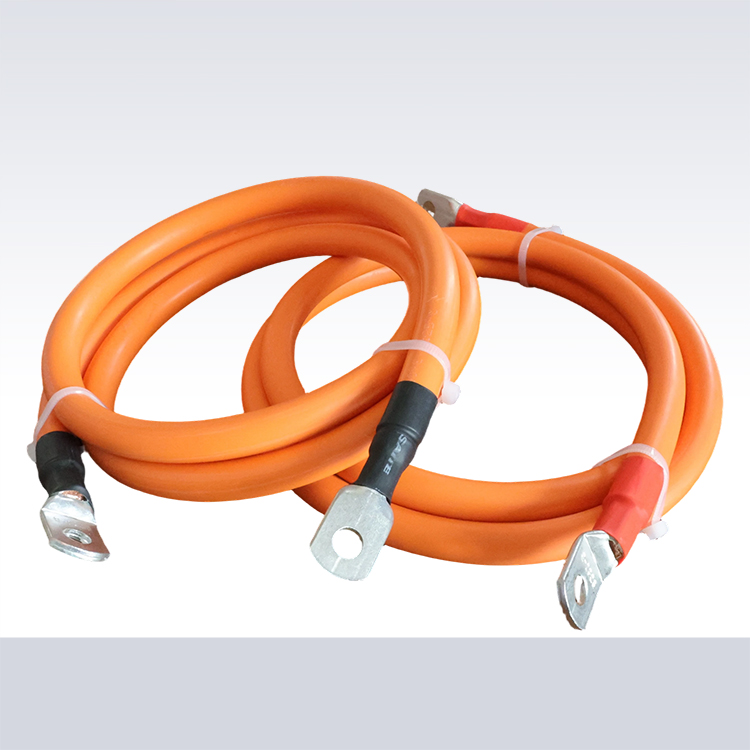
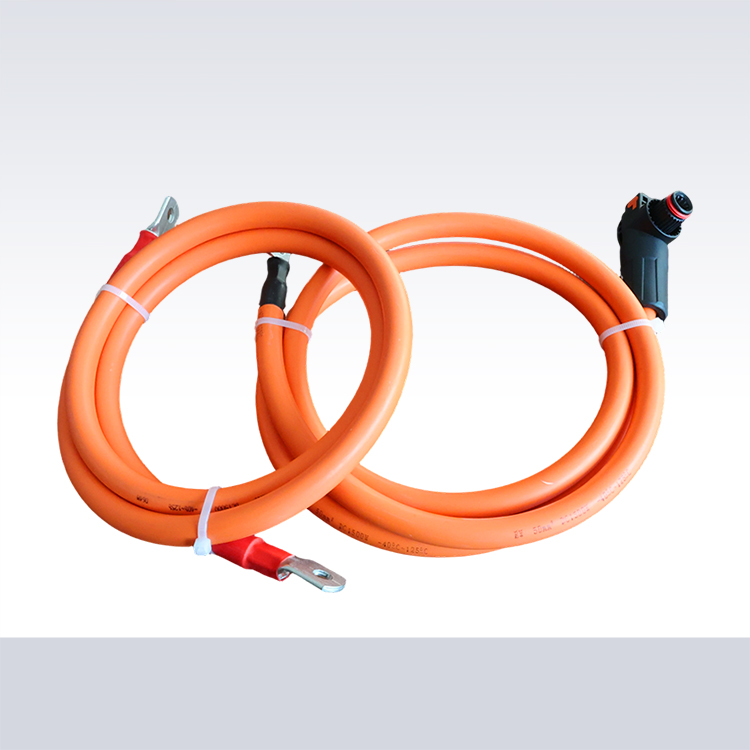
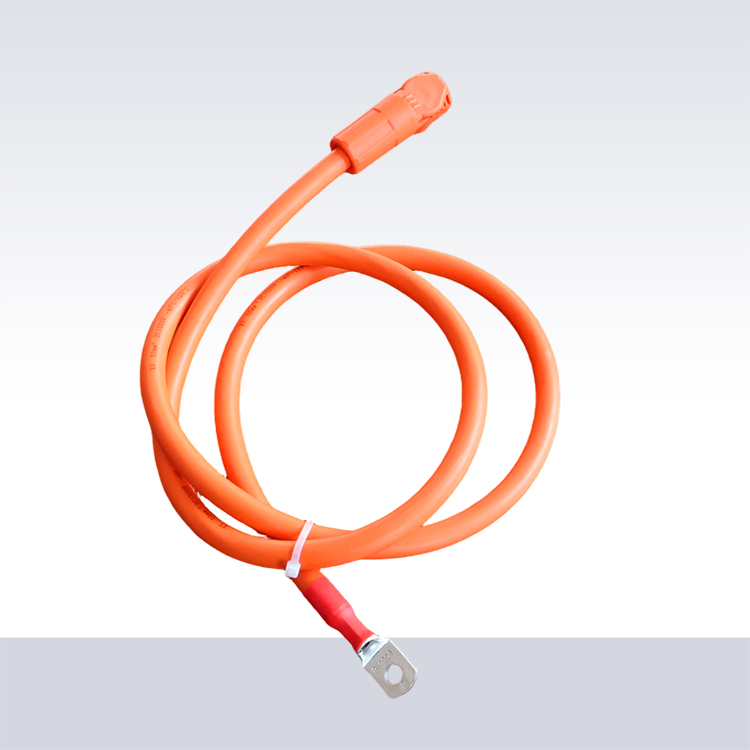
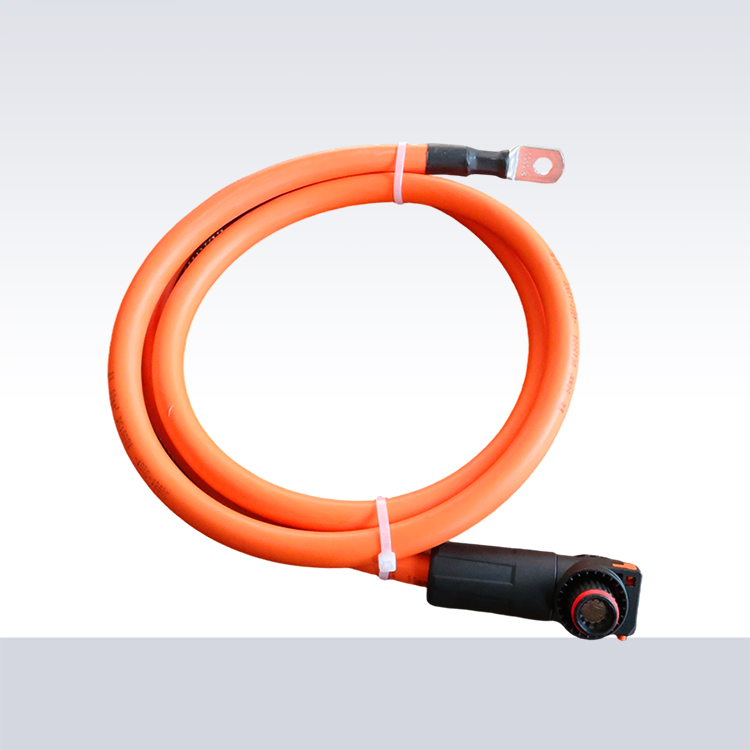
High-voltage (typically 400V–800V) lines must be physically and electrically isolated from low-voltage control wiring. Use color-coded orange jackets for HV paths, maintain clear routing gaps, and shield signal lines to prevent electromagnetic interference (EMI) from degrading vehicle control. Proper segregation is the first line of defense in any EV wiring system.
Design Principle 2: Choose the Right High-Voltage Cable Construction
EV high-voltage cable requires flexible stranded copper conductors, cross-linked insulation rated for continuous 125°C, and often shielding for EMI compliance. The conductor cross-section depends on the current draw of the traction circuit — larger packs demand 35mm² to 95mm² or more. Haoshizai's EV cable range supports both passenger and commercial new-energy vehicles with flexible, heat-resistant constructions.
Installation Safety: Lockout, Insulation, and Torque
During assembly, technicians must follow a strict high-voltage lockout procedure before handling connectors. Use certified crimping tools, apply the specified torque to busbar terminals, and verify insulation resistance with a megohmmeter after every connection. Never route HV cable across sharp edges without protective grommets — abrasion is a leading cause of field failures.
Connector and Sealing Integrity
Connectors are the weakest mechanical points in an EV wiring harness. Specify IP67-rated sealed connectors for battery and drivetrain interfaces, and confirm the sealing boots survive vibration and thermal cycling. A loose or contaminated contact generates resistance, heat, and eventually a fire risk. Batch-level sealing tests should be part of incoming quality control.
Compliance and Standards
EV wiring must satisfy automotive standards such as ISO 6722 (road vehicle cable), ISO 14572 (shielded single-core cable), and regional EV safety regulations. For manufacturers exporting globally, alignment with these standards is mandatory for type approval. Working with a cable supplier that understands automotive certification shortens time-to-market.
Quality Control in Harness Manufacturing
A reliable EV wiring harness depends on process discipline: 90% continuity testing, hi-pot (dielectric withstand) testing on every harness, and full traceability of wire lots. Automated cutting and crimping reduce human error; visual and electrical verification catch defects before shipment. Haoshizai supports OEM harness production with consistent materials and test documentation.
Conclusion
New energy EV wiring is a discipline where electrical, thermal, and mechanical engineering meet. By isolating HV circuits, selecting heat-resistant flexible cable, enforcing lockout procedures, and validating every harness electrically, manufacturers build safer vehicles. Haoshizai provides the cable and harness components that meet the demands of modern electric mobility.






CONTACT
Email:525860526@qq.com
Whatsapp: +86 19933450664
TEL:+86 17803069333
WEB:https://www.haoshizai-solar.com
ADD:Dongyang Village, Daweihe Hui and Manchu Township, Wenan County, Langfang City, Hebei Province