


Current location: HOME > BLOGS > Frequently Asked Questions >
Photovoltaic Cable Selection Guide for Solar Power Systems
time:2026-06-14 08:03:21 author:haoshizai Click:83
Photovoltaic Cable Selection Guide for Solar Power Systems
Photovoltaic cables form the critical link between solar panels and power conversion equipment in solar energy systems. Selecting appropriate cables ensures efficient power transmission while maintaining safety and regulatory compliance. This comprehensive guide covers essential considerations for choosing photovoltaic cables for residential, commercial, and utility-scale solar installations.
Unlike standard electrical cables, photovoltaic cables must withstand harsh outdoor environments including ultraviolet radiation, temperature extremes, and moisture exposure. These specialized cables incorporate materials and construction techniques that ensure decades of reliable service in demanding conditions.
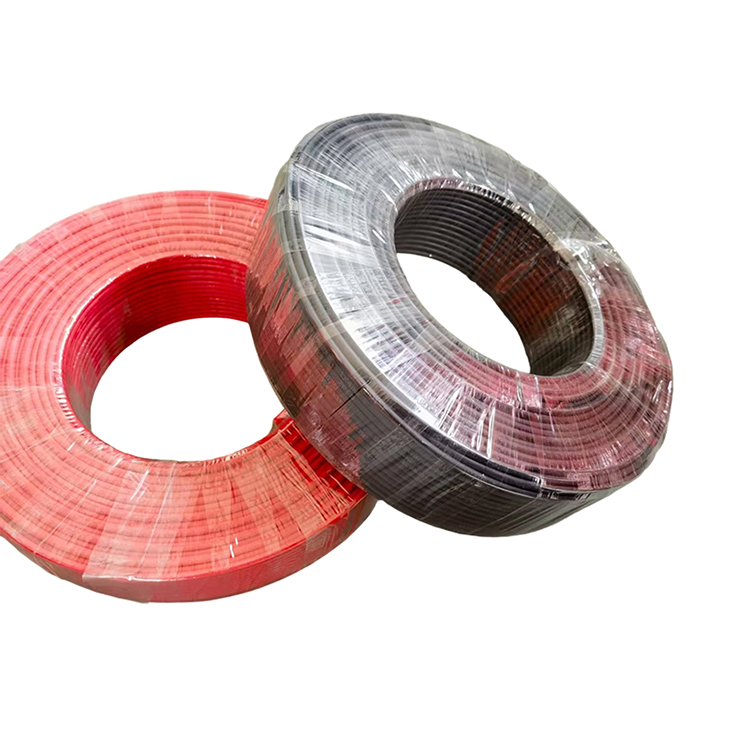
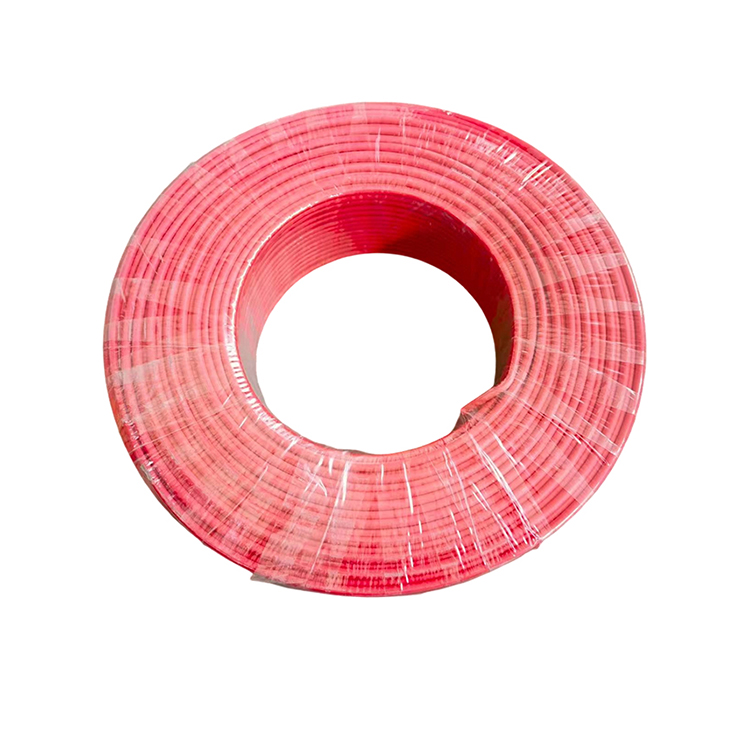
Understanding Photovoltaic Cable Types
Photovoltaic cables divide into two primary categories based on their location in the solar power system. DC photovoltaic cables connect solar panels to inverters, carrying direct current at various voltage levels depending on system configuration. AC photovoltaic cables connect inverters to electrical panels or the utility grid, carrying alternating current at standard voltages.
H1Z2Z2-K photovoltaic cables represent the European standard for solar installations, featuring dual insulation layers that provide enhanced protection against environmental factors. These cables accommodate voltage ratings up to 1,500 volts DC, making them suitable for both residential and commercial applications.
PV-ES photovoltaic cables meet specific requirements for solar installations in certain markets. These cables feature cross-linked polyethylene insulation that maintains flexibility across temperature ranges from -40°C to +120°C. The robust construction ensures reliable performance in extreme climate conditions.
Cable Sizing Fundamentals
Cable cross-sectional area directly affects power transmission efficiency and safety. Undersized cables create excessive resistance that generates heat and reduces system efficiency. Oversized cables increase material costs without providing proportional benefits, making proper sizing essential for cost-effective installations.
4mm² photovoltaic cables suit most residential solar installations where panel strings operate at moderate current levels. These cables balance current-carrying capacity with reasonable cost and handling characteristics. Professional installers typically recommend 4mm² cables for systems with string currents below 15 amperes.
6mm² photovoltaic cables accommodate higher current applications common in commercial installations or systems with longer cable runs. The increased cross-sectional area reduces voltage drop over distance while providing additional safety margin for systems operating near maximum current ratings.
Voltage Rating Considerations
Modern photovoltaic systems operate at increasingly higher voltages to improve efficiency and reduce transmission losses. Cables rated for 1,000 volts DC suffice for traditional residential systems, while utility-scale installations may require 1,500-volt DC ratings to accommodate string configurations that reduce balance-of-system costs.
Higher voltage ratings require enhanced insulation systems that maintain integrity under electrical stress. Quality photovoltaic cable manufacturers test their products at voltages significantly above rated values to ensure adequate safety margins. These tests verify that cables will not fail prematurely due to electrical breakdown.
Double-insulated photovoltaic cables provide additional protection against electrical faults that could create fire hazards. The secondary insulation layer acts as backup protection if the primary insulation becomes damaged due to mechanical stress, UV degradation, or installation errors.
Environmental Resistance Features
Ultraviolet radiation degrades standard cable insulation materials rapidly when exposed to direct sunlight. Photovoltaic cables incorporate UV-stabilized compounds that resist degradation for decades of outdoor exposure. Quality cables maintain flexibility and electrical properties throughout their design life despite continuous UV exposure.
Temperature cycling from day to night creates mechanical stress as cable materials expand and contract. Cross-linked insulation materials accommodate this cycling without cracking or losing electrical properties. Quality photovoltaic cables specify operating temperature ranges that encompass the extremes encountered in installation locations.
Moisture resistance prevents cable degradation in humid environments or locations with frequent precipitation. Photovoltaic cables intended for outdoor use feature water-resistant insulation systems that prevent moisture ingress that could cause electrical faults or corrosion of conductor materials.
Conductor Material Quality
Tinned copper conductors provide superior corrosion resistance compared to bare copper in harsh environments. The tin coating protects the underlying copper from oxidation that could increase resistance and create hot spots. Marine and coastal installations particularly benefit from tinned copper conductors that withstand salt spray exposure.
Conductor stranding affects cable flexibility and current distribution. Finely stranded conductors provide excellent flexibility for installation routing while ensuring uniform current distribution across the conductor cross-section. Quality photovoltaic cables use stranding configurations optimized for both flexibility and electrical performance.
Conductor purity affects electrical resistance and long-term reliability. Oxygen-free copper conductors provide maximum conductivity while reducing the risk of conductor degradation over time. Quality photovoltaic cable manufacturers specify conductor purity levels and provide certifications verifying compliance with published specifications.
Quality Certifications and Standards
TUV Rheinland certification demonstrates compliance with international standards for photovoltaic cables. This certification requires extensive testing of electrical, mechanical, and environmental properties. Cables bearing TUV marks have undergone rigorous evaluation by independent testing laboratories.
ISO quality management system certification indicates that cable manufacturers maintain consistent production processes that ensure product quality. ISO 9001 certification requires documented procedures for raw material incoming inspection, in-process quality control, and finished product testing.
International Electrotechnical Commission standards specify photovoltaic cable requirements for global markets. IEC 62930 standard covers requirements for photovoltaic system cables, including electrical properties, mechanical characteristics, and environmental resistance. Cables compliant with IEC standards meet requirements for most international solar installations.
Installation Best Practices
Proper cable routing minimizes physical stress and exposure to potential damage sources. Cables should avoid sharp edges, moving machinery, and areas where maintenance activities could cause accidental damage. Appropriate support systems prevent cable sagging that could create water accumulation points or mechanical stress concentrations.
Connection techniques significantly affect long-term reliability. MC4 connectors provide standardized connections between photovoltaic cables and system components. These connectors maintain weatherproof seals while providing secure electrical connections that resist vibration and thermal cycling effects.
Cable marking requirements vary by jurisdiction but generally include identification of conductor function, voltage rating, and cable type. Permanent marking systems resist environmental degradation while remaining legible throughout the installation life. Proper marking simplifies maintenance and system modifications.
Supplier Selection Criteria
Established photovoltaic cable suppliers maintain inventory of standard cable types and can provide technical support for installation questions. Professional suppliers understand cable specifications and can recommend appropriate products for specific applications. Their expertise helps ensure proper cable selection and code compliance.
Quality photovoltaic cable manufacturers provide detailed technical specifications and test reports verifying cable performance. These documents support system design and permitting processes by demonstrating that specified cables meet applicable standards. Working with manufacturers who provide comprehensive documentation simplifies project execution.
Photovoltaic cable factories with modern production capabilities maintain consistent quality across production runs. Advanced manufacturing equipment and quality control systems ensure that every cable meets published specifications. Evaluating manufacturing capabilities helps ensure reliable cable supply for project requirements.
Conclusion
Proper photovoltaic cable selection requires understanding system requirements, environmental conditions, and applicable standards. Quality cables from established manufacturers provide decades of reliable service while maintaining system efficiency and safety. Investing in appropriate cables protects solar installation investments while ensuring optimal performance.
Working with experienced photovoltaic cable suppliers ensures access to quality products and technical support throughout the project lifecycle. Their expertise helps navigate the complexities of cable selection while ensuring code compliance and optimal system performance.
References
International Electrotechnical Commission. (2024). IEC 62930 Standard for Photovoltaic Cables.
TUV Rheinland. (2023). Photovoltaic Cable Certification Guidelines.
Solar Power World Magazine. (2024). Solar Installation Best Practices.
Renewable Energy World. (2023). Photovoltaic System Design Standards.






CONTACT
Email:525860526@qq.com
Whatsapp: +86 19933450664
TEL:+86 17803069333
WEB:https://www.haoshizai-solar.com
ADD:Dongyang Village, Daweihe Hui and Manchu Township, Wenan County, Langfang City, Hebei Province