


Current location: HOME > BLOGS > Frequently Asked Questions >
Photovoltaic Cable Maintenance Tips
time:2026-06-10 11:58:25 author:haoshizai Click:160
Photovoltaic Cable Maintenance Tips
Regular maintenance of photovoltaic cables ensures optimal solar system performance and prevents costly failures. Proper maintenance extends cable lifespan while maintaining safety and efficiency. This guide covers essential maintenance practices for photovoltaic cable systems.
Photovoltaic cables operate in harsh outdoor environments where UV radiation, temperature extremes, and moisture can degrade materials over time. Proactive maintenance identifies potential problems before they cause system failures or safety hazards.
Visual Inspection Procedures
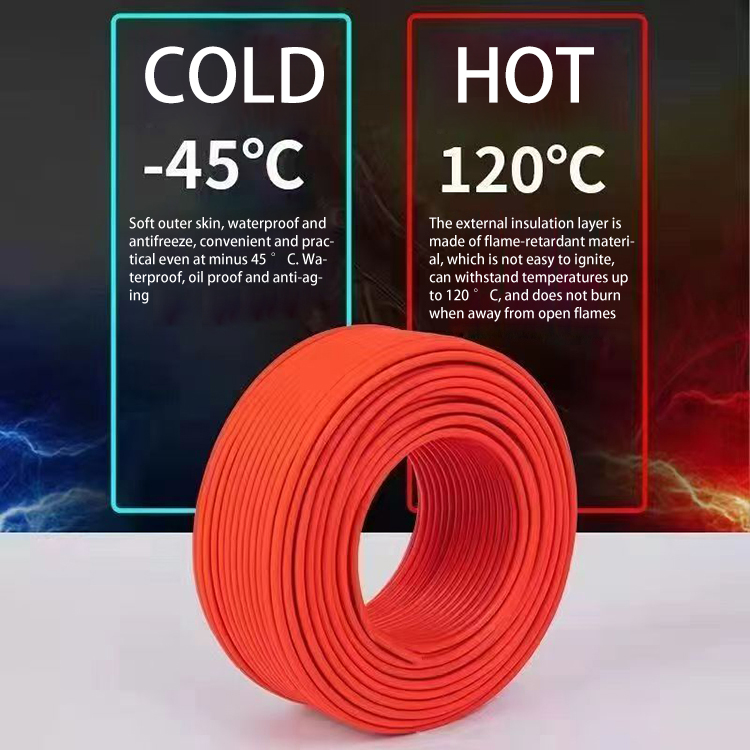
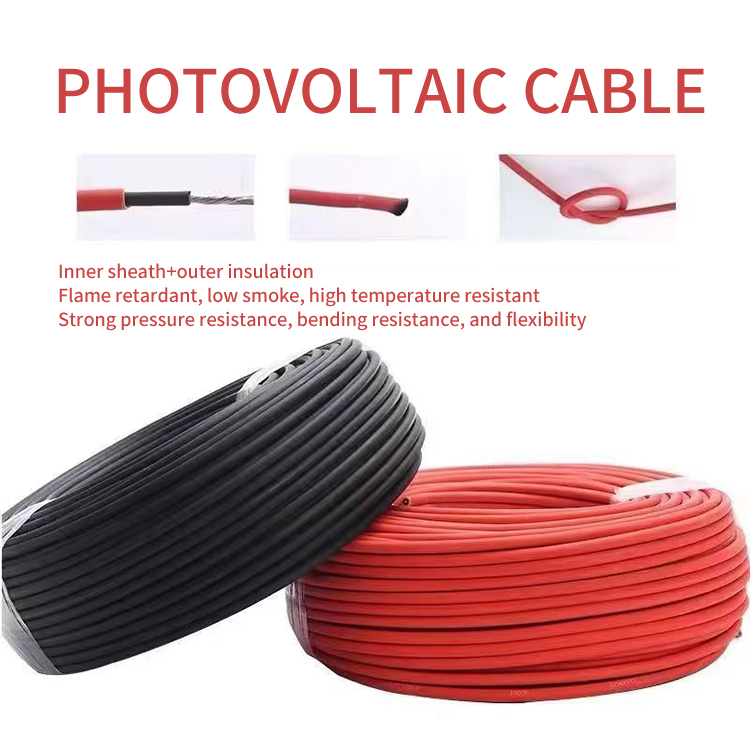
Regular visual inspection identifies early signs of cable degradation. Inspect cable insulation for cracks, discoloration, or brittleness that indicates UV damage or thermal aging. Damaged insulation exposes conductors and creates shock hazards.
Check cable support systems for sagging or misalignment. Proper cable support prevents mechanical stress that could damage conductors or insulation. Inspect cable ties and clamps for deterioration that could allow cable movement.
Examine connection points for corrosion or loosening. MC4 connectors should lock securely with visible connection indicators. Corroded connections increase resistance and generate heat that damages cables and system components.
Electrical Testing Methods
Insulation resistance testing using megohmmeters identifies insulation degradation before failures occur. Test readings below manufacturer specifications indicate moisture ingress or insulation breakdown requiring cable replacement.
Continuity testing verifies conductor integrity throughout cable runs. Open circuits indicate broken conductors from mechanical damage or manufacturing defects. Continuity testing should be performed periodically and after severe weather events.
Voltage drop measurements identify high-resistance connections or undersized cables. Excessive voltage drop reduces system efficiency and indicates maintenance needs. Compare measurements to design specifications to identify performance degradation.
Cleaning and Protection
Gentle cleaning removes dirt and debris that could retain moisture against cable insulation. Use mild detergent and water with soft brushes to avoid damaging protective jacketing. Avoid high-pressure washing that could force moisture into connection points.
Vegetation control around cable routes prevents mechanical damage from plant growth. Vines and climbing plants can exert significant mechanical stress on cables. Maintain clearance around cable runs to prevent vegetation interference.
Apply UV-protective coatings to cable ties and support hardware. Plastic components degrade faster than cable insulation and may fail prematurely. Replacing degraded support components prevents cable damage from inadequate support.
Connection Maintenance
MC4 connector maintenance includes cleaning contact surfaces and verifying proper locking. Disconnect and inspect connectors annually, cleaning contacts with electrical contact cleaner. Replace connectors showing corrosion or mechanical wear.
Junction box maintenance involves checking seals and connection torque. Loose connections generate heat and can cause fires. Torque connections to manufacturer specifications using calibrated tools. Replace deteriorated gaskets and seals immediately.
Grounding system maintenance ensures effective fault protection. Test grounding electrode resistance periodically to verify adequate fault current paths. Clean and tighten grounding connections to prevent corrosion buildup that increases resistance.
Documentation and Records
Maintain detailed maintenance records including inspection dates, test results, and corrective actions. Documentation supports warranty claims and demonstrates due diligence for insurance purposes. Digital records simplify trend analysis and maintenance scheduling.
Photograph cable conditions during inspections to document degradation patterns. Visual documentation helps identify progressive damage requiring intervention. Compare photographs over time to assess maintenance effectiveness.
Update as-built drawings when modifications occur. Accurate documentation ensures future maintenance activities can be performed safely and effectively. Include cable routing changes, connection modifications, and component replacements in documentation.
Troubleshooting Common Problems
Intermittent power output often indicates connection problems rather than component failure. Wiggle test connections while monitoring system output to identify loose connections. Thermal imaging can identify high-resistance connections generating excessive heat.
Animal damage from rodents or birds requires immediate repair and prevention measures. Install physical barriers or repellents to prevent recurring damage. Use armored cable or conduit in areas with high animal activity.
Water ingress into connection points creates corrosion and insulation breakdown. Identify and seal water entry points immediately. Improve drainage around ground-mounted installations to prevent water accumulation near cable connections.
Safety Precautions
De-energize systems before performing maintenance on DC circuits. Photovoltaic systems generate power whenever exposed to light, creating shock hazards during maintenance. Use lockout-tagout procedures to ensure systems remain de-energized.
Use appropriate personal protective equipment including insulated gloves and eye protection. DC arc flash hazards exist in photovoltaic systems and require specific protective equipment. Follow safety standards for working on energized electrical systems.
Work with qualified personnel familiar with photovoltaic system hazards. Attempting maintenance without proper training risks injury and equipment damage. Professional maintenance ensures safety and maintains warranty coverage.
Professional Maintenance Services
Qualified solar cable suppliers offer maintenance services that complement internal capabilities. Professional maintenance includes specialized testing equipment and expertise for comprehensive system evaluation. Regular professional inspections identify problems that visual inspection might miss.
Manufacturer technical support provides guidance for specific maintenance questions. Established photovoltaic cable manufacturers maintain technical staff familiar with their products. Consult manufacturer documentation before performing maintenance procedures.
Consider maintenance service contracts for large installations. Professional maintenance ensures consistent quality while reducing internal staffing requirements. Service contracts typically include priority response for emergency repairs.
Conclusion
Regular photovoltaic cable maintenance protects solar investments while ensuring safe, efficient operation. Visual inspection, electrical testing, and connection maintenance form the foundation of effective maintenance programs. Professional maintenance services supplement internal capabilities for comprehensive system care.
Working with experienced photovoltaic cable suppliers ensures access to quality maintenance support and technical expertise. Their knowledge helps optimize maintenance procedures while ensuring compliance with safety standards and warranty requirements.
References
International Electrotechnical Commission. (2024). IEC 62446 Photovoltaic System Maintenance.
National Fire Protection Association. (2023). NFPA 70B Electrical Equipment Maintenance.
Solar Energy Industries Association. (2024). Solar Operations and Maintenance Guidelines.
Electrical Testing Association. (2023). Electrical Cable Testing Standards.






CONTACT
Email:525860526@qq.com
Whatsapp: +86 19933450664
TEL:+86 17803069333
WEB:https://www.haoshizai-solar.com
ADD:Dongyang Village, Daweihe Hui and Manchu Township, Wenan County, Langfang City, Hebei Province