

Current location: HOME > BLOGS > Frequently Asked Questions >
Tinned Copper PV Cable for Coastal and High-Humidity Areas
time:2026-01-29 05:47:54 author:haoshizai Click:162
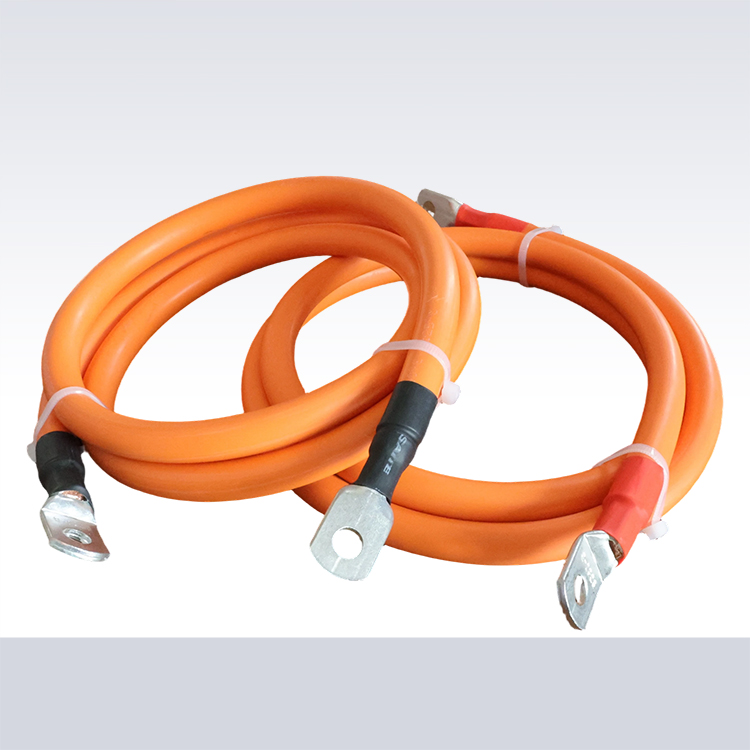
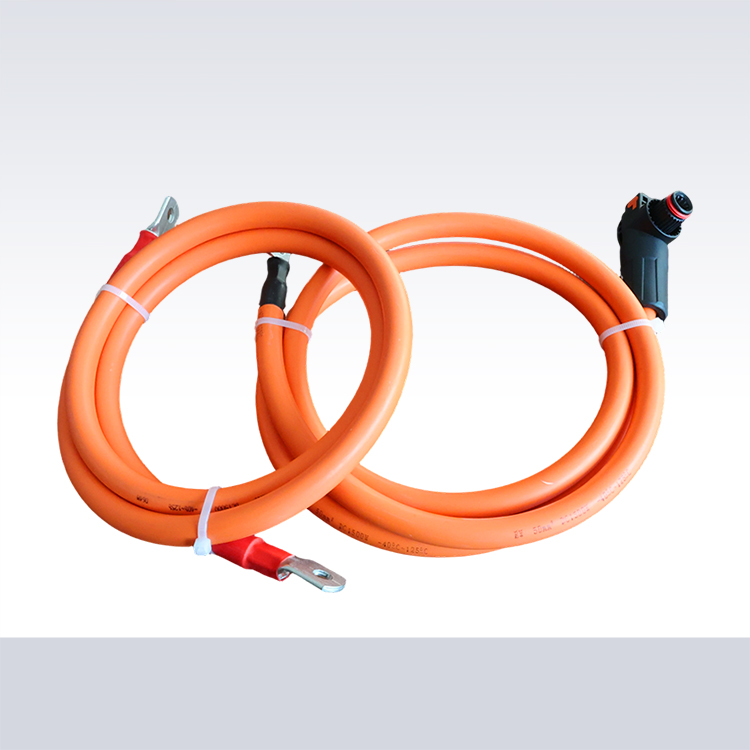
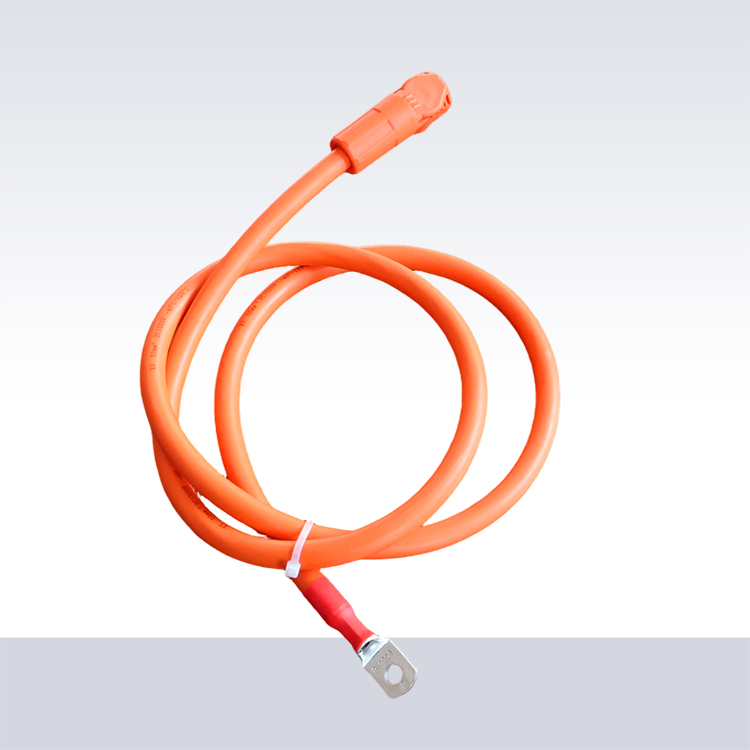
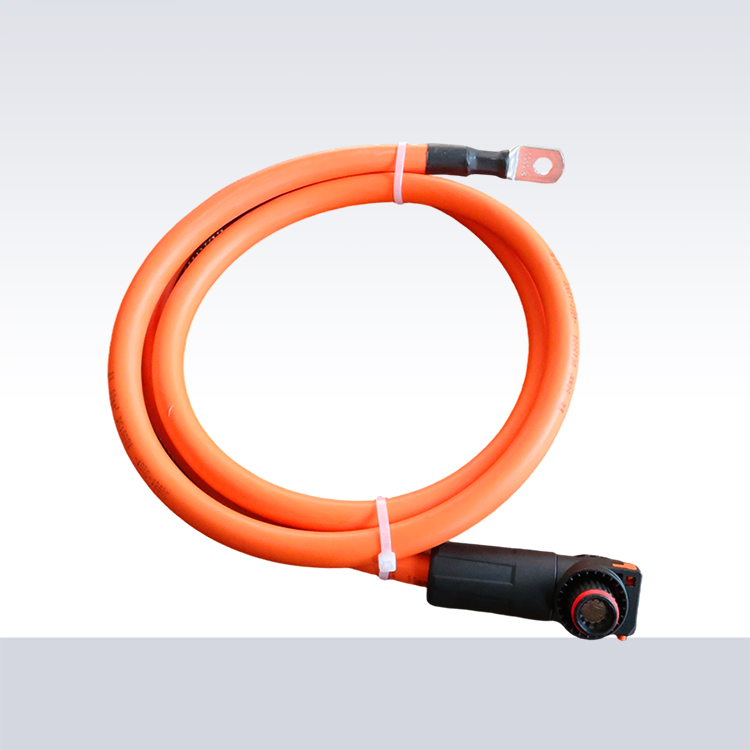
Tinned Copper PV Cable has become a preferred choice for photovoltaic installations in coastal regions and high-humidity environments, where standard conductors may face accelerated corrosion and performance degradation. Solar systems installed near oceans, industrial zones, or tropical climates require cables that can withstand moisture, salt spray, and long-term environmental stress.
As a Tinned Copper PV Cable manufacturer with stable production capability, supplying cables for demanding solar projects requires consistent material selection, controlled production processes, and reliable bulk delivery. This article explores why tinned copper PV cable is particularly suitable for harsh environments and how it supports long-term system performance.
1. Understanding the Challenges of Coastal and Humid Environments
1.1 High Moisture Levels
Coastal and tropical regions experience elevated humidity levels throughout the year. Moisture can penetrate cable insulation over time, increasing the risk of conductor oxidation and electrical resistance.
1.2 Salt and Airborne Contaminants
In coastal areas, salt particles carried by wind can settle on cable surfaces and connectors. These contaminants accelerate corrosion, especially when combined with moisture and temperature fluctuations.
2. What Is Tinned Copper PV Cable?
Tinned copper PV cable uses copper conductors coated with a thin layer of tin. This protective layer acts as a barrier between the copper and the surrounding environment, reducing the rate of oxidation and corrosion.
The tin coating does not significantly affect electrical conductivity, making it suitable for photovoltaic applications where both performance and durability are critical.
3. Corrosion Resistance Advantages
3.1 Protection Against Oxidation
Bare copper conductors can oxidize when exposed to moisture, increasing contact resistance over time. Tinned copper provides enhanced resistance to oxidation, especially in humid conditions.
3.2 Improved Performance in Saline Environments
Salt exposure is one of the most aggressive factors in coastal installations. The tin layer helps shield the copper from salt-induced corrosion, supporting stable electrical performance.
4. Impact on Long-Term System Reliability
Cable degradation is a common cause of reduced energy output and maintenance issues in solar systems. By using tinned copper PV cable, installers can reduce the likelihood of conductor corrosion and insulation failure.
This contributes to consistent power transmission and extends the operational life of photovoltaic systems in challenging environments.
5. Installation Scenarios Where Tinned Copper Is Recommended
5.1 Coastal Solar Farms
Ground-mounted and rooftop systems near coastlines benefit from the added corrosion resistance of tinned copper conductors, especially when exposed to wind-driven salt spray.
5.2 Industrial and High-Humidity Zones
Factories, wastewater treatment plants, and tropical regions often have high humidity and chemical exposure. Tinned copper PV cable provides additional protection under these conditions.
6. Electrical Performance Considerations
While the tin coating slightly alters the conductor surface, it does not compromise current-carrying capacity or voltage performance. Properly designed tinned copper PV cables meet standard electrical requirements for photovoltaic systems.
Stable conductivity ensures efficient energy transfer from modules to inverters, even in harsh environments.
7. Compatibility with Connectors and Terminations
Tinned copper conductors are compatible with commonly used photovoltaic connectors and terminals. In fact, the tin layer can improve solderability and reduce contact degradation at connection points.
Proper crimping and termination practices remain essential to maximize performance.
8. Maintenance and Inspection Benefits
Solar installations in humid or coastal areas often require frequent inspection. Tinned copper PV cables simplify maintenance by reducing visible corrosion and minimizing performance drift.
Lower maintenance requirements translate into reduced operational costs over the system’s lifetime.
9. Manufacturing Quality and Production Consistency
The effectiveness of tinned copper PV cable depends on uniform tin coating thickness and consistent conductor quality. Controlled production processes ensure reliable electrical and mechanical performance across each batch.
Manufacturers with standardized production lines and bulk supply capability can support large-scale solar projects with consistent, repeatable quality.
Conclusion: Why Choose Tinned Copper PV Cable for Harsh Environments
For photovoltaic systems installed in coastal and high-humidity areas, Tinned Copper PV Cable offers clear advantages in corrosion resistance, durability, and long-term reliability. Environmental exposure that would degrade standard copper conductors can be effectively managed through tinned copper construction.
When sourcing from a manufacturer with reliable production capacity and bulk supply support, tinned copper PV cables provide a dependable solution for demanding solar applications. Choosing the right conductor material helps ensure stable performance and extended system lifespan in challenging environments.
References
Messenger, R. A., & Ventre, J. (2017).Photovoltaic systems engineering (4th ed.). CRC Press.