

Current location: HOME > BLOGS > Frequently Asked Questions >
Solar Panel Connector Cable Installation Tips for Optimal Performance
time:2026-01-29 05:51:50 author:haoshizai Click:151
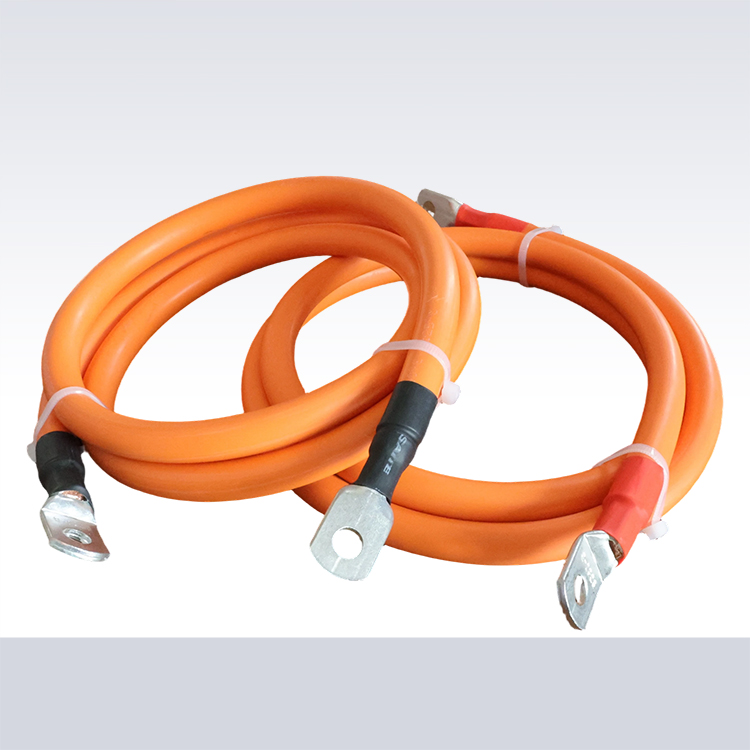
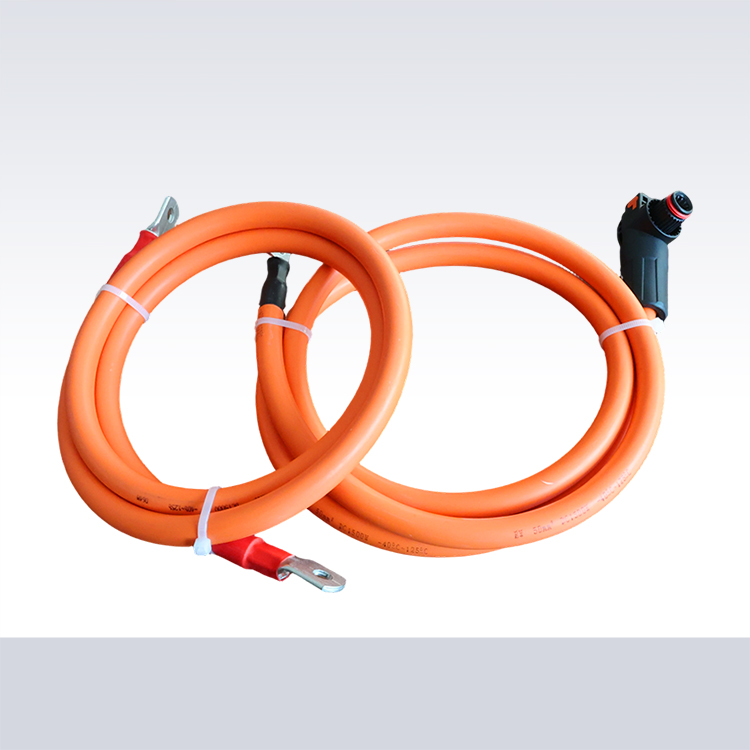
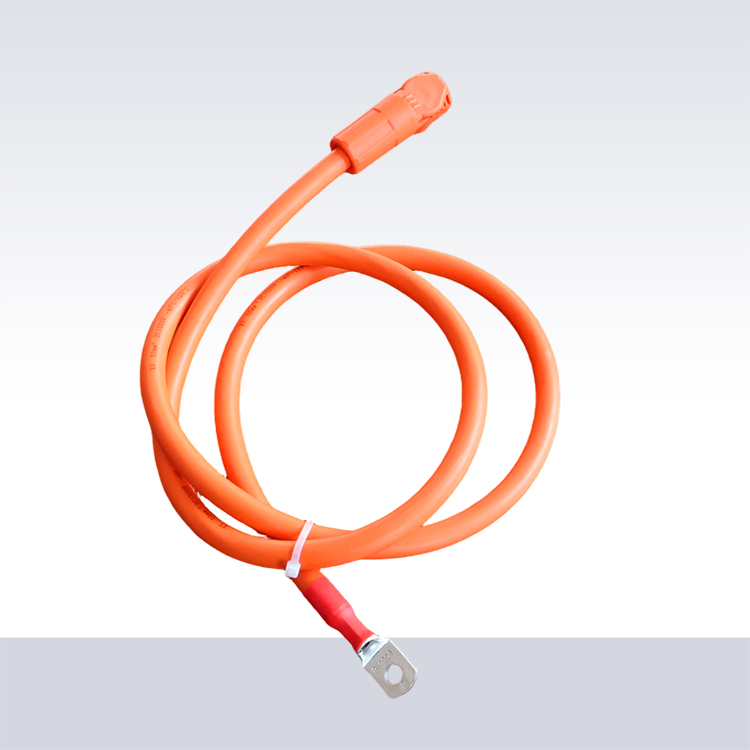
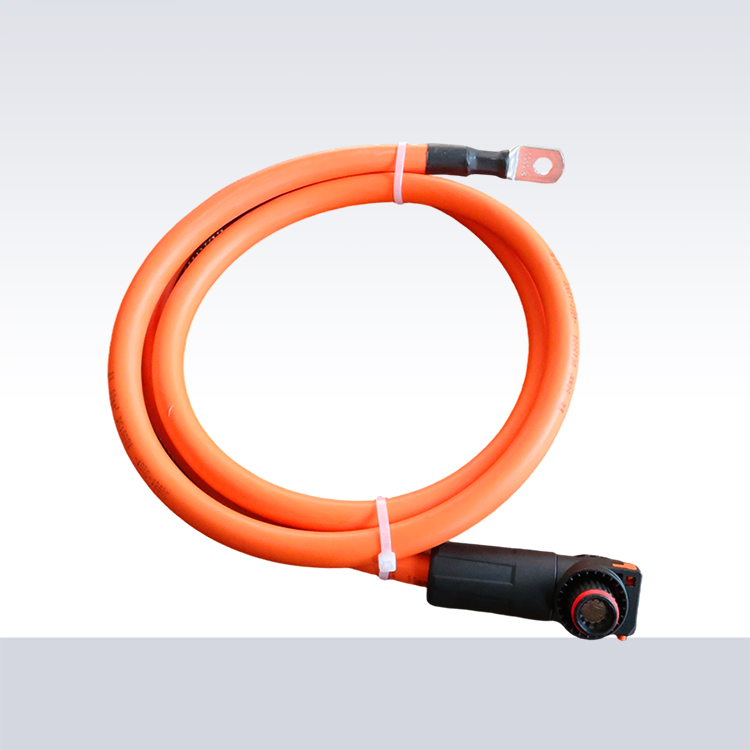
Solar Panel Connector Cable systems are essential components in photovoltaic installations, serving as the critical link between solar modules, inverters, and balance-of-system equipment. While panels and inverters often receive the most attention, improper cable installation can significantly reduce system efficiency and long-term reliability.
As a Solar Panel Connector Cable manufacturer with established production capability, supplying cables for large-scale solar projects requires strict control over material quality, connector compatibility, and batch consistency. This guide outlines practical installation tips to help ensure optimal performance in industrial and commercial solar applications.
1. Understanding the Function of Solar Panel Connector Cables
Solar panel connector cables are designed to transmit direct current (DC) generated by photovoltaic modules. These cables must maintain stable electrical performance while withstanding outdoor exposure, temperature fluctuations, and mechanical stress.
Reliable connector cables help minimize power losses and reduce the risk of system faults throughout the operational life of the solar installation.
2. Selecting the Right Solar Panel Connector Cable
2.1 Conductor Size and Rating
Choosing the correct conductor size is essential for handling the expected current without excessive voltage drop. Undersized cables can overheat and degrade insulation over time.
Proper sizing improves energy efficiency and supports safe long-term operation.
2.2 Insulation and Environmental Resistance
Solar panel connector cables are typically installed outdoors and must resist UV radiation, moisture, and temperature extremes. High-quality insulation materials help maintain electrical integrity under harsh conditions.
3. Pre-Installation Planning and Layout
3.1 Cable Routing Strategy
Before installation, plan cable routes to minimize length while avoiding sharp bends and mechanical stress. Organized routing reduces installation errors and simplifies future maintenance.
3.2 Avoiding Electrical Interference
Proper separation from other electrical systems reduces the risk of interference and improves overall system reliability.
4. Proper Handling and Storage Practices
Solar panel connector cables should be stored in a clean, dry environment before use. Excessive bending, twisting, or pulling during handling can damage conductors or insulation.
Handling cables carefully preserves performance and extends service life.
5. Connector Installation Best Practices
5.1 Correct Connector Assembly
Ensure connectors are properly matched to the cable type and conductor size. Incompatible components can create high-resistance connections and lead to overheating.
5.2 Crimping and Termination Quality
Use calibrated crimping tools and follow recommended procedures to achieve consistent and secure terminations. Poor crimp quality is a common source of connection failure in solar systems.
6. Cable Management and Mechanical Protection
6.1 Securing Cables
Secure cables at regular intervals to prevent movement caused by wind or vibration. Proper fastening reduces mechanical wear and improves system durability.
6.2 Protection Against Abrasion
Use conduits, trays, or protective sleeves in areas where cables may be exposed to abrasion or physical damage.
7. Testing and Verification After Installation
After installation, perform continuity and insulation resistance tests to confirm proper connections. Visual inspections help identify loose connectors or damaged insulation.
Early detection of issues prevents future performance degradation.
8. Maintenance and Long-Term Performance
Regular inspection and maintenance help ensure continued system efficiency. Cleaning connectors and checking cable supports reduce the risk of corrosion and mechanical stress.
Well-maintained solar panel connector cables contribute to stable energy output over the system’s lifetime.
9. Production Quality and Supply Consistency
The reliability of solar panel connector cables depends on consistent manufacturing quality. Controlled production processes ensure uniform conductor size, insulation thickness, and connector compatibility.
Manufacturers with standardized production lines can support large-scale projects by delivering consistent quality across bulk orders.
Conclusion: Maximizing Performance Through Proper Cable Installation
Proper installation of Solar Panel Connector Cable systems is essential for achieving optimal performance in photovoltaic installations. Attention to cable selection, routing, connector assembly, and maintenance ensures safe and efficient power transmission.
For project developers sourcing cables from a manufacturer with reliable production capacity and bulk supply capability, following best installation practices helps maximize energy output and long-term system reliability. A well-installed solar panel connector cable is a key contributor to successful solar power projects.
References
Messenger, R. A., & Ventre, J. (2017).Photovoltaic systems engineering (4th ed.). CRC Press.