

Current location: HOME > BLOGS > Frequently Asked Questions >
Solar Cable Selection Guide: How to Improve Solar System Efficiency in 2026
time:2026-01-30 08:49:41 author:haoshizai Click:129
Why Solar Cable Selection Matters More Than Ever
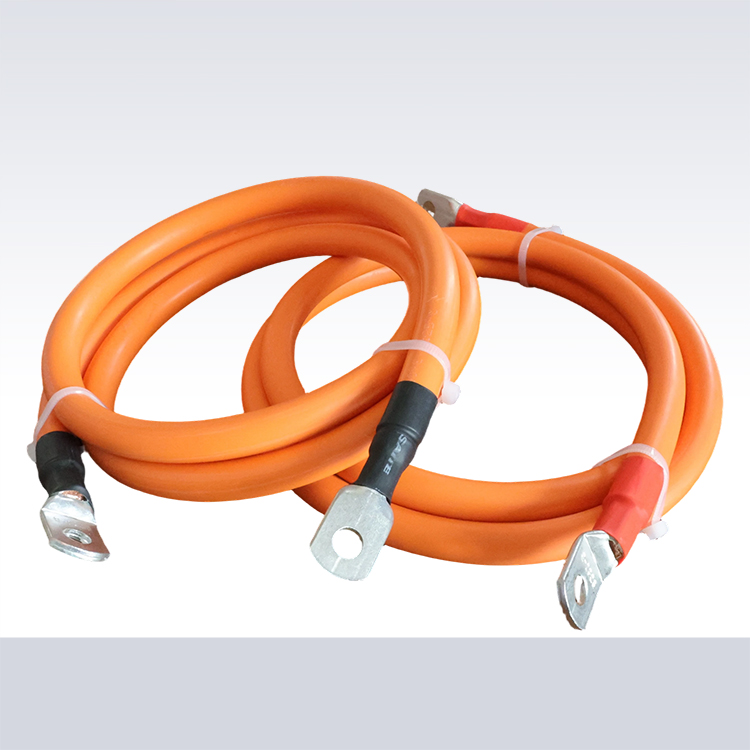
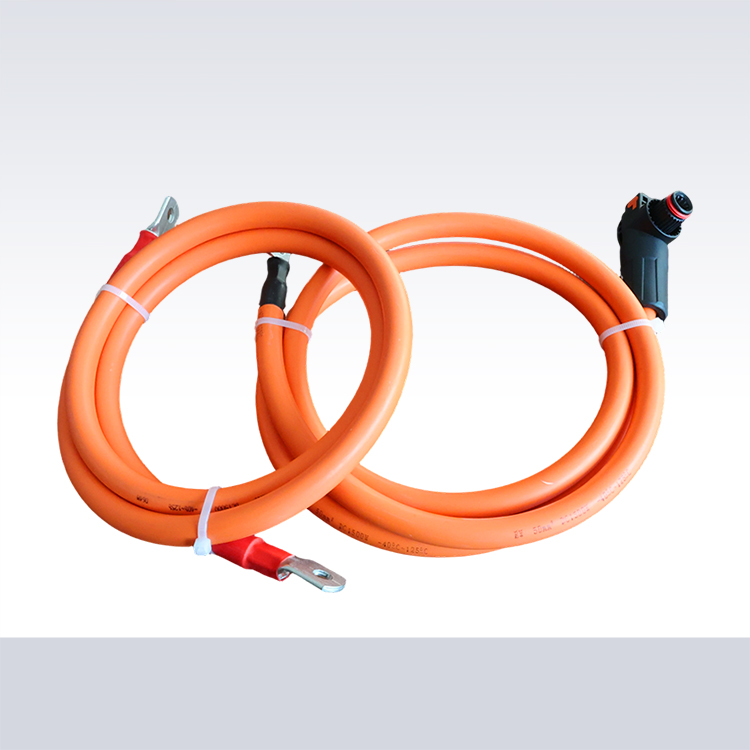
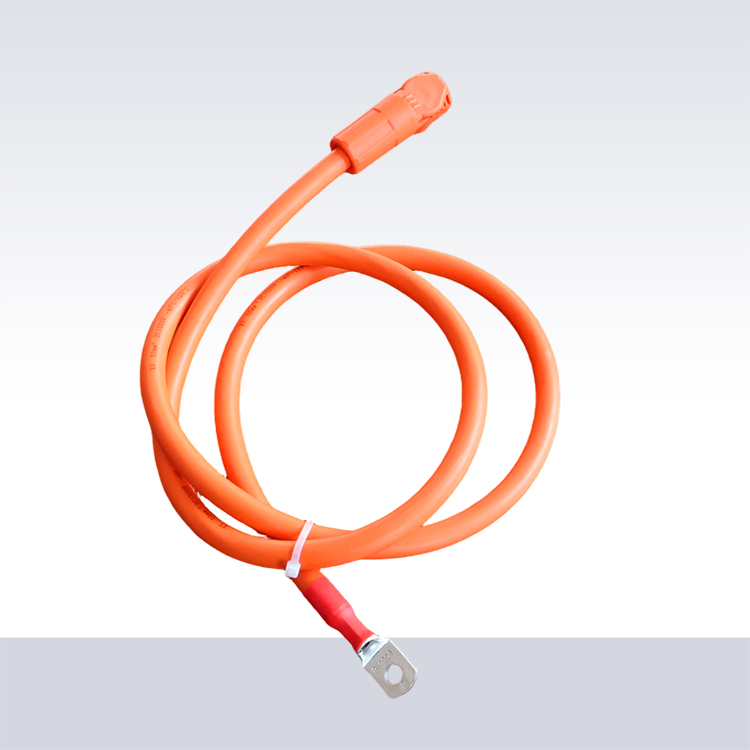
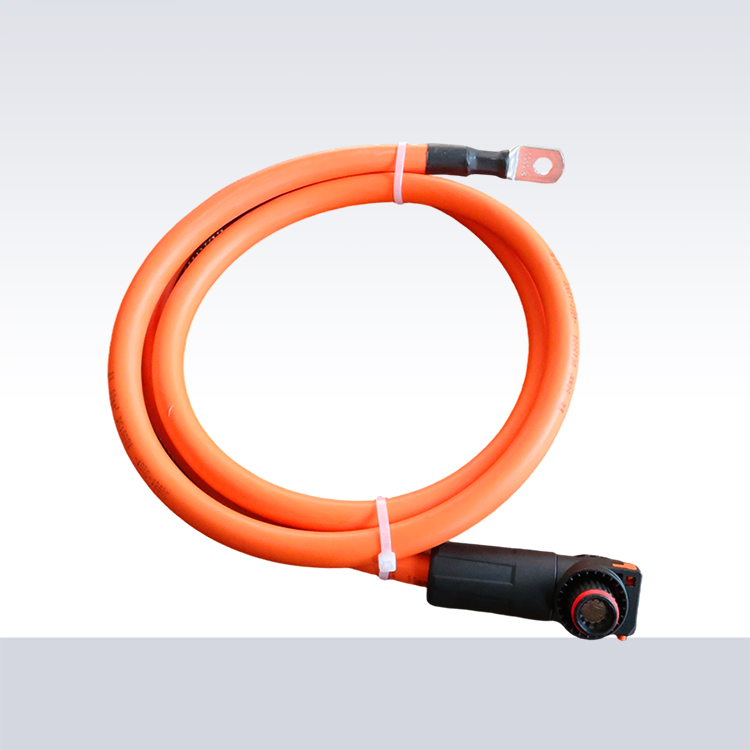
As global solar installations continue to expand in scale and complexity, system efficiency has become a primary focus for designers, installers, and project owners. While solar modules and inverters often receive the most attention, solar cable selection plays a critical role in determining energy loss, system safety, and operational lifespan.
In 2026, with higher system voltages, longer cable runs, and more demanding environmental conditions, choosing the right solar cable is no longer a secondary decision—it is a core engineering consideration.
1. Understanding the Role of Solar Cable in System Efficiency
Solar cables serve as the electrical pathway that transfers generated power from photovoltaic modules to inverters and grid connection points.
Key Functions
·Carry direct current with minimal resistance
·Maintain insulation integrity under harsh outdoor conditions
·Support consistent energy transfer over long service periods
Even small inefficiencies in cable selection can lead to measurable power losses over time.
2. Electrical Characteristics That Impact Performance
The electrical properties of solar cable directly influence system efficiency.
Important Parameters
·Conductor material and cross-sectional area
·Voltage rating and current-carrying capacity
·Resistance per unit length
Lower resistance cables reduce energy losses, particularly in large-scale systems where cable lengths are significant.
3. Environmental Conditions and Durability Requirements
Solar installations operate continuously under environmental stress.
Typical Exposure Factors
·UV radiation
·Temperature fluctuations
·Moisture and humidity
·Mechanical vibration
High-quality solar cable insulation is designed to withstand these conditions without cracking, embrittlement, or degradation that could affect conductivity.
4. Voltage Levels and System Design Trends in 2026
Modern photovoltaic systems increasingly operate at higher DC voltages to improve efficiency and reduce current losses.
Design Implications
·Higher voltage systems require cables with enhanced insulation performance
·Proper cable sizing becomes critical to maintain safety margins
·Long-distance routing demands stable insulation under sustained electrical stress
Selecting solar cable compatible with evolving system architectures helps future-proof installations.
5. Installation Practices That Affect Cable Efficiency
Even the best cable can underperform if installed incorrectly.
Best Installation Practices
·Avoid excessive bending radius
·Prevent tension and mechanical strain
·Use proper cable management and fastening methods
Correct installation preserves conductor integrity and insulation performance throughout the system’s lifecycle.
6. Safety Considerations Linked to Solar Cable Selection
Safety and efficiency are closely connected.
Potential Risks of Improper Cable Selection
·Overheating due to undersized conductors
·Insulation breakdown under voltage stress
·Increased fire risk
Well-selected solar cable minimizes these risks while maintaining stable electrical performance.
7. Standards and Compliance Awareness
Compliance with recognized standards ensures both safety and system approval.
Why Standards Matter
·Provide clear performance benchmarks
·Support regulatory inspections
·Ensure compatibility across system components
Using solar cables designed to meet relevant photovoltaic standards simplifies project execution and reduces operational uncertainty.
8. Efficiency Over the System Lifecycle
System efficiency should be evaluated over decades, not just at commissioning.
Long-Term Considerations
·Resistance stability over time
·Insulation aging behavior
·Maintenance and replacement costs
High-quality solar cable contributes to predictable performance and lower total cost of ownership.
9. Supply Consistency for Large-Scale Projects
Large photovoltaic projects depend on consistent materials.
From a manufacturer and production perspective, standardized processes and quality control ensure uniform cable performance across bulk deliveries. Reliable bulk supply capability supports project schedules and minimizes installation variability.
10. Common Selection Mistakes to Avoid
Even experienced professionals may encounter selection challenges.
Typical Errors
·Oversimplifying cable sizing calculations
·Ignoring environmental exposure levels
·Mixing cables with different insulation properties
Avoiding these mistakes helps maintain system efficiency and long-term safety.
Conclusion: Solar Cable as a Key Efficiency Component
In 2026, improving solar system efficiency requires attention to every component, including the often-overlooked solar cable. Proper selection based on electrical performance, environmental durability, and installation practices ensures stable energy transfer and long service life.
Backed by controlled manufacturing processes and consistent production standards, well-designed solar cable solutions support efficient, safe, and scalable photovoltaic systems. Making informed cable choices today helps maximize energy output and system reliability for years to come.
References
Jordan, D. C., & Kurtz, S. R. (2013).Photovoltaic degradation rates—An analytical review.Progress in Photovoltaics: Research and Applications, 21(1), 12–29.