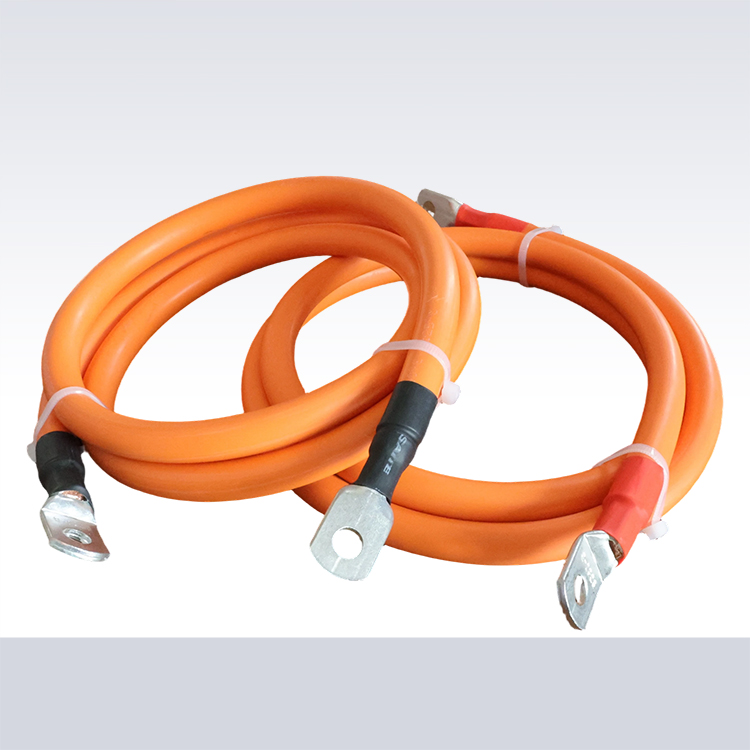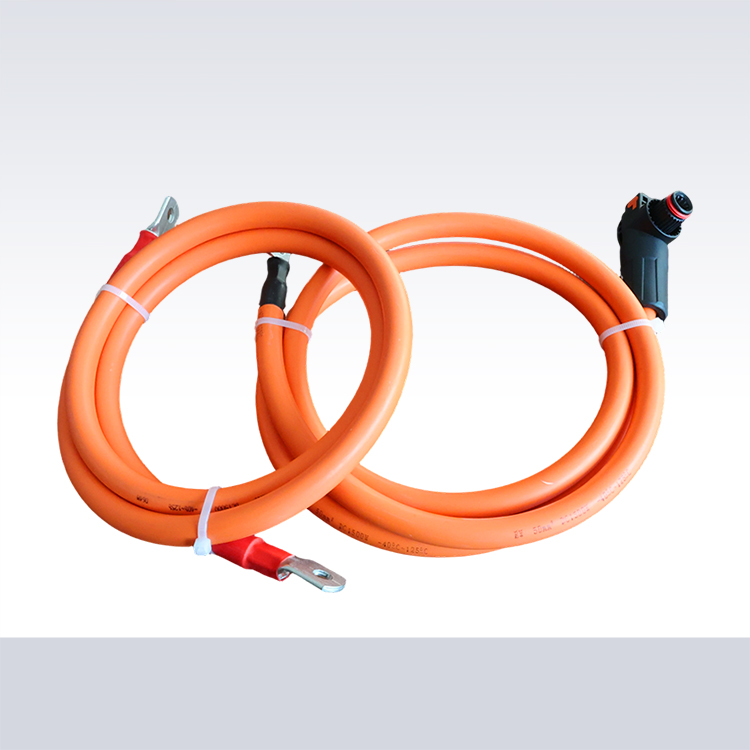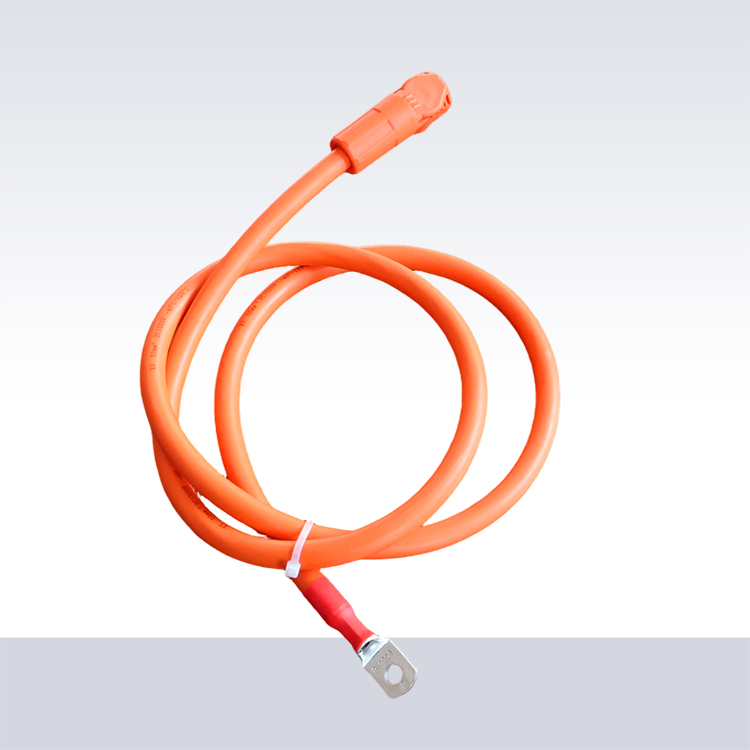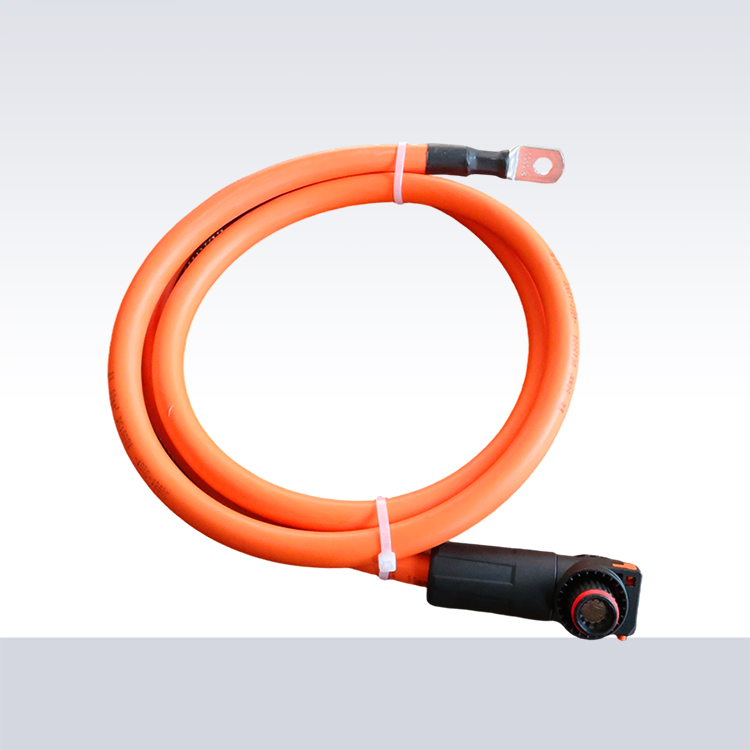


Current location: HOME > BLOGS > Frequently Asked Questions >
PV Wire vs PV Cable: Differences, Applications, and Installer Selection Tips
time:2026-01-30 08:50:25 author:haoshizai Click:54
Why Understanding PV Wire Matters
In modern photovoltaic systems, electrical safety and long-term performance depend heavily on correct wiring choices. While terms like PV wire and PV cable are often used interchangeably, they serve different purposes and are designed for distinct installation environments. For professional installers, understanding PV wire specifications is essential to ensure compliance, safety, and system efficiency.
As solar installations continue to grow in scale and complexity, selecting the right wiring solution becomes a critical decision that affects not only installation speed but also long-term system reliability.
1. What Is PV Wire?
PV wire is a single-conductor electrical wire designed specifically for use in photovoltaic power systems.
Key Characteristics
·Single-core conductor
·High voltage insulation
·Designed for direct current (DC) applications
PV wire is commonly used inside solar arrays where individual conductors are required for flexible routing and easy polarity identification.
2. What Is PV Cable?
PV cable typically refers to insulated conductors designed to connect components within photovoltaic systems.
Common Features
·Enhanced insulation for outdoor use
·Resistance to UV radiation and temperature extremes
·Suitable for continuous DC operation
Although similar in appearance, PV wire and PV cable are not always interchangeable.
3. Structural Differences Between PV Wire and PV Cable
Understanding construction differences helps avoid improper application.
Construction Comparison
·PV wire: Single conductor with insulation
·PV cable: Often includes additional insulation or protective layers
These differences affect flexibility, durability, and installation suitability in various system designs.
4. Application Scenarios in Solar Systems
Each product has optimal use cases.
PV Wire Applications
·Module-to-module connections
·Internal array wiring
·Areas requiring tight bends
PV Cable Applications
·Longer routing distances
·External conduit runs
·Areas exposed to mechanical stress
Selecting the correct option improves installation efficiency and reduces long-term risk.
5. Standards and Compliance Considerations
Compliance with electrical standards is essential for project approval.
Why Standards Matter
·Ensure electrical safety
·Support regulatory inspections
·Reduce liability risks
Both PV wire and PV cable must meet recognized standards relevant to photovoltaic installations.
6. Environmental and Durability Factors
Solar systems face continuous environmental exposure.
Environmental Challenges
·UV radiation
·Moisture and humidity
·Thermal cycling
High-quality PV wire is designed to maintain insulation integrity even under prolonged outdoor conditions.
7. Installation Practices That Affect Performance
Correct installation is as important as product selection.
Installer Tips
·Avoid excessive tension on conductors
·Use appropriate fastening methods
·Maintain clear polarity identification
Proper handling extends the service life of PV wire and improves overall system safety.
8. Cost, Efficiency, and System Design Balance
Cost considerations should not override safety.
Evaluation Factors
·Installation complexity
·Long-term maintenance needs
·Replacement costs
Choosing the right wiring solution helps balance upfront investment with long-term reliability.
9. Selecting the Right Supply for Large Projects
Large-scale projects require consistent quality.
From a manufacturer and production perspective, stable material control and standardized processes ensure uniform performance across large volumes. Reliable bulk supply capability supports project timelines and installation consistency.
10. Common Mistakes Installers Should Avoid
Even experienced installers can encounter issues.
Common Errors
·Using PV wire where additional protection is required
·Ignoring environmental exposure conditions
·Mixing incompatible wiring types
Avoiding these mistakes reduces the risk of system failure and costly rework.
Conclusion: Making the Right Choice with PV Wire
Understanding the differences between PV wire and PV cable allows installers to make informed decisions that improve system safety and performance. By selecting PV wire for appropriate applications and following best installation practices, solar professionals can reduce risk and ensure long-term reliability.
Supported by controlled manufacturing processes and consistent production standards, high-quality PV wire solutions help meet the evolving demands of modern solar systems. Careful selection and proper installation remain essential to building efficient, safe, and durable photovoltaic installations.
References
Jordan, D. C., & Kurtz, S. R. (2013).Photovoltaic degradation rates—An analytical review.Progress in Photovoltaics: Research and Applications, 21(1), 12–29.