

Current location: HOME > BLOGS > Frequently Asked Questions >
PV DC Cable Specification Guide: Voltage, Current, and Temperature Ratings
time:2026-01-30 10:29:34 author:haoshizai Click:99
As the demand for solar power continues to grow worldwide, selecting the right PV DC Cable has become one of the most important steps in ensuring long-term system reliability. Whether you are a solar EPC contractor, a project developer, or a wholesale distributor looking for stable Manufacturer-level Production and bulk supply, understanding key cable specifications is essential. This guide explains the core technical ratings—including voltage, current, and temperature—to help you make safe and cost-effective decisions.
What Is a PV DC Cable?
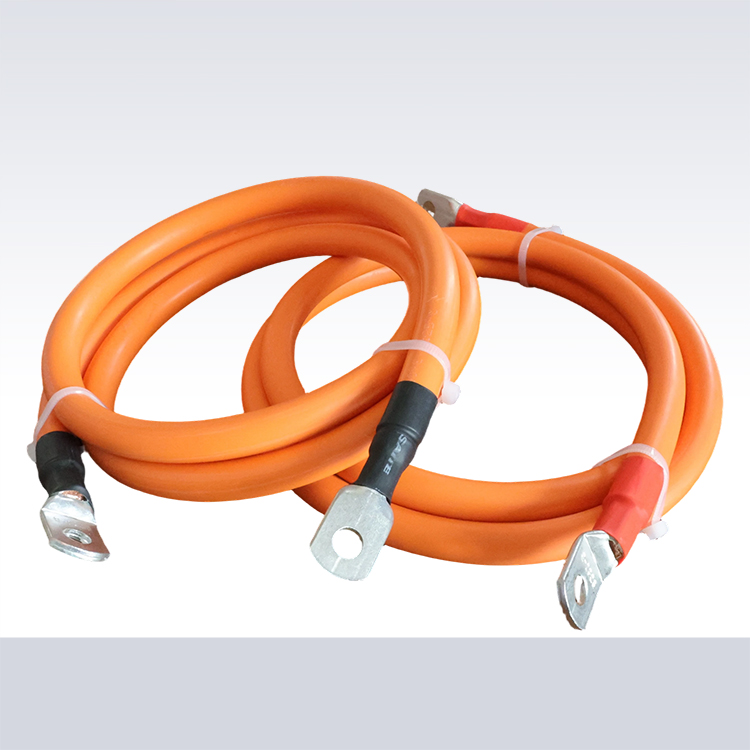
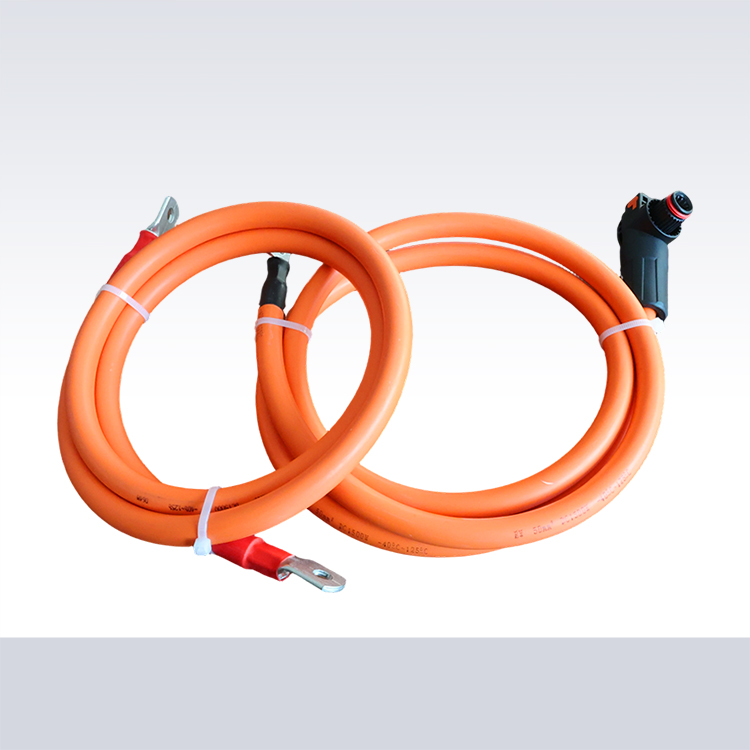
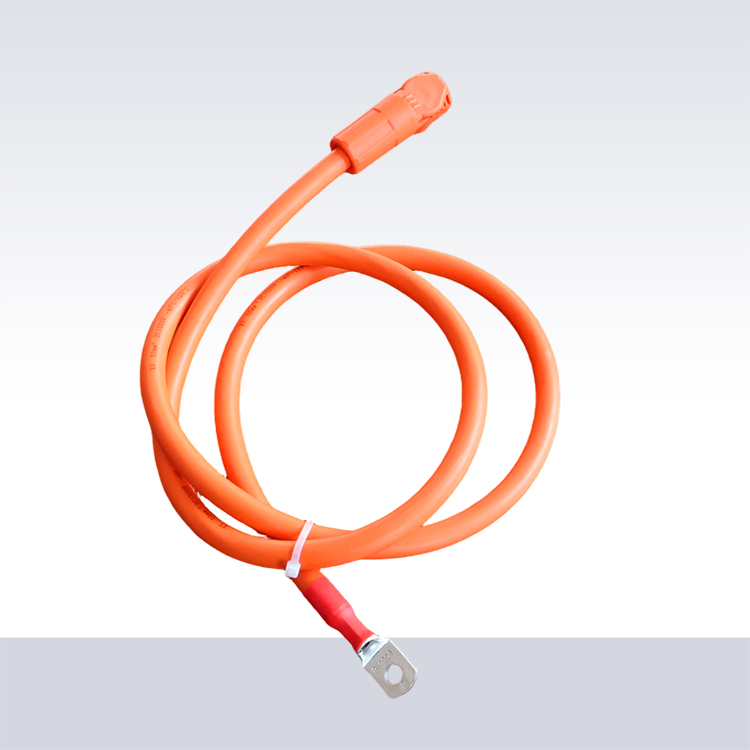
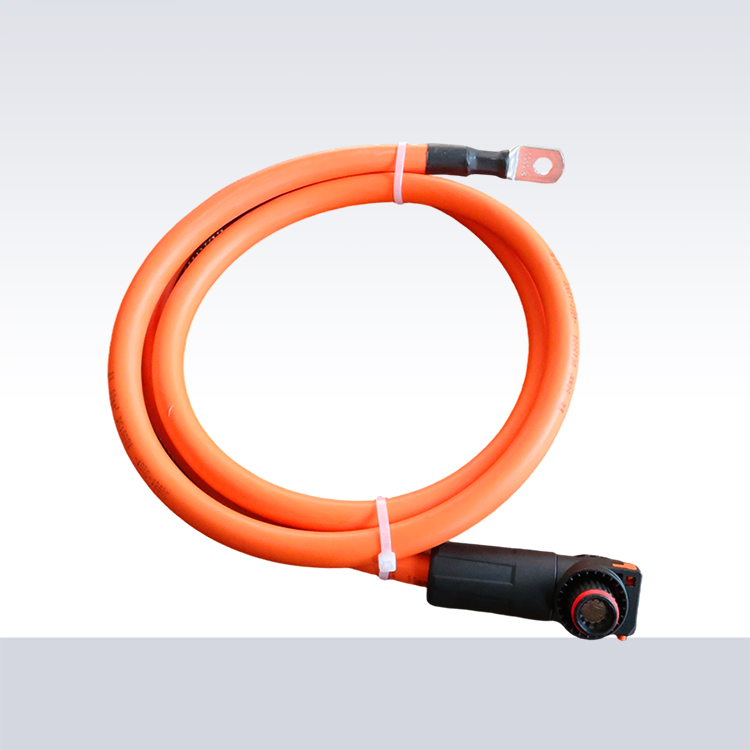
A PV DC Cable is a specialized electrical cable designed for solar photovoltaic systems. It connects solar panels to combiner boxes, inverters, and energy storage units while transferring stable direct current (DC). Unlike standard electrical cables, PV DC cables must withstand:
·Constant outdoor exposure
·High UV radiation
·Wide temperature fluctuations
·Long-term mechanical stress
·High system voltages up to 1500V DC
Because of these challenges, PV DC cable specifications directly affect system performance, installation speed, and overall safety. Manufacturers with stable large-scale Production capability follow strict standards such as IEC 62930 and UL 4703 to ensure long-term durability.
1. Voltage Rating: Why It Matters
The voltage rating indicates the maximum DC voltage the cable can safely handle without breakdown. Modern solar systems commonly use:
·1000V DC (older or smaller systems)
·1500V DC (mainstream utility-scale systems)
A higher-voltage PV DC Cable allows:
·Fewer strings and parallel connections
·Reduced power losses
·Lower installation cost
·Higher system efficiency
Therefore, when selecting a cable for modern projects, choosing a 1500V-rated PV DC Cable is recommended for maximum compatibility and future-proofing.
2. Current Capacity: Determined by Conductor Size
Current rating is directly linked to conductor cross-section (mm²). Common sizes include:
·4 mm² – Small residential or low-power strings
·6 mm² – Most standard commercial solar installations
·10 mm² – Long-distance cable routing or higher-load systems
Current capacity depends on:
·Conductor material (copper or tinned copper)
·Operating temperature
·Cable installation method
·Ambient environment
Choosing an undersized cable can cause excessive heat, voltage drop, reduced efficiency, and long-term safety hazards. Buying from a PV DC Cable Manufacturer ensures precise conductor cross-sections and consistent quality across batch production.
3. Temperature Rating: A Key Indicator of Durability
Solar cables often run in places with extreme temperatures—from scorching rooftops to cold, high-altitude sites. Temperature ratings typically include:
Operating Temperature
Most PV DC Cables:
−40°C to +90°C
Conductor Temperature
Depending on insulation:
Up to 120°C for XLPE materials
Insulation Material Matters
Common insulation types:
·XLPE (Cross-Linked Polyethylene) – Excellent thermal stability, mechanical strength, and UV resistance
·EVA or PVC – Lower durability, not recommended for demanding solar applications
High-quality PV DC Cables from experienced manufacturers use electron-beam cross-linked materials to withstand years of thermal cycling without degradation.
4. Insulation and Jacket Standards
The safety and lifespan of a PV DC cable heavily depend on insulation performance. Essential standards include:
·UV resistance
·Ozone resistance
·Abrasion resistance
·Moisture and flame resistance
A well-manufactured PV DC Cable typically features:
·Dual-layer insulation
·Tinned copper conductor for anti-corrosion performance
·High mechanical flexibility for easy installation
These characteristics ensure stable power delivery even under harsh outdoor conditions.
5. Why Manufacturer Quality and Production Control Matter
When sourcing PV DC cables at scale, the quality difference between manufacturers can be significant. A reliable PV DC Cable Manufacturer ensures consistency through:
·Automated extrusion and insulation equipment
·Real-time diameter and concentricity monitoring
·Aging, tensile, and elongation testing
·High-voltage withstand testing
·Batch production traceability systems
Consistent production control reduces project risk, installation delays, and long-term system failures.
6. Practical Tips for Selecting the Right PV DC Cable
To avoid poor-quality materials and maximize performance, consider the following:
·Confirm rated voltage and conductor size
Match your design requirements.
·Check compliance with international standards
IEC 62930 / EN 50618 / UL 4703.
·Verify material specifications
Prefer XLPE-based, electron-beam-crosslinked insulation.
·Ask for manufacturer testing reports
A trustworthy supplier offers full documentation.
·Choose bulk supply from a real manufacturer
This ensures stable pricing and consistent quality.
Conclusion
Choosing the right PV DC Cable is one of the most important steps in ensuring the long-term safety and efficiency of a solar energy system. By understanding key specifications such as voltage rating, current capacity, and temperature limits, buyers and installers can make more informed decisions—especially when working with a professional PV DC Cable Manufacturer with large-scale Production capabilities and reliable bulk supply.
A high-quality PV DC Cable is not just a component—it is the foundation of system reliability for 25 years or longer.
References
Dai, J., Liu, Y., & Sun, H. (2020). Aging characteristics of cross-linked polyethylene used in photovoltaic cables under thermal and UV conditions. Polymer Degradation and Stability, 178, 109209.