

Current location: HOME > BLOGS > Frequently Asked Questions >
Photovoltaic Cable Explained: Structure, Standards, and Best Use Cases
time:2026-01-30 10:28:52 author:haoshizai Click:119
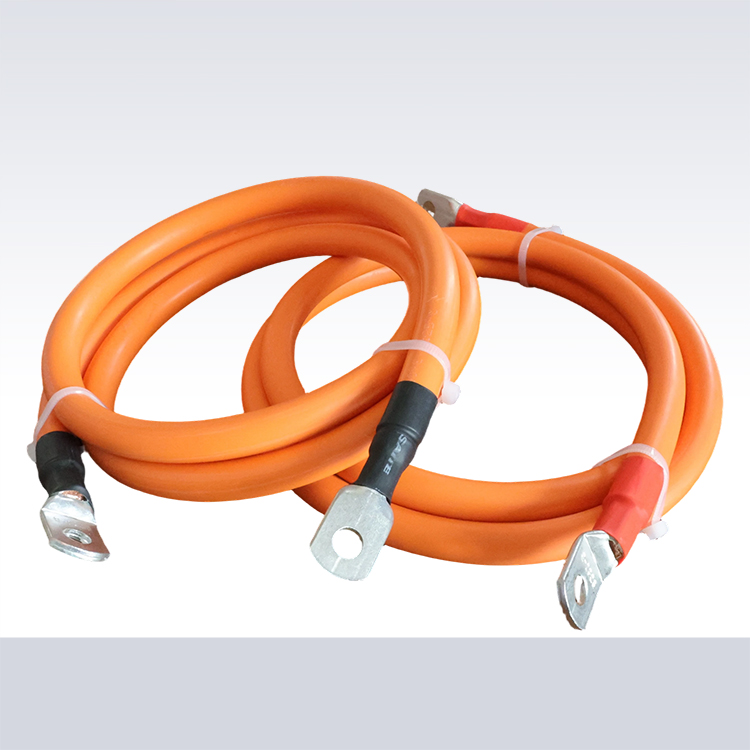
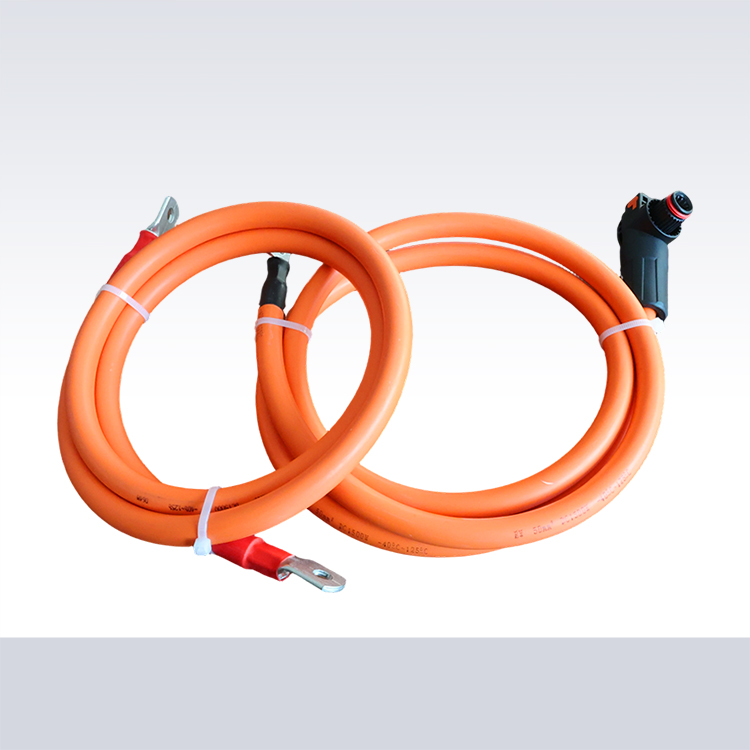
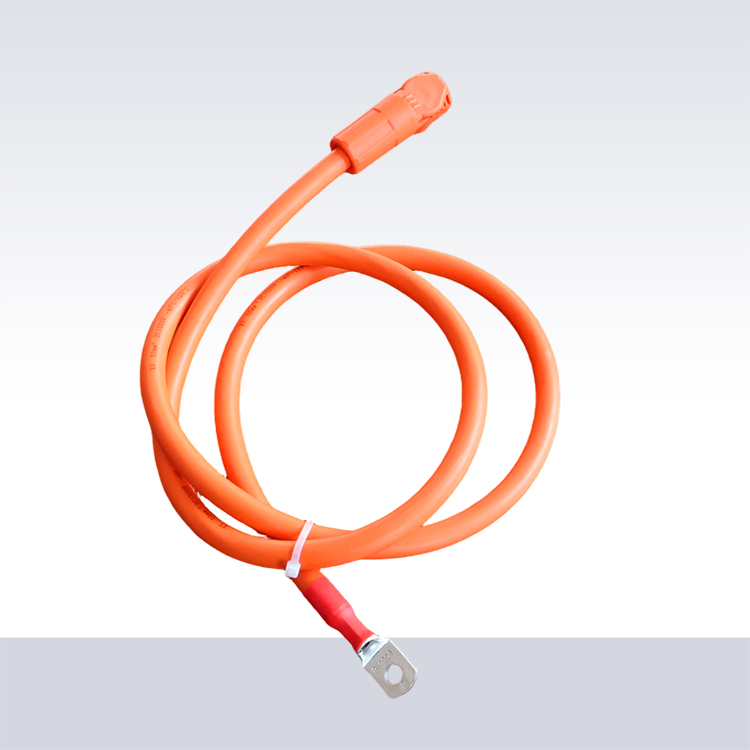
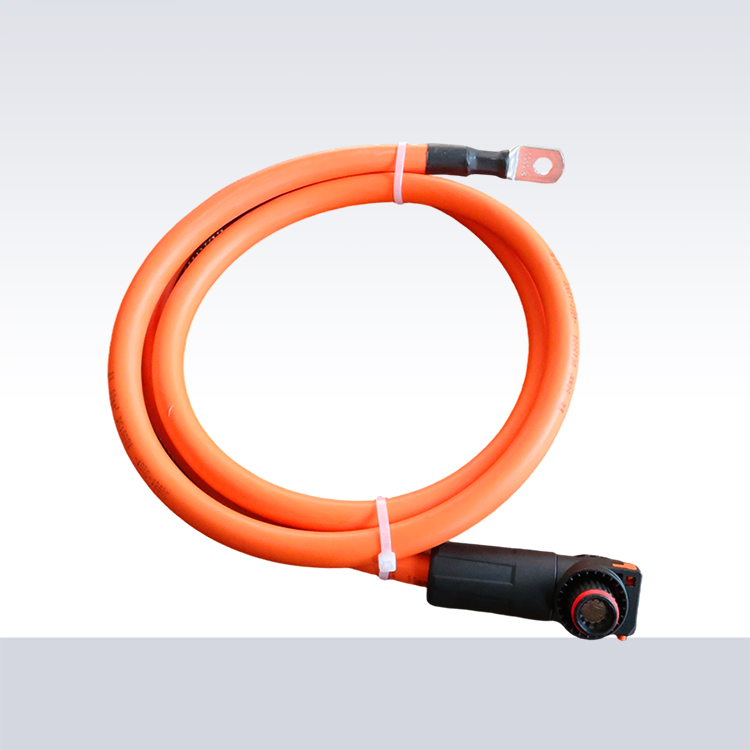
A high-quality Photovoltaic Cable is one of the most critical components in any solar power system. It carries DC electricity from solar panels to inverters while operating in harsh outdoor environments for decades. For installers, EPC contractors, and buyers looking for stable Manufacturer-level Production and reliable bulk supply, understanding how a photovoltaic cable is built and certified is essential for system durability and safety.
This guide breaks down the structure, key global standards, performance requirements, and the best use cases for different photovoltaic cable types.
What Is a Photovoltaic Cable?
A Photovoltaic Cable—often labeled as PV cable or solar DC cable—is a specially engineered electrical cable designed to withstand extreme environmental conditions. It must maintain stable conductivity in:
·Continuous sunlight exposure
·High temperatures
·Moisture and humidity
·Mechanical abrasion
·Chemical and ozone exposure
·Long-term outdoor operation over 25+ years
Because solar systems operate at high DC voltages, a PV cable must meet rigorous material and safety requirements. Choosing a cable produced by a professional Photovoltaic Cable Manufacturer ensures consistency, long service life, and compliance with industry standards.
1. Structure of a Photovoltaic Cable
A typical PV cable includes three key layers, each playing a vital role.
(1) Conductor
Most commonly:
·Tinned copper (high conductivity, corrosion resistance)
·Stranded construction for flexibility during installation
This ensures minimal power loss and long-term stability.
(2) Insulation Layer
Usually made from:
·Electron-beam cross-linked XLPE
·Halogen-free flame-retardant compounds
This layer provides dielectric strength, thermal stability, and UV protection.
(3) Outer Sheath
Engineered for durability:
·Resistant to abrasion and mechanical stress
·Weatherproof and ozone-resistant
·Suitable for both indoor and outdoor installations
High-quality insulation and sheath materials determine whether the cable can maintain performance for decades in solar farms, rooftops, or industrial settings.
2. Standards for Photovoltaic Cables
A proper Photovoltaic Cable must comply with global safety and electrical standards. These certifications verify that the cable can perform reliably under high-voltage DC conditions.
International Standards
IEC 62930
The main standard for 1500V DC photovoltaic cables. It specifies:
·Thermal aging resistance
·UV and ozone resistance
·Electrical insulation performance
·Mechanical durability
EN 50618
Widely used across Europe for low-smoke, halogen-free PV cable requirements.
UL 4703
The North American standard covering PV wire for 600, 1000, and 2000V DC systems.
Meeting these standards indicates that the cable meets industry performance tolerances and is safe for large-scale deployment in solar farms. Buyers sourcing directly from a Manufacturer with certified Production facilities can expect more consistent quality and full documentation.
3. Key Performance Ratings
Voltage Rating
Most photovoltaic cables support:
·1000V DC (older systems)
·1500V DC (modern utility-scale installations)
Higher voltage capacity means longer strings and lower installation cost.
Temperature Rating
Typical operating range:
·–40°C to +90°C
Conductor temperatures can reach up to 120°C, depending on insulation material.
UV, Flame, and Weather Resistance
A premium photovoltaic cable must maintain flexibility and strength despite:
·UV radiation
·Salt mist
·Rain and humidity
·Sand and dust
·High winds
These characteristics ensure long service life in outdoor conditions.
4. Best Use Cases for Photovoltaic Cables
Because of their design and durability, PV cables are widely used in various solar applications:
(1) Residential Solar Roof Systems
Flexible PV cables make installation easy on rooftops, reducing labor time. Their UV stability ensures long-term performance under direct sunlight.
(2) Commercial and Industrial Solar Plants
Factories, warehouses, and commercial buildings require:
·High conductivity
·Stable insulation
·Long cable runs
A good photovoltaic cable minimizes voltage drop and improves system efficiency.
(3) Utility-Scale Solar Farms
Large solar fields need cables that remain reliable over decades. Cables must withstand harsh climates, mechanical stress, and high DC voltages.
Working with a professional Photovoltaic Cable Manufacturer is crucial because:
·Bulk production ensures consistent conductor size
·Automated extrusion avoids defects
·On-site testing verifies mechanical and electrical performance
(4) Energy Storage Systems (ESS)
Photovoltaic cables are also used to connect solar arrays to battery inverters. Thermal stability and high current capacity are essential for safety.
Why Manufacturer Quality Matters
While all photovoltaic cables look similar from the outside, internal quality varies significantly across factories. Manufacturers with advanced Production lines use automated monitoring to ensure:
·Accurate conductor cross-section
·Consistent insulation thickness
·Proper electron-beam cross-linking
·Full traceability for bulk supply orders
·Reliable long-term outdoor performance
This is especially important for EPC companies and distributors handling hundreds of kilometers of cable across multiple projects.
Conclusion
A well-designed Photovoltaic Cable is fundamental to the performance, safety, and lifespan of any solar PV system. By understanding cable structure, insulation materials, international standards, and use-case requirements, buyers and installers can make informed decisions that maximize system reliability. Choosing a professional Photovoltaic Cable Manufacturer with stable Production capacity and bulk supply ensures you receive durable, compliant, and technically consistent cables for long-term solar operations.
If you need a complete PV cable specification sheet or more solar cable buying guides, I can generate them as well.
References
Dai, J., Liu, Y., & Sun, H. (2020). Aging characteristics of cross-linked polyethylene used in photovoltaic cables under thermal and UV conditions. Polymer Degradation and Stability, 178, 109209.