

Current location: HOME > BLOGS > Frequently Asked Questions >
Is Weatherproof PV Cable Necessary? Installer Guide 2026
time:2026-01-29 05:48:56 author:haoshizai Click:93
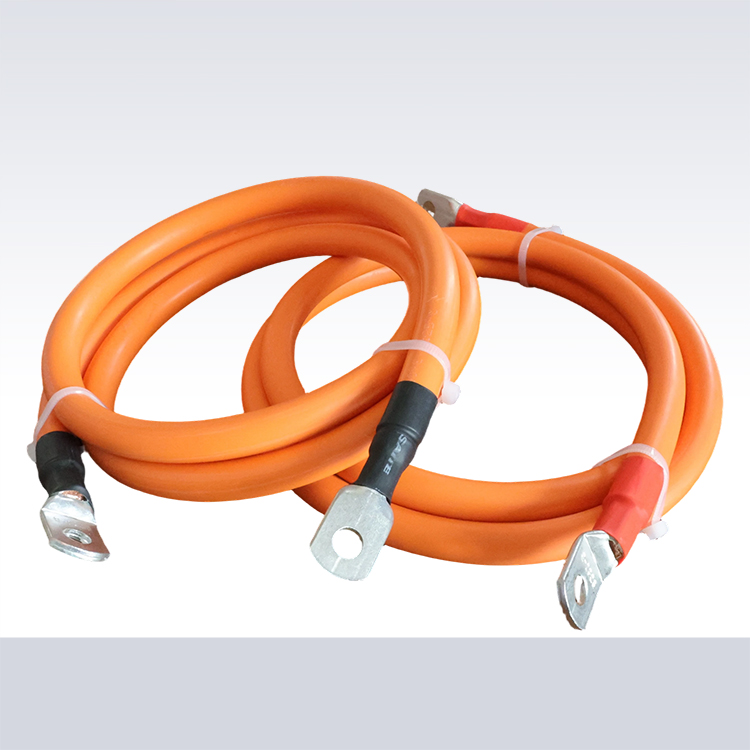
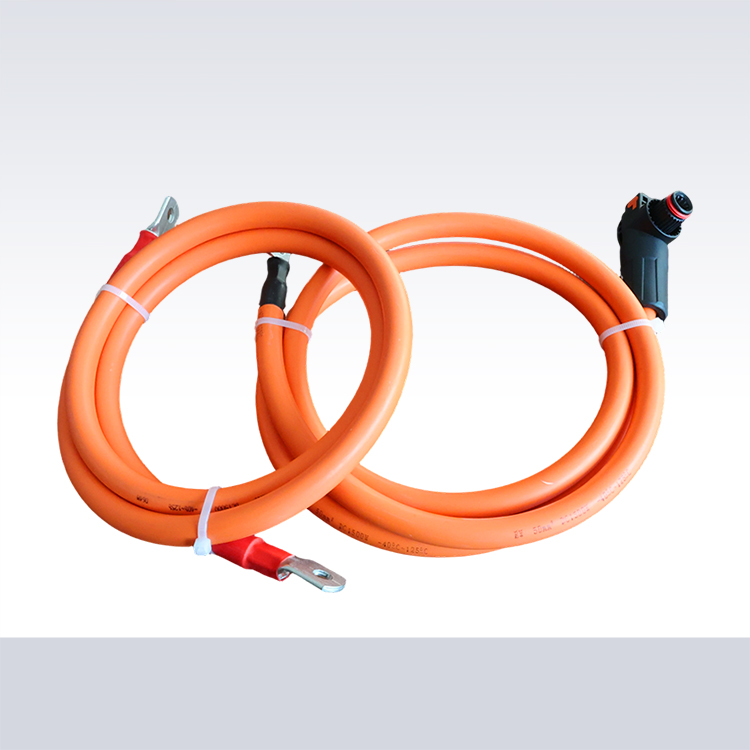
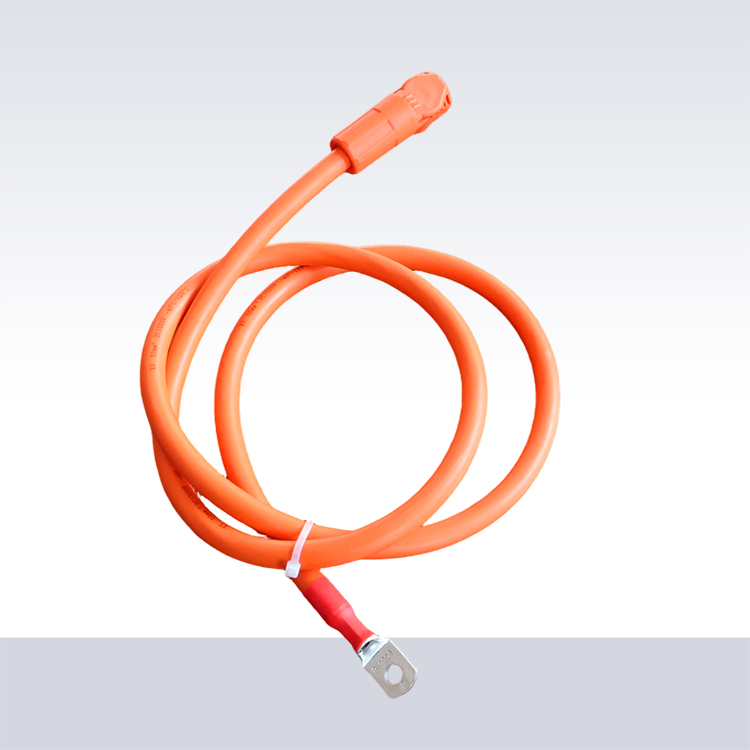
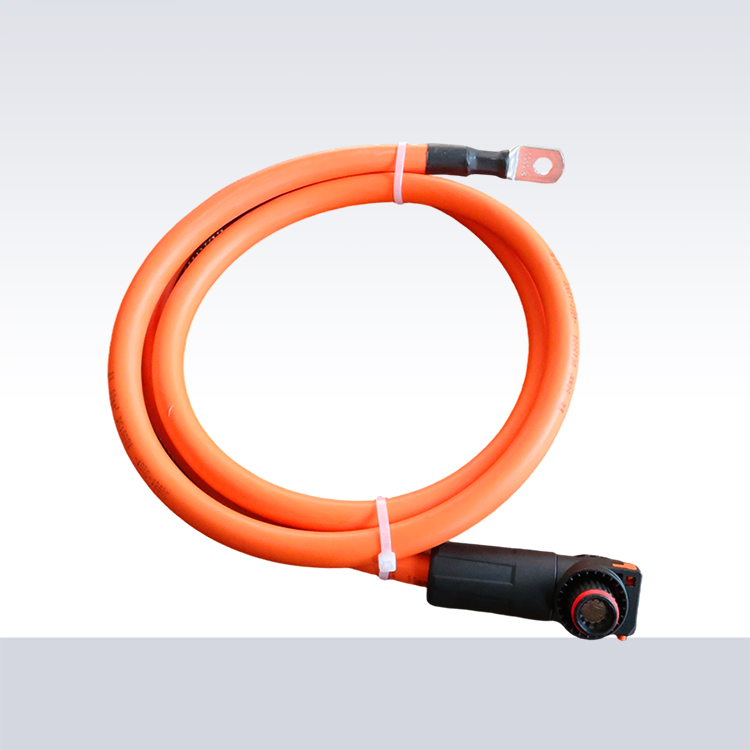
Weatherproof Photovoltaic Cable has become an increasingly important component in modern solar installations as photovoltaic systems are deployed in more demanding outdoor environments. From rooftop arrays to ground-mounted solar farms, cables are continuously exposed to sunlight, temperature changes, moisture, and mechanical stress.
As a Weatherproof Photovoltaic Cable manufacturer with stable production capacity, supplying cables for large-scale solar projects requires not only compliance with technical standards but also consistent quality across bulk production. This installer-focused guide explores whether weatherproof PV cable is truly necessary and how it impacts system performance in 2026 and beyond.
1. What Is Weatherproof Photovoltaic Cable?
Weatherproof photovoltaic cable is specifically designed for outdoor solar applications. It features enhanced insulation and sheathing materials that protect conductors from environmental factors such as UV radiation, rain, humidity, and temperature extremes.
Unlike general-purpose electrical cables, weatherproof PV cables are engineered to maintain electrical and mechanical integrity throughout the long service life of a photovoltaic system.
2. Environmental Challenges Faced by PV Cables
2.1 Ultraviolet (UV) Exposure
Continuous exposure to sunlight can degrade standard insulation materials over time. UV-resistant cable jackets help prevent cracking, brittleness, and insulation failure.
2.2 Temperature Fluctuations
Photovoltaic systems often operate in environments with significant daily and seasonal temperature variations. Weatherproof PV cables are designed to withstand both high operating temperatures and cold conditions without losing flexibility.
2.3 Moisture and Humidity
Rain, condensation, and humidity can penetrate poorly protected cables, increasing the risk of corrosion and insulation breakdown. Weatherproof designs help minimize moisture ingress.
3. Installation Scenarios Where Weatherproof PV Cable Is Essential
3.1 Rooftop Solar Installations
Rooftop systems are directly exposed to sunlight, wind, and rain. Using weatherproof photovoltaic cable reduces the risk of premature aging and electrical faults.
3.2 Ground-Mounted Solar Farms
In open-field installations, cables may be exposed to dust, soil moisture, and mechanical stress. Weatherproof sheathing provides additional protection against environmental damage.
4. Indoor vs Outdoor Applications: Is Weatherproof Always Required?
In controlled indoor environments, such as equipment rooms or protected conduits, standard PV cables may be sufficient. However, any cable segment exposed to outdoor conditions benefits from weatherproof construction.
Installers often choose weatherproof PV cable throughout the system to maintain consistent performance and simplify material selection.
5. Impact on System Reliability and Lifespan
Cable failures can lead to energy losses, safety hazards, and costly maintenance. Weatherproof photovoltaic cables reduce the likelihood of insulation degradation and conductor corrosion.
By maintaining stable electrical properties over time, weatherproof cables support consistent energy output and long-term system reliability.
6. Safety and Compliance Considerations
Modern solar installations must meet electrical safety and performance standards. Weatherproof PV cables are designed to comply with relevant photovoltaic cable requirements, including flame resistance and environmental durability.
Using compliant cable materials helps installers meet regulatory requirements and reduce inspection issues.
7. Installation Best Practices for Weatherproof PV Cables
7.1 Proper Routing and Support
Even weatherproof cables require correct routing to avoid excessive bending, tension, or abrasion. Proper support reduces mechanical stress.
7.2 Connector Compatibility
Ensure connectors and terminals are compatible with the cable’s insulation and conductor size. Proper termination is essential for maintaining weather resistance at connection points.
8. Cost Considerations and Long-Term Value
While weatherproof photovoltaic cable may have a higher upfront cost than standard cable, it often reduces long-term expenses related to maintenance, repairs, and system downtime.
For large projects, the long service life and reduced failure risk provide clear economic benefits.
9. Manufacturing Quality and Production Consistency
The effectiveness of weatherproof PV cable depends on consistent manufacturing processes. Controlled production ensures uniform insulation thickness, material performance, and electrical characteristics.
Manufacturers with standardized production lines and bulk supply capability can support large-scale solar projects with reliable, repeatable quality.
Conclusion: Is Weatherproof PV Cable Necessary in 2026?
For most modern solar installations, Weatherproof Photovoltaic Cable is not just an option but a practical necessity. Environmental exposure, system longevity expectations, and safety requirements make weatherproof construction a critical factor in cable selection.
When sourcing from a manufacturer with reliable production capacity and bulk supply support, weatherproof PV cables provide installers with confidence in long-term performance, safety, and system stability. Choosing the right cable today helps ensure efficient solar power generation for years to come.
References
Messenger, R. A., & Ventre, J. (2017).Photovoltaic systems engineering (4th ed.). CRC Press.